







Road to Everest Base Camp in Tibet: How to Travel by Road in 2026
Reaching Everest Base Camp in Tibet becomes easier than ever nowadays. Unlike the challenging trek on the Nepal side, the Tibetan side offers a well-paved road that leads directly to the base camp. With a gradual ascent in altitude, this journey is suitable for first-time visitors, families and even seniors.
Along the way, you will enjoy stunning landscapes of the Tibetan Plateau, from the towering Himalayan peaks to turquoise Yamdrok Lake, and from ancient monasteries to traditional Tibetan villages rich in local culture.
This guide will walk you through everything you need to plan your road trip to Everest Base Camp in Tibet in 2026. You’ll find details on road conditions, travel routes, scenic stops, required permits, and essential tips to make your journey safe, smooth, and truly enjoyable.
Keep reading to prepare for an unforgettable road adventure to Everest Base Camp in Tibet!
Quick Facts about Road to Everest Base Camp in Tibet
- Distance & Duration: Lhasa → EBC ~700 km, 2 days; Kathmandu → EBC ~500 km, 2–3 days
- Road Condition: Tibetan side from Lhasa to EBC fully paved; Nepal side to Gyirong rough, then smooth into Tibet
- Altitude Change: Lhasa 3,650 m → Gyantse 4,050 m → Shigatse 3,900 m → Gawula Pass 5,230 m → Everest Base Camp ~5,000 m
- Best Travel Season: Spring & Autumn (April–June, September–November)
- Vehicle Recommendation: SUV or overland vehicle recommended
- Key Stops & Highlights: Yamdrok Lake, Gyantse, Shigatse, Tingri, Gawula Pass, Rongbuk Monastery
- Acclimatization: Spend 2–3 days in Lhasa before heading to high altitudes
- Permits Required: Chinese visa, Tibet Travel Permit, Frontier Pass
Contents
 Road to Everest Base Camp in Tibet: Overview
How is the Road Conditions to Everest Base Camp in Tibet?
How to Travel to Everest Base Camp by Road in Tibet (2026)
How Can I Drive to Everest Base Camp in Tibet?
Best Time to Travel to Tibet Everest Base Camp by Road
Scenic Spots along the Road to Everest Base Camp in Tibet
Required Documents for Road Travel to Everest Base Camp in Tibet (2026 Updates)
Travel Tips for the Road Journey to Everest Base Camp in Tibet
Recommended Overland Tour Packages to Everest Base Camp in Tibet
Quick Summary and Common Questions about Road Journey to Everest Base Camp
Road to Everest Base Camp in Tibet: Overview
One of the most exciting things of traveling to Everest in Tibet is that there is a road leading directly to Everest Base Camp, making this legendary destination accessible without the need for a strenuous trek.
Even better, the road is well-maintained nowadays, stretching all the way from the holy city of Lhasa to the base of Mount Everest. This allows you to experience the high-altitude wonders of Tibet comfortably and safely.
This makes a big difference compared with the south side in Nepal, where reaching the base camp requires several days of hiking on rugged trails. In Tibet, vehicles can drive directly to EBC, offering a convenient journey.
Plus, the drive takes you through stunning landscapes and culturally rich Tibetan towns and monasteries, making the trip scenic as well as practical.
Whether you are traveling solo, with family or friends, a first-time visitor, this route provides an accessible way to experience both highlights of Tibet while arriving at the foot of the world’s highest peak.
 The road from Lhasa to Everest Base Camp in Tibet is fully paved and well-maintained.

Join our most popular Lhasa to Tibet EBC tour for a smooth travel experience!
How is the Road Conditions to Everest Base Camp in Tibet?
Generally, the Tibetan route to Everest Base Camp is fully paved and generally smooth, offering a comfortable drive with stunning high-altitude scenery along the way.
Tibetan Side: Lhasa to Everest Base Camp
The road from Lhasa to Everest Base Camp is fully paved with asphalt, suitable for a wide range of vehicles. Once a rugged path, it has now been upgraded into a smooth asphalt road, and even the final stretch near Rongbuk Monastery and the EBC tent area is well-paved.
Along the way, you will pass high mountain passes above 5,000 meters and winding zigzag roads, including the famous 108 bends. The route is generally safe and easy to drive, with only these sections requiring a bit of slowing down.
The altitude rises gradually from Lhasa at 3,650 meters to Everest Base Camp at 5,000 meters, giving travelers plenty of time to adjust to high altitude while enjoying the breathtaking scenery.
Key Elevation Points Along the Tibetan Route:
- Lhasa – 3,650 m: Starting point with easy access to hotels and amenities.
- Gyantse – 4,050 m: Historic town with the iconic Gyantse Kumbum.
- Shigatse – 3,900 m: Home to the famous Tashilhunpo Monastery.
- Gawula Pass – 5,230 m: Breathtaking Himalayan panoramas.
- Rongbuk Monastery – 4,980 m: Cultural and spiritual highlight near Everest.
- Everest Base Camp – 5,000 m: Final destination.
With such well-maintained roads, most travelers - including families and seniors - can enjoy this high-altitude adventure to Mount Everest safely and comfortably.
Nepal Side: Kathmandu to Everest Base Camp
For travelers coming from Nepal, the journey starts differently. The road from Kathmandu to the Gyirong border is rougher, narrow, and bumpy, requiring extra time and careful driving.
However, once you cross into Tibet, the route from Gyirong to Everest Base Camp is paved and well-maintained, just like the road from Lhasa. This means that even travelers starting from Kathmandu can enjoy a smooth and scenic drive all the way to the base of Mount Everest.
 Along the way from Lhasa to Everest Base Camp, you will pass the famous 108 bends.
How to Travel to Everest Base Camp by Road in Tibet (2026)
The road journey to Everest Base Camp in Tibet can begin from two primary locations: Lhasa, the provincial capital of Tibet, or Kathmandu, the capital of Nepal. Each route offers its own unique set of attractions and travel experience along the way.
1. From Lhasa to Everest Base Camp by Road - The Most Popular & Scenic Route
The drive from Lhasa to Everest Base Camp covers approximately 700 kilometers and typically takes around two days, depending on your stops and pace.
Following the famous Friendship Highway, this route is the most popular way to reach Everest Base Camp in Tibet. It offers stunning scenery and a gradual altitude gain, making it easier for travelers to acclimatize along the way.
Route Overview:
Lhasa → Yamdrok Lake → Gyantse → Shigatse → Tingri → Gawu La Pass → Everest Base Camp
Starting from Lhasa, the journey heads toward Shigatse, Tibet’s second-largest city. Along the way, you will cross the Gampala Pass to reach Yamdrok Lake, one of Tibet’s three most sacred lakes.
Continuing west, you will see the massive Karola Glacier and pass through the historic town of Gyantse, known for its iconic Kumbum stupa and rich Tibetan culture.
Most travelers spend the first night in Shigatse to rest and prepare for the following day. From there, the road moves southwest toward Tingri, crossing the Gyatso La Pass (5,248 m), the official gateway to the Everest National Nature Reserve.
For the final stretch from Tingri to Everest Base Camp, you turn off the main highway onto the dedicated Zhufeng (Everest) Road. Here, you ascend the Gawu La Pass (5,198 m), a spectacular viewpoint where you can see five 8,000-meter Himalayan peaks at once.
The journey then descends along the famous zigzagging mountain road to reach Rongbuk Monastery and the tent houses at Everest Base Camp.
Practical Tips for the Journey:
- High-altitude adaptation: Spend 2-3 days in Lhasa before starting your adventure to acclimatize and enjoy some sightseeing.
- Vehicle selection: Most tours use SUVs or overland vehicles suitable for high-altitude roads. Private cars are possible if permitted.
- The Eco-Bus Transfer: To protect the fragile environment near Everest, private vehicles cannot enter the core area. You will transfer to an eco-friendly shuttle bus for the final section from Tashizong Village to EBC.
2. From Kathmandu to Everest Base Camp by Road - The Adventurous Himalayan Crossing
For travelers starting in Nepal, the journey to Everest Base Camp in Tibet begins in Kathmandu. The drive from Kathmandu to Everest Base Camp in Tibet covers roughly 500 kilometers via the Gyirong border, typically taking 2–3 days, with time for scenic stops and gradual altitude acclimatization.
Route Overview:
Kathmandu → Rasuwa Gadi → Gyirong → Everest Base Camp
Leaving Kathmandu, the route first takes you through the deep gorges of the Langtang region, an adventurous 7–9 hour drive that winds through stunning valleys and river landscapes. After about 130 kilometers, you reach Rasuwa Gadi, the border town between Nepal and Tibet.
Once you cross into China, you enter Gyirong Town. From there, the journey continues, ascending gradually to areas above 4,500 meters, and finally reaching Everest Base Camp.
The road offers a varied landscape, transitioning from lush low valleys to high-altitude plateaus. Along the way, travelers can enjoy Pelku Tso Lake, views of Mt. Shishapangma, and the scenic Gawula Pass.
Practical Tips for the Journey:
- Road conditions: The road from Kathmandu to Gyirong can be rough and bumpy, especially in the rainy season. Be prepared for occasional landslides or slow sections.
- Acclimatization: It’s highly recommended to spend a day in Gyirong town (2,800 meters) before continuing to Everest Base Camp (5,000 meters). This allows time to adjust to the altitude and explore the beautiful Gyirong Valley.
Quick Comparison: Road Travel to Everest Base Camp in Tibet (2026)
| Feature | From Lhasa | From Kathmandu |
|---|---|---|
| Distance & Duration | ~700 km, ~2 days (with stops) | ~500 km via Gyirong, 2–3 days |
| Route Highlights | Lhasa - Yamdrok Lake - Shigatse - Tingri - Gawu La Pass - Rongbuk Monastery - EBC | Kathmandu - Rasuwa Gadi - Gyirong Town - EBC |
| Road Conditions | Fully paved asphalt, smooth drive, gradual altitude gain | Kathmandu - Gyirong: narrow, bumpy; Gyirong - EBC: paved, smooth |
| Altitude Adaptation | 2–3 days in Lhasa recommended | 1 day in Gyirong (2,800 m) recommended |
| Vehicle Suggestions | SUV or overland vehicle; private cars possible if permitted | SUV or overland vehicle; careful driving on Nepal side |
| Special Notes | Eco-Bus transfer required for final section to EBC | slower sections on Nepal side; Eco-Bus for final stretch |
Summary of Road Routes to Everest Base Camp:
- Lhasa route: Most popular and scenic; easier for acclimatization; suitable for most tourists, including families and seniors.
- Kathmandu route: More adventurous; initial rough roads but smooth after entering Tibet; ideal for travelers seeking a cross-border experience.
 At Gawula Pass along the Lhasa to Everest Base Camp route, you can see five 8,000-meter Himalayan peaks.
Take the most popular and scenic route to Everest Base Camp from Lhasa with us!
How Can I Drive to Everest Base Camp in Tibet?
After choosing your route from Lhasa or Kathmandu, you might be wondering: can I drive myself to Everest Base Camp, or should I hire a driver? Both options are possible, but there are important considerations to ensure a safe, smooth, and enjoyable journey.
Self-Driving to Everest Base Camp
Self-driving in Tibet has become an accessible option for foreign tourists, giving you the flexibility to explore Everest Base Camp at your own pace. You can stop for photos, enjoy scenic views, and explore hidden spots along the way.
However, self-driving requires strong driving skills and the ability to navigate high-altitude roads and plateau conditions. You’ll also need a Chinese Driving License and the necessary permits, including the Tibet Travel Permit.
As the leading Tibet tour operator with years of experience, we can handle all your travel permits when you book your self-driving tour with us, ensuring your journey to Everest Base Camp is both smooth and safe.
Hiring a Driver to Everest Base Camp
If you prefer a more relaxed road trip, hiring a local driver is an excellent option. A professional driver knows the route, road conditions, and altitude challenges, allowing you to focus on sightseeing and enjoying the journey.
Our local drivers are highly skilled and know the route well. They ensure a safe journey while guiding you to important landmarks and beautiful scenic spots along the way, making your trip even more enjoyable.
Important Tips
When driving to Everest Base Camp in Tibet, having a tour guide is required. According to regulations, all international visitors must book an organized tour with an authorized Tibetan travel agency and be accompanied by a local guide. This rule applies whether you join a group tour, a private tour, or even a self-drive tour.
In fact, having a guide makes your overland journey to Everest Base Camp safer and much smoother. Local guides help you follow road rules, adjust to the high altitude, and provide insights into Tibetan culture and the best scenic viewpoints along the way—so you won’t miss any of the highlights on your trip.
 Our guests enjoy self-driving to Everest Base Camp in Tibet with our local Tibetan guide.
Best Time to Travel to Tibet Everest Base Camp by Road
Choosing the right season can make a big difference in your experience of Everest Base Camp. Each season has its own charm, weather conditions, and considerations for road travel.
Best Months: Spring & Autumn (April to June & September to November)
Spring and autumn are widely considered the best times to visit Everest Base Camp by road. During these months, the weather is pleasant with clear skies and bright sunshine, offering stunning, unobstructed views of Mount Everest.
In Spring (April to June), temperatures in Tibet including Everest Base Camp region gradually warm up, days become longer, and the landscapes bloom with color. This is ideal for sightseeing and overland travel.
In autumn (September to November), you can enjoy mild temperatures, less rainfall than summer, and fresh, crisp air. Clear skies and excellent visibility provide perfect conditions for Everest photography. Roads remain manageable, making the journey safe and comfortable.
Tibet EBC Overland Travel in Summer (July - August)
Summer in Tibet brings warmer temperatures and higher humidity. While this is the rainy season, the showers usually occur in short bursts in the late afternoons and evenings, leaving most of the day suitable for travel.
Summer is also the peak travel season, when both overseas and domestic tourists flock to Tibet and visit Mount Everest. So, it’s important to book your tour and accommodations in advance.
Besides, the warmth and longer daylight hours can make overland travel in Tibet more comfortable, despite occasional rain.
Tibet EBC Overland Travel in Winter (December - March)
Winter travel to Everest Base Camp is possible and offers a unique experience. The base camp remains open, and clear, bright sunshine often provides high visibility and spectacular Himalayan mountain views.
Temperatures can be very cold, sometimes dropping below -20°C at night, but daytime conditions are sunny and crisp.
Besides, this season is ideal for travelers seeking a quieter, more budget-friendly trip. The crisp winter air and empty roads can make the journey feel tranquil and rewarding.
Summary:
- Spring & Autumn: Best overall for weather, clear Mount Everest views, and comfortable travel.
- Summer: Warm, peak season, occasional rain—plan ahead.
- Winter: Cold but clear, less crowded, and more budget-friendly.
 Tibet Everest Base Camp remains open in winter, with clear skies offering high visibility and spectacular Everest views.
Scenic Spots along the Road to Everest Base Camp in Tibet
Traveling to Everest Base Camp in Tibet by road isn’t just about the destination—the journey itself is filled with breathtaking natural beauty and rich Tibetan culture. Here are the highlights you won’t want to miss:
Natural Attractions
- Yamdrok Lake: One of Tibet’s three holiest lakes, Yamdrok Lake offers turquoise waters surrounded by snow-capped mountains. A perfect spot for relaxing, walking along the shore, or photography.
- Karola Glacier: A massive glacier located near the highway, often adorned with colorful prayer flags, offering a close-up view of ice formations and dramatic landscapes.
- Gawula Pass (5,250 meters): A panoramic viewpoint of the Himalayas, where you can see five of the world’s 8,000-meter peaks at once: Everest, Lhotse, Makalu, Cho Oyu, and Shishapangma.
- Everest Base Camp: The ultimate natural highlight, providing unobstructed, close-up views of Mount Everest. Sunrise and sunset here offer some of the most spectacular vistas in the world.
Cultural Highlights
- Gyantse Ancient Town: Visit the historic town and explore the Gyantse Kumbum, a multi-tiered stupa with intricate Buddhist murals.
- Tashilhunpo Monastery in Shigatse: The traditional seat of the Panchen Lama, showcasing classic Tibetan architecture and religious art.
- Rongbuk Monastery: The highest monastery in the world, located near the north face of Everest, offering close-up views of the summit and insight into monastic life.
- Tibetan Villages: Along the way, you can visit local families, such as those at the lakeside of Yamdrok, to experience authentic Tibetan culture and hospitality.
Photography Tips
- Best Shooting Spots & Times: Sunrise and sunset at Yamdrok Lake, Gawula Pass, and EBC offer the most dramatic light.
- Gear Recommendations: For most travelers, a smartphone is sufficient to capture high-quality photos.
- For enthusiasts or professional photographers: Bring a full-frame DSLR or mirrorless camera, along with extra memory cards and spare batteries.
- Respect local culture: Always ask permission when photographing local Tibetans or inside monasteries.
 Our guests enjoy close-up views of Mount Everest’s summit from Rongbuk Monastery.
Required Documents for Road Travel to Everest Base Camp in Tibet (2026 Updates)
Traveling to Everest Base Camp by road in Tibet requires several official documents to ensure a smooth and legal journey. Here’s what you need to know for 2026:
Chinese Visa
All international travelers need a Chinese visa to enter Tibet from Lhasa or Kathmandu. You can apply for a visa on your own at Chinese embassies or consulates in your country. Make sure your passport is valid for at least six months.
The good news is that in 2026, many countries enjoy visa-free entry for up to 30 days, including the UK, Australia, Canada, and many European countries, making travel to Tibet much easier.
If you’re unsure whether you need a Chinese visa for your Tibet trip, feel free to contact us for the latest information.
Tibet Travel Permit
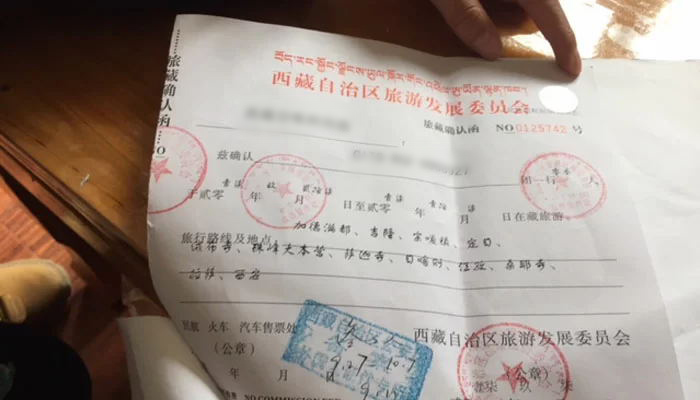
The Tibet Travel Permit (TTP) is mandatory for all international tourists entering Tibet. This permit must be arranged through a local travel agency, as it cannot be obtained individually.
No worries! We can help obtain the permit on your behalf. Simply book your Tibet tour with us and provide copies of your passport and Chinese visa (if required), and we’ll take care of the rest.
The permit usually takes about two weeks to process, so we recommend contacting us at least 20 days before your departure, especially during peak season.
Frontier Pass
The Tibet Travel Permit allows you to explore most areas of Tibet, including Lhasa. If you plan to travel to restricted or border regions, such as Mount Everest, a Frontier Pass is required.
This pass is also applied for through a local travel agency, and the process is typically completed within one working day. We’ll handle it for you, ensuring you can continue your journey without delays.
Warm Tip: We can handle all Tibet Travel Permits for your journey. Simply contact us early and share your travel plan, and we’ll make sure everything is ready for your overland adventure to Everest Base Camp.
 We make it easy to get your Tibet Travel Permit and other documents for Tibet Everest Base Camp tour.
Join our most popular Tibet overland tour with Mount Everest visits and all permits arranged!
Travel Tips for the Road Journey to Everest Base Camp in Tibet
Traveling to Everest Base Camp by overland is an incredible experience, but the high-altitude environment and variable weather mean a little preparation goes a long way. Here are some tips to help you enjoy your journey safely, comfortably, and to the fullest.
High Altitude Safety Tips for Tibet Everest Base Camp
With average altitudes above 4,000 meters on the Tibetan Plateau, acclimatization is key to a smooth and enjoyable trip. To reduce the risk of altitude sickness and feel your best:
- Spend 2-3 days in Lhasa before setting off to Everest Base Camp, giving your body time to adjust.
- Stay hydrated and avoid alcohol or tobacco, which can make altitude adjustment harder.
- Bring altitude medication like Diamox if recommended by your doctor.
- Take it easy when walking or exploring; try not to rush or overexert yourself.
- Listen to your body—rest when you feel dizzy, tired, or short of breath.
Warm tips: Our tourist vehicles come equipped with oxygen bottles, and our local guides closely monitor travelers, making sure you stay safe and comfortable throughout the journey.
Packing List for Trip to Tibet Everest Base Camp
Weather in Tibet can change quickly, from Lhasa to Everest Base Camp, so packing smart is essential. Be sure to bring:
- Layered clothing and down jackets to handle cold mornings and evenings—even in summer.
- Sturdy boots and warm socks for walking and exploring.
- Accessories for warmth and sun protection, like gloves, hats, sunglasses, lip balm, and moisturizer.
- Personal medications and motion sickness medicine, just in case.
- Camera or smartphone, extra memory cards, universal travel adapter, and power bank to capture and stay connected during the adventure.
These items will help you feel prepared and comfortable while still allowing you to enjoy the breathtaking scenery.
Accommodations Along the Road to Everest Base Camp in Tibet
Along the way from Lhasa to Everest Base Camp, you will usually stay overnight in Lhasa, Shigatse, and finally at base camp region. Accommodation quality has improved greatly, though it varies between cities and remote areas:
- Lhasa: Offers the best hotel options in Tibet, from budget-friendly guesthouses to luxury 5-star hotels. For comfort and value, 3-4 star hotels like Gang-Gyan Hotel and Thangka Hotel are excellent choices.
- Shigatse: Many hotel options from three to five stars. Recommended choices include Shiga Yangcha Grand Hotel and Qomo Langzong Hotel.
- Everest Base Camp: Newly upgraded tent hotels are available from April to October, or stay at Rongbuk Hotel for rooms with stunning Everest views.
Warm tips: We arrange quality hotels throughout your trip for comfort and convenience. Early booking even allows you to upgrade your Rongbuk Hotel room to enjoy sunrise and sunset views of Mount Everest, creating an unforgettable experience.
 Rongbuk Monastery Guesthouse provides a comfortable stay with clear views of Mount Everest.
Recommended Overland Tour Packages to Everest Base Camp in Tibet
Traveling overland to Everest Base Camp offers travelers a unique combination of stunning scenery, Tibetan culture, and high-altitude adventure. Depending on where you start and your time availability, here are some recommended tour packages for 2026.
8-Day Lhasa to Everest Base Camp Overland Tour
This is our most popular Tibet Everest Base Camp tour, suitable for all travelers. Starting in Lhasa, the itinerary allows you to gradually acclimate while exploring Tibet’s cultural and natural highlights.
Days 1–3: Arrival and Acclimatization in Lhasa
Take it easy as your body adjusts to the altitude. Explore Potala Palace, Jokhang Temple, and stroll along Barkhor Street. Enjoy local Tibetan cuisine and a warm cup of sweet tea while soaking in the city’s vibrant atmosphere.
Days 4–5: Lhasa to Everest Base Camp via Gyantse and Shigatse
Drive through breathtaking landscapes, passing Yamdrok Lake, the historic towns of Gyantse and Shigatse, and the massive Karola Glacier. Upon arrival at Everest Base Camp, witness the world’s highest peak up close and capture unforgettable photos at sunrise or sunset against the Himalayan backdrop.
Days 6–8: Return to Lhasa with Scenic Stops
On the way back to Lhasa via Shigatse, enjoy your last stunning views of Everest when passing Dingye, and explore the magnificent Tashilhunpo Monastery. Relax, reflect on your journey, and return to Lhasa for departure.
Check more details of this itinerary here: 8 Days Lhasa to Everest Base Camp Tour
 Our guests leisurely appreciate the stunning Yamdrok Lake on the Lhasa to Everest Base Camp tour.
7-Day Lhasa to Kathmandu Overland Tour with EBC
For travelers seeking a world-class overland adventure across the Tibetan Plateau, this itinerary combines the best of Tibet and Nepal. It follows the same route as the 8-day Lhasa tour but continues into Kathmandu after visiting Everest.
Days 1–2: Lhasa and Sightseeing
Acclimate and explore the cultural heart of Tibet: Potala Palace, Jokhang Temple, and Barkhor Street. Witness monk debates at Sera Monastery and explore the grand Drepung Monastery.
Days 3–5: Lhasa to Everest Base Camp
Travel through Yamdrok Lake, Gyantse, Shigatse, Tingri, and Gawula Pass, arriving at Everest Base Camp. Capture sunrise or sunset over the Himalayas for unforgettable photos.
Days 6–7: Everest Base Camp to Gyirong Border and Kathmandu
Depart Tibet via Gyirong border, passing Shishapangma and Paiku Tso Lake, then cross into Nepal. Travel along the southern Himalayan foothills to arrive in Kathmandu, completing the adventure.
Check more details of this itinerary here: 7 Days Lhasa to Kathmandu Overland Tour
 You will acclimate and sightsee in Lhasa before taking the 7-Day Lhasa to Kathmandu Overland Tour.
8-Day Kathmandu to Lhasa Overland Tour via EBC
This itinerary starts in Kathmandu, ideal for travelers entering Tibet from Nepal. It’s essentially a reverse of the 7-day Lhasa–Kathmandu overland tour, crossing the Himalayan ranges from south to north.
Days 1–2: Kathmandu to Gyirong Border
Travel through the Langtang Valley, with its deep gorges and rivers, before reaching Rasuwa Gadi, the border town between Nepal and Tibet. Enjoy scenic stops along the way and acclimatize gradually.
Days 3–5: Gyirong to Everest Base Camp - Shigatse
Cross into Tibet at Gyirong Town and continue to Everest Base Camp via Gawula Pass. After admiring world’s higest summit and explore Rongbuk Monastery, continue to Tignri and Shigatse, explore Tashilhunpo Monastery.
Days 6–8: Shigatse to Lhasa and Lhasa Sightseeing
Move on to Lhasa, passing Yamdrok Lake, Karora Glacier. Upon arrival, take in the best of Lhasa, visit Potala Palace, Jokhang Temple and important monasteries.
Check more details of this itinerary here: 8 Days Kathmandu to Lhasa Overland Tour
Customize Your 2026 Tibet Everest Bsae Camp Tour with Us
If the standard itineraries don’t perfectly fit your schedule, don’t worry — we can customize your Tibet Everest Base Camp tour to match your interests and travel style.
- Tailored Experiences: Whether you want a full overland adventure to EBC, capture stunning photos of Mount Everest, or include more local encounters along the way, we can design a trip just for you.
- One-Stop Service with Expertise: With over 30 years of experience, we handle everything from Tibet Travel Permits to airport pickups, oxygen supply, and quality accommodations.
- More Than Just a Tour: Our experienced local Tibetan guides bring you closer to local life and culture, providing an authentic Tibetan experience beyond the typical sightseeing.
Ready to start your adventure? Browse our 2026 Tibet EBC tours to see all available routes, or contact us to begin designing your custom journey today.
 Join the Lhasa to Everest Base Camp overland tour with our local Tibetan tour guide.
Quick Summary and Common Questions about Road Journey to Everest Base Camp
Quick Summary:
The road to Everest Base Camp in Tibet provides a safe and convenient way to reach the world’s highest peak directly by vehicle. Fully paved and gradually ascending, it is suitable for families, seniors, and first-time visitors.
The most popular route starts from Lhasa, covering about 700 kilometers and passing highlights such as Yamdrok Lake, Tashilhunpo Monastery in Shigatse, and Gawula Pass. Travelers from Nepal can also enter via the Gyirong border.
To make the journey, you’ll need a Tibet Travel Permit and Frontier Pass. Joining an organized tour with a licensed guide is required to ensure safety and help you enjoy the scenery, culture, and high-altitude adventure.
1. Can I drive or hire a private vehicle to Everest Base Camp in Tibet?
Yes, you can self-drive or hire a driver, but all travelers must join an organized tour with a licensed Tibetan travel agency.
2. What are the main road routes to reach Everest Base Camp from Lhasa or Kathmandu?
From Lhasa, the route passes Yamdrok Lake, Gyantse, Shigatse, Tingri, and Gawula Pass. From Kathmandu, cross the Gyirong border and continue through Shigatse to EBC. Most tourists choose the Lhasa to Everest Base Camp route for a gradual altitude gain and the highlights of Tibet.
3. Do I need a tour guide or can I travel independently?
A licensed local guide is required for all Tibet tours. Our Tibetan guides handle permits, ensure safety, help with altitude acclimatization, and provide cultural insights, making your journey safer and more enjoyable.
4. What is the condition of the road to Everest Base Camp in Tibet?
The Tibetan side from Lhasa to Everest Base Camp is fully paved, smooth, and safe. Nepal side from Kathmandu to Gyirong is rough, but once you enter Tibet, the roads improve significantly.
5. What permits are required to travel to Everest Base Camp in Tibet by road?
You need a Chinese visa, a Tibet Travel Permit (TTP), and a Frontier Pass for visiting Tibet Everest Base Camp. We can arrange all Tibet travel documents for you to ensure a smooth journey.
6. When is the best season to travel to Everest Base Camp by road?
Spring and autumn (April–June & September–November) offer clear skies, pleasant temperatures, and excellent views of Mount Everest. Summer is warm with occasional rain, and winter is cold but less crowded and budget-friendly.
7. Where can I stay along the road to Everest Base Camp?
Accommodation ranges from budget guesthouses to luxury hotels in Lhasa and Shigatse. Near Everest Base Camp, you can stay at Rongbuk Hotel or tent hotels.
8. How should I prepare for high-altitude changes along the route?
Spend 2–3 days in Lhasa to acclimate, stay hydrated, avoid alcohol, and follow your guide’s advice. Bring altitude medication if needed and move at a comfortable pace.
9. Are there any age restrictions for traveling on the road to Everest Base Camp?
There are no strict age limits, but travelers should be in good health and able to handle high-altitude conditions. Families with children or seniors are welcome, and our guides will monitor everyone closely to ensure a safe and comfortable journey.

Join our classic Kathmandu to Lhasa overland tour with smooth visits to Tibet EBC!
Conclusion
Traveling to Everest Base Camp in Tibet by road offers a truly unique experience, combining breathtaking Himalayan scenery, Tibetan culture, and high-altitude adventure. Unlike trekking from the Nepal side, the Tibetan route allows most travelers, including families and seniors, to enjoy the journey comfortably and safely.
Before you set off, make sure all required permits, including the Tibet Travel Permit, are in order. Traveling with an experienced local guide like ours ensures your trip is not only safe but also enriched with cultural insights and scenic highlights along the way.
Whether you choose to start from Lhasa or Kathmandu, the road to Everest Base Camp offers spectacular mountain views, iconic monasteries, turquoise lakes, and unforgettable photography opportunities.
Start planning your overland adventure to Tibet Everest Base Camp in 2026 today. Contact our travel experts for a free consultation or a custom tour plan - we’ll take care of every detail to ensure a smooth, safe, and worry-free journey.




Ask a Quick Question