









How to Enjoy a Budget Tibet Tour in 2026/2027: 10 Expert Tips to Save Up to 40%
For many travelers, Tibet has long seemed like a luxury destination due to its remote location and high altitude. But here’s the good news: 2026/2027 is the perfect year to explore Tibet on a budget.
With China’s expanded visa-free policies for many international travelers, you can now save significantly on visa fees. Improved flights and train services not only make getting to the plateau easier but also give you more budget-friendly options.
Before you go, it helps to understand your main expenses. These usually include your flight or train to Lhasa, Tibet travel permits, hotels, local transportation, guides, meals, and entry fees. While some costs are fixed, many can be reduced with smart planning.
One of the simplest ways to save money in 2026/2027 is to join a small group tour. Taking the train to Lhasa from Xining is also more affordable than flying. Besides, choosing a trustworthy local agency like us helps you avoid hidden fees and ensures a smooth journey.
In this guide, we’ll share 10 expert tips to help you reduce your total Tibet travel costs by up to 40% — without missing the breathtaking scenery, rich culture, and spiritual atmosphere that make Tibet so special.
Ready to turn your dream trip into a reality? Let’s explore the smartest budget strategies for Tibet in 2026/2027.
Contents
 Tip 1: Join a Small Group Tour - The #1 Cost-Saver
Tip 2: Plan Your Visit During the "True" Off-Season (Nov to March)
Tip 3: Choose a Trustworthy Local Travel Agency to Avoid Hidden Fees
Tip 4: Book Early to Secure "Early Bird" Discounts
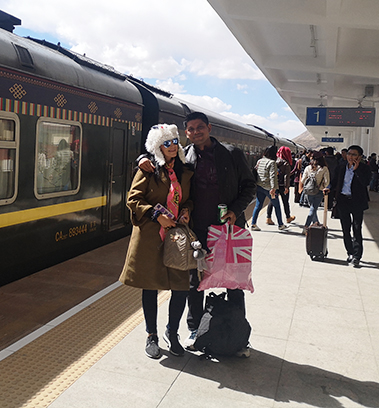
Tip 5: Choose the Tibet Train Over Flights for Huge Savings
Tip 6: Fly to the Closest Gateway Cities to Tibet to Reduce the Travel Cost
Tip 7: Pack Like a Pro: The Ultimate Tibet Budget Checklist
Tip 8: Stay in Budget-friendly 3-star Hotels, Local Guesthouses, or Hostels
Tip 9: Dine in Local-visited Restaurants for Authentic Value
Tip 10: Shop Smart in Local Markets and Avoid Overpriced Souvenirs
2026/2027 Budget Tibet Travel FAQs: Expert Answers to Your Top Concerns
Conclusion: Making Your Dream Tibet Trip Affordable in 2026/2027
Tip 1: Join a Small Group Tour - The #1 Cost-Saver
If you’re looking for the most effective way to lower your Tibet travel costs, joining a small group tour is your best choice. Independent travel isn’t allowed in Tibet, so all international visitors must go with an organized tour.
The good news is that a small group tour gives you professional service and expert guidance - without the high price of a private trip.
Why Small Group Tours are Better than a Private Tour?
In Tibet, the biggest expenses are usually the tourist vehicle, driver, fuel, and licensed tour guide. When you join a small group, these costs are shared among everyone in the group, making the trip much more affordable and budget-friendly.
| Comparison Factor | Small Group Tour | Private Tour |
|---|---|---|
| Cost Sharing | Share vehicle, fuel, and guide costs, saving up to 50%. | You pay all costs for vehicle, driver, and guide. |
| Single Supplement | Can be avoided by sharing a room with another traveler. | Required if traveling solo, as there’s no one to share costs with. |
| Social Experience | Meet fellow travelers from around the world. | Only your private group, fewer social opportunities. |
| Group Size | Limited to 12 people for comfort and personalized attention. | Exclusive to your party, but at a higher price. |
Join a Small Group Tour & Save!
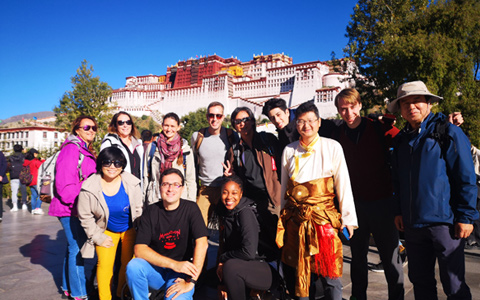
Why cover the full cost of transport and a guide on your own? Hop on one of our 2026/2027 small group tours to share expenses, make new friends, and enjoy Tibet together. See our departure dates now! See Our Small Group Tour Departure Dates Now!
What You Can Expect from Our Budget Tibet Small Group Tours?
Booking “budget” with Tibettour.org doesn’t mean cutting corners. Our small group tours give you a premium Tibet experience at a fraction of the cost:
- Small, Intimate Groups: We limit each group to 12 travelers so you get personal attention and a relaxed pace.
- Well-Planned Routes: From the 8-day Lhasa to EBC tour to the 15-day Mount Kailash journey, there’s a small group tour to fit your dream itinerary.
- Fixed Departure Dates: Every tour is guaranteed to depart, even with just one guest. You can plan your trip confidently and secure the best rates.
- All-Inclusive Packages: Your tour covers the Tibet Travel Permit, comfortable hotels, and expert Tibetan guides, making your trip smooth and hassle-free.
With our Small Group Tours, you enjoy a safe, social, and expertly managed adventure through the heart of the Himalayas while keeping costs low.
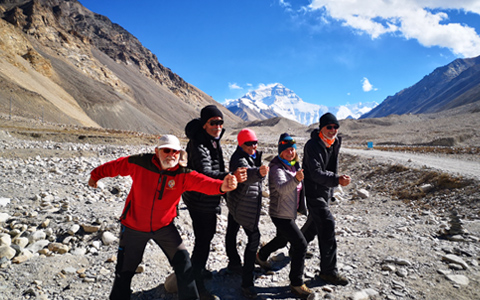
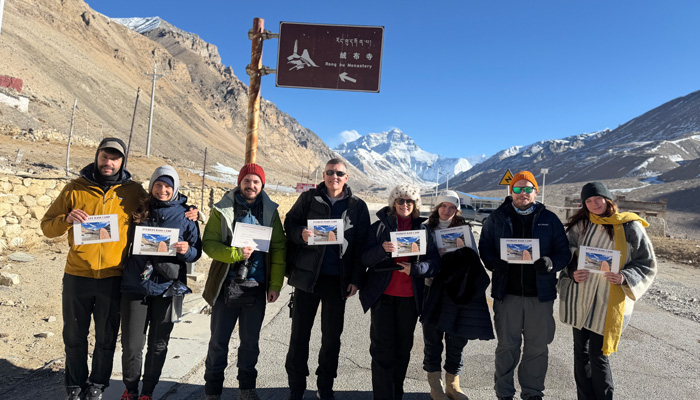 Experience breathtaking Mt. Everest views on our Lhasa to Tibet Everest Base Camp small group tour.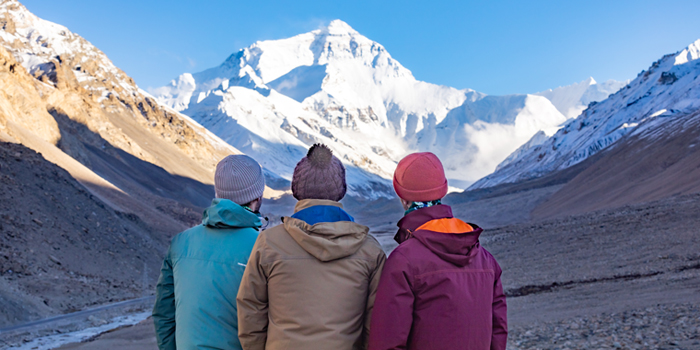

Join our most popular Lhasa and EBC tour for a smooth experience!
Tip 2: Plan Your Visit During the "True" Off-Season (Nov to March)
Timing makes a big difference when planning a Tibet adventure. While Tibet is beautiful year-round, visiting during the winter months from November to March can save you a lot without compromising the experience. The cold is often milder than you might expect, making it a hidden gem for budget-conscious travelers.
Why Winter Trips Are Great for Budget Travelers?
Traveling between November and March on a Tibet Winter Tour lets you enjoy discounts on almost every part of your trip:
- Half-Price or Free Entry: Major sites like the Potala Palace often offer reduced or free tickets during the winter, saving you money on sightseeing.
- Lower Hotel Rates: Hotels drop prices in winter, letting you enjoy comfort for much less than in summer.
- Cheaper Flights: Airlines offer discounts on flights to Lhasa to fill seats during quieter months.
- A More Authentic Experience: Fewer tourists mean a peaceful, culturally rich experience, with local pilgrims adding to the charm.
If You Can’t Travel in Winter
If your schedule doesn't allow for a winter trip, you can still keep costs down by being strategic about your dates:
- Shoulder Season Advantage: Travel from April to early June or late October. The weather is pleasant and prices are lower than peak season.
- Avoid Major Holidays: Skip the first week of October (Golden Week) and May Day. Prices surge, and attractions get crowded.
- Skip Summer Vacation: July and August are busy with school holidays. Avoiding these months means better deals on hotels, flights, and tours.
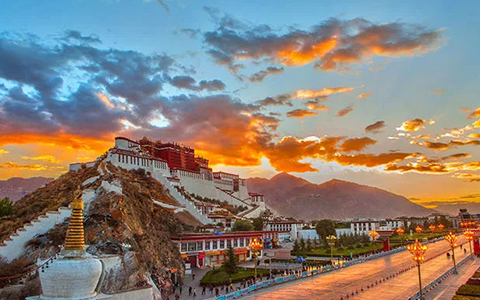
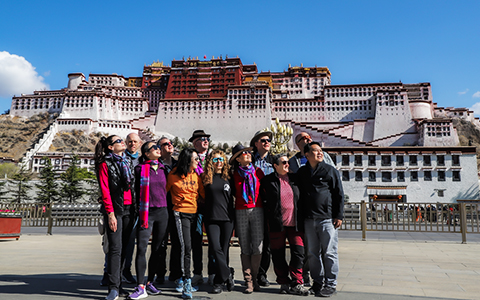
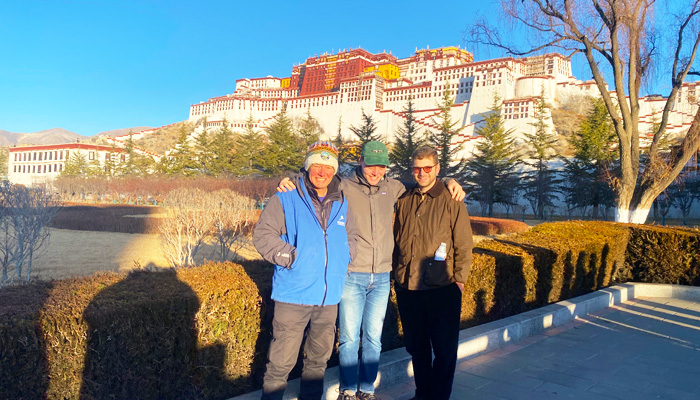 Enjoy a peaceful visit to the iconic Potala Palace in Lhasa during winter, with lower travel costs.
Tip 3: Choose a Trustworthy Local Travel Agency to Avoid Hidden Fees
Choosing the right travel partner is essential for a budget-friendly Tibet trip. With so many tour operators available, working with a licensed local agency ensures a smooth, transparent, and worry-free experience.
Why Choosing a Trustworthy Local Travel Agency Matters?
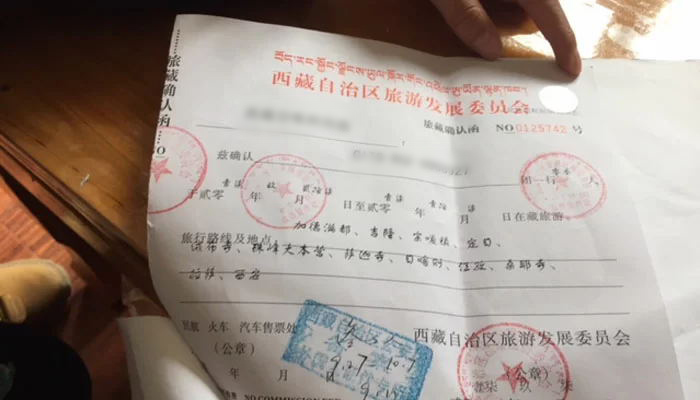
All international visitors to Tibet must book through a licensed agency to arrange tours and Tibet Travel Permits. This is not just a recommendation - it’s a requirement. A reliable agency guarantees your permits, handles logistics professionally, and protects you from hidden costs.
At TibetTour.org, we employ all our guides, drivers, and staff directly. Unlike agencies that outsource your trip, we maintain full control over every detail, eliminating miscommunication and surprise fees.
Common Hidden Fees to Watch Out For
Some low-cost operators use hidden charges that can ruin your budget:
- Permit Fee Traps: While the Tibet Travel Permit is officially free, some agencies tack on high “service” or “processing” fees.
- Mandatory Shopping Stops: Some tours force stops at tourist shops where guides earn commissions, wasting your time and pressuring you to spend.
- Extra Surcharges: Watch for unexpected fees for fuel, oxygen, or weekend supplements that weren’t mentioned upfront.
How TibetTour.org Maximizes Your Savings?
Our approach is simple: full transparency, no hidden fees, and authentic local guidance:
- Tibet Travel Permit for Free: We handle the application and provide your permit at no extra charge.
- Small Group Cost-Sharing: Our tours split vehicle, guide, and oxygen costs among travelers, lowering your individual price.
- No Middlemen: Because you are booking directly with a local Tibet-based operator, you don't pay any third-party booking commissions.
- Local Tibetan Guides: Our experienced local guides show you authentic spots, avoid tourist traps, and help you experience real Tibetan culture.
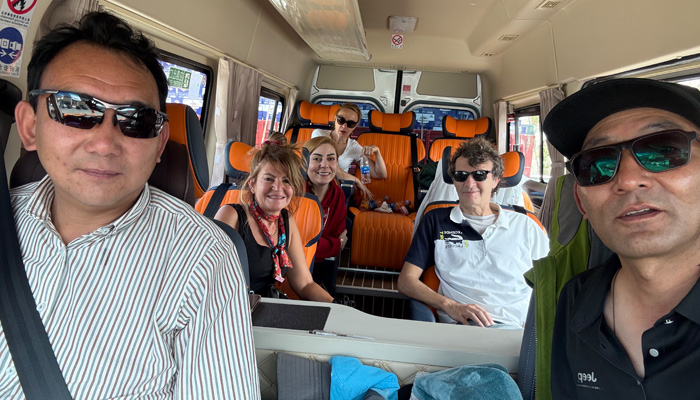 Travel confidently with our licensed local Tibetan guides and drivers, included in all tours.
Tip 4: Book Early to Secure "Early Bird" Discounts
Tibet rewards travelers who plan ahead. While last-minute trips might work for city breaks or beaches, a Tibet adventure is different.
Booking your 2026/2027 Tibet tour early isn’t just about peace of mind — it’s a smart strategy to save money and guarantee access to the sights you’ve dreamed of.
Lock in 2026/2027 Tibet Tour Rates and Save
Travel prices often rise at the start of the year. By booking early, you can lock in current rates and avoid potential price hikes in 2026/2027.
We also offer a 5% Early Bird Discount for small group tours booked at least three months in advance. For example, our popular 8-day Everest Base Camp Small Group Tour starts from $949 per person. Early booking saves you nearly $50 instantly per traveler.
Ensure Tickets and Permits for Your Preferred Dates
Most major attractions in Tibet have strict visitor limits and reservation systems, especially during peak season (May to October). Early booking ensures you secure access to key sites and travel arrangements:
- Potala Palace: Tickets must be reserved at least 10 days in advance. Early planning guarantees you don’t miss this iconic landmark.
- Tibet Train (Soft Sleeper): These highly sought-after tickets often sell out within seconds. Booking early gives us the time needed to secure your berths for your specific travel dates.
- Permit Processing: Early booking allows 20–30 days for Tibet Travel Permit processing and any additional permits for restricted areas like Mount Kailash.
Why Last-Minute Doesn’t Work in Tibet
Unlike other destinations, Tibet requires permits that take 8–10 working days plus shipping. Booking less than two weeks in advance risks missing the permit window.
Waiting for last-minute deals often means paying full-price flights or losing out on budget-friendly train tickets.
Don’t Miss Out — Secure Your Spot Today
With strict visitor limits at the Potala Palace and high demand for Soft Sleeper train tickets, our group tours fill quickly.
Book at least three months ahead to claim your 5% Early Bird Discount and secure your spot. Check our 2026/2027 guaranteed departure dates and plan your Tibet adventure with confidence.
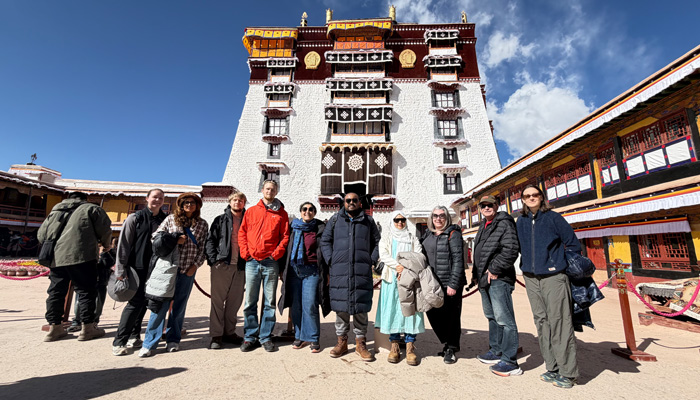 Secure your Potala Palace tickets in advance to visit the White Palace without missing out.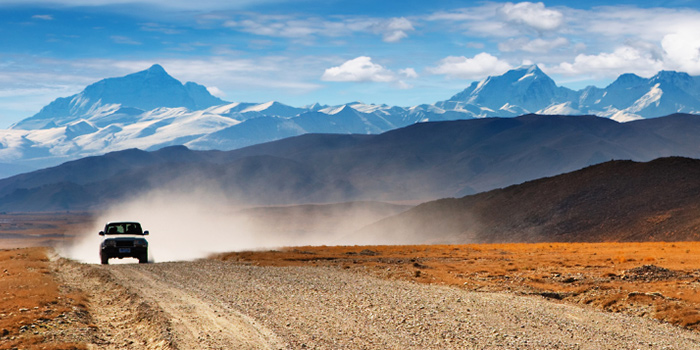
Explore the Lhasa to Kathmandu Overland tour with a local guide!
Tip 5: Choose the Tibet Train Over Flights for Huge Savings
When it comes to reaching Tibet, your transport choice makes the biggest difference to your budget. Flying to Lhasa is fastest, but the Tibet Train is a more affordable and budget-friendly way to start your adventure.
Cost Comparison: Getting to Tibet by Train vs. Flight
If you want to save money, the train is your best friend. While flights are faster, the Tibet Train offers a more stable and cost-effective way to reach the plateau in 2026/2027:
| Comparison Factor | Tibet Train (Lhasa Express) | Domestic Flight to Lhasa |
|---|---|---|
| Price Stability | Fixed year-round fares, no seasonal spikes. | Prices rise during summer and holidays. |
| Typical Cost | $70 – $100 for a Hard Sleeper from Xining or Chengdu. | $200–$500 one-way in peak months. |
| Best Value | A Soft Sleeper is often half the price of a peak-season flight. | Only a good deal in winter off-season. |
| Health & View | Better acclimatization and world-class views of the "Sky Road". | Fast arrival but no time for altitude adjustment or scenic views. |
Expert Tip: In the winter off-season, you might spot flight deals that come close to train prices. But from May to October, the Tibet Train is usually the most reliable and budget-friendly way to get to Tibet.
Choosing the Right Tibet Train Ticket for Your Budget
The Tibet Train offers three types of travel, allowing you to choose the level of comfort that fits your wallet:
- Hard Sleeper (The Best Value): This is the top choice for budget travelers. It has open compartments with six beds (three on each side). The beds are padded and comfortable, and it’s a great way to meet fellow travelers.
- Soft Sleeper (The Premium Choice): These are private cabins with four berths and a lockable door. It offers more space, more privacy, and a quieter environment.
- Hard Seat: While the cheapest option, we do not recommend this for the long-haul journey to Lhasa (which can take 20–50 hours). It is best saved for short trips like Lhasa to Shigatse.
Beyond Savings: Stunning Views and Health Benefits
The Tibet train journey is more than just a ride; it’s a highlight of the adventure.
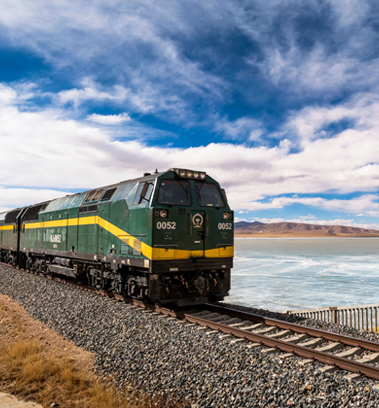
- World-Class Landscapes: The Qinghai-Tibet Railway (the "Sky Road") offers views you simply cannot see from a plane. You’ll glide past the Kekexili Nature Reserve (home to Tibetan antelopes), the mirrors of Tsonag Lake, and the 5,072-meter Tanggula Pass.
- Easier Altitude Acclimatization: The train is pressurized and filled with extra oxygen, but the gradual climb helps your body adjust to the high altitude more naturally than flying directly onto the plateau.
- On-board Dining: You can enjoy hot, affordable Tibetan and Chinese meals in the dining car while watching outstanding scenery roll by.
Our Exclusive Guarantee: Soft Sleeper Train Ticket
Soft Sleeper tickets are always in high demand, with only 64 beds per train. When you book your Tibet tour with us, we guarantee your Soft Sleeper berth.
Thanks to our local connections and years of experience with the railway, you won’t need to stay up late fighting for tickets online. We take care of everything so you can arrive in Lhasa relaxed and ready to enjoy your adventure.
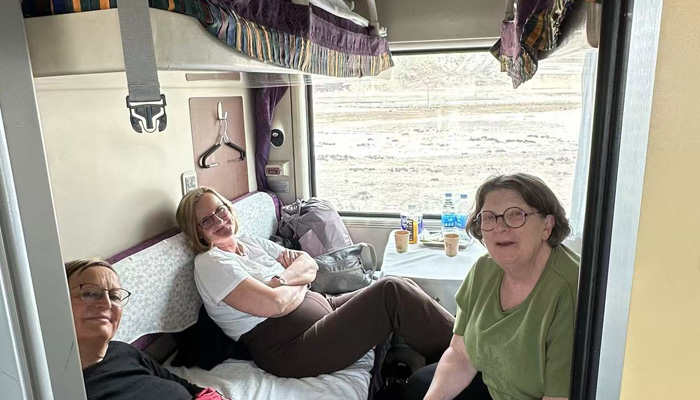 Enjoy a comfortable journey on the Tibet Train soft sleeper to Lhasa, arranged by TibetTour.org.
Tip 6: Fly to the Closest Gateway Cities to Tibet to Reduce the Travel Cost
Getting to Tibet doesn’t have to break the bank. Since there are very few direct international flights to Lhasa, most travelers stop first in a “gateway city”. Choosing the right one can save you hundreds of dollars and even turn part of your journey into an adventure.
What are the Most Budget-Friendly Gateway Cities to Tibet?
To keep costs low, pick a city with plenty of flights and easy connections to Lhasa:
- Xining - Cheapest Entry: Xining is the official start of the famous Tibet Train. While it has fewer international flights, it’s easy to reach from major Chinese cities like Beijing or Shanghai. From Xining, the train to Lhasa is short and cheap (around $70 for a sleeper berth). It’s the perfect plane-to-train switch for budget travelers.
- Chengdu & Xi’an - Major Hubs: These cities have the most daily flights to Lhasa. With so many options, it’s easy to score early-bird deals. Chengdu is the most popular gateway with many international connections, while Xi’an offers frequent, low-cost domestic flights.
- Kathmandu - Himalayan Shortcut: Kathmandu is the only city outside China with year-round direct flights to Lhasa. Flights can be pricey, but overland travel from Kathmandu turns your journey into an unforgettable road trip through the Himalayas.
Kathmandu vs. Mainland China: Which Route Saves More?
The "best" route depends heavily on where you are coming from:
- For European Travelers: Flying to Kathmandu is often cheaper and more direct. Overland travel from Kathmandu to Lhasa also lets you enjoy stunning Himalayan scenery while keeping costs down.
- For US & Western Hemisphere Travelers: Entering through Mainland China is usually better. Cities like Chengdu, Xi’an, and Xining have many flight and train options. You can often find domestic flights to Lhasa for $120–$200 during the quieter months.
- A Simple Price Tip: Flights from Kathmandu to Lhasa are run by only one airline, so prices stay high (usually $250–$400). Within China, there are many more flights, which helps keep prices much lower.
Our Advice: For the lowest price, fly to Xining and take the train. For the best balance of time and money, fly to Chengdu or Xi’an and grab an early-bird domestic flight deal.
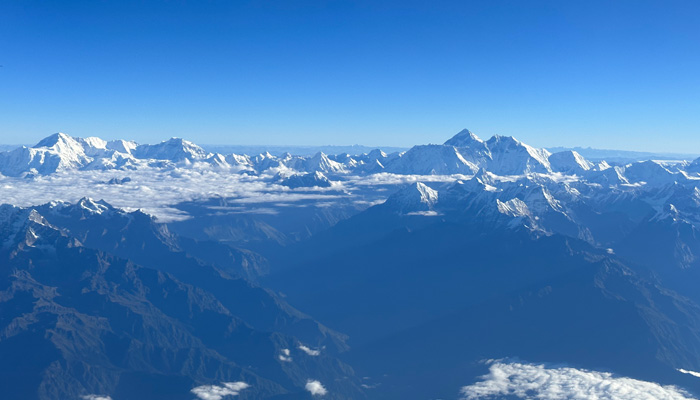 Marvel at the Himalayan scenery on your flight from Kathmandu to Lhasa.
Tip 7: Pack Like a Pro: The Ultimate Tibet Budget Checklist
Smart packing is one of the easiest ways to save money in Tibet. Prices for basic goods can be high on the Tibetan Plateau because of transport costs. Bring the right items from home, and you can avoid these “High-Altitude Markups.”
Essential Items to Bring From Home
To protect your wallet, make sure these items are in your suitcase before you leave:
- Layered Clothing: Temperatures in Tibet can swing wildly between day and night. Bring a warm fleece, windproof jacket, and thermal underwear instead of buying expensive gear in Lhasa.
- Sun Protection: At high altitudes, the sun is incredibly strong. Sunscreen, lip balm with SPF, and high-quality sunglasses are much cheaper at your local store than in tourist areas in Tibet.
- Basic Toiletries: While hotels provide the basics, specialized items like high-moisture lotion or nasal spray (to combat the dry air) are harder to find and more expensive locally.
- Electronics: Extra power banks, memory cards, and charging cables should be bought in advance. Airport and hotel gift shops often charge double for these essentials.
- Personal Medication: Pack a small travel pharmacy with cold medicine, painkillers, and enough of your prescriptions for the entire trip. Some medicines are unavailable in Tibet, and local pharmacies won’t accept foreign prescriptions.
Don’t Buy Oxygen — We Provide It for Free
Many travelers spend a lot on portable oxygen, but you can save! All of our tour vehicles provide free oxygen bottles, and our guides are trained to monitor your health and will make sure you have the oxygen you need to stay comfortable.
If you want a personal bottle, they’re available cheaply in Lhasa. Do not bring oxygen from home — airlines prohibit it for safety reasons.
Save More with Our Gear Rental Services
If you are planning a trek to Mount Kailash or Mount Everest, you might be worried about the cost of professional hiking gear. High-quality sleeping bags and tents can be expensive to buy and heavy to carry.
To help you save, we offer low-cost rental services for trekking gear, including:
- Warm sleeping bags and camping mats.
- Professional tents.
- Trekking poles.
By renting instead of buying, you save money on gear and avoid paying extra baggage fees on your flights!
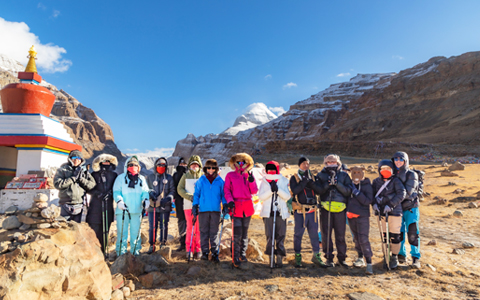
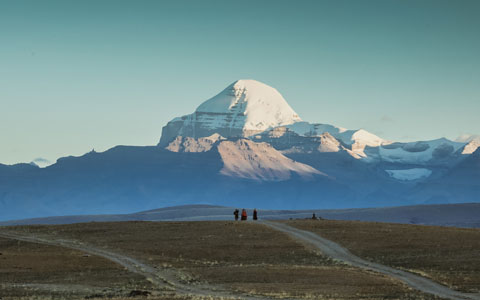
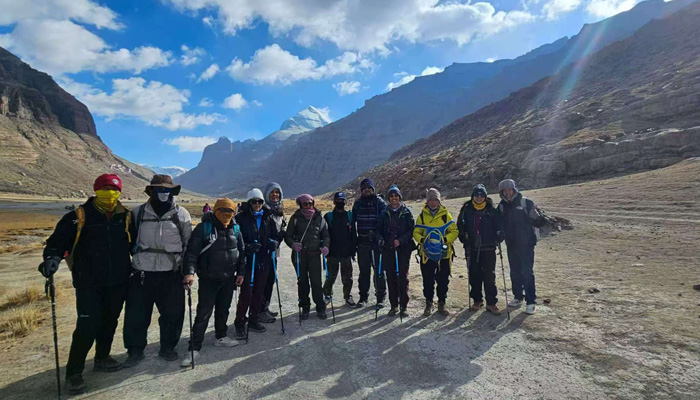 Prepare your hiking gear and join our 3-day Mount Kailash trekking tour from Lhasa.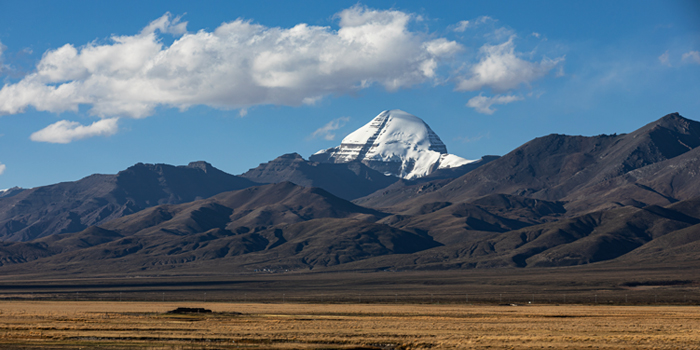
Embark on our Lhasa to Mount Kailash trekking adventure!
Tip 8: Stay in Budget-friendly 3-star Hotels, Local Guesthouses, or Hostels
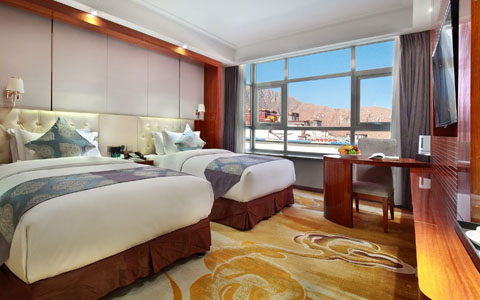
Accommodation is one of the most flexible parts of your travel budget. While hotels in Tibet are generally more expensive than those in mainland China, you still have great options. Instead of luxury 5-star hotels, choosing 3-star hotels or local guesthouses can save you a fortune without sacrificing comfort or safety.
Top Budget Hotels in Lhasa and Shigatse
In major cities like Lhasa and Shigatse, you can save money by choosing 3-star hotels, guesthouses, or hostels.
- 3-Star Hotels (Best Balance): In Lhasa, hotels like the Thangka Hotel or Xinding Hotel offer clean, comfortable rooms with Tibetan decor. They cost much less than international brands and are usually in the city center, which saves you money on taxis.
- Tibetan-style Boutique Hostels: For solo travelers or those who want to meet others, local hostels offer dorm beds or simple private rooms. These are low-cost but usually high-quality, with heating, running water, and hot showers.
- Shigatse Options: As Tibet’s second-largest city, Shigatse has several high-quality 3-star hotels like the Shiga Yangcha Grand Hotel and Gesar Hotel. They offer great service and Western-style breakfasts at budget rates.
Hotels in Remote Areas: EBC and Mount Kailash
In remote areas like Everest Base Camp (EBC) or Mount Kailash, luxury hotels disappear, and local guesthouses become the standard:
- Everest Base Camp (EBC): Most travelers stay in Tent Hotels run by local families. Made of yak hair, they’re warm and cozy and closest to the mountain. For more facilities and incredible views, the Rongbuk Monastery Guesthouse is a slightly pricier option.
- Mount Kailash Kora: During the trek, you’ll stay in monastery guesthouses. Basic dorms, often without running water, provide safe and warm shelter at very low cost.
- Pro Tip: In these remote areas, focus on clean and warm rather than fancy. Bringing a lightweight sleeping bag liner makes budget beds much more comfortable.
By combining 3-star hotels in the cities with guesthouses in the mountains, you can save enough to extend your trip, enjoy more activities, or upgrade your meals.
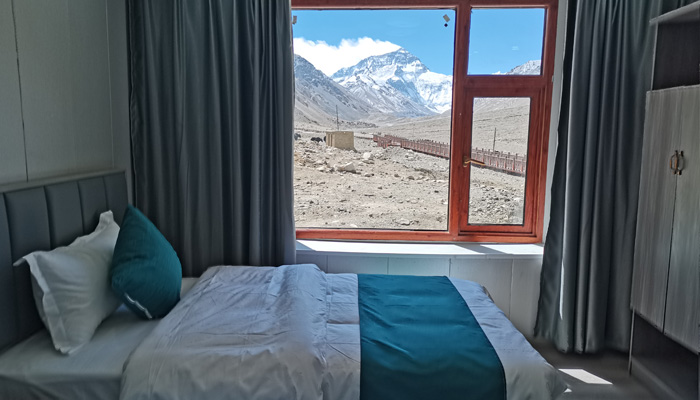 Stay in a Rongbuk Monastery Guesthouse with stunning Mt. Everest views.
Tip 9: Dine in Local-visited Restaurants for Authentic Value
Food is one of the highlights of traveling in Tibet, but eating every meal at luxury hotels or tourist-only spots can quickly drain your budget. To save money and eat like a local, follow these tips:
Eat in Traditional Tibetan Tea Houses
The secret to budget dining in Tibet is the Tea House. These are the heart of local life and offer the best value.
- What to Order: For just a few dollars (about 15-30 RMB), you can get a bowl of Tibetan Noodles (Thekpa) and a few pieces of Momo (dumplings).
- Tibetan Sweet Tea: A cup of sweet milk tea usually costs less than 15 cents (around 1 RMB). It’s the perfect place to sit, relax, and soak in the atmosphere without a "tourist" price tag.
Look for Smaller Local Restaurants
Lhasa and Shigatse are filled with small, family-run restaurants. You can easily spot them because they are usually full of local residents rather than large tour groups.
- Avoid Tourist Traps: Restaurants with large English signs and "Westernized" menus in the main tourist plazas often charge double or triple the price for the same food.
- Try Local Staples: Dishes like Tsampa (barley flour) and Yak Butter Tea are cheap, filling, and give you the energy you need for the high altitude.
Share Your Meals to Save More
If you are traveling in one of our Small Group Tours, eating together is a great way to save. Many Chinese and Tibetan dishes are served family-style. By sharing several dishes with your group, you get to try more variety for a much lower cost per person.
Expert Tip: Your guide is a treasure when it comes to food. They know hidden gems tucked away from the main streets that serve authentic meals at local prices.
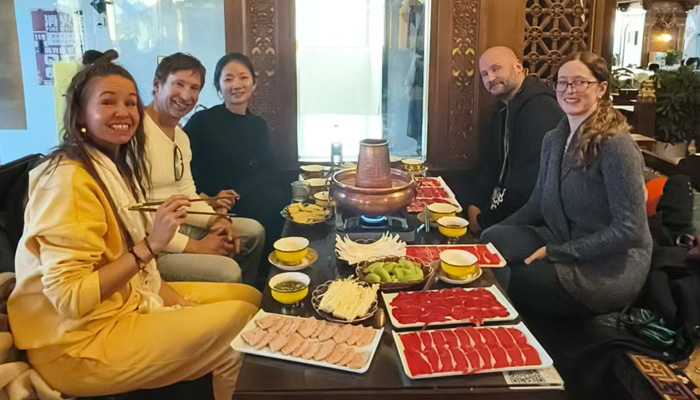 Savor traditional Tibetan dishes in local restaurants while traveling with our small group tours.
Tip 10: Shop Smart in Local Markets and Avoid Overpriced Souvenirs
Bringing home a piece of Tibet is a wonderful way to remember your trip, but Tibetan souvenir shopping can be a "budget trap." Many shops in high-traffic tourist areas sell mass-produced items at premium prices. Here is how to shop smart and find authentic value.
Shop Where the Locals Shop
Step away from the main plazas and head to local markets like the back alleys of Barkhor Street or the Lhasa Local Market:
- Avoid Luxury Boutiques: Fancy shops with English-speaking staff often charge five to ten times more for prayer beads, scarves, or other common souvenirs.
- Support Local Artisans: Look for small workshops where you can see items being made. Hand-woven rugs, hand-painted Thangkas, or hand-hammered copper bowls are worth buying because they are authentic and support the community.
Master the Art of Bargaining
In local markets, bargaining is a normal and expected part of the culture. It is not rude; it is a conversation!
- Start Low: Begin at about 50% of the asking price, then meet in the middle.
- Be Polite and Patient: Keep a smile. If the price isn’t right, thank the seller and walk away. Often, this is when you’ll get the best offer.
- Bulk Discounts: If you are buying gifts for several friends, ask for a "wholesale" price. You can save a lot by buying five or ten of the same item (like prayer wheels or bracelets) at once.
Identify Authentic vs. Mass-Produced
It can be hard to tell the difference between a real craft and a factory-made one.
- Look for Imperfections: Authentic handmade items like hand-carved wooden bowls or hand-sewn clothing usually have small, unique imperfections. If every item on the shelf looks exactly the same, it was likely made in a factory.
- Check the Material: Real Tibetan incense should smell like natural herbs and wood, not chemicals. Real wool or silk will feel different than synthetic polyester.
- Ask Your Guide: Your guide knows the difference between a souvenir made in a factory elsewhere and a true piece of Tibetan heritage. They can help you find shops that support local communities.
The Bottom Line: Don’t feel pressured to buy on your first day. Take your time to compare prices, practice your bargaining skills, and focus on items that have a real story behind them.
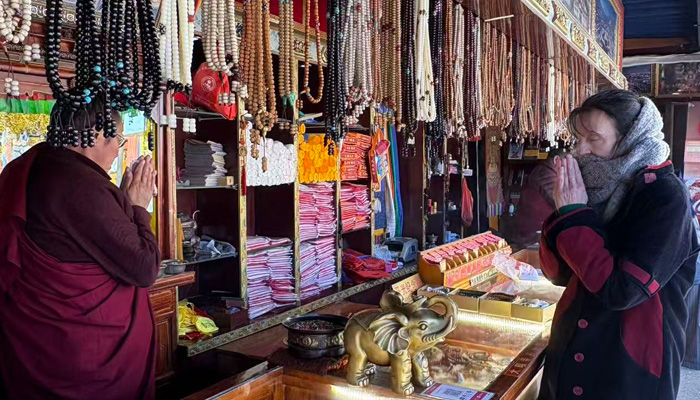 Find authentic Tibetan souvenirs at local markets in Lhasa while supporting local artisans.
2026/2027 Budget Tibet Travel FAQs: Expert Answers to Your Top Concerns
To help you plan the perfect trip, we’ve answered the most common questions travelers have about visiting Tibet on a budget in 2026/2027.
1. Can I travel to Tibet independently?
No. International travelers must book an organized tour with a registered agency, which includes a guide and a Tibet Travel Permit. The good news is that you can save money by joining a Small Group Tour and sharing costs with other travelers.
2. Is it expensive to visit Tibet compared to Nepal?
Yes, Tibet tends to be pricier because it’s a high-altitude plateau with complex logistics. That said, roads and hotels in Tibet are often more modern and reliable.
3. How much does a budget Tibet tour cost per day?
A Small Group Tour costs about $120–$150 per day. This covers your permit, guide, local transport, and hotels. Budget an extra $20–$30 for meals and personal spending.
4. Are there any hidden costs for the Tibet Travel Permit?
No. At TibetTour.org, we provide the permit for free as part of your tour. Avoid agencies that charge extra "service fees" for this document.
5. How does the 2026/2027 Chinese Visa-free Policy help me save?
Many travelers from countries like the UK, Canada, Australia, and many European nations can now enter China visa-free in 2026/2027. This saves you the $100–$200 visa fee and the time spent on paperwork and embassy visits.
6. What is a "Single Supplement" and how can I avoid it?
It is an extra fee for solo travelers to have their own room. You can avoid this by choosing our "Twin-Share" option, where we match you with a roommate of the same gender.
7. Is there an extra charge for oxygen supply on the tour?
Not with us! All our tour vehicles provide free oxygen bottles, keeping you safe and comfortable without additional costs.
8. Which gateway city has the cheapest flights to Lhasa in 2026/2027?
Chengdu and Xi’an offer the most frequent and affordable flights. For the absolute lowest price, fly to Xining and hop on the Tibet Train.
9. Is it difficult to get a soft sleeper train ticket to Lhasa in 2026/2027?
Yes, Soft Sleeper tickets sell out fast in peak season. But when you book with us, we guarantee your Soft Sleeper ticket, so you won’t need to stress over “ticket grabbing” or changing your travel dates.
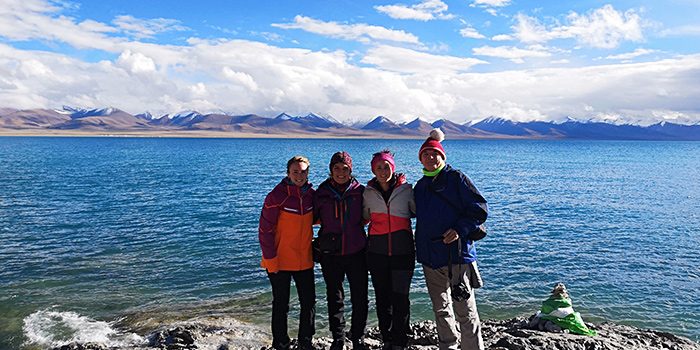
Discover the Lhasa, EBC, and Namtso highlights in one tour!
Conclusion: Making Your Dream Tibet Trip Affordable in 2026/2027
Visiting Tibet in 2026/2027 has never been easier or more budget-friendly. While Tibet does have unique rules and logistics, with a little smart planning, you can explore its spiritual landscapes without paying luxury prices.
Here’s a quick look at the key ways to save:
- Leverage New Policies: Take advantage of China’s expanded visa-free entry to save on fees and paperwork.
- Share the Experience: Join a Small Group Tour to split costs of guides, vehicles, and permits — this is the single biggest way to save.
- Time Your Visit: Travel during the Shoulder Season (April–June or October–November) for lower prices and beautiful weather.
- Go Local: Eat in traditional tea houses, stay in 3-star Tibetan boutique hotels, and shop in local markets where bargaining is part of the fun.
- Smart Transport: Fly to gateway cities like Xining or Chengdu, or take the scenic Tibet Train to save on airfare.
At TibetTour.org, we make your trip smooth and worry-free. From Tibet Travel Permit and oxygen bottle to guaranteed Soft Sleeper train tickets, we take care of all the details so you can focus on enjoying every moment of your adventure.
Ready to start your journey? Contact us today and let us help turn your dream Tibet adventure into reality!


Ask a Quick Question