listicon

Founded & Operated by Four Tibetan Brothers

Show You the Real Tibet
& Get Closer to Local Life

  • leadr1
  • leadr2
  • leadr3
  • Little Gongga
tibet-tour-discounts
Get Tour Quote
Contact us via our wechat
86-28-81754631
theme

Your Tibet, Your Way
Private journeys designed around your interests, dates, and pace.

Flexible travel dates

Local Tibetan guides

Fully customizable itinerary

Plan My Tibet Journey

7 Days Tibetan Buddhism Journey: Monastic Life, Pilgrimage & Meditation
TIBETAN CULTURE DISCOVERY

7 Days Tibetan Buddhism Journey: Monastic Life, Pilgrimage & Meditation

  • icon

    Tour Duration

    7 Days / 6 Nights

  • icon

    Travel Style

    Private Cultural Journey

  • icon

    Best For

    Buddhism Enthusiasts

  • icon

    Destinations

    Lhasa · Ganden · Samye · Chim-puk

  • icon

    Best Time

    All Year Round

  • icon

    Experience Level

    Easy to Moderate

Overview & Highlights of This Journey

Go beyond monastery visits to understand how Tibetan Buddhism is studied, debated, practiced, and woven into everyday life.

On this 7-day private Buddhist cultural journey, you’ll explore Tibetan Buddhism through monastic education, pilgrimage, history, meditation, and retreat, rather than simply moving from one famous monastery to another.

After your arrival and acclimatization in Lhasa, you’ll visit Drepung and Sera Monasteries, the Potala Palace, Jokhang Temple, and Barkhor. Your local Tibetan guide will help you understand how monks study and debate Buddhist philosophy, how pilgrims practice kora and worship at Jokhang, and how Buddhism has shaped both Tibetan history and daily life.

We then take you beyond Lhasa to Ganden, Samye, and Chim-puk Hermitage. At Ganden, you’ll learn about the Gelug tradition and walk the sacred kora around the monastery. At Samye, traditionally regarded as Tibet’s first Buddhist monastery, you’ll trace the early establishment of monastic Buddhism. At Chim-puk, you’ll enter a quieter mountain landscape of meditation caves and retreat sites associated with generations of Buddhist practitioners.

Throughout the journey, we connect these places into a clear cultural story, while your guide explains how monastic learning, pilgrimage, lineage, meditation, and retreat relate to one another within Tibetan Buddhist tradition.

This journey is especially suited to Buddhism enthusiasts and culturally curious travelers who want to understand not only the places themselves, but how Tibetan Buddhism developed, how it is practiced in different settings, and why these traditions continue to matter today.

Free Enquire Now

  • Potala Palace in Lhasa, Tibet

    Highlight 1 of this Trip: Explore the Potala Palace with Deeper Insight

  • Sera Monastery in Lhasa

    Highlight 2 of this Trip: Decode the Sera Monastery Debate

  • Visit Drepung Monastery

    Highlight 3 of this Trip: Step Inside Tibetan Monastic Education at Drepung

  • Turning prayer wheels

    Highlight 4 of this Trip: Walk the Barkhor and Ganden Kora with Greater Understanding

  • Explore Samye Monastery

    Highlight 5 of this Trip: Trace the Roots of Tibetan Buddhism at Samye

  • Chim-puk Hermitage in Shannan

    Highlight 6 of this Trip: Experience Meditation Traditions at Chim-puk Hermitage

imageimage imageimageimage

Itinerary Overview

map
DayRouteAttractions & ActivitiesOvernightMeals
1 Arrival in Lhasa (3,650m) Pickup, hotel transfer, acclimatization Lhasa /
2 Lhasa Sightseeing Potala Palace, Nanshan Park, Zongjiao Lukang Park Lhasa B,D
3 Lhasa Pilgrimage Experience Jokhang Temple, Barkhor Kora, Tibetan tea house Lhasa B
4 Lhasa Monastic Life Drepung Monastery, Sera Monastery, monk debates Lhasa B
5 Lhasa - Ganden - Lhasa Ganden Monastery, Ganden Kora Lhasa B
6 Lhasa - Samye Samye Monastery, Chim-puk Hermitage Samye Monastery Guesthouse B
7 Samye - Lhasa / Departure Return to Lhasa, departure transfer / B

Detailed Itinerary

icon Download PDF Brochure
Brochure successfully sent!

We've sent the '7 Days Tibetan Buddhism Journey: Monastic Life, Pilgrimage & Meditation' brochure to . Check your inbox, and if you don’t see it, kindly check your spam/junk folder.

You might also like these adventures

01DAY

Arrive in Lhasa: Enter the Spiritual World of Tibet

Arrival · Acclimatization · Journey Introduction

Welcome to Tibet! Upon arrival, your friendly Tibetan guide will meet you at the airport or train station and welcome you with a traditional white Hada scarf, wishing you good luck and a safe journey.

You will then be transferred to your hotel in downtown Lhasa by private vehicle. Along the way, relax and enjoy your first views of the highland landscape, river valleys, and Tibetan villages.

After check-in, take the rest of the day to rest and acclimatize to Lhasa’s altitude. Your guide will also briefly introduce the journey ahead, including basic monastery etiquette, pilgrimage customs, and several key ideas that will help you better understand the Buddhist traditions you will encounter over the coming days.

If you feel comfortable later in the day, your guide can accompany you on a gentle walk around the nearby area.

accommdationOvernight: Lhasa
  • Arrive in Lhasa on the first day

    Arrive in Lhasa on the first day

  • Lhasa River scenery

    Lhasa River scenery

02DAY

Read the Potala Palace Beyond the Landmark

Private Perspectives · Buddhist History · Sacred Architecture

Today is dedicated to a deeper exploration of the Potala Palace, looking beyond its iconic image to understand the history, Buddhist symbolism, and sacred spaces behind it.

Begin the day at Nanshan Park, where you can enjoy a peaceful morning view of the Potala Palace and photograph its reflection in the lake. Your guide will introduce the palace’s overall layout before you continue across Potala Square to appreciate its impressive scale.

Next, walk slowly up to the Potala Palace and explore the historic Red and White Palaces. Inside, discover sacred chapels, stupas, murals, statues, and treasured collections while your guide explains how the palace’s architecture, Buddhist art, and religious history are connected.

After descending, take a relaxed walk through Zongjiao Lukang Park, where local residents gather to exercise, dance, and spend time together in the shadow of the palace.

In the evening, enjoy a welcome dinner at a comfortable restaurant while watching the Potala Palace glow against the twilight sky, bringing your full-day exploration to a memorable close.

accommdationOvernight: Lhasa
accommdationMeals: Breakfast | Dinner
  • The magnificent Potala Palace

    The magnificent Potala Palace

  • Zongjiao Lukang Park

    Zongjiao Lukang Park

03DAY

Follow the Pilgrimage Heart of Lhasa

Jokhang Temple · Barkhor Kora · Pilgrimage · Living Faith

Begin today at Jokhang Temple, one of the most sacred pilgrimage destinations in Tibetan Buddhism.

With your guide, learn why the temple holds such importance for Tibetan pilgrims and discover the significance of the Jowo Shakyamuni statue, butter lamps, offerings, prostrations, and other devotional practices you may observe.

Rather than simply moving through the temple, take time to notice how religious practice unfolds around you and how pilgrimage remains part of everyday life.

Outside, join the flow of pilgrims along the Barkhor kora, walking clockwise around Jokhang Temple. Your guide will explain the meaning behind circumambulation, prayer wheels, prayer beads, prostrations, and the different ways pilgrims express devotion.

Later, stop at a local Tibetan tea house, where your guide can help connect what you have seen in the temple with the role Buddhism continues to play in daily Tibetan life.

accommdationOvernight: Lhasa
accommdationMeals: Breakfast
  • Golden Roof of Jokhang Temple

    Golden Roof of Jokhang Temple

  • Sip Tibetan sweet tea in a local Tibetan teahouse in Lhasa

    Sip Tibetan sweet tea in a local Tibetan teahouse in Lhasa

04DAY

Step Inside Tibetan Monastic Education

Drepung Monastery · Monastic Study · Sera Debate · Buddhist Philosophy

Today focuses on how Tibetan monks traditionally study, question, and develop their understanding of Buddhism.

Begin at Drepung Monastery, once one of the largest monastic institutions in Tibet. Visit the Cogen Hall and continue to Loseling College, where your guide will introduce the structure of monastic education, daily routines, and the long process of Buddhist philosophical study.

As you move through the monastery, learn how different monastic colleges function and how study, memorization, discussion, and religious practice come together in a monk’s education.

In the afternoon, continue to Sera Monastery for a deeper experience of the famous monk debates.

Before the debate begins, your guide will introduce the basic format: the roles of the questioner and defender, the use of logic and reasoning, and the meaning behind the distinctive handclaps and gestures.

Then watch the debate with this background in mind. What might otherwise look like an energetic performance becomes easier to understand as a rigorous method of Buddhist learning.

Afterward, your guide can help decode some of the gestures and patterns you observed.

accommdationOvernight: Lhasa
accommdationMeals: Breakfast
  • Witness the lively monk debates at Sera Monastery

    Witness the lively monk debates at Sera Monastery

  • Drepung Monastery is the largest monastery in Tibet

    Drepung Monastery is the largest monastery in Tibet

05DAY

Walk Beyond the Monastery Walls at Ganden

Ganden Monastery · Gelug Tradition · Pilgrimage Kora · Sacred Landscape

Today, travel from Lhasa to Ganden Monastery, founded by Tsongkhapa in 1409 and traditionally regarded as one of the “Great Three” Gelug monasteries of Lhasa, together with Drepung and Sera.

Explore the monastery with your guide and learn about its important place in the development of the Gelug school of Tibetan Buddhism. You will also visit sacred areas associated with Tsongkhapa, including his memorial stupa and other important religious sites within the monastery.

Afterward, walk part of the Ganden kora (Lingkor) around the monastery. Along the route, you can see pilgrimage sites, meditation caves, religious statues, and prayer flags while enjoying wide views over the Lhasa Valley.

Your guide will explain how pilgrimage, sacred landscape, and Buddhist practice come together here, offering a different perspective beyond the monastery buildings themselves.

Return to Lhasa after the visit.

accommdationOvernight: Lhasa
accommdationMeals: Breakfast
  • Explore Ganden Monastery

    Explore Ganden Monastery

  • Hiking aroung Ganden Monastery to see beautiful Lhasa Valley

    Hiking aroung Ganden Monastery to see beautiful Lhasa Valley

06DAY

Trace Buddhism from Its Origins to Meditation

Samye Monastery · Buddhist Origins · Chim-puk Hermitage · Meditation Tradition

Travel into the Yarlung Valley today to explore the early development of Tibetan Buddhism.

Begin at Samye Monastery, traditionally regarded as the first Buddhist monastery in Tibet, founded in the 8th century. Its main temple combines Tibetan, Han Chinese, and Indian architectural influences, while the monastery complex follows a symbolic mandala-inspired layout. Your guide will explain the key figures and events behind the early spread of Buddhism in Tibet.

Continue to Chim-puk Hermitage, about 6–8 kilometers northeast of Samye Monastery at an altitude of around 4,300 meters. The area is traditionally said to contain 108 meditation caves, many associated with Guru Rinpoche and later Buddhist practitioners.

Here, the focus shifts from monastic study to meditation and retreat. Take a quiet walk through the hermitage surroundings and learn why secluded mountain settings have long been used for spiritual practice.

accommdationOvernight: Samye Monastery Guesthouse
accommdationMeals: Breakfast
  • Samye Monastery main entrance

    Samye Monastery main entrance

  • Chim-puk Hermitage Tibetan meditation retreat

    Chim-puk Hermitage Tibetan meditation retreat

07DAY

Return to Lhasa: Reflect on the Journey

Return · Journey Reflection · Departure

After breakfast, return toward Lhasa.

During the drive, your guide can help you reflect on the different layers of Tibetan Buddhism experienced over the past week—from the sacred history of the Potala and the devotion of Barkhor pilgrims to monastic education, debate, pilgrimage, and meditation.

Depending on your departure schedule, you will then be transferred to the airport or train station for your onward journey.

Your seven-day journey comes to an end with a deeper understanding of Tibetan Buddhism not only as a religion preserved in monasteries, but as a living tradition expressed through study, pilgrimage, debate, ritual, and contemplation.

accommdationMeals: Breakfast
  • Fly out of Lhasa

    Fly out of Lhasa

  • Depart from Lhasa Railway Station

    Depart from Lhasa Railway Station

map

Quick Inquiry

You can also contact us with our Wechat.

Meet Our Tibetan Guides

Behind every day of your journey is a local Tibetan guide who brings the route to life. Born and raised in Tibet, our guides combine decades of experience, fluent English, and deep local knowledge to help you connect with the stories, people, and traditions behind each place you visit.

  • temple

    Sonam Tenphel

    Senior Guide · 25+ Years

    Buddhism · Photography · Trekking

  • tashi

    Tashi Namgyal

    Senior Guide · 20+ Years

    Trekking · Overland · Culture

  • Keldor

    Keldor

    Senior Guide · 26+ Years

    Photography · Trekking · Meditation

  • Junior Kunga

    Junior Kunga

    Senior Guide · 20+ Years

    Culture · Buddhism · Everest

* Your final guide will be arranged based on your travel dates and guide availability.

What’s Included & Excluded

What’s Included:

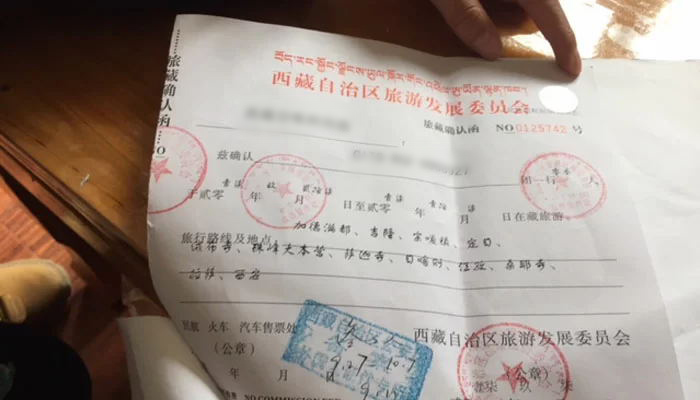
  • Tibet Travel Permit and required travel documents, including standard permit processing and delivery to your hotel in mainland China. Expedited processing fees, if required, are not included.
  • Private tourist vehicle with an experienced local driver, providing safe and comfortable transportation throughout the journey.
  • Accommodation based on your preferred hotel standard. Let us know your preferred accommodation category when submitting your inquiry, and we will recommend suitable hotels with good value and convenient locations.
  • Meals listed in the itinerary.
  • Experienced English-speaking local Tibetan guide throughout your journey.
  • Entrance fees for all attractions and scheduled cultural experiences listed in the itinerary.
  • Travel accident insurance during the tour.
  • Thoughtful travel extras, including a Tibetan souvenir, travel map, portable oxygen, medical oxygen in the vehicle, bottled mineral water, and other necessary travel support.

What’s Not Included:

  • Chinese visa fees. If you need assistance with your Chinese visa, please contact us for details.
  • International flights to and from China.
  • Domestic flights or trains to and from Lhasa. If you need help booking your Tibet train or flight tickets, please include your requirements in the inquiry form.
  • Meals not specified as included in the itinerary.
  • Tips for your guide and driver. Tipping is optional and based on your satisfaction with the service. As a reference, we recommend around USD 7 per traveler per day in total for the guide and driver.
  • Additional costs caused by circumstances beyond our control, such as natural disasters, traffic restrictions, visa delays, flight or train delays or cancellations, or loss of personal belongings.
  • Personal expenses and any services not specifically listed as included.

FAQs about This Journey

  • How Is This Buddhism Journey Different from a Standard Tibetan Monastery Tour?

    A standard monastery tour often focuses on visiting important temples and learning their basic history. This 7-day journey goes further by helping you understand how Tibetan Buddhism is studied, practiced, debated, followed through pilgrimage, and expressed through meditation and retreat.

    In Lhasa, you’ll explore the Potala Palace in greater depth, walk the Barkhor kora with pilgrims, and learn how monks study and debate at Drepung and Sera. The journey then continues to Ganden, Samye, and Chim-puk Hermitage, connecting monastic education with pilgrimage traditions, Buddhist history, and meditation practice.

    Rather than simply moving from one monastery to another, the itinerary is designed to help you see how different parts of Tibetan Buddhist life fit together, with your local Tibetan guide explaining the meaning behind what you see along the way.

  • Do I Need Any Knowledge of Buddhism Before Joining This Tour?

    No. Prior knowledge of Buddhism or philosophy is not needed to join this tour. This journey is designed to be easy to follow for travelers who are simply curious about Tibetan culture and Buddhist traditions.

    Your local Tibetan guide will introduce key ideas such as karma, lineage, Buddhist art, and monastic traditions in clear, simple language as you travel. You do not need to know Buddhist philosophy in advance or worry about remembering unfamiliar terms.

    Before experiences such as the monk debates at Sera Monastery or your visit to Samye Monastery, your guide will explain the background first, so you can better understand what you are seeing.

    The aim is not to give you a formal religious lesson, but to help you understand what you are seeing, why these traditions matter, and how Buddhism continues to shape Tibetan culture and daily life.

  • How Is the Potala Palace Experience Different on This Buddhism Journey?

    On this journey, your visit to the Potala Palace goes much deeper than a standard sightseeing visit.

    Your day begins at Nanshan Park and Potala Square, where your guide introduces the palace’s overall layout, history, and religious significance before you enter. Inside the Red and White Palaces, you’ll spend more time understanding the meaning behind the sacred chapels, stupas, murals, statues, and Buddhist collections, rather than simply moving through the rooms.

    For this day, we will arrange one of our most experienced local Tibetan guides with strong knowledge of Tibetan history and Buddhism, so you can better understand the stories, symbolism, and historical context behind what you see.

    After the palace visit, continue to Zongjiao Lukang Park (Longwangtan), where you can watch local residents relaxing and going about their daily lives in the shadow of the Potala. In the evening, enjoy a welcome dinner with views of the illuminated palace.

    The focus is not just on seeing the Potala, but on understanding it from different perspectives: Buddhist history, sacred architecture, religious symbolism, and its place in Tibetan cultural life.


  • What Will I Learn About Monastic Life at Drepung and Sera?

    At Drepung and Sera Monasteries, you’ll see two complementary sides of Tibetan monastic education.

    At Drepung, your guide will introduce the structure of traditional monastic learning, including scripture study, memorization, daily routines, and study within the monastic colleges. Visiting areas such as Loseling College helps you see how monks live and learn as part of a long-term educational system.

    At Sera, the focus shifts to debate as an active learning method. You’ll watch monks challenge one another through questions, answers, logic, hand claps, and gestures, while your guide explains what is happening and why debate is so important in Buddhist study.

    That is why we include both monasteries in this journey: together, they help you understand Tibetan monastic education as a complete process of study, reflection, discussion, debate, and practice, rather than simply seeing two famous monasteries.

  • What Is It Like to Walk the Kora at Barkhor and Ganden?

    A kora is more than a walk around a sacred site—it is a form of pilgrimage and devotional practice in Tibetan Buddhism.

    At Barkhor, you’ll follow the traditional clockwise route around Jokhang Temple alongside local pilgrims, many of whom spin prayer wheels, recite mantras, or make prostrations as they walk. Your guide will explain how the kora expresses faith and why this daily practice remains such an important part of life in Lhasa.

    At Ganden, the experience feels different. The kora leads beyond the monastery buildings into the surrounding hills, passing prayer flags, meditation caves, sacred images, and viewpoints over the valley. Here, pilgrimage, landscape, and spiritual practice come together more closely.

    That is why we include both routes in the journey: Barkhor shows you kora as part of everyday urban pilgrimage, while Ganden lets you experience it in a quieter sacred landscape. Together, they help you understand how one tradition can take on different forms in Tibetan Buddhist life.

  • Why Is Ganden Monastery Worth Visiting on This Journey?

    Ganden Monastery is especially important because it was founded by Tsongkhapa in 1409 and became one of the key centers of the Gelug tradition of Tibetan Buddhism. Together with Drepung and Sera Monasteries, it forms the “Great Three” monasteries of Lhasa and represents the core of Gelug monastic tradition.

    On this journey, we include Ganden not just as another monastery stop, but to help you understand how Buddhist lineage, pilgrimage, and sacred landscapes come together. With your guide, you’ll visit important areas connected with Tsongkhapa, including his memorial stupa, and learn why Ganden holds such a special place in Gelug history.

    You’ll also walk part of the Ganden kora, which adds a pilgrimage and sacred-landscape perspective beyond the monastery itself. This makes Ganden a natural bridge in the itinerary between the monastic study you see at Drepung and Sera and the more contemplative traditions you’ll later encounter at Samye and Chim-puk.

    That is why Ganden plays such an important role in this journey: it helps you see Tibetan Buddhism not only through institutions and teachings, but also through lineage, pilgrimage, and the sacred landscape itself.

  • Why Is Samye Monastery Worth Visiting on This Journey?

    Samye Monastery is traditionally regarded as the first Buddhist monastery in Tibet, founded in the 8th century, and it played a key role in the early establishment of Buddhism on the Tibetan Plateau.

    Its layout is especially meaningful. The monastery was designed around a mandala-inspired plan, and its main temple combines Tibetan, Han Chinese, and Indian architectural influences, reflecting the different traditions that shaped Tibetan Buddhism during its early development.

    On this journey, Samye helps you connect the later monastic traditions you see in Lhasa and Ganden with their earlier historical roots. With your guide, you’ll learn about important figures and events linked to the monastery and understand how Buddhism gradually became established in Tibet.

    Visiting Samye therefore adds an important historical layer to the journey—it helps you see not only how Tibetan Buddhism is practiced today, but also where its monastic tradition began and how it developed over time.

  • What Will I Experience at Chim-puk Hermitage?

    Chim-puk Hermitage offers a very different experience from the large monasteries you visit earlier in the journey. Located in the mountains near Samye at around 4,300 meters, it is traditionally said to contain 108 meditation caves, many associated with Guru Rinpoche and later Buddhist practitioners.

    Here, the focus shifts from monastic study and pilgrimage to meditation, retreat, and quiet spiritual practice. You’ll take a gentle walk through the hermitage surroundings, see caves and small retreat sites, and learn why secluded mountain settings have long been important in Tibetan Buddhist practice.

    Including Chim-puk at the end of the journey helps bring the whole Buddhist theme together: after seeing how Buddhism is studied, debated, and practiced in monasteries, you’ll also get a sense of its more contemplative and personal side.

  • Will This Tour Feel Too Religious If I Am More Interested in Culture Than Faith?

    Not at all. You do not need to be Buddhist or have any religious background to enjoy this journey. The tour looks at Tibetan Buddhism through history, philosophy, art, architecture, monastic education, pilgrimage, and everyday cultural practice.

    Your guide will explain the meaning behind what you see in a clear and accessible way—from kora and prayer wheels to monk debates, sacred art, and meditation traditions—without expecting you to follow any religious practice yourself.

    The aim is not to teach you what to believe, but to help you understand why Buddhism has shaped Tibetan culture so deeply and how it continues to influence daily life, traditions, and the places you visit.

Why Choose Tibettour.org

Go deeper into Tibet with local experts who combine decades of experience, meaningful connections, and thoughtfully designed private journeys.

  • 40+ Years
  • 60+ Tibetan Guides
  • 100% Private
  • 24/7 Local Support
  • Deep Local Roots in Tibet

    Deep Local Roots in Tibet

    Built on decades of living, traveling, and working across Tibet, we create journeys from real local knowledge rather than secondhand research.

  • Tibetan Guides

    Tibetan Guides Who Bring the Journey to Life

    Travel with local guides who share the stories, traditions, landscapes, and everyday life behind the places you visit.

  • Private Journeys in Tibet

    Private Journeys Designed Around You

    Every private trip can be shaped around your interests, pace, travel style, photography needs, cultural curiosity, or special occasions.

  • Deep Local Roots in Tibet

    Experiences Beyond the Usual Sightseeing

    From local teahouses and artisan encounters to remote valleys, wildlife habitats, and lesser-known cultural spaces, we help you experience a deeper side of Tibet.

  • Private Journeys in Tibet

    Support From Planning to Journey’s End

    From Tibet permits and itinerary planning to guiding and on-the-road support, our local team stays with you throughout the journey.

  • Private Journeys in Tibet

    Travel with Respect for Tibet

    We design journeys that respect local communities, cultural traditions, fragile environments, and the places we are privileged to visit.

* TibetTour.org is operated by Tibet Vista, a local Tibet travel specialist serving international travelers for more than four decades.

Travel Stories & Reviews

We've got over 2,674 reviews with a 99% 5-star rating on trusted platforms like TripAdvisor.

  • Travelers' Moments
  • Travelers' Moments
  • Travelers' Moments
  • Travelers' Moments
  • Travelers' Moments
  • Travelers' Moments
  • Travelers' Moments
  • Travelers' Moments
  • Travelers' Moments
  • Travelers' Moments
  • Travelers' Moments

More Journeys You May Love

Tibetan Buddhism Journey

Tibetan Buddhism Journey

7 Days · Private Journey · Buddhist Culture Discovery

Plan Your Own Tibetan Culture Journey

Share your travel dates, interests, and ideas, and our local Tibet experts will tailor the journey around the cultural experiences, pace, and places that matter most to you.

Customize This Journey

Your journey, shaped around your interests, pace, and travel style.

Inquiry on - 7 Days Tibetan Buddhism Journey: Monastic Life, Pilgrimage & Meditation

Start planning your Tibet tour by filling out the form! Our travel counselors will reply you within 24 hours.

Privacy Policy: Tibettour.org will never sell, trade, or give away your contact information to a third party.
2
---