








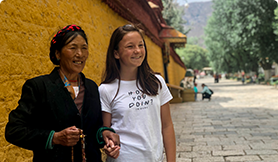


A family trip to Tibet can be a wonderful experience for both parents and kids. You do not need to make the journey complicated. The main thing is to give children enough time to adjust to the altitude and choose a route that matches their age and travel pace.
For a first trip, Lhasa and Yamdrok Lake are usually easier choices, while higher-altitude journeys to Everest Base Camp are better suited to older kids and teens. Along the way, children can explore the Potala Palace, walk around Barkhor with local pilgrims, visit Tibetan families, see yaks and other plateau animals, and enjoy Tibet’s vast lakes and valleys.
This guide covers the practical things parents usually want to know before traveling to Tibet with children, including where to go, what to experience, how many days to spend, altitude tips, hotels, food, packing, permits, and more, so you can feel better prepared for the journey.
Tibet Family Tour at a Glance
- Best for: Families with children of different ages, especially school-age kids and teens
- How long to stay: Around 5 to 8 days for most first-time family trips
- Best time to visit: May to October
- Best first stop in Tibet: Lhasa, with a few days to settle in and adjust to the altitude
- Family-friendly highlights: Potala Palace, Barkhor, Sera Monastery, Yamdrok Lake, local family visits, and hands-on cultural activities
- Important to know: Keep the pace relaxed, and do not continue to higher elevations if your child is not feeling well
Contents
 Is Tibet Suitable for a Family Trip with Kids?
Best Places to Visit in Tibet with Kids
Best Family-Friendly Experiences in Tibet
How to Plan a Family-Friendly Tibet Itinerary
How to Help Kids Acclimatize to Tibet’s High Altitude
Best Time for a Tibet Family Tour
Where to Stay and What to Eat with Kids in Tibet
What to Pack for a Tibet Trip with Children
Should You Choose a Private or Small Group Tibet Family Tour?
Is Tibet Suitable for a Family Trip with Kids?
Yes. Tibet can be a great family destination when the itinerary is planned at a comfortable pace. Lhasa and nearby areas are usually easier for a first family trip, while longer and higher-altitude journeys such as Everest Base Camp need a little more planning.
Is There an Age Limit for Children Traveling to Tibet?
There is no general age limit for children traveling to Tibet, but age is still an important factor when planning the trip. Over the years, we have welcomed many families traveling with young children, including kids around 3 to 5 years old.
That said, every child is different. Older children can usually tell you more clearly if they feel tired, have a headache, or are uncomfortable, while younger children may find it harder to explain how they feel.
Because of this, traveling with toddlers can take a little more care. For a more comfortable family trip, we generally recommend traveling with children aged 7 or older, especially if you plan to visit high-altitude places beyond Lhasa.
If your child has an existing health condition, it is also a good idea to speak with your doctor before planning a high-altitude trip.
 We have welcomed families traveling with younger children in Tibet.
Is High Altitude Safe for Children?
Because Tibet is at such a high altitude, many parents worry about whether their children will get altitude sickness during the trip. In fact, children are not automatically more likely to experience altitude sickness than adults. On our family tours, we have seen many children adjust well to the altitude.
What matters most is paying attention to how your child feels. With younger children, it is especially important to watch for changes in their energy, appetite, sleep, or behavior if they cannot clearly explain that something feels wrong.
A well-paced itinerary and a little extra attention along the way can make a big difference. Spend the first few days adjusting in Lhasa, and if your child is not feeling well, it is better to rest and avoid going higher until they feel better.


Join our relaxed 4-day Lhasa tour, perfect for first-time family trip with younger children.
Best Places to Visit in Tibet with Kids
The best places for your family really depend on your children’s age, how much time you have, and how comfortable everyone feels with the altitude. For a first trip, Lhasa and nearby areas are usually a very comfortable place to begin, while Shigatse, Nyingchi, and Everest are better choices if you have more time.
Lhasa (3,650 m) – Best for First-Time Family Travelers
For most families, Lhasa is a great place to start a Tibet trip with kids. You can take the first few days slowly, give everyone time to adjust to the altitude, and still see many of Tibet’s best-known sights without spending hours on the road every day.
Children can explore the Potala Palace, visit Jokhang Temple, and watch the lively monk debates at Sera Monastery. Between sightseeing, there is also time to slow down, stop at a local teahouse, or simply enjoy an easy walk around the city.
Lhasa also has the widest choice of hotels, restaurants, and travel services in Tibet, which is especially helpful when you are traveling with younger children and want a little more comfort and flexibility.
 Lhasa is a comfortable starting point for families to explore Tibet and adjust to the altitude.
Yamdrok Lake (4,441 m) – Easy Nature Escape from Lhasa
If your family wants to add some beautiful scenery without taking on a long journey, Yamdrok Lake is an easy and rewarding choice.
The lake is about 114 kilometers from Lhasa, and the drive usually takes around 2 to 2.5 hours. Along the way, you will pass mountain roads, viewpoints, and wide-open plateau landscapes, so the journey itself is part of the experience.
Once you reach the lake, children can enjoy the bright blue water, stop for photos, and often spot Tibetan yaks or mastiffs nearby. There is no demanding hike required, so it works well for children who simply want to enjoy the outdoors.
Shigatse (about 3,840 m) – Culture and Scenery for Families with More Time
For families with about a week in Tibet, Shigatse is a good place to include after Lhasa. It is about 270 kilometers west of the city, and the journey usually takes you past Yamdrok Lake, Gyantse, countryside scenery, and historic monasteries.
In Shigatse, families can visit Tashilhunpo Monastery and experience a quieter side of Tibet beyond Lhasa. The route gives children a nice mix of cultural sights and changing landscapes without going as high as Everest Base Camp.
There is a little more time on the road, so this route is generally more comfortable for children who do not mind spending a few hours driving between stops.
Nyingchi (around 3,000 m) – A Lower-Altitude Option for Families
Nyingchi has a very different feel from central and western Tibet, with forested mountains, river valleys, villages, and much greener scenery. Because it sits at a lower altitude, it can be a more comfortable choice for families who would like to ease into a Tibet trip.
Here, children can visit Basum Lake, walk through Lulang Forest, explore local Gongbo villages, and enjoy Nyingchi’s lush green scenery. Spring is especially lovely, when peach blossoms brighten the valleys and villages across the region.
One thing to keep in mind is that Nyingchi has fewer flight connections than Lhasa, so it helps to leave a little more flexibility when planning your arrival and departure.
Everest Base Camp (about 5,000 m) – Better for Older Kids and Teens
For families with older children or teenagers, Everest Base Camp can be one of the most memorable parts of a Tibet trip, especially if everyone has adjusted well to the altitude.
Getting there does mean at least two driving days via Shigatse, along with colder weather, higher elevations, and simpler accommodation than you will find in Lhasa or Shigatse. But the journey also rewards you some of Tibet’s most dramatic Himalayan scenery and the chance to see Mount Everest up close.
The key is not to rush. If your child is feeling well after the first few days of the trip, continuing to Everest can be a wonderful family adventure. If not, there is no need to push on, and it is better to stay at a lower altitude or adjust the route.
 Everest Base Camp can be a rewarding family adventure for older children who have adjusted well to the altitude.
Best Family-Friendly Experiences in Tibet
Tibet has plenty of experiences that children can enjoy and take part in, from exploring famous landmarks to walking with pilgrims, meeting local families, and trying simple cultural activities
Explore the Potala Palace
The Potala Palace is one of the most exciting places to visit in Lhasa with kids. Its huge scale, hilltop setting, stairways, halls, murals, and city views make make the visit feel very different from a typical museum.
Instead of trying to explain too much history at once, it is often more enjoyable to let children notice the stories, colors, architecture, and small details around them.
Since there are about 360 steps to climb up to the palace, with many more stairs during the full visit, it is best to take your time and go at a comfortable pace.
Walk the Barkhor with Local Pilgrims
A walk around Barkhor is a simple way for children to see everyday Tibetan life up close. The kora route is roughly 1-2 kilometers and usually takes around half an hour.
Along the way, they can watch pilgrims turning prayer wheels, look at traditional shops, and take in the lively atmosphere around Jokhang Temple. It is an easy and natural way to learn a little about Tibetan pilgrimage traditions while exploring the old city.
Watch Monk Debates at Sera Monastery
The monk debates at Sera Monastery are often a fun part of the day for children. The clapping, hand gestures, quick questions, and lively movement make the experience much easier to follow than a quiet temple visit.
The debates are usually held around 3:00-5:00 PM from Monday to Saturday. During the visit, our local guide will explain what the gestures mean and how the debates work, which helps children understand what they are watching.
Visit a Local Tibetan Family
Visiting a local Tibetan family gives children a chance to see daily life beyond the main sightseeing spots. They may sit down for tea, try Tibetan snacks or tsampa, look around the family home, and learn about simple everyday customs.
For many children, this kind of visit makes Tibetan culture feel more personal and easier to understand. It is also a relaxed way for families from different backgrounds to spend time together.
 A local Tibetan family visit gives children a relaxed and personal way to experience everyday Tibetan life.
Discover Lakes, Valleys and Plateau Animals
Tibet’s open landscapes add a completely different side to a family trip. Along the road, children can see turquoise lakes, wide valleys, mountain passes, grazing yaks, sheep, horses, and sometimes Tibetan mastiffs near villages or scenic stops.
These small moments can be a nice break from cultural sightseeing and often become some of the memories kids talk about later.
One useful thing to know is that photos with decorated yaks or Tibetan mastiffs at places such as Yamdrok Lake are usually not free, so it is best to ask the price before taking photos.
Try Hands-on Tibetan Cultural Activities
Hands-on activities are a great way to keep children involved. Depending on the itinerary, families may try simple Thangka painting, Tibetan incense making, handicrafts, or other cultural activities with local guidance.
It gives children the chance to make or try something themselves, which can make the experience more fun and easier to remember.
How to Plan a Family-Friendly Tibet Itinerary
When planning a Tibet trip with children, think about how old they are, how much time you have, and how they usually handle longer drives and higher places. If your trip is short, it is usually better to keep the route simple. With more time, you can travel farther from Lhasa to places such as Shigatse and Everest.
4-5 Days: A Relaxed Lhasa Family Itinerary
For a first family trip, 4–5 days gives you enough time to explore Lhasa and its surroundings without spending too much time on the road. A well-paced Lhasa tour is a good way to begin.
The first day is best kept easy, giving everyone time to settle in and adjust to the altitude. Over the next two days, you can visit the Potala Palace, Jokhang Temple, Barkhor, and Sera and Drepung Monasteries. In a classic 4-day Lhasa itinerary, the last day is usually left for some free time and departure.
With five days, you can add a day trip to Yamdrok Lake for more natural scenery, or visit Ganden Monastery for another cultural stop outside the city. This pace is especially comfortable for families with younger children or anyone who would rather take things slowly on a first trip to Tibet.
6-7 Days: A Classic Family Route to Gyantse and Shigatse
With 6-7 days, you can travel beyond Lhasa to explore Gyantse and Shigatse, while still keeping enough time for acclimatization and classic sightseeing in Lhasa.
After exploring Lhasa, the drive west usually takes you past Yamdrok Lake, a lakeside local family visit, yaks and other plateau animals, Karola Glacier, and the historic town of Gyantse.
In Shigatse, you can visit Tashilhunpo Monastery before heading back to Lhasa along the Yarlung Tsangpo River. This return route gives you a different view of Tibet, with villages, farmland, and river scenery along the way.
A classic Lhasa to Shigatse journey usually takes about 6 days. If you have 7 days, you can slow the pace down a little, add another stop, or spend an extra day in Lhasa.
8-10 Days: An Everest Adventure for Families with Older Kids
Families with older children or teenagers can consider an 8-day journey from Lhasa to Everest Base Camp.
After a few days of sightseeing and acclimatization in Lhasa, you travel to Shigatse via Yamdrok Lake. The next day, the road continues toward Everest Base Camp and crosses Gawula Pass, where you can see panoramic views of five 8,000-meter peaks in the Himalayas.
At EBC, you can enjoy close-up views of Mount Everest and, if the weather is kind, catch the sunrise or sunset around the summit. For many families, this is one of the highlights of the whole trip.
On the way back, you can travel via Sakya and the Yarlung Tsangpo River before returning to Lhasa. A classic Lhasa to Everest trip usually takes about 8 days, but adding one or two extra days can make the journey feel more relaxed.
 On a 6-day Lhasa and Shigatse family tour, you can visit Tashilhunpo Monastery in Shigatse.
How to Help Kids Acclimatize to Tibet’s High Altitude
Children often adjust well to Tibet’s altitude, but the first few days still matter. Based on our experience traveling with families over the years, here are a few simple tips that can help children feel more comfortable.
- Take it easy for the first 2-3 days in Lhasa
Keep the first few days relaxed and give children plenty of time to sleep and rest. Try to avoid running, climbing too many stairs, or doing anything too strenuous while they are still getting used to the altitude.
- Watch how your child is feeling
Younger children may not always be able to explain clearly when something feels wrong, so keep an eye on changes such as unusual tiredness, poor appetite, irritability, headaches, trouble sleeping, or being less active than usual.
- Keep your kids hydrated and eating regularly
Encourage children to drink water throughout the day and stick to simple, familiar meals at first. It is also a good idea to keep a few snacks handy for longer drives or times when they do not feel like eating much.
- Keep oxygen support close by
Staying in an oxygen-equipped hotel can be helpful, especially during the first few nights in Lhasa. When traveling to other areas, it is also reassuring to have oxygen available in the vehicle.
Our tour vehicles carry oxygen supplies, and our local Tibetan guides keep a close eye on how everyone is feeling. If needed, they can slow the pace or adjust the itinerary along the way.
- Keep your kids warm and protected from the sun
Tibet has strong UV exposure, dry air, and noticeable temperature changes between day and night. Dress children in layers and prepare a sun hat, sunglasses, sunscreen, and lip balm.
- Do not push on if your child is not feeling well
If they feel uncomfortable, give them time to rest, and avoid continuing to a higher altitude. Changing the plan is always better than forcing the original schedule.

Join our family-friendly 5-day Lhasa and Yamdrok Lake tour for a mix of Tibetan culture and beautiful scenery.
Best Time for a Tibet Family Tour
For most families, May to October is the best time to visit Tibet. During these months, the weather is generally comfortable, most routes are easy to access, and sightseeing conditions are good for traveling with children.
Spring (April to June): Comfortable Weather for Family Sightseeing
Spring brings warmer days, relatively little rain, and plenty of clear weather. April and May are usually quieter than the summer months, while June starts to feel warmer and greener.
If your family enjoys walking and prefers fewer crowds, spring is a lovely time to visit places such as the Potala Palace. In Nyingchi, this is also the season for the famous peach blossoms.
Summer (July to August): Warm Weather and Easy Timing for Family Travel
July and August are the warmest months in Tibet and also the busiest. Daytime temperatures are usually mild rather than hot, so it is still comfortable for sightseeing and outdoor activities with kids.
Summer is also the rainy season, but around Lhasa, rain often falls later in the day or at night. It usually does not affect a full day of sightseeing.
The main thing to remember is that this is peak season of Tibet tours, so it is best to book hotels, tours, and transport a little earlier.
Autumn (September to October): Clear Skies and Pleasant Travel Conditions
Autumn is another excellent time for a Tibet family trip, with clearer skies, drier weather, and pleasant daytime temperatures. It is especially good for mountain views and longer journeys toward Shigatse and Everest.
September is still relatively mild, while October becomes cooler, especially in the mornings and evenings. Bring a few warmer layers for the kids, and you can still enjoy very comfortable sightseeing conditions.
 Norbulingka Palace offers families a relaxed cultural visit surrounded by gardens and spring scenery.
Where to Stay and What to Eat with Kids in Tibet
Comfortable accommodation and familiar food can make a big difference when traveling in Tibet with children. In major cities, families have plenty of good choices, while remote areas require a little more flexibility and preparation.
Where to Stay with Kids in Tibet
- Choose comfortable oxygen-equipped hotels in Lhasa, Shigatse, and Nyingchi.
These cities offer the best range of family-friendly hotels, with private bathrooms, reliable hot water, heating, and more convenient dining options. For better comfort at high altitude, oxygen hotels can be helpful for both adults and children, especially during the first two nights.
- Be prepared for simpler hotels in remote areas.
In places such as Tingri or the Everest region, accommodation is usually more basic than in the cities. Many hotels and guesthouses still provide heating and oxygen facilities, including places near Everest Base Camp, but private bathrooms and hot water may be more limited.
Family Tip: Try to avoid changing hotels too often when traveling with younger children. Staying two nights or more in the same place can make the trip feel much more relaxed.
What to Eat with Kids in Tibet
- Start with familiar, simple meals.
Rice, noodles, dumplings, eggs, vegetables, soups, and mild Chinese dishes are easy to find in Lhasa and Shigatse and are often good choices for children.
- Let children try Tibetan food at their own pace.
Children can sample momos, Tibetan noodles, yogurt, tsampa, or butter tea when they feel ready, especially during a local family visit or cultural experience.
- Pack familiar snacks for long driving days.
Crackers, biscuits, cereal bars, dried fruit, or other favorite snacks are useful when meals are delayed or children get hungry between stops.
Family Tip: Keep meals regular and avoid making children eat too heavily, especially during the first few days at altitude.
 Children can try Tibetan food at their own pace while enjoying familiar meal options in Lhasa.
What to Pack for a Tibet Trip with Children
When packing for Tibet with children, focus on keeping them warm, protected from the sun, comfortable at altitude, and happy on longer driving days. You do not need to bring too much, but a few useful items can make the trip much easier.
- Layered clothing and a warm jacket. Temperatures can change quickly between morning, daytime, and evening, especially outside Lhasa or at higher elevations.
- Sun protection. Bring a sun hat, sunglasses, high-SPF sunscreen, and lip balm. The sunlight and UV exposure are strong at high altitude.
- Comfortable shoes. Children will do plenty of walking around monasteries, old streets, viewpoints, and attractions, so supportive everyday shoes are usually more useful than heavy hiking boots.
- Familiar snacks and a water bottle. Crackers, biscuits, cereal bars, dried fruit, or other favorite snacks are useful on long drives or when children do not feel like eating a full meal.
- Regular medication and simple first-aid supplies. Bring any medicines your child normally uses, along with basic items such as bandages, antiseptic wipes, and a thermometer.
- Moisturizer and other personal essentials. Tibet’s air can be dry, so moisturizer, tissues, wet wipes, and any familiar toiletries can be especially helpful for younger children.
- A few comfort items for the road. A small pillow, light blanket, book, headphones, or simple travel games can make longer drives to Shigatse or Everest much easier for kids.
Family Tip: You do not need to overpack. Most everyday items can be bought in Lhasa, so focus on the things your child already uses regularly and the items that are most useful for altitude, sun, and changing weather.
Should You Choose a Private or Small Group Tibet Family Tour?
Both private and small group tours can work well for families. The better choice depends on your children’s age, your preferred travel pace, and how much flexibility you want during the trip.
Private Tour: Best for Flexibility and a Relaxed Family Pace
A private tour gives your family more freedom to adjust the daily schedule. You can start a little later, take more breaks, spend longer at places your children enjoy, or shorten a visit if they get tired.
This can be especially helpful for families with younger children, grandparents, special dietary needs, or anyone who prefers a slower pace. It also gives you more room to rest or adjust the plan if a child needs more time to get used to the altitude.
The main thing to keep in mind is the cost, as private tours are usually more expensive, especially for smaller families.
 On a private family tour, you can explore Tibet in a slower pace with a delicated local guide.
Small Group Tour: A Good Choice for Families Happy to Follow a Set Schedule
A small group tour is a more budget-friendly way to explore Tibet, with the guide, vehicle, and daily itinerary already arranged for you. It can be a good fit for families with older children or teens who are comfortable following a fixed schedule.
Children may also enjoy meeting other travelers along the way, and parents can simply follow the plan without having to organize each day themselves.
The main difference is flexibility. Start times, sightseeing stops, and daily routes are usually fixed, so there is less room to slow things down or make last-minute changes.
Family Tip: If your children are still quite young, or you are not sure how they will feel at altitude, a private tour gives you more freedom to adjust the pace as you go.
How We Make Family Travel in Tibet Easier
Whichever option you choose, we provide one-stop support throughout your journey, including Tibet Travel Permit arrangements, family-friendly hotels, comfortable vehicles, and oxygen support where needed.
Our local Tibetan guides are professional, thoughtful, and often wonderfully humorous. They help make the journey more interesting while also keeping an eye on how the whole family is feeling.
For private tours, we can also tailor the itinerary to your children’s ages, interests, travel pace, and preferred level of comfort, making the journey more suitable for your family.

Join our classic 6-day Lhasa and Shigatse family tour for a deeper journey through Tibetan culture and landscapes.
Tibet Travel Permit for Families with Children
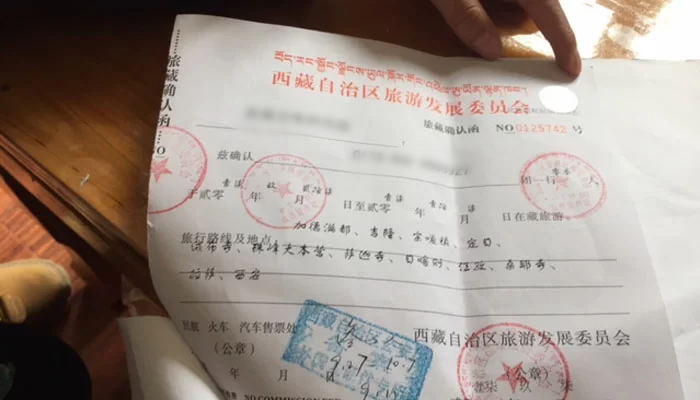
All international travelers, including children, need a Tibet Travel Permit to enter Tibet. Children do not have a separate exemption, and the permit needs to be arranged through a registered travel agency as part of your Tibet tour.
Once you book your tour with us, we will arrange the Tibet Travel Permit for the whole family and let you know what documents are needed and how the permit will be delivered.
We recommend starting the application at least 20 days before your travel date, and preferably a little earlier during busy travel periods.
If your trip includes places beyond Lhasa, such as Everest Base Camp, you will also need additional permits. We will arrange these together with your Tibet Travel Permit, so you do not need to handle them separately.
Tibet Family Tour FAQs
1. Can children travel to Tibet?
Yes. Children can travel to Tibet with parents. The main thing is to choose a route that suits their age and travel pace, and to give them enough time to get used to the altitude in Lhasa before going higher.
2. What is the best age for a Tibet family tour?
There is no general age limit for visiting Tibet. We have welcomed families with children as young as 3 to 5 years old. In our experience, traveling with children aged 7 or older is often a little easier, because they can usually explain how they feel more clearly and are more comfortable with longer sightseeing and driving days.
3. Is Tibet safe for children?
Yes, for most healthy children, Tibet can be a suitable place to travel with the family. The main thing to watch is the altitude. Give your child enough time to adjust, keep an eye on how they are feeling, and if they are not feeling well, let them rest rather than continuing to a higher elevation.
4. How many days should a family spend in Tibet?
For most first-time families, 5-8 days is a comfortable length. Four to five days works well for Lhasa and nearby areas, 6-7 days allows you to include Gyantse and Shigatse, and around 8 days is needed for a classic journey to Everest Base Camp.
5. Can children visit Everest Base Camp?
Yes, but an Everest Base Camp tour is usually better suited to older children and teenagers who have adjusted well to the altitude. The route reaches around 5,000 meters and includes longer driving days, colder weather, and simpler accommodation, so it is best to see how your child is feeling before continuing to Everest.
6. What is the best time to visit Tibet with kids?
For most families, May to October is the easiest time to travel to Tibet, with comfortable weather and good conditions for sightseeing and overland journeys. Spring and autumn are generally quieter, while July and August offer warmer weather but also bring more tourists.
7. Does my child need a Tibet Travel Permit?
Yes. Children traveling on an international passport also need a Tibet Travel Permit, just like adults. Once you book your Tibet tour with us, we can arrange the permit for the whole family and let you know exactly what documents you need to provide.
8. Is a private or group tour better for families?
Both can work well. A private tour offers more flexibility for families with younger children or those who prefer a more relaxed pace, while a small group tour is more affordable and suits families comfortable following a set schedule. For private trips, we can also tailor the itinerary around your children’s ages, interests, and travel needs.
 You can enjoy a comfortable and smooth family trip in Tibet when traveling with us.
Conclusion
Traveling to Tibet with your family can be a fantastic experience, with breathtaking landscapes, rich Tibetan culture, and plenty of special moments for parents and kids to enjoy together.
To make the journey more comfortable, plan around your child’s age and comfort, allow enough time to acclimatize, and keep the pace easy throughout the trip.
Whether you prefer a small group tour or a tailor-made private journey, we can help arrange the Tibet Travel Permit, family-friendly hotels, comfortable transport, and an itinerary suited to your family’s age, interests, and travel pace.
Contact us and tell us who is traveling and what you hope to experience. We’ll help you plan a Tibet family trip that everyone can enjoy.
 Facebook
 Tweet
 Linkedln
 Reddit




Ask a Quick Question