







What to Pack for Your Tibet Trekking Tour: 2026/2027 Guide
What to Pack for Your Tibet Trekking Tour: 2026/2027 Guide
 Required Travel Documents for Your Tibet Trekking Tour
Clothes and Shoes for Your Tibet Trekking Tour
Equipment and Accessories for Your Tibet Trekking Tour
Medicine and Personal Care Items for Your Tibet Trekking Tour
Electronic Gear for Your Tibet Trekking Tour
Food and Drinks to Keep You Energized During Your Trek
Packing is important for trekking in Tibet, but it’s not as complicated as you might think. Start by securing the required travel documents, including your Tibet Travel Permit. Then, prepare layered clothing to handle the changable weather you’ll experience along most trekking routes.
You’ll also want to bring some basic essentials, such as trekking gear, electronics, medicines, personal care items, and snacks, etc. Continue reading this utlimate guide on what to pack for a Tibet trekking tour, and get ready for a hassle-free adventure in Tibet!
Required Travel Documents for Your Tibet Trekking Tour
For all tours in Tibet, including trekking, several travel documents are required. These include your Chinese Visa, Tibet Travel Permit, and sometimes more, depending on your route. It’s best to prepare everything well in advance so your trekking adventure starts smoothly.
Passport and Chinese Visa: Your passport must be valid for at least six months. A Chinese Visa is required for all international tourists to Tibet (except those who currently qualify for China’s visa-free policies). If you are unsure whether you need a Chinese Visa for Tibet travel, feel free to check with us.
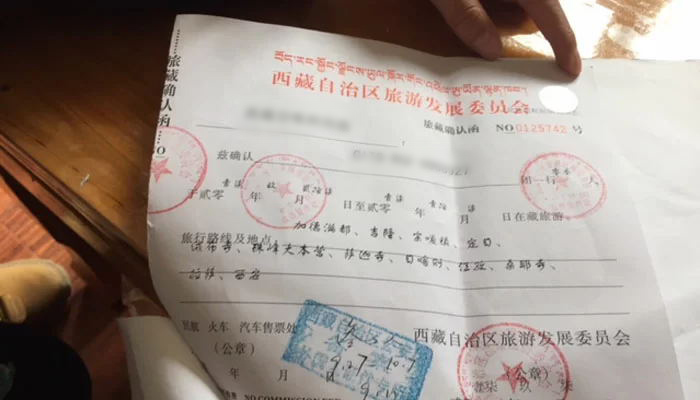
Tibet Travel Permit: The Tibet Travel Permit is the most important document for entering Tibet. Without it, you cannot even board a train or flight to Lhasa. Only authorized Tibetan travel agencies like us can apply for this permit on your behalf. To avoid any delays, please contact us at least 20 days in advance for the application.
Additional Permits for Everest or Mount Kailash Treks: If you are planning the Tingri to Everest Base Camp trek or other routes in the Everest region, you will also need to obtain an Aliens’ Travel Permit. For the Mount Kailash Kora Trek, a Military Permit is additionally required.
For our clients, once you join a Tibet tour, we will handle all the required travel documents, ensuring a smooth and hassle-free trekking experience.
 Tibet Travel Permit is a must for touring Tibet.
Clothes and Shoes for Your Tibet Trekking Tour
The weather in Tibet can change very quickly. You may wake up to freezing temperatures, enjoy strong sunshine at noon, and walk through wind or snowfall in the afternoon. Therefore, it’s best to dress in layers.
Base Layer: Pack moisture-wicking T-shirts for warmer months and lower-altitude areas, and thermal underwear for higher elevations. Nights in Tibet are always cold, so having an extra base layer to sleep in is very helpful.
Mid Layer: A fleece jacket, wool sweater, or lightweight down jacket is perfect for providing insulation. This layer helps you stay warm during chilly mornings and evenings.
Outer Layer: Bring a simple windbreaker for lower elevations in summer. However, for high-altitude trekking or colder months, you’ll need a good-quality outer shell or a warm down jacket. For winter and very high-altitude routes, like treks in the Everest region, a heavyweight down coat is essential.
Trekking Pants and Thermal Wear: Comfortable trekking pants that allow easy movement are a must. Thermal leggings for colder areas will keep you warm without adding too much weight.
Trekking boots: Choose a sturdy, waterproof, well-fitted pair with good ankle support. Make sure they are worn-in before your trip to avoid blisters.
Camp Shoes or Sneakers: Lightweight shoes or sandals offer comfort when you rest at your campsite or guesthouse.
Socks: Bring several pairs of quick-dry trekking socks, both thick and thin, to keep your feet comfortable and dry.
Accessories for Warmth and UV Protection: Pack a wide-brim hat for sun protection, a warm wool hat for cold winds, UV-protected sunglasses, and a scarf or neck buff to protect from cold wind and dust.
 A heavyweight down coat is essential when trekking in the Everest region.

Join our best-selling Kailash Manasarovar tour with three-day kora trek!
Equipment and Accessories for Your Tibet Trekking Tour
To stay organized, safe and comfortable during your trek in Tibet, make sure to pack the following essential gear:
Backpack: Bring a good-quality backpack with strong shoulder straps, a hip belt, and a rain cover. A 40–50L pack is usually suitable for most multi-day treks in Tibet.
Rain Gear: Pack a rain poncho, waterproof jacket and pants, a rain cover for your backpack, and zip-lock bags to keep your documents, phone, and money dry.
Headlamp or Flashlight: A reliable headlamp or flashlight is essential for navigating in low-light conditions, especially when you go to the public toilet at night around campsites.
Water Bottles or Thermos: Staying hydrated is essential in Tibet. Bring refillable bottles so you can drink water easily while walking.
Lightweight Quick-dry Towel: A quick-dry towel helps you stay comfortable by wiping away sweat quickly, especially on sunny, warm trekking days.
Portable Garbage Bag: Easy to carry your waste and a simple way to help protect the environment.
We also offer rental services for trekking gear such as trekking poles, tents, sleeping bags, portable chargers, and more - allowing you to lighten your load and enjoy a more comfortable trekking experience.
 We offer rental services for trekking gear like trekking poles.
Medicine and Personal Care Items for Your Tibet Trekking Tour
Due to Tibet’s high altitude and harsh weather, it’s important to carry your own medicines and personal care items, especially when trekking in remote areas.
First Aid Kit: Bring a small first aid kit with essentials such as bandages and gauze, blister pads, pain relievers, anti-diarrhea tablets, antiseptic cream, and other basic medications.
Altitude Sickness Medication: Trekking in Tibet involves extremely high altitudes. Consult your doctor before your trip and carry any recommended altitude sickness medications.
The good news is that we offer oxygen and emergency backup for our clients during the trek. So if you join our Tibet trekking tour, you can have convenient access to oxygen supplies to ease your symptoms.
Personal Care Items: Pack high SPF sunscreen, lip balm with SPF, moisturizer, and toiletries. Include wet wipes, tissues, and a quick-dry towel to stay clean and comfortable throughout your trek. •
 We offer oxygen supply for our clients during the Tibet trek tour.
Electronic Gear for Your Tibet Trekking Tour
Electronics can make your trekking experience more convenient and help you capture Tibet’s stunning landscapes.
Power Bank: Electricity and charging facilities can be limited in remote areas like Everest Base Camp or the Mount Kailash region. Bring a power bank to keep your phone and other devices charged at all times.
Camera and Memory Cards: If you enjoy photography, bring a camera to better capture the stunning landscape of Tibet - from snow mountains to prayer flags. Don’t forget to bring extra memory cards and batteries.
Navigation Tools: GPS devices or offline map apps are useful, especially in areas where phone signals are weak.
Universal Travel Adapter: Tibet uses the same power outlets as the rest of China. A universal adapter ensures you can charge your devices wherever you go.
 It is suggested to bring a camera for photography when trekking in Tibet.
Join our best-selling Kailash Manasarovar tour for a hassle-free journey!
Food and Drinks to Keep You Energized During Your Trek
Trekking in Tibet can last from just a few days in the Lhasa suburbs to over two weeks, like the 15-day Gama Valley trek. Thus, it is important to bring some high-calorie snacks and drinks to help you stay energized and hydrated along the way.
High-calorie Food: Bring lightweight, high-energy snacks like chocolates, biscuits, protein bars, nuts, dry fruits, dried meat strips, etc. Snack regularly during breaks on your trek to keep your energy up.
Drinking Water and Hydration: Staying hydrated is extremely important at high altitudes. Drink small amounts often. A thermos is useful for carrying hot water or making tea or coffee on the go.
We also provide bottled mineral water in our tourist bus, so you can stay hydrated at any time during your journey.
 It is wise to bring some snacks and drinks to help you stay energized and hydrated along the treks.
Extra Packing Tips for a Hassle-Free Trekking Tour in Tibet
Follow these insider tips to make your Tibet trekking experience smooth, safe, and enjoyable:
1. Check the Weather Forecast in Advance: The weather in Tibet can change quickly. Before starting your trek, check the weather conditions, so you can pack appropriate clothing and gear.
2. Pack Light but Smart: You don’t need to bring everything with you. Some items, like trekking poles and camping tents, can be rented from us or purchased in Lhasa. Choose the multipurpose items in your carry-on backpack to save space.
If you worry about the heavy luggage, we can help you arrange a porter service, especially when you do challenging treks, such as the Mount Kailash kora. You can split the rental cost with other group members. Just let your Tibetan guide know in advance if you need one.
3. Prepare for High Altitude: Walk slowly and allow your body time to adapt. Before the trek, stay in Lhasa for a couple of days for acclimatization. Avoid alcohol, eat light meals, stay hydrated, and get plenty of rest to help your body adapt.
4. Trekking with an Experienced Guide: A seasoned guide can help you navigate the routes, handle changing weather, and ensure a safe, smooth trekking experience. At Tibettour.org, our professional local guides are highly experienced, attentive, and know all kinds of treks in Tibet, making your journey easier, more enjoyable, and worry-free.
Conclusion
Packing correctly can greatly improve your trekking experience in Tibet. Hopefully, this guide can help you clearly understand what to pack, including clothing, trekking gear, medicines, food and drinks, and how to prepare your travel documents in advance.
If you still have any questions about trekking in Tibet, feel free to contact us or book your tour today! We are always here to help you make your dream journey to Tibet safe, smooth and pleasant!




Ask a Quick Question