










The Mount Kailash Kora Trek is one of the world’s most sacred pilgrimage journeys, taking travelers around the holy Mount Kailash (6,638 m) in western Tibet. Covering a 52-kilometer high-altitude route, the Kora combines ancient spiritual traditions, breathtaking Himalayan landscapes, and a meaningful personal challenge.
For centuries, Tibetan Buddhists, Hindus, Jains, and followers of the Bon tradition have traveled here to complete this sacred circumambulation, seeking spiritual blessings and purification. Today, the Kora also attracts trekkers and travelers looking for a unique adventure through the remote beauty of the Tibetan Plateau.
This guide covers everything you need to know about the Mount Kailash Kora Trek, including its spiritual meaning, route, difficulty, best time to visit, preparation tips, permits, accommodation, and practical travel advice for a safe and rewarding journey.
Quick Facts: Mount Kailash Kora Trek at a Glance
| Trek Feature | What to Expect |
|---|---|
| Location | Ngari Prefecture, western Tibet |
| Duration | Usually 3 days for the complete Kora |
| Distance | Approximately 52 km (32 miles) |
| Route | Darchen → Dirapuk → Zuthulpuk → Darchen |
| Highest Point | Dolma La Pass (5,630 m / 18,471 ft) |
| Difficulty Level | Moderate to challenging due to high altitude |
| Best Time to Trek | April to October, with May–June and September–October offering excellent conditions |
| Accommodation | Comfortable hotels before/after the trek; basic guesthouses during the Kora |
| Required Permits | Tibet Travel Permit and additional permits for the Ngari region |
| Guide Required | Yes. Foreign travelers must join an organized Tibet tour with a licensed guide |
Contents
 Why Choose the Mount Kailash Kora Trek?
What Is the Mount Kailash Kora Trek?
How to Get to Mount Kailash for the Kora Trek?
Mount Kailash Kora Trek Route: Day-by-Day Itinerary
Mount Kailash Kora Trek Difficulty: Is It Hard?
Altitude Sickness Prevention for Mount Kailash Kora Trek
Best Time for Mount Kailash Kora Trek
What to Pack for Mount Kailash Kora Trek?
How is the Accommodation During Kailash Kora?
Mount Kailash Kora Trek Cost: Price, Inclusions & Planning Tips
Why Choose the Mount Kailash Kora Trek?
Unlike a typical Himalayan trek focused only on reaching a destination, the Mount Kailash Kora Trek offers a unique combination of Tibetan pilgrimage culture, dramatic Himalayan landscapes, and a rewarding high-altitude adventure.
Beyond Ordinary Trekking: A Spiritual Journey
The Mount Kailash Kora is more than a mountain hike. It follows an ancient pilgrimage route around Mount Kailash (6,638 m) , where generations of pilgrims have traveled for centuries.
As you walk the 52-kilometer trail, you share the route with Tibetan pilgrims, many of whom complete full-body prostrations along the rocky mountain paths. Along the way, you will encounter prayer flags, Mani stones, and ancient monasteries that reflect Tibet’s living spiritual traditions.
Revered by Tibetan Buddhism, Hinduism, Jainism, and the Bön tradition, Mount Kailash is one of Asia’s most significant sacred mountains, making the Kora a cultural experience unlike any other trek in Tibet.
Unforgettable Himalayan Landscapes
Located in Tibet’s remote Ngari Prefecture, this trek offers some of the most dramatic, untouched scenery on Earth:
Along the route, you can experience:
- The magnificent three faces of Mount Kailash, with sheer rock and ice-covered cliffs on the south, west, and north sides
- The turquoise waters of Gauri Kund beneath Dolma La Pass
- The high mountain scenery around Dolma La Pass (5,630 m)
- The deep-blue waters of the sacred Lake Manasarovar nearby
- Vast Tibetan valleys, snow-covered peaks, and remote wilderness landscapes
A Rewarding High-Altitude Challenge
The Mount Kailash Kora Trek is also a meaningful personal challenge. While it does not involve technical climbing, the route crosses high-altitude terrain from Darchen (4,675 m) to Dolma La Pass (5,630 m), requiring physical endurance and mental determination.
With long walking days, changing weather, and a challenging high-altitude environment, completing the Kora brings a deep sense of accomplishment and creates memories that last a lifetime.
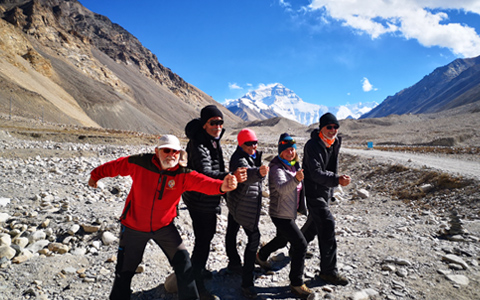
 Mount Kailash Kora combines sacred pilgrimage and breathtaking Himalayan scenery.

Join our well-designed Kailash Manasarovar tour for a smooth and rewarding experience!
What Is the Mount Kailash Kora Trek?
Here is a closer look at what the Mount Kailash Kora Trek represents and why it holds such a special place in the hearts of millions of pilgrims and travelers.
The Meaning of Kora: A Sacred Circumambulation
In Tibetan Buddhism, "Kora" translates literally to "circumambulation" or the act of walking clockwise around a sacred object, temple, or mountain.
For pilgrims, completing the Kora around Mount Kailash is believed to bring spiritual purification, accumulate merit, and strengthen their connection with their faith. Some Tibetan Buddhists believe that completing 108 Koras will grant immediate enlightenment.
Therefore, for centuries, devout believers from Tibet, India, Nepal, and beyond have traveled long distances to this sacred mountain to complete this meaningful journey.
A Sacred Mountain Shared by Multiple Faiths
Mount Kailash is a rare global phenomenon: a single peak revered as the ultimate holy site by four distinct religions. For each faith, the mountain holds a unique, profound meaning:
- Tibetan Buddhism: Revered as Kang Rinpoche (“Precious Snow Mountain”), believed to be the home of Chakrasamvara, a deity representing supreme bliss.
- Hinduism: Considered the earthly home of Lord Shiva, representing destruction, transformation, and regeneration.
- Jainism: Associated with the spiritual liberation of Rishabhadeva, the first Tirthankara.
- Bön Tradition: Regarded as the soul of Tibet and the seat of all spiritual power, representing the center of the world.
Note: While Buddhists, Hindus, and Jains walk the Kora in a clockwise direction, followers of the Bön tradition complete the circuit counter-clockwise.
Who Joins the Mount Kailash Kora?
For centuries, the Kora has been completed mainly by religious pilgrims seeking spiritual blessings. Today, it also welcomes international travelers, trekkers, photographers, and cultural explorers who want to experience Tibet’s sacred landscapes and ancient traditions.
Whether for faith, adventure, or personal reflection, the Mount Kailash Kora offers a rare opportunity to journey through one of the world’s most meaningful and remote destinations.
 Mount Kailash Kora is a sacred pilgrimage route followed by pilgrims and travelers worldwide.
How to Get to Mount Kailash for the Kora Trek?
Located in the far west of Tibet, Mount Kailash is not a destination that can be reached by a simple flight or train. Most travelers begin their journey from Lhasa or Kathmandu, following scenic overland routes across the Tibetan Plateau.
Option 1: From Lhasa to Mount Kailash (Most Popular Route)
For most international travelers, the Lhasa to Mount Kailash route is the most recommended option. It allows gradual altitude acclimatization while exploring Tibet’s cultural and natural highlights, including Everest Base Camp.
Typical Route: Lhasa → Gyantse → Shigatse → Everest Base Camp → Saga → Darchen
Travel Time: usually 4 days (about 1,300 km), including sightseeing stops and a visit to EBC
Highlights along the Way:
- Explore Lhasa’s iconic landmarks, including Potala Palace and Jokhang Temple
- Appreciate Yamdrok Lake, one of Tibet’s most sacred lakes
- Visit Everest Base Camp and admire the world’s highest peak, Mount Everest
- Pass by Mount Shishapangma and beautiful Peiku Tso Lake
- Experience the sacred beauty of Lake Manasarovar
Why Choose This Route?
The biggest advantage of the Lhasa route is gradual altitude adjustment. Starting from Lhasa (about 3,650 m) and traveling westward slowly gives your body more time to adapt before reaching the higher altitude around Mt Kailash.
Recommended for: First-time Tibet travelers, those seeking the ultimate Tibet overland experience, and travelers who want to combine Everest Base Camp with the Mount Kailash Kora Trek.
 Visit Everest Base Camp on the overland journey from Lhasa to Mount Kailash.
Option 2: From Kathmandu to Mount Kailash
The Kathmandu to Mount Kailash route is ideal for travelers who want to combine Nepal and Tibet in one journey. It offers a shorter approach to western Tibet with a scenic Himalayan border crossing.
Typical Route: Kathmandu → Gyirong Port → Saga → Darchen
Travel Time: three-four days (about 590 km), including border procedures and altitude adjustment.
Route Highlights:
- Cross the Nepal–Tibet border at Gyirong Port
- Scenic drive from lush Himalayan foothills to the Tibetan Plateau
- Explore the culturally rich towns of Gyirong and Saga
- Visit Lake Manasarovar before reaching Mount Kailash
Important Notes:
- The road from Kathmandu to Gyirong includes winding mountain sections, while roads inside Tibet are generally well paved.
- Since this route gains altitude quickly, spending at least one night in Gyirong (about 2,800 m) helps your body adjust.
Recommended for: Travelers combining Nepal and Tibet, or those looking for a shorter route to Mount Kailash
Option 3: Can I Fly Directly to Mount Kailash?
There is no direct flight to Mount Kailash. The nearest airport is Ngari Gunsa Airport (NGQ), located about a 4–5 hour drive from Darchen.
Daily flights connect Lhasa and Ngari Gunsa Airport, taking around 2 hours. Although this option saves travel time, it is not always the best choice, especially for first-time Tibet visitors.
Located at about 4,274 m, Ngari Airport places travelers directly into an extreme high-altitude environment. Without enough acclimatization, the risk of altitude sickness can increase.
For most travelers, the slower overland routes from Lhasa or Kathmandu provide a safer and more comfortable way to prepare for the Mount Kailash Kora.
Travel Permits and Guide Requirements
For foreign travelers visiting Mount Kailash, you need to join an organized tour, since independent travel in Tibet is not allowed. Also, there are several essential documents to obtain:
- Tibet Travel Permit (TTP): Required to enter Tibet and board your flight or train.
- Alien’s Travel Permit: Required for visiting Ngari Prefecture, where Mount Kailash is located.
- Military Permit: Required for certain sensitive border areas in western Tibet.
With over 30 years of Tibet travel experience, we help arrange all necessary permits and logistics for your Mount Kailash journey. Our local Tibetan guides provide support throughout the trip, sharing insights into the Kailash Kora, Tibetan culture, and pilgrimage traditions while ensuring a smooth and rewarding experience.
 Our local Tibetan guide supports your Mount Kailash Kora journey on any route.
Mount Kailash Kora Trek Route: Day-by-Day Itinerary
The classic Mount Kailash Kora Trek is a 3-day journey covering 52 kilometers of high-altitude terrain. It is a loop that starts and ends in the small town of Darchen.
Here is what your day-by-day journey around the sacred peak will look like:
Day 1: Darchen to Dirapuk Monastery
Distance: ~13 km
Trekking Time: 5 to 6 hours
Elevation: 4,675 m to 5,000 m
Terrain: Gentle uphill walk along a wide gravel valley
The first day begins from Darchen. After leaving the town, you will take a short eco-friendly bus ride to Sarshung Village, the official starting point of the Kora route.
From there, the trail follows the beautiful Lha-chu Valley, passing the iconic Tarboche Flagpole, where thousands of prayer flags wave in the mountain wind. Along the way, you will enjoy impressive close-up views of the west face of Mount Kailash.
The day’s highlight is reaching Dirapuk Monastery, where you can enjoy one of the closest views of the sacred mountain. On a clear evening, watching the sunset light up Mount Kailash’s golden peak from Dirapuk is an unforgettable moment.
 Enjoy a close view of the sacred Mount Kailash from Dirapuk Monastery.
Day 2: Dirapuk to Zuthulpuk Monastery (The Most Challenging Section)
Distance: ~24 km
Trekking Time: 7 to 9 hours
Elevation: 5,000 m →Dolma La Pass at 5,630 m → 4,790 m
Terrain: Steep rocky climb, a challenging downhill section, followed by a flatter valley walk
Day 2 is the longest and most demanding section of the Kora, but also the most rewarding. Most trekkers start early in the morning to make the climb toward Dolma La Pass, the highest point of the journey.
The first section involves a steady uphill climb. Along the way, you may witness breathtaking views of Mount Kailash’s northwest face in the morning light. Reaching Dolma La Pass, covered with thousands of colorful prayer flags left by pilgrims, is one of the most memorable moments of the entire trek.
After crossing the pass, the trail descends steeply toward Gauri Kund (Lake of Compassion), a beautiful emerald-colored sacred lake below the trail. The route then becomes gentler as you enter the Zhong-chu Valley, leading to Zuthulpuk Monastery, where you can rest after the most challenging day.
 Cross the Dolma La Pass during Mount Kailash Kora.
Day 3: Zuthulpuk Monastery to Darchen
Distance: ~12 km
Trekking Time: 3 to 4 hours
Elevation: 4,790 m to 4,675 m
Terrain: Easy downhill and flat paths through a scenic river valley
After the demanding climb on Day 2, the final day offers a more relaxed walk back to Darchen.
The trail follows a peaceful river valley surrounded by unique rock formations, caves, and Tibetan wilderness scenery. This quieter section allows many pilgrims to slow down, reflect on the journey, and enjoy their final moments around Mount Kailash.
As the valley gradually opens up, the trail crosses the final plains before returning to Darchen, where you complete the sacred Mount Kailash Kora.
 Complete the Mount Kailash Kora and take a relaxed walk back to Darchen.
Join the 3-day Mount Kailash kora with us while exploring Tibet's highlights!
Mount Kailash Kora Trek Difficulty: Is It Hard?
One of the most common questions travelers ask is, "How hard is the Mount Kailash Kora?"
To put it simply: The trek is physically demanding due to the high altitude, but it is not technically difficult. There is no rock climbing, glacier crossing, or technical mountaineering involved. It is a walk on established dirt paths, gravel, and rocky trails.
With proper preparation, a slow pace, and a positive mindset, most travelers with a basic level of fitness can successfully complete this rewarding journey.
Physical Difficulty
To help you prepare, here is a quick look at what to expect on the trail:
| Challenge | Details |
|---|---|
| Total Distance | About 52 km over 3 days |
| Daily Walking Time | Around 3–9 hours daily depending on the section |
| Highest Point | Dolma La Pass (5,630 m / 18,471 ft) |
| Starting Elevation | Darchen (4,675 m / 15,338 ft) |
| Terrain | Rocky trails, steep climbs, and uneven mountain paths |
| Weather | Rapid changes, strong winds, cold mornings, and intense sun exposure |
The most challenging section is Day 2, when the trail climbs to Dolma La Pass, the highest point of the Kora. The combination of high altitude, steep terrain and long walking hours requires patience and endurance.
Who Can Complete the Mount Kailash Kora?
The Kora does not require previous mountaineering experience, but travelers should have a reasonable fitness level and be comfortable walking several hours a day.
- Who it is for: If you enjoy regular hikes, active weekend walks, or have some experience walking in the mountains, you are ready for this trek.
- Who should take extra care: Travelers with serious heart or lung conditions, severe altitude sensitivity, or significant knee problems should consult a doctor before planning the journey.
Age alone is not a deciding factor. Many older travelers complete the Kora successfully with good preparation and proper acclimatization.
How to Train Physically Before the Kailash Kora?
You do not need professional trekking experience, but preparing your body beforehand will make the journey more comfortable.
In the 2 to 3 months before your trip, focus on regular cardio like jogging, cycling, or stair climbing to improve cardiovascular fitness. Spend a few weekends hiking locally with a light daypack to get your legs used to consecutive days of walking.
Warm tips:
If you prefer to focus on the scenery and your trekking experience, you can hire local porters or horses in Darchen to help carry your main luggage. Traveling lighter can make the Kora much more comfortable, especially during the challenging sections.
 Horses can help carry your main luggage during the Mount Kailash Kora.
Altitude Sickness Prevention for Mount Kailash Kora Trek
Due to its extreme elevation, altitude sickness is one of the main concerns for travelers joining the Mount Kailash Kora Trek. The route reaches over 5,600 meters at Dolma La Pass, making proper acclimatization and a careful pace essential.
However, altitude does not mean the trek is impossible. With enough time to adjust, good preparation, and support from an experienced local team, many travelers successfully complete the Kora every year.
How to Prevent Altitude Sickness During the Kailash Kora?
The golden rule of high-altitude trekking is to ascend slowly. Here are the most effective ways to stay safe and comfortable:
- Follow a Gradual Acclimatization Route: Do not rush to Mount Kailash. Choosing the overland route from Lhasa and spending 2 to 3 days there (3,650 m) gives your body the precious time it needs to adapt.
- Walk Slowly and Listen to Your Body: Walk at a slow, steady, and relaxed pace. Keep your breathing deep and even, even if you feel strong. Inform your guide immediately if you experience symptoms such as unusual fatigue, dizziness, headache, or shortness of breath.
- Stay Hydrated and Take Care of Yourself: Drink enough fluids daily (water or warm tea). Eat regular meals to maintain energy, and avoid alcohol before and during the trek. Protect yourself from strong sun and cold temperatures. Also get enough rest each night.
- Consider Medication: Consult your doctor before your trip about taking Diamox (Acetazolamide), which helps speed up acclimatization.
Rescue and Support During the Kora Trek
Although the Mount Kailash kora is a remote high-altitude trek, you will never be alone on the trail. Experienced local teams provide important support throughout the journey.
- Professional Guide Support: Our licensed Tibetan guides are familiar with the Kora route. They will monitor your health, provide pacing advice, and carry portable oxygen when needed. Always communicate honestly with your guide about how you feel during the trek.
- Porters and Horses: If you feel tired or want to reduce physical strain, you can easily hire a local horse or porter in Darchen to carry your gear or support you on the steep climbs.
- Emergency Support: In rare cases of severe altitude-related symptoms, the safest solution is to descend. Your guide can help arrange a return to Darchen, where medical services and road access are available.
 Our Tibetan guides provide expert support throughout the Mount Kailash Kora journey.
Best Time for Mount Kailash Kora Trek
The best time for the Mount Kailash Kora Trek is generally from May to October, when the weather is warmer, trekking conditions are more comfortable, and mountain views are clearer.
Each season offers a different experience, depending on whether you prioritize pleasant weather, fewer crowds, photography, or religious significance.
May to June: Comfortable Weather & Fewer Travelers
Late spring and early summer offer some of the most comfortable conditions to trek Mt. Kailash.
Daytime temperatures are mild, skies are often clear, and there are fewer travelers compared with the busier summer months. This period also offers good opportunities to enjoy unobstructed views of Mount Kailash.
While early May can still feel cold, especially in the mornings and at higher elevations, so warm layers are essential.
July to August: Warmest Period & Easier Trekking Conditions
July and August are the warmest months of the year on the Tibetan Plateau, making Mount Kailash trekking more comfortable compared with colder seasons.
Although this period overlaps with Tibet’s broader monsoon season, the Ngari region is relatively dry, and rainfall usually has limited impact on trekking conditions. However, occasional clouds may reduce mountain visibility compared with spring or autumn.
Besides, the high-altitude landscape becomes greener in summer, adding more colors and life to the trekking route.
September to October: Best Visibility & Classic Trekking Season
Autumn is the classic trekking season in Tibet, offering spectacular landscapes and perfect photography conditions.
The monsoon clouds gradually clear, creating dry conditions, deep blue skies, and excellent visibility for photography. Daytime temperatures are comfortable for walking, although nights can become very cold.
The autumn colors of the Tibetan Plateau are breathtaking, and you have more chances to enjoy unobstructed views of Mount Kailash’s snowy pyramid against the stark blue sky.
November to April: Generally Not Accessible
Trekking during these months is not possible. Temperatures drop to extreme lows (often below -20°C/-4°F), and heavy snow completely blocks the high-altitude mountain passes—especially the Dolma La Pass. Local guesthouses and monasteries along the Kora trail also close for the winter.
Saga Dawa Festival: The Most Auspicious Time for Pilgrims
For Tibetan pilgrims, Saga Dawa is the most sacred period of the year. Thousands of pilgrims gather around Mount Kailash to complete the Kora, creating a deeply spiritual atmosphere.
However, crowds are larger and accommodation fills quickly. If you plan to travel during this period, advance planning is highly recommended.
 Experience the sacred Mount Kailash Kora during Saga Dawa Festival.
Travel with us and deepen your spiritual connection with sacred Mount Kailash.
What to Pack for Mount Kailash Kora Trek?
Packing properly can make a big difference on the Mount Kailash Kora Trek. Because of the extreme elevation and unpredictable mountain weather, you should pack for all four seasons in a single day.
Here are the essential items to bring for a comfortable and safe Kora experience.
1. Essential Warm Clothing & Footwear
Even in the peak of summer, temperatures on the trail—especially at night and at the top of Dolma La Pass—can drop well below freezing. The key is layering.
Recommended clothing:
- Moisture-wicking base layers (Merino wool or synthetic, no cotton)
- Warm mid-layers such as fleece or a lightweight down jacket
- Waterproof and windproof outer jacket and pants
- Comfortable, broken-in hiking boots with good ankle support
- Moisture-wicking socks (bring extra pairs)
- Warm hat and gloves
2. Sun Protection & Weather Protection
At over 4,000 meters, UV exposure is much stronger than at lower elevations, even on cloudy days.
Bring:
- UV-blocking sunglasses and wide-brimmed sun hat
- High-SPF sunscreen (SPF 50+) and lip balm
- Buff or neck gaiter to protect against dust, wind, and dry air
A lightweight rain jacket is also recommended, especially during July and August when occasional showers may occur.
3. Trekking Gear for Mount Kailash Kora
A few practical items can greatly improve your comfort:
- Trekking poles for uphill and downhill sections
- Comfortable daypack (around 20–30L)
- Reusable water bottle or hydration system
- Headlamp or flashlight
- Portable charger or power bank
- Small snacks such as energy bars or nuts
A trekking pole is particularly helpful on the steep ascent and descent around Dolma La Pass.
4. Medicines and First Aid
Bring your personal medications and a small first-aid kit, including:
- Personal prescription medicines
- Basic pain relief medicine
- Bandages and blister treatment
- Motion sickness medicine if needed
- Electrolyte tablets
If you plan to use altitude medication such as Diamox (Acetazolamide), consult your doctor before the trip.
5. Documents & Travel Essentials
Do not forget the documents and daily essentials required for Tibet travel:
- Passport and Chinese Visa
- Tibet Travel Permit (Arranged by your travel agency)
- Cash (Chinese Yuan) for small purchases along the route
- Personal toiletries and wet wipes
During the 3-day Kora, accommodation is basic, so small comfort items such as wet wipes, tissues, and a portable charger can make the journey much easier.
Warm Tips for Packing Light:
During the Kora, you only need to carry your daily essentials. Many travelers choose to leave their main luggage in Darchen and use a smaller backpack for the trek.
If needed, local porters or horses can be arranged in Darchen to help carry heavier bags, especially for travelers who want a more comfortable experience.
 Warm clothing and trekking gear are essential for the Mount Kailash Kora trek.
How is the Accommodation During Kailash Kora?
Accommodation during the Mount Kailash Trek is simple but practical. Since the route passes through a remote high-altitude region, you will stay in comfortable hotels before and after the trek, while basic guesthouses are used during the 3-day Kora.
Before & After the Trek: Comfortable Hotels in Darchen
Darchen is the base camp and starting point of the Kora. In recent years, accommodation options have improved significantly, with several comfortable hotels available.
Most recommended hotels offer comfortable beds and private bathrooms, electric blankets and heating. Basic Wi-Fi and 24-hour electricity may also be available.
Popular options include Himalaya Kailash Hotel and Letu Oxygen Supply Scenic Hotel, providing a more comfortable stay before and after the trek.
During 3-day Kora: Basic Guesthouses
During the trek, you will stay at Dirapuk Monastery Guesthouse and Zutulpuk Monastery Guesthouse for the first and second nights.
These guesthouses offer basic facilities, including dormitory-style rooms with beds and blankets, shared toilets, simple meals or food options. Hot showers are generally not available, and electricity can be limited, especially during busy seasons.
Useful items such as a sleeping bag liner, wet wipes, personal toiletries, and a portable charger can make your stay more comfortable.
Can I Camp During the Kailash Trek?
Although camping is possible in some areas, it is generally not necessary for the standard Kora route. Local guesthouses provide warmer and safer shelter from cold nights, strong winds, and changing mountain weather, while also reducing the amount of gear you need to carry.
Warm Tips for a Comfortable Stay:
- Keep your expectations realistic: the Kora is a remote pilgrimage trek, not a luxury hiking route.
- Bring personal essentials such as wet wipes, toiletries, and a power bank.
- Carry some cash, as payment options are limited in remote areas.
- Keep important valuables and personal documents with you.
 Accommodation during Mount Kailash Kora is basic but comfortable for trekkers.
Mount Kailash Kora Trek Cost: Price, Inclusions & Planning Tips
Since independent travel to Mount Kailash is not allowed for foreign travelers, your journey must be arranged through a licensed Tibet travel agency. The total Mount Kailash tour cost depends on your route, itinerary length, group size, accommodation level, and travel season.
What Is Usually Included in a Kailash Kora Trek Cost?
On average, a Mount Kailash tour costs around USD 130–150 per person per day for a standard group itinerary, depending on the route, group size, and service level. Since most Kailash journeys last 10 days or longer, you can generally expect to spend several thousand dollars for the complete experience.
The price usually includes:
- Tibet Permits: Tibet Travel Permit, and other required permits for the Ngari region
- Transportation: All road transfers in Tibet with a private vehicle and licensed driver
- Accommodation: Hotels in cities such as Lhasa, Shigatse, and Darchen, plus basic guesthouses during the 3-day Kora
- Local Guide: A certified, English-speaking Tibetan guide
- Entrance Fees: Tickets for listed attractions and scenic areas
- Meals: Daily breakfast at most hotels; meals during the Kora depend on the package
What Affects the Cost of Mount Kailash Kora Trek?
The price mainly varies based on:
- Route and Itinerary Length: Longer routes, such as Lhasa-Everest Base Camp-Kailash, usually cost more than shorter Kailash itineraries.
- Group Size: Private tours offer more flexibility at a higher price, while small group tours reduce costs by sharing transportation and guide services.
- Travel Season: Prices are generally higher during the peak season (June to September), especially especially around July–August and Saga Dawa.
- Accommodation Level: Opting for luxury 5-star hotels in cities like Lhasa and Shigatse will increase the package price compared to standard hotels.
Tips to Save on Your Kailash Tour Cost
Choose a Small Group Tour
Joining a small group tour is the easiest way to reduce the cost without sacrificing essential services. Sharing the vehicle, driver, and guide fees with other travelers can save you up to 40% compared to a private tour.
Our Mount Kailash small group tours follow classic routes such as the 15-day Lhasa to Mount Kailash itinerary, with fixed departure dates and competitive local pricing.
Each tour includes essential services such as Tibet travel permits, experienced Tibetan guides, professional drivers, and comfortable accommodations, allowing you to focus on the pilgrimage experience while we handle the logistics.
Travel During Shoulder Seasons
Consider traveling during May–June or October, when prices are often lower while trekking conditions remain comfortable.
Book Early
For popular periods such as summer and Saga Dawa, early booking helps secure better availability for permits, transportation, and accommodation.
Combine Multiple Tibet Highlights
Combining Kailash with other highlights such as Lhasa, Everest Base Camp, or Lake Manasarovar often provides better overall value than arranging separate trips.
 Join our Mount Kailash Kora small group tour to save your overall travel cost.
FAQs about Mount Kailash Kora Trek
1. How difficult is the Mount Kailash Kora Trek?
The Mount Kailash Kora Trek is moderately to highly challenging due to its extreme altitude, not technical difficulty. The route involves long walking days, rocky trails, and the climb over Dolma La Pass (5,630 m).
However, no technical climbing skills are required. With proper acclimatization, physical preparation, and a steady pace, many active travelers can complete the Kora successfully.
2. How Long Is the Mount Kailash Kora Route?
The traditional Mount Kailash Kora covers about 52 km around the sacred mountain. Most travelers take 3 days to complete the entire route.
If you are traveling from Lhasa or Kathmandu, you should allow additional days for transportation, sightseeing, and altitude adjustment before starting the trek.
3. Is Mount Kailash Kora Safe?
Yes, the Mount Kailash Kora is generally safe when you are properly prepared and supported by an experienced local team.
The main challenges are altitude, changing weather, and remote conditions. Following a gradual acclimatization plan, walking at a comfortable pace, and staying in contact with your guide can make your journey safer and more enjoyable.
4. What Is the Highest Altitude of Kailash Kora?
The highest point of the Mount Kailash Kora is Dolma La Pass at 5,630 meters (18,471 ft).
You start the trek from Darchen (about 4,675 m), and the climb to Dolma La Pass on Day 2 is the most demanding part of the journey.
5. Can Beginners Do Mount Kailash Kora?
Yes, beginners can complete the Mount Kailash Kora with good preparation and proper acclimatization.
You do not need previous trekking experience, but you should be comfortable walking several hours a day and maintaining a steady pace at high altitude.
6. Do I Need Previous Trekking Experience for Kailash Kora?
No, previous trekking experience is not required.
If you regularly walk, hike, or enjoy outdoor activities, you already have a good foundation. Training your endurance and preparing for high-altitude conditions will make your Kora experience much more comfortable.
7. Can I Do Mount Kailash Kora Without a Guide?
No. Foreign travelers cannot visit Mount Kailash independently.
You need to join an organized Tibet tour arranged by a licensed travel agency. Your agency will help arrange the required permits, transportation, accommodation, and local guide services.
8. What Is the Best Month for Kailash Kora?
The best time for the Mount Kailash Kora Trek is generally from May to October.
- May–June: Comfortable weather with fewer travelers
- July–August: Warmest period with easier trekking conditions
- September–October: Clear skies and excellent mountain views
The best month depends on whether you prefer warmer temperatures, fewer crowds, or the best photography conditions.
9. Can Seniors Join Mount Kailash Kora?
Yes, many senior travelers successfully complete the Mount Kailash Kora with proper preparation and acclimatization.
Age itself is not the deciding factor. Your overall fitness, walking ability, and ability to adjust to high altitude are more important.
10. Is Mount Kailash Kora Worth It?
Yes, for many travelers, the Mount Kailash Kora is a once-in-a-lifetime experience.
Beyond the physical challenge, you will experience ancient pilgrimage traditions, Tibetan culture, dramatic Himalayan landscapes, and a deep sense of personal achievement. If you are looking for more than a typical trek, the Kora offers one of the most meaningful journeys in Tibet.

Reach Mount Kailash from Kathmandu via the scenic Gyirong border route.
Conclusion
The Mount Kailash Kora Trek is far more than a high-altitude adventure. It is a journey through Tibet’s sacred landscapes, ancient pilgrimage traditions, and one of the most meaningful routes in the Himalayas.
While the thin air, rugged trails, and basic accommodations can be challenging, walking alongside devoted pilgrims, witnessing the beauty of Mount Kailash, and completing the sacred circuit create an experience that goes far beyond a typical trek.
With proper preparation, the right season, gradual acclimatization, and experienced local support, what may seem like a daunting challenge can become a safe, meaningful, and deeply rewarding journey.
Ready to begin your Mount Kailash Kora Trek? Contact us to plan your journey, including permits, transportation, accommodation, and local guide support, and let us help you experience this sacred pilgrimage with confidence.
 Facebook
 Tweet
Tweet
 Linkedln
 Reddit




Ask a Quick Question