










Tibetan food and drinks are an essential part of our culture and daily life. Influenced by Tibet's high altitude and harsh climate, our traditional cuisine features hearty staples such as tsampa, butter tea, yak meat, and momos. These foods have sustained us on the world's highest plateau for centuries.
For travelers, tasting local food is often one of the most memorable parts of a Tibet tour. In this guide, we introduce must-try dishes and drinks, explore regional differences, and share dining etiquette and practical tips to help you enjoy authentic Tibetan cuisine during your journey.
Tibetan Food & Drinks Quick Facts
| Fact | Details |
|---|---|
| Main Staple Food | Tsampa (roasted barley flour) |
| Most Popular Meat | Yak meat |
| Signature Drink | Butter tea (Po Cha) |
| Traditional Alcohol | Barley wine |
| Typical Flavor Profile | Savory, hearty, mildly seasoned |
| Spiciness Level | Generally mild |
| Main Cooking Methods | Stewing, boiling, frying, roasting |
| Most Important Grain | Highland barley (Qingke) |
| Vegetarian-Friendly? | Yes, especially in larger cities |
| Best Place to Experience Tibetan Food | Local Tibetan restaurants and tea houses |
Contents
 Understanding Tibetan Food Culture: Our Traditions and Daily Life
Must-Try Traditional Tibetan Foods
Must-Try Traditional Tibetan Drinks
What Does Tibetan Food Taste Like?
Regional Food Differences Across Tibet
Where to Find Authentic Tibetan Food?
Other Dining Options for International Travelers in Tibet
Practical Dining Etiquette in Tibet
Tips for Enjoying Tibetan Food During Your Tibet Tour
Understanding Tibetan Food Culture: Our Traditions and Daily Life
Geography and High-Altitude Living
Tibet sits on the world's highest plateau, with an average elevation of over 4,000 meters. The harsh climate, long winters, and thin air have greatly influenced local food and eating habits.
Due to limited farmland, we Tibetans have traditionally relied on hardy crops such as highland barley, alongside livestock like yaks and sheep. Our daily meals are designed to provide warmth, energy, and nutrition for life at high altitude. Warm, filling foods such as stews, noodles, and butter-rich dishes are staples in the Tibetan diet.
The Role of Tibetan Buddhism in Daily Eating Habits
Tibetan Buddhism plays an important role in shaping our food culture. Compassion for living beings influences many dietary traditions and encourages respect for food and nature.
Although meat remains common due to environmental conditions, many Tibetans observe vegetarian practices during religious festivals and special occasions. Food is often associated with gratitude, blessings, and spiritual values.
What Do We Tibetans Eat Every Day?
Our daily meals are generally simple but nourishing. Breakfast often includes butter tea, tsampa, Tibetan bread, or yogurt. Lunch may consist of noodles, dumplings, or yak meat dishes, while dinner usually features soups, stews, and family-style meals.
Throughout the day, butter tea remains our favorite drink. Snacks such as dried yak meat, yak cheese, and Tibetan yogurt are also popular among both locals and travelers.
Tibetan Hospitality Through Food
Sharing food is one of the ways we Tibetans express hospitality and welcome guests. Guests are often welcomed with butter tea or sweet tea, sometimes accompanied by local snacks. When visiting our local Tibetan families, accepting the butter tea with both hands and taking small sips shows respect and gratitude for the host's kindness.
 Tasting local food is often one of the most memorable parts of a Tibet tour.

Join our Lhasa Small Group Tour to discover the heart of Tibetan culture!
Must-Try Traditional Tibetan Foods
Tsampa (Roasted Barley Flour)
For centuries, tsampa has been one of our most important staple foods. Made from roasted highland barley flour, it is typically mixed with butter tea and shaped into small dough-like balls. This filling and nutritious food is eaten daily by us.
Thanks to its simple preparation and portability, tsampa has long been a favorite among farmers, pilgrims, and nomads traveling across the plateau. It provides a convenient source of energy and can be prepared almost anywhere.
Today, modern versions of tsampa are available to suit contemporary tastes. In many Tibetan restaurants, it is often served in a sweeter and smoother form, sometimes accompanied by yogurt, sugar, or pickles. Although different from the traditional version, it remains one of Tibet's most iconic foods and is well worth trying during your Tibet tour.
 Made from roasted highland barley flour, tsampa is one of the staple foods in Tibet.
Yak Meat
Yak meat is central to our Tibetan cuisine. Lean yet flavorful, it provides an important source of protein and energy for people living on the Tibetan Plateau. You can enjoy yak meat in many forms, including stir-fries, stews, soups, dried snacks, and dumplings. Popular dishes such as yak hot pot and air-dried yak meat are widely enjoyed across Tibet.
Tibetan Momo (Dumplings)
Momo is one of the most popular Tibetan dishes. These handmade dumplings are usually filled with yak meat, beef, mutton, or vegetables. Steamed or fried, momos are widely available in Tibetan restaurants and tea houses and are often considered comfort food by locals.
 Usually filled with yak meat, mutton, or vegetables, momos are one of the most popular Tibetan dishes.
Tibetan Noodles (Thukpa and Thenthuk)
Noodles are a common part of daily meals in Tibet. Popular varieties include Thukpa, a noodle soup, and Thenthuk, a hand-pulled noodle dish served in a flavorful broth.
Thukpa is a classic Tibetan noodle soup made with wheat noodles, a flavorful broth, meat such as yak or mutton, and seasonal vegetables. Warm, filling, and easy to digest, it is especially popular during cold weather and is considered an accessible dish for first-time visitors.
Thenthuk is a hand-pulled noodle soup made by tearing pieces of dough directly into a simmering broth, often with meat and vegetables. The thick, chewy noodles and hearty broth make it a traditional comfort food that is particularly satisfying in Tibet's cold, high-altitude environment.
 Thenthuk is a traditional comfort food that is particularly popular during the colder months in Tibet.
Tibetan Sausages
Tibetan sausage, traditionally made by nomads, has a history dating back over a thousand years. Its filling, blended with essential ingredients such as salt and pepper, is carefully stuffed into fresh animal intestines. Whether steamed or roasted, Tibetan sausage is always a flavorful and satisfying treat.
Depending on the type of filling, Tibetan sausages can be divided into several categories, including blood sausage made with sheep's blood, meat sausage made with yak meat, and liver sausage made with animal liver. These sausages are commonly served during festivals, family gatherings, and special celebrations.
 Yak meat sausages are commonly served during festivals, family gatherings, and special celebrations in Tibet.
Tibetan Cheese
Tibetan cheese, known locally as Churpi, is a traditional dairy product mainly made from dri (female yak) milk. It generally comes in two forms: soft fresh curd and hard dried cheese.
Soft Churpi is moist, tender, and slightly sour, and is usually eaten with sugar or mixed into tsampa. Hard Churpi is thoroughly air-dried into firm cubes and is often strung on yak-wool cords as a portable snack. Extremely tough, a single piece can take hours to chew, gradually releasing its rich, milky flavor.
 Compared to hard Churpi, soft Churpi is often easier for first-time visitors to appreciate.
Must-Try Traditional Tibetan Drinks
Butter Tea
Tibetan butter tea is a staple of daily meals in Tibet and is often served with tsampa. Made from tea, yak butter, and salt, it provides warmth and energy for people living on the high plateau. Many Tibetans drink it throughout the day to stay warm and combat fatigue.
.jpg "Tibetan butter tea") Butter tea is the signature drink in Tibet and is traditionally offered to guests as a gesture of hospitality.
Butter tea is the signature drink in Tibet and is traditionally offered to guests as a gesture of hospitality.Sweet Tea
Although butter tea is highly popular among us Tibetans, its salty taste can be unusual for first-time visitors. In comparison, Tibetan sweet tea, also known as Tibetan milk tea, is often more appealing to tourists. Made with black tea, milk, and sugar, it has a smooth and slightly sweet flavor that resembles milk tea and is easy for most travelers to enjoy.
Tibetan Barley Wine
Tibetan barley wine, also known as Tibetan Chang, is another traditional drink worth trying in Tibet. Brewed from highland barley, it typically has a slightly sweet and sour taste, although its flavor can vary depending on the brewing method and fermentation time.
Easy to drink and less strong than many distilled spirits, Tibetan Chang is popular among Tibetans of all ages. It is commonly served at festivals, family gatherings, and other important occasions, and visitors may have the opportunity to enjoy a cup with local Tibetans.
.jpg "Tibetan barley wine") Tibetan barley wine is another traditional drink commonly served at festivals and other important occasions.
Tibetan barley wine is another traditional drink commonly served at festivals and other important occasions.Tibetan Yogurt Drinks
Tibetan yogurt, known locally as Sho, is a traditional Tibetan dairy product made from fresh yak milk. It is thick, creamy, and smooth, with the rich flavor of yak milk. Particularly popular during the warmer months, it is often enjoyed with sugar, honey, or fruit to balance its natural sourness. It is one of the signature foods of the Shoton Festival (Yogurt Festival) in Lhasa.
What Does Tibetan Food Taste Like?
Is Tibetan Food Spicy?
Tibetan food is generally mild and not spicy. Traditional Tibetan dishes tend to focus on natural ingredients like yak meat, barley, and dairy, rather than heavy seasoning. Much of the flavor comes from salt, garlic, scallions, and native herbs. Most visitors find Tibetan food easy to enjoy.
Why Is Tibetan Food Rich and Hearty?
Traditional Tibetan cuisine developed to support life in a cold and demanding environment. Foods rich in calories, protein, and healthy fats help people stay warm and energized at high altitude. This explains the importance of yak meat, butter tea, dairy products, and barley-based foods in daily meals.
Common Ingredients and Flavors
The most common ingredients include highland barley, yak meat, mutton, potatoes, dairy products, and seasonal vegetables. Typical flavors are savory, earthy, slightly salty, and satisfying rather than spicy or heavily seasoned.
.jpg "Tibetan Yak Hot Pot") Traditional Tibetan cuisine is rich and hearty, helping people stay warm and energized at high altitude.
Traditional Tibetan cuisine is rich and hearty, helping people stay warm and energized at high altitude.Regional Food Differences Across Tibet
Lhasa Cuisine: A Blend of Traditional and Modern Foods
As the provincial capital of Tibet, Lhasa offers a wide variety of dining options. You'll find classic Tibetan dishes alongside modern restaurant versions of traditional favorites. There are also more vegetarian, international, and casual dining choices than elsewhere in Tibet.
Tea houses and family-run restaurants offer the most authentic local atmosphere, where visitors can enjoy momos, butter tea, and other traditional snacks.
 You can easily find classic Tibetan dishes at tea houses and local restaurants throughout Lhasa.
Shigatse Cuisine: Traditional Tibetan Staple Foods
Shigatse is known for preserving many traditional Tibetan food customs. Local cuisine is centered on staples such as tsampa, yak meat, butter tea, and dairy products. The flavors are simple, hearty, and closely connected to the traditions of the Tibetan Plateau. It is an excellent place to experience authentic Tibetan cuisine beyond Lhasa.
Nyingchi Cuisine: Richer Vegetable Resources and Milder Taste
Thanks to its warm temperatures, abundant rainfall, and relatively lower altitude, Nyingchi produces far more fresh vegetables than other parts of Tibet. Local dishes are lighter and fresher, featuring a greater variety of greens, mushrooms, and fruits.
 Nyingchi dishes are lighter and fresher, featuring a greater variety of vegetables and fruits.
Remote Areas Like Everest Base Camp and Mount Kailash: Simple but Sufficient Dining Options
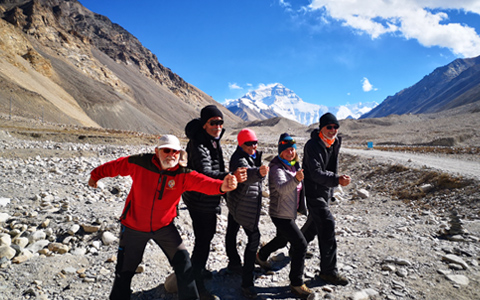
Meals in remote regions such as Everest Base Camp and Mount Kailash are simpler but sufficient. While food choices are more limited than in Lhasa, travelers can still enjoy warm and filling meals during an Everest Base Camp tour or a Mount Kailash trek.
At Everest Base Camp, most tent restaurants and guesthouses serve traditional Tibetan dishes, including Tibetan noodles, tsampa, and sweet tea, along with basic Chinese meals such as fried rice, noodle soup, and stir-fried vegetables. Small shops or stalls also offer instant noodles, biscuits, soft drinks, and other snacks.
Along the Mount Kailash Kora route, you can find basic food and drinks at tea tents, shops, and guesthouses. Common options include Tibetan butter tea, tsampa, instant noodles, fried noodles, egg fried rice, packaged sausages, soft drinks, and bottled water.
Overnight stops, such as Dirapuk and Zutulpuk Monastery Guesthouses, feature simple restaurants serving flatbreads, noodles, vegetables, and rice meals.
 During a Mount Kailash kora, you can find simple but sufficient meals at stops like Zutulpuk Monastery.
Travel from Lhasa to Everest Base Camp and witness the grandeur of Mount Everest!
Where to Find Authentic Tibetan Food?
Local Tibetan Restaurants
Our local restaurants serve classic Tibetan dishes at fair prices. Menus often include pictures, making it easy for visitors to order. Look for busy, simple places frequented by locals — they often serve the most authentic Tibetan food.
Notable choices include Tibetan Family Kitchen, Crazy Yak Saloon, House of Shambhala Restaurant, and Lhasa Kitchen. Many of these restaurants are conveniently located near the Jokhang Temple and along Barkhor Street.
Tea Houses
Tibetan teahouses are a must-visit, offering traditional Tibetan butter tea, sweet tea, Tibetan noodles, momos, and other local specialties. They are relaxing places where you can chat with fellow travelers, observe local life, and sample authentic Tibetan flavors. Guangming Gangqiong Sweet Teahouse is one of the most popular teahouses in Lhasa.
Tibetan Family Visits
For travelers seeking deeper cultural experiences, visiting a Tibetan family offers a unique opportunity to enjoy homemade food and learn about local traditions firsthand. Before visiting, it is a good idea to learn some basic Tibetan etiquette, which helps demonstrate respect and gratitude toward your hosts.
 Tibetan teahouses are relaxing places to chat and sample authentic Tibetan flavors.
Other Dining Options for International Travelers in Tibet
For travelers looking for more variety, or for those who are not accustomed to traditional Tibetan food, Tibet also offers a range of alternative dining options.
- Chinese Food: Chinese restaurants serve regional cuisines from across the country. Rice dishes, stir-fries, and soups are easy to find in towns and hotels. Authentic Sichuan cuisine, known for its bold spices and rich flavors, is widely available throughout Lhasa and other major cities.
- Nepali Food: Thanks to Tibet's proximity to Nepal, Nepali cuisine is also popular, with popular dishes including momos, dal bhat (lentils and rice), curries, and sel roti, a traditional Nepali rice bread.
- Western Food: You can also find international restaurants, Western-style cafés, bakeries, and fast-food outlets in Tibet's major urban areas, offering familiar dining options such as pizza, pasta, sandwiches, and coffee alongside local Tibetan cuisine.
- Vegetarian Restaurants: To cater to international travelers with dietary preferences, vegetarian options are increasingly available in Lhasa, Shigatse, and other major cities. Many restaurants serve vegetarian noodles, vegetable dishes, soups, and light meals.
 If you are not used to traditional Tibetan food, Western food options are also available in Tibet.
Practical Dining Etiquette in Tibet
- Eat quietly and calmly. It's polite to try a little of everything offered. Avoid wasting food.
- When offered butter tea, accept it with your right hand or both hands. Sip slowly; you don't have to finish the cup.
- Use your right hand for eating and passing items.
- Wait for elders or hosts to begin eating before you start your meal.
Tips for Enjoying Tibetan Food During Your Tibet Tour
Altitude Considerations
Tibet's high altitude may temporarily affect your appetite and digestion, especially during the first few days of your trip. To help your body adjust, eat light meals, drink plenty of water, and avoid alcohol. Warm soups, noodles, and butter tea are often easier to digest and can provide extra energy during acclimatization.
Food Safety
Most restaurants and hotels in Tibet follow basic food safety standards, but it is still wise to choose clean and reputable dining places. Drink bottled or boiled water whenever possible, and avoid eating uncooked foods if you have a sensitive stomach. Carrying some digestive medicine can also be helpful during your journey.
Vegetarian Travel Tips
Vegetarian travelers can find a growing number of meat-free options in Lhasa, Shigatse, and other major cities. Vegetable dishes, noodles, soups, and Tibetan bread are commonly available. If you have specific dietary requirements, inform your guide or restaurant staff in advance to ensure suitable meal arrangements.
Recommended Foods for First-Time Visitors
If you're trying Tibetan food for the first time, start with momos, thukpa, thenthuk, Tibetan yogurt, and sweet tea. These dishes are flavorful, easy to enjoy, and widely available. Once you become familiar with local flavors, you can move on to more traditional specialties such as tsampa, butter tea, yak meat, and Tibetan cheese.
 For first-time visitors, Tibetan noodles, momos, and sweet tea are highly recommended.
Join our Mount Kailash Tour for a once-in-a-lifetime spiritual journey!
Quick Summary and FAQs About Tibetan Food and Drinks
Quick Summary
Tibetan cuisine has developed over centuries to suit life on the world's highest plateau. Influenced by the region's high altitude, harsh climate, and Tibetan Buddhist traditions, it focuses on hearty, energy-rich foods such as tsampa, yak meat, dairy products, and butter tea. These simple yet nourishing foods play an important role in everyday Tibetan life.
For travelers, Tibetan food offers a unique way to experience local culture. Popular dishes include momos, thukpa, thenthuk, yak meat specialties, and Tibetan cheese, while traditional drinks such as butter tea, sweet tea, barley wine, and yogurt are widely enjoyed across the region.
Authentic Tibetan cuisine can be experienced in tea houses, family-run restaurants, and even remote destinations such as Everest Base Camp and Mount Kailash. In addition to traditional Tibetan dishes, other dining options such as Nepali cuisine, Western food, and vegetarian meals are also available in cities like Lhasa and Shigatse.
Q1: What is the most famous food in Tibet?
Tsampa is widely regarded as the most iconic Tibetan food. Made from roasted highland barley flour, it has been a staple of Tibetan diets for centuries.
Q2: What drinks are popular in Tibet?
The most popular Tibetan drinks include butter tea, sweet tea, Tibetan barley wine (Chang), and Tibetan yogurt. Among them, butter tea is considered the signature drink of Tibet.
Q3: Is Tibetan food spicy?
No. Tibetan food is generally mild and lightly seasoned. Most dishes rely on natural flavors from ingredients such as yak meat, barley, dairy products, garlic, and local herbs rather than hot spices.
Q4: Can foreigners eat Tibetan food easily?
Yes. Many Tibetan dishes, such as momos, thukpa, sweet tea, and Tibetan yogurt, are easy for international travelers to enjoy. Cities like Lhasa also offer Chinese, Nepali, vegetarian, and Western dining options.
Q5: Is butter tea worth trying?
Absolutely. Butter tea is one of the most important parts of Tibetan food culture. Although its salty taste may seem unusual at first, it provides warmth and energy and offers a genuine taste of Tibetan daily life.
Q6: What do Tibetans eat every day?
We eat tsampa, butter tea, noodles, yak meat, dairy products, soups, and dumplings as part of our daily meals. The exact menu varies by region, season, and lifestyle.
Q7: Where can I try authentic Tibetan food in Lhasa?
Local Tibetan restaurants, tea houses, and Tibetan family visits offer some of the most authentic dining experiences. Popular places include Tibetan Family Kitchen, Guangming Sweet Teahouse, and other restaurants around Jokhang Temple and Barkhor Street.
Q8: What food is available at Everest Base Camp?
Food options at Everest Base Camp are simple but sufficient. Visitors can enjoy Tibetan noodles, tsampa, sweet tea, fried rice, noodle soup, and other basic meals, along with snacks and bottled drinks.
Q9: Can vegetarians find food in Tibet?
Yes. Vegetarian options are increasingly available in Lhasa, Shigatse, and other major cities. Many restaurants serve vegetable dishes, noodles, soups, Tibetan bread, and other meat-free meals.
Conclusion
Tibetan food is a reflection of the region's geography, religion, and way of life. From tsampa and yak meat to butter tea and Tibetan yogurt, every meal tells a story about life on the world's highest plateau.
Whether you're tasting momos in a local teahouse, sharing butter tea with a Tibetan family, or having a simple meal at Everest Base Camp, food offers one of the most authentic ways to connect with Tibetan culture.
Looking for more information about Tibetan food and drinks? Feel free to contact us. We would be happy to answer your questions and help you plan an unforgettable Tibet tour.
 Facebook
 Tweet
Tweet
 Linkedln
 Reddit




Ask a Quick Question