





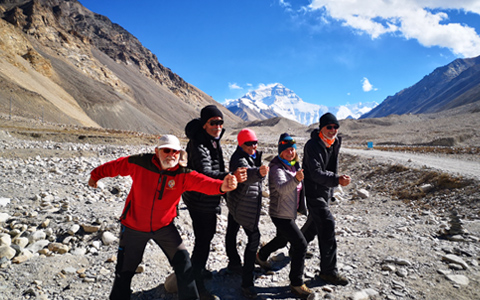
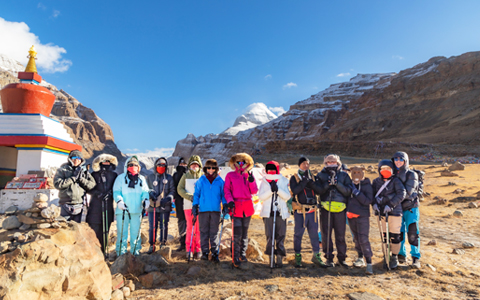
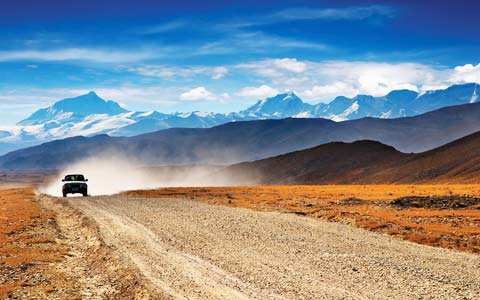
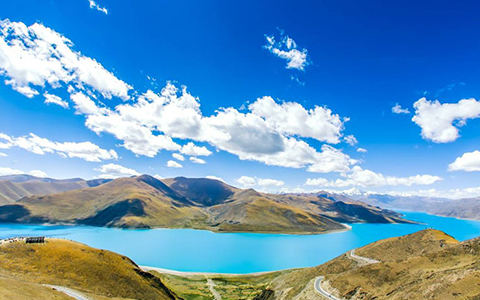






Nestled between Lhasa and Shigatse, Gyantse is one of the most fascinating destinations in Central Tibet. Known for its impressive monasteries, centuries-old fortress, and well-preserved traditional atmosphere, it is a key stop along the classic overland route from Lhasa to Everest Base Camp.
Whether you are interested in Tibetan Buddhism, cultural heritage, photography, or simply experiencing a quieter side of Tibet, Gyantse deserves a place on your Tibet itinerary. Read on to discover its geography, top attractions, transportation options, local cuisine and accommodation, as well as the best times to visit.
Quick Facts About Gyantse Tibet
- Location: Shigatse Prefecture, Central Tibet
- Average Altitude: About 4,040 meters
- Distance from Lhasa: About 260 km
- Distance from Shigatse: About 90 km
- Best Time to Visit: April–October
- Top Attractions: Pelkor Chode Monastery, Gyantse Kumbum Stupa, and Gyantse Dzong Fortress
- Recommended Stay: 1 Day
- Best For: Culture Lovers, History Enthusiasts, and Photographers
- Required Permit: Tibet Travel Permit
Contents
 Why Is Gyantse Worth Visiting?
Top Attractions in Gyantse Tibet
Scenic Highlights on the Way to Gyantse
How to Get to Gyantse from Lhasa and Shigatse
Accommodation and Food in Gyantse
Practical Travel Tips for Visiting Gyantse
Where Is Gyantse in Tibet?
Location and Geography
Gyantse is located in the southwestern part of Tibet, within Shigatse Prefecture. Situated at an altitude of approximately 4,040 meters above sea level, the town lies in the fertile Nyangchu River Valley, surrounded by mountains, farmland, and traditional Tibetan villages.
Fed by the Nyangchu River from the Karola Glacier, Gyantse is a prime agricultural area on the Tibetan Plateau. Highland barley is the staple crop here, together with wheat, peas, and rapeseed. Thanks to its productive farmland, Gyantse is widely known as "Tibet's Granary."
Unlike the busy streets of Lhasa, Gyantse offers a more relaxed and authentic atmosphere. Its location between Lhasa and Shigatse makes it an ideal stop for travelers exploring Central Tibet.
Distance and Travel Times
Gyantse is approximately 260 kilometers from Lhasa and around 90 kilometers from Shigatse. Most travelers reach the town by road as part of a guided Tibet tour.
The drive from Lhasa usually takes around five hours. However, most travelers spend 7–9 hours on the route, stopping to visit Yamdrok Lake, Karola Glacier, and Simila Pass along the way.
From Shigatse, the drive typically takes less than two hours. Thanks to its strategic location, Gyantse is often included in multi-day tours heading toward Mount Everest.
 Gyantse lies in the fertile Nyangchu River Valley in the southwestern part of Tibet.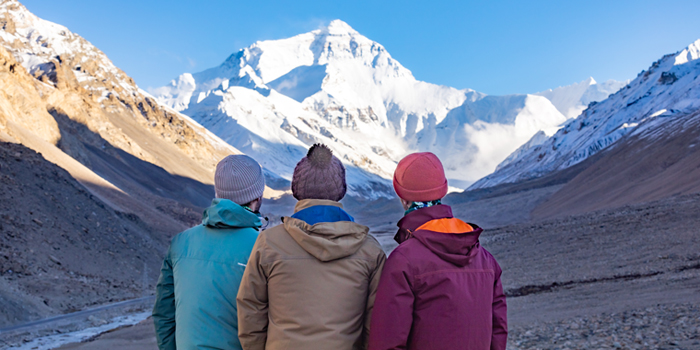

Experience the perfect blend of Tibetan culture, stunning landscapes, and the majesty of Mount Everest.
Why Is Gyantse Worth Visiting?
One of Tibet's Best-Preserved Historic Towns
Gyantse is widely regarded as one of Tibet's most historic towns, with a history spanning more than 1,000 years. Unlike many modern urban centers, it still retains much of its traditional character. Ancient streets, historic buildings, and centuries-old religious sites provide visitors with a glimpse into Tibet's rich past.
A Unique Blend of History, Religion, and Culture
For centuries, Gyantse served as an important trading center connecting Tibet with neighboring regions such as Nepal, Bhutan, and India. The town also played a significant role during the British expedition to Tibet in 1904, making it an important historical landmark.
At the same time, Gyantse remains a vibrant center of Tibetan Buddhism. Magnificent monasteries, sacred stupas, prayer flags, and local religious traditions continue to shape daily life.
Additionally, the unique 600-year-old Damar Festival and the renowned Khaden carpet-weaving tradition showcase the rich folk culture that continues to thrive in Gyantse today.
 Many historic buildings and sites are well-preserved in Gyantse.
Authentic Tibetan Life Beyond Lhasa
Unlike Tibet's larger cities, villages around Gyantse still preserve traditional farming and pastoral lifestyles. Here, you can observe local residents going about their daily routines, including circumambulating Pelkor Chode Monastery as part of their daily religious practice, cultivating highland barley, tending livestock, and practicing traditional handicrafts.
You can also explore small family-owned shops and experience the town's slower pace of life. Together, these experiences offer deeper insight into contemporary Tibetan culture and local traditions.
A Must-Stop on the Route to Everest Base Camp
An overland journey to Everest Base Camp is one of the highlights of a Tibet tour, with Gyantse serving as a key stop along the route. After exploring scenic attractions such as Yamdrok Lake and Karola Glacier, you can immerse yourself in Gyantse's rich history, religious heritage, and authentic Tibetan culture before continuing toward Everest.
Top Attractions in Gyantse Tibet
Pelkor Chode Monastery and Kumbum Stupa: Religious Heritage and Sacred Architecture
Pelkor Chode Monastery is the spiritual heart of Gyantse and one of the most important religious sites in Central Tibet. Built between 1418 and 1427 by the Prince of Gyantse and the First Panchen Lama, the monastery is known for its remarkable architecture and historical significance.
One of the most remarkable historical features of Pelkor Chode Monastery is that it has served as a shared religious center for the Gelug, Sakya, and Buton (Shalu) traditions, three major schools of Tibetan Buddhism, for over 600 years. The monastery also hosts the opening ceremony of the annual Damar Festival.
Within the monastery complex stands the famous Kumbum Stupa, one of Tibet's most iconic religious monuments. This 42-meter-tall structure contains 76 chapels and more than 100,000 statues, while beautifully blending Tibetan, Han Chinese, and Nepalese architectural styles.
Inside the chapels, you can find Buddhist statues, murals, and artworks that reflect centuries of Tibetan religious tradition. Together, Pelkor Chode Monastery and the Kumbum Stupa represent some of the finest examples of Tibetan Buddhist architecture and sacred art.
 As the spiritual heart of Gyantse, Pelkor Chode Monastery is home to valuable Buddhist statues and murals.
Gyantse Dzong Fortress: Historical Landmark and Scenic Viewpoint
Perched on a hill overlooking the town, Gyantse Dzong Fortress is one of the most recognizable landmarks in the region. It is particularly beautiful at sunrise and sunset, when the golden light illuminates the historic structure and surrounding landscape.
In Tibetan, "Gyantse" means "victorious peak," and the town takes its name from Gyantse Dzong Fortress. The fortress played a key role during the British expedition of 1904 and remains a symbol of local resilience and historical legacy.
You can explore the fortress and learn about its military history while enjoying panoramic views of the Gyantse Valley, surrounding farmland, and distant mountains.
 Gyantse Dzong Fortress is one of the most recognizable landmarks in Gyantse.
Scenic Highlights on the Way to Gyantse
Yamdrok Lake: Tibet's Sacred Turquoise Lake
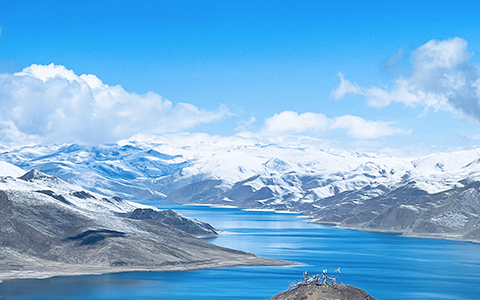
After a 2.5–3-hour drive southwest of Lhasa, you can reach Yamdrok Lake, one of Tibet's three sacred lakes. The lake is famous for its brilliant turquoise waters, which change color with the shifting sunlight. Surrounded by snow-capped peaks, it is widely regarded as one of the most beautiful natural attractions in Tibet.
Along the way, you can make a short stop at Gambala Pass (4,790 m), which offers panoramic views of Yamdrok Lake. Afterward, you can visit several lakeside viewpoints to admire the breathtaking scenery before continuing your journey to Gyantse.
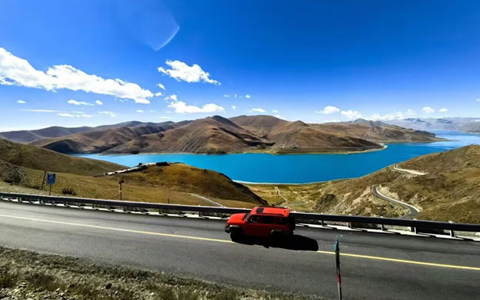
 Yamdrok Lake is the first sightseeing stop on the way from Lhasa to Gyantse.
Karola Glacier: One of Tibet's Most Accessible Glaciers
Located on the county border between Langkazi County in Shannan and Gyantse County in Shigatse, Karola Glacier lies beside the main highway connecting Lhasa and Gyantse. Just an hour's drive from Yamdrok Lake, this breathtaking glacier soon comes into view.
You can stop at a roadside viewpoint to admire the towering ice walls cascading down from the snow-capped Noijin Kangsang Peak, while colorful Tibetan prayer flags flutter along the glacier's base.
 The breathtaking Karola Glacier can easily be seen from the main highway connecting Lhasa and Gyantse.
Simila Pass: Sweeping Highland Views and Prayer Flags
Before arriving in Gyantse, you can make a brief stop at Simila Pass. At an elevation of over 4,300 meters, the pass offers sweeping views of the Manla Reservoir, the Nyangchu Valley, and the surrounding mountains.
Colorful Tibetan prayer flags line the pass, creating a classic Tibetan landscape that many travelers remember long after their journey. You can also hang prayer flags here to offer prayers for the well-being of your loved ones.
 Simila Pass offers sweeping views of the Manla Reservoir, the Nyangchu Valley, and the surrounding mountains.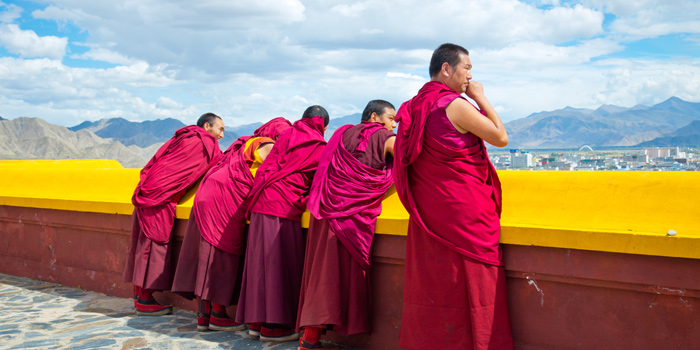
Join our classic Central Tibet tour to explore Lhasa, Gyantse, and Shigatse with ease.
Best Time to Visit Gyantse
Spring: Ideal for Sightseeing and Mild Temperatures
Spring brings gradually warming temperatures and clear weather conditions. Daytime temperatures range from 12°C to 18°C, making this season ideal for sightseeing and outdoor exploration. The crisp air and clear skies provide excellent visibility of the distant snow-capped peaks surrounding the Gyantse Valley.
Summer: Lush Farmlands and Vibrant Rural Scenery
Gyantse's short summer rainy season transforms the Nyangchu Valley into a lush green paradise, with rapeseed fields bursting into vast stretches of golden blossoms across the surrounding countryside from mid-July onward.
Compared with the summer heat in many mainland cities, Gyantse's summers remain pleasantly warm and comfortable for travel. Brief afternoon showers occasionally roll across the valley, but they rarely affect daytime sightseeing.
 Summer brings vast stretches of golden rapeseed blossoms across Gyantse.
Autumn: The Best Season for Photography and Scenic Views
Autumn is widely considered the best season to visit Gyantse, especially for colorful landscape and cultural photography. Harvested barley fields turn the countryside into golden plains surrounding the ancient town, creating some of the most picturesque rural scenery in Central Tibet.
In early September, the centuries-old Gyantse Damar Festival brings horse racing, traditional sports competitions, and open-air Tibetan opera performances. The festival offers visitors a rare opportunity to experience local traditions, colorful Tibetan costumes, and the vibrant folk culture of the region.
Winter: Budget-Friendly Travel and Peaceful Exploration
Gyantse's winter brings freezing overnight temperatures but consistently clear and sunny days. With fewer tourists and lower hotel rates, this season is ideal for budget-conscious travelers and those seeking a more peaceful and immersive cultural experience.
 In early September, you can watch exciting horse races during the Gyantse Damar Festival.
How to Get to Gyantse from Lhasa and Shigatse
Travel Overview: Getting to Gyantse from Lhasa and Shigatse
| Route | Distance | Travel Time | Route Highlights | Best For |
|---|---|---|---|---|
| Lhasa–Gyantse | About 260 km | Around 5 hours driving time (7–9 hours including sightseeing) | Yamdrok Lake, Karola Glacier, and Simila Pass | First-time Tibet travelers and photographers |
| Shigatse–Gyantse | About 90 km | Around 1.5–2 hours | Nyangchu Valley and rural Tibetan scenery | Travelers continuing to or from Everest Base Camp |
Traveling from Lhasa
Most travelers reach Gyantse from Lhasa via the scenic G349. Along the way, visitors can stop at Yamdrok Lake, Karola Glacier, and Simila Pass before arriving in Gyantse. Depending on how much time you spend at these attractions, the journey to Gyantse typically takes 7–9 hours.
As international travelers are not permitted to travel independently in Tibet, joining an organized tour is highly recommended. We take care of transportation, Tibet permit applications, and professional local guides, allowing you to enjoy a smooth, hassle-free journey from start to finish.
Traveling from Shigatse
Gyantse is only about 90 kilometers from Shigatse, making it an easy day-trip destination or a convenient overnight stop. Road conditions are generally good, and the drive usually takes around one to two hours.
Many travelers choose to continue to Shigatse for an overnight stay after visiting Gyantse, before heading onward to Everest Base Camp.
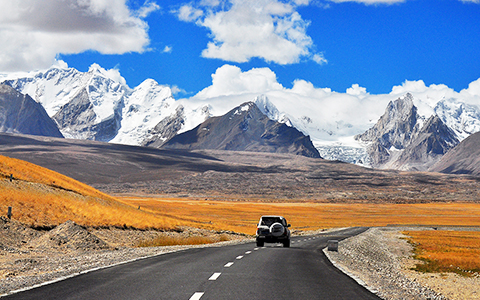
 Traveling from Lhasa to Gyantse via the scenic G349 offers breathtaking scenery along the way.
Accommodation and Food in Gyantse
Where to Stay in Gyantse
Gyantse offers a range of accommodations, including comfortable hotels, local guesthouses, and Tibetan-style lodgings. Most options are located near the town center and major attractions. Many hotels provide comfortable bedding, free Wi-Fi, heating facilities, and readily available hot drinking water, helping travelers stay comfortable at high altitude.
What to Eat in Gyantse
In addition to popular Tibetan foods and drinks such as tsampa, momos, Tibetan noodles, yak meat, butter tea, and highland barley wine, visitors can also try several local specialties unique to Gyantse and Shigatse.
For example, Gyantse is known for its handmade churpi, and churpi dumplings are a popular local snack. Ponbe is another signature snack made from pea jelly, known for its smooth yet firm texture.
If you are not accustomed to Tibetan flavors, traditional Chinese cuisine and Western fast food, such as hamburgers, fried chicken, and French fries, are also available in Gyantse.
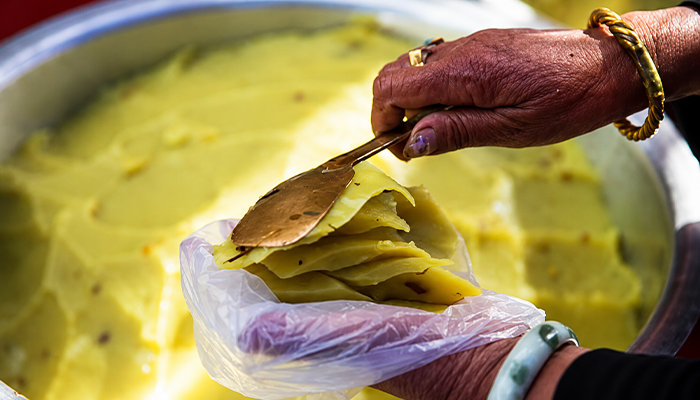 In addition to traditional Tibetan food, Gyantse also offers unique local foods and snacks, such as Ponbe (pea jelly).
Practical Travel Tips for Visiting Gyantse
Altitude and Acclimatization
At over 4,000 meters above sea level, Gyantse sits at a significantly higher elevation than many destinations around the world. Travelers should spend time acclimatizing in Lhasa before continuing to Gyantse.
Staying hydrated, avoiding strenuous activity during the first few days, and following your guide's recommendations can help reduce the risk of altitude sickness. When walking uphill to Gyantse Dzong Fortress, slow your pace and take a rest if you experience any discomfort.
Packing Essentials
Regardless of the season, dressing in layers is essential, as weather conditions in Tibet can change quickly. Be sure to pack sunscreen, sunglasses, and a hat, as UV radiation on the Tibetan Plateau is significantly stronger than in lowland regions.
Comfortable walking shoes are recommended for exploring the old town's stone-paved streets and the uphill paths leading to Gyantse Dzong Fortress.
Cultural Etiquette
When visiting monasteries and religious sites, you should dress respectfully and follow local customs. Always walk clockwise around religious structures and ask for permission before photographing monks or local residents.
Showing respect for Tibetan traditions will enhance your travel experience and interactions with local communities.
 At over 4,000 meters above sea level, you should climb slowly when exploring Gyantse Dzong Fortress.
Suggested Gyantse Itineraries
Lhasa to Shigatse via Gyantse (6 Days)
For travelers with limited time who want to experience Tibet's cultural highlights beyond Lhasa, the 6-day Lhasa–Shigatse tour is an excellent choice.
Starting from Lhasa, you will travel along one of Tibet's most scenic highways, visiting Yamdrok Lake, Karola Glacier, and Simila Pass before arriving in Gyantse. Here, you can explore the famous Pelkor Chode Monastery, the Kumbum Stupa, and Gyantse Dzong Fortress.
The journey then continues to Shigatse, where you can visit the renowned Tashilhunpo Monastery, the traditional seat of the Panchen Lamas. This itinerary combines Tibet's most spectacular landscapes with its rich religious and cultural heritage, making it ideal for first-time visitors.
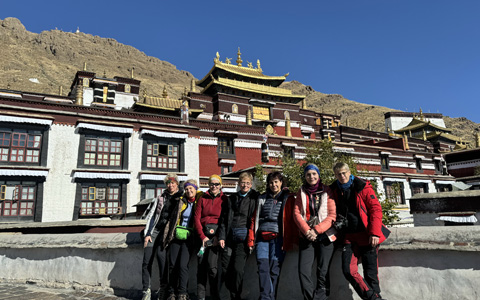
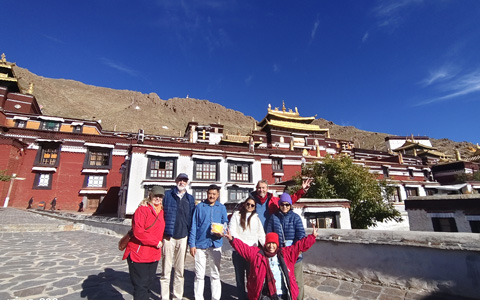
 On the Lhasa–Shigatse route, you can visit the famous Tashilhunpo Monastery after exploring Gyantse.
Lhasa to Everest Base Camp via Gyantse (8 Days)
For travelers seeking both cultural exploration and Himalayan adventure, the 8-day Lhasa–Everest Base Camp route is one of Tibet's most rewarding journeys.
After exploring Lhasa's iconic landmarks, including the Potala Palace and Jokhang Temple, you will travel through Gyantse and Shigatse, experiencing Tibet's rich cultural heritage before continuing toward the Himalayan region.
The highlight of the trip comes as you continue westward toward Mount Everest. From Everest Base Camp, you can enjoy breathtaking views of the world's highest peak and experience the dramatic landscapes of the northern Himalayas.
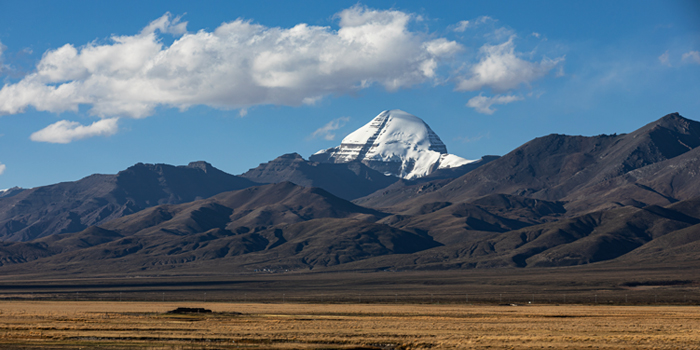
Join our ultimate Kailash pilgrimage tour for a once-in-a-lifetime spiritual adventure.
Quick Summary and FAQs About Gyantse Tibet
Quick Summary
Gyantse is one of the most historic and culturally significant destinations in Central Tibet. Located between Lhasa and Shigatse, it is easily accessible by road from both cities, with the journey offering some of the most spectacular landscapes on the Tibetan Plateau.
This ancient town is known for its rich Tibetan Buddhist heritage, centuries-old architecture, and authentic local atmosphere. Highlights such as Pelkor Chode Monastery, the Kumbum Stupa, and Gyantse Dzong Fortress offer fascinating insights into Tibet's history, religion, and traditional way of life.
Beyond its cultural attractions, Gyantse is also a scenic stop along the classic overland route to Shigatse and Everest Base Camp. Together with nearby highlights such as Yamdrok Lake, Karola Glacier, and Simila Pass, it offers an ideal combination of Tibetan culture, history, and spectacular high-altitude scenery.
Q1: What is Gyantse famous for?
Gyantse is best known for Pelkor Chode Monastery, the Kumbum Stupa, Gyantse Dzong Fortress, and its well-preserved Tibetan cultural heritage. It is also an important stop on the route to Everest Base Camp.
Q2: How far is Gyantse from Lhasa and how can I get there?
Gyantse is about 260 kilometers southwest of Lhasa. Most travelers reach the town by road as part of an organized Tibet tour, usually visiting Yamdrok Lake and Karola Glacier along the way.
Q3: Can foreigners visit Gyantse?
Yes. Foreign travelers can visit Gyantse with a valid Tibet Travel Permit and by joining an organized Tibet tour.
Q4: What is the best time to visit Gyantse?
The best time to visit is generally from April to October. Autumn is particularly popular for photography, while summer offers beautiful rural scenery and blooming rapeseed fields.
Q5: Can I visit Gyantse independently?
No. Independent travel is not permitted for international visitors in Tibet. Foreign travelers must travel with a licensed guide and arranged transportation.
Q6: Is Gyantse worth visiting?
Absolutely. Gyantse combines history, religion, traditional Tibetan culture, and scenic landscapes, making it one of the most rewarding destinations in Central Tibet.
Q7: How many days should I spend in Gyantse?
Most travelers spend half a day to one full day exploring Gyantse's main attractions. It is commonly visited as part of a multi-day Tibet itinerary.
Q8: Is Gyantse included in Everest Base Camp tours?
Yes. Many classic Lhasa–Everest Base Camp tours include Gyantse as a key stop between Lhasa and Shigatse, allowing travelers to experience both Tibetan culture and Himalayan scenery.
Conclusion
Whether you are traveling between Lhasa and Shigatse or heading toward Everest Base Camp, Gyantse is a destination well worth including in your itinerary. Its unique combination of history, religious heritage, architecture, and authentic Tibetan culture makes it an essential stop for travelers seeking a deeper understanding of the region.
From admiring the magnificent Kumbum Stupa at Pelkor Chode Monastery and exploring the historic Gyantse Dzong Fortress to enjoying the spectacular scenery of Yamdrok Lake, Karola Glacier, and Simila Pass along the way, every part of the journey offers memorable experiences.
Want to learn more about this historic town in Tibet? Feel free to contact us for detailed information and professional travel assistance!
 Facebook
 Tweet
Tweet
 Linkedln
 Reddit



Ask a Quick Question