











Yamdrok Lake Tibet: 2026/2027 Travel Guide and How to Visit
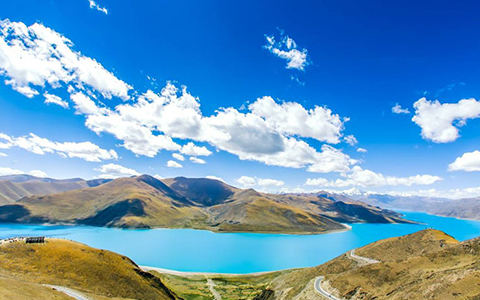
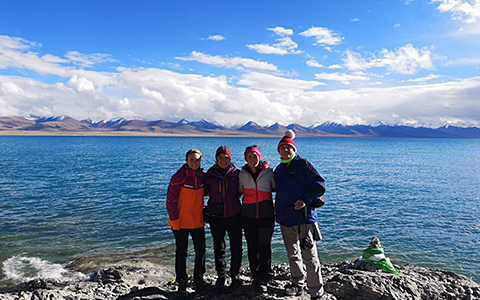
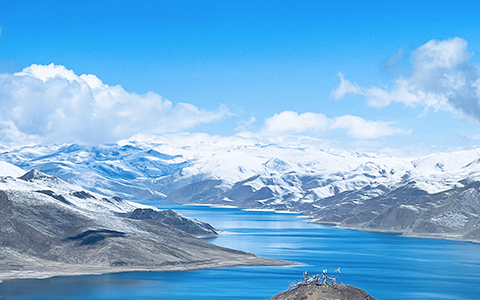
As one of Tibet’s Three Great Holy Lakes, Yamdrok Lake is a must-visit destination for anyone exploring the region. Cradled by snow-capped mountains, its famous turquoise waters shift in color with the light, creating some of the most breathtaking landscapes on the Tibetan Plateau.
Located about 114 kilometers west of Lhasa, Yamdrok Lake is easy to reach via a scenic 2.5-hour drive. Most tourists visit as a day trip from Lhasa or as a stop on the way to Shigatse, Mount Everest, or deeper into western Tibet.
Open year-round, the lake welcomes all types of travelers, including families, seniors, and first-time visitors. Whether you are here to capture stunning photos, explore lakeside Tibetan villages, or simply soak in the serene scenery, Yamdrok Lake provides a truly immersive experience.
This guide covers everything you need for visiting Yamdrok Lake in 2026/2027, including its location, how to get there, best time to visit, top things to do, required travel documents, and packing tips. Read on to discover how to make the most of your journey to this sacred Tibetan wonder.
Quick Facts: Yamdrok Lake at a Glance
- Chinese Name: 羊卓雍错 (Yángzhuō Yōngcuò)
- Altitude: 4,441 m (14,570 ft)
- Significance: One of the Three Great Holy Lakes in Tibet
- Location: Situated in Nagarze County, Shannan, about 114 km southwest of Lhasa
- Water Profile: A freshwater lake fed by melting glaciers, famous for shifting colors that range from emerald green to deep sapphire
- Top Viewpoints: Kamba La Pass (4,790 m) and Lurila Viewing Platform (4,960 m)
- Transportation: Approximately a 2.5-hour scenic drive from Lhasa
- Best Time to Visit: April to October for mild weather, though winter offers unique bird-watching and serene landscapes
- Travel Permits: Chinese Visa, Tibet Travel Permit, Alien’s Travel Permit
- Key Tips: Pack windproof layers, use high-SPF sun protection, and always respect local religious customs
Contents
 Where is Yamdrok Lake in Tibet? Why Visit Yamdrok Lake?
How to Get to Yamdrok Lake in Tibet? Convenient Drive from Lhasa
When is the Best Time to Visit Yamdrok Lake in 2026/2027?
What are the Top Things to Do at Yamdrok Lake?
Surrounding Attractions near Yamdrok Lake
More Travel Tips for Tibet Yamdrok Lake Tour
Recommended Itineraries to Visit Yamdrok Lake in Tibet
Where is Yamdrok Lake in Tibet? Why Visit Yamdrok Lake?
Where is Yamdrok Lake? How Far is It from Lhasa?
Yamdrok Lake, also known as Yamdrok Tso, is located about 114 kilometers southwest of Lhasa, the capital of the Tibet Autonomous Region. It lies within Gongga and Nangartse counties of Shannan prefecture, surrounded by snow-capped mountains and vast highland landscapes.
Its proximity to Lhasa makes Yamdrok Lake easy to visit as a day trip or as part of a longer Tibet itinerary. The drive usually takes around 2.5 hours, depending on traffic and any scenic stops along the way.
Sitting at an altitude of roughly 4,441 meters (14,570 feet), Yamdrok Lake covers an area of about 638 square kilometers and stretches approximately 72 kilometers in length. Scattered across the lake are 21 small islands, adding to the scenic charm of this highland gem.
Why Visit Yamdrok Lake in Tibet? Spiritual Importance and Scenic Highlights
(1) Religious Importance
Yamdrok Lake is deeply sacred to Tibetans and is revered as one of the Three Great Holy Lakes of Tibet, alongside Namtso Lake and Lake Manasarovar.
According to legend, a fairy maiden descended from heaven and transformed into the lake, becoming the female guardian of Buddhism in Tibet.
Pilgrims often visit Yamdrok to offer prayers, pay homage, and take part in traditional rituals, giving travelers a glimpse into Tibet’s rich spiritual culture.
(2) Natural Beauty
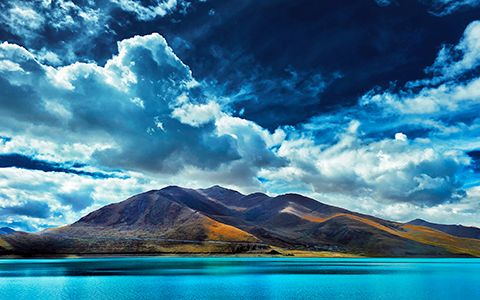
Yamdrok Lake is famous for its turquoise-blue waters, fed by freshwater from melting glaciers in the surrounding mountains.
Its colors shift from emerald green to deep turquoise throughout the day and across the seasons, creating a mesmerizing scene. This ever-changing palette makes Yamdrok Lake a paradise for photographers and nature lovers.
(3) Wildlife Around the Lake
Yamdrok Lake is also home to a variety of wildlife. You may see grazing yaks, an enduring symbol of Tibetan life, as well as abundant fish, considered incarnations of the water god in local beliefs. In winter, migratory birds visit the lake, making it one of the best bird-watching spots in Tibet.
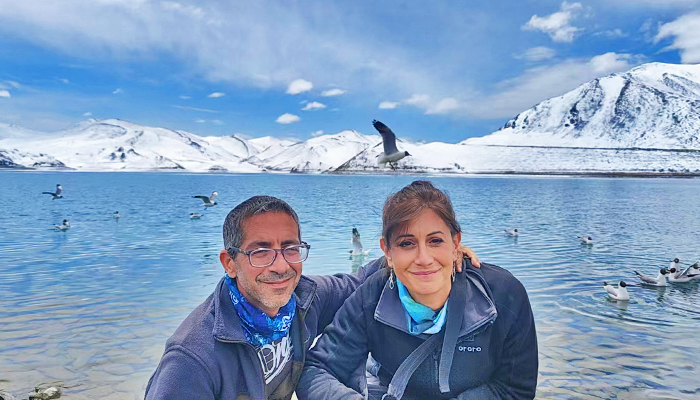 Yamdrok Lake is a prime bird-watching spot in Tibet during winter.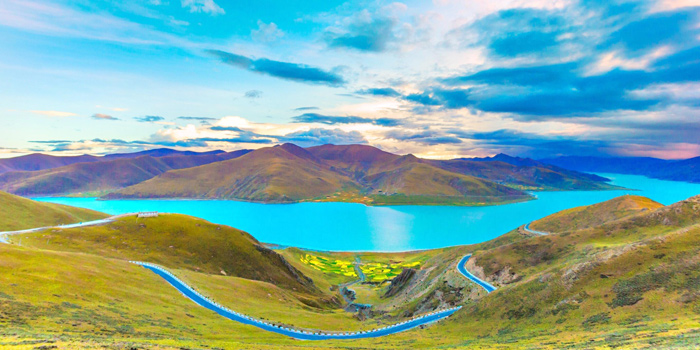

Join our most popular Lhasa and Yamdrok Lake tour for a smooth experience!
How to Get to Yamdrok Lake in Tibet? Convenient Drive from Lhasa
Visiting Yamdrok Lake is straightforward, with a short drive from Lhasa.In this section, we’ll guide you through the drive, road conditions, and practical tips to ensure a smooth and enjoyable trip.
How to Drive from Lhasa to Yamdrok Lake?
Yamdrok Lake is about 114 kilometers southwest of Lhasa, and the drive usually takes around 2.5 hours.
While there is no direct public bus, you can hire a private car or join a guided tour to reach the lake. Choosing our tours ensures a clean and safe vehicle, along with an experienced local guide and driver to make the journey more comfortable.
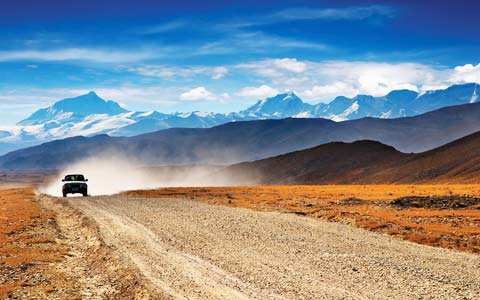
The route follows the G318 Highway toward western Tibet and Mount Everest. Shortly after passing Quxu, you cross a bridge over the Yarlung Zangbo River and continue on the S307 Highway, heading southwest toward Gyantse.
Along the way, the road climbs over Kamba La Pass at 4,790 meters, where you’ll be rewarded with your first breathtaking view of Yamdrok Lake. From the pass, the road descends to the lake’s shores, offering the perfect opportunity to stop, take photos, and admire the turquoise waters up close.
Tips for Getting to Yamdrok Lake
- Acclimatization in Lhasa
Before heading to Yamdrok Lake, it’s recommended to spend at least two days in Lhasa. This allows your body to adjust to the high altitude while exploring iconic sites like the Potala Palace and Jokhang Temple. Proper acclimatization reduces the risk of altitude sickness and ensures a more enjoyable journey.
- Road Conditions
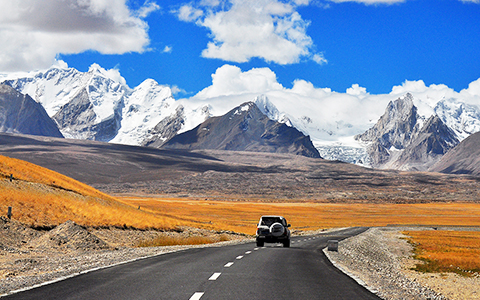
The road to Yamdrok Lake is well-paved and easy to navigate. It can be windy and reaches high altitudes at Kamba La Pass, so careful driving is advised. Stopping at viewpoints along the way not only provides rest but also great opportunities for photography.
- Timing Your Trip
Yamdrok Lake can easily be visited as a one-day trip from Lhasa, making it a convenient addition to your Tibet itinerary. Many travelers also continue onward to Shigatse or Mount Everest for a multi-day journey, combining scenic landscapes, cultural experiences, and visits to nearby monasteries.
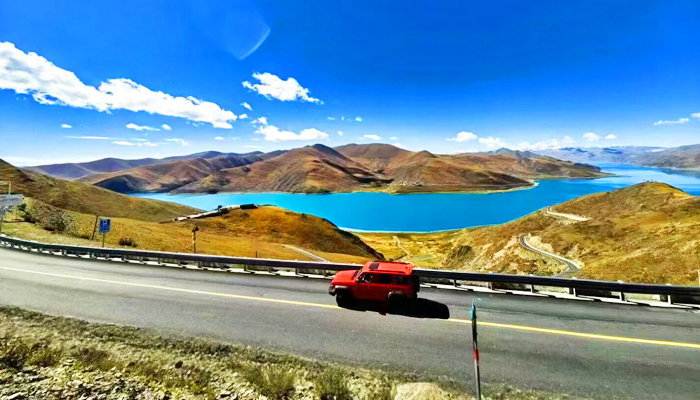 The road from Lhasa to Yamdrok Lake is well-paved and easy to drive.
When is the Best Time to Visit Yamdrok Lake in 2026/2027?
Yamdrok Lake can be visited year-round, with each season offering a unique experience. Here’s a guide to help you choose the best time for your 2026/2027 trip.
Overall Best Months: April to October
The best time to visit Yamdrok Lake is generally from April to October, when the weather is warm and mild. During these months, the average temperature ranges from 5°C to 23°C, making it comfortable for sightseeing and outdoor activities.
The skies are usually clear, and the lake’s turquoise waters sparkle vividly, while the surrounding mountains and grasslands are at their most picturesque. These conditions make it an ideal period for photography, hiking, and exploring the natural beauty of Tibet.
Monthly Weather Table for Yamdrok Lake
| Month | Max Temperature (°C) | Min Temperature (°C) | Average Clear Days | Average Rainfall (mm) |
|---|---|---|---|---|
| January | -15 | -10 | 5 to 17 | 0 to 2 |
| February | -10 | -5 | 7 to 19 | 0 to 2 |
| March | -5 | 0 | 8 to 10 | 2 to 5 |
| April | 5 | 10 | 10 to 12 | 15 to 20 |
| May | 10 | 15 | 12 to 15 | 10 to 15 |
| June | 15 | 20 | 15 to 18 | 10 to 20 |
| July | 18 | 23 | 12 to 15 | 20 to 40 |
| August | 17 | 22 | 12 to 14 | 15 to 25 |
| September | 10 | 15 | 18 to 20 | 5 to 10 |
| October | 5 | 10 | 15 to 18 | 5 to 8 |
| November | -5 | 0 | 8 to 15 | 2 to 5 |
| December | -10 | -5 | 6 to 18 | 0 to 2 |
Spring & Autumn (April–May, September–October): Ideal for Photography
In spring (April–May), temperatures at Yamdrok Lake start to warm up. Snow on the mountain peaks begins to melt, the grasslands turn green and lush, and colorful wildflowers bloom along the lakeshore.
With calm weather, clear blue skies, and the lake’s unfrozen turquoise waters, it’s the perfect time to capture stunning photos of Yamdrok Lake framed by the snow-capped mountains.
During autumn (September–October), the skies are at their clearest, offering excellent visibility. The weather is stable, the air crisp, and the lake appears deep blue and crystal clear.
Meadows around the lake turn golden, with open views created by the high water levels after summer rains. Autumn provides an ideal setting for photography, sightseeing, and lakeside walks.
Summer (June–August): Warm Weather and Lush Landscapes
Summer brings the warmest temperatures of the year, with vibrant green grasslands and flourishing natural scenery. This is also the peak travel season for Tibet travel.
Light rains may occur, usually at night or in the late afternoon, but they rarely disrupt travel. With milder temperatures and higher oxygen levels, summer is excellent for exploring the lake and its surroundings.
During this season, the water level of Yamdrok Lake is at its highest, creating breathtaking shades of yellow, green, blue, and sapphire.
Longer daylight hours allow for lakeside strolls, picnics, and encounters with herds of Tibetan yaks and sheep, offering a full experience of the region’s natural and pastoral beauty.
Winter (November–February): Budget Travel and Peaceful Scenery
Winter offers a quieter, more tranquil experience with fewer crowds. Although temperatures drop and winds increase, Yamdrok Lake remains a top destination for winter tours in Tibet.
Most days are sunny, rainfall is minimal, and visibility is excellent. Only the shallow shoreline and bays tend to freeze, while the central waters usually remain unfrozen. Snow blankets the surrounding landscape, creating a serene and magical atmosphere.
This season also attracts migratory birds, adding a unique charm for nature lovers and photographers.
Winter is a more budget-friendly time to visit, with lower admission fees and travel costs, making it perfect for travelers seeking serenity and a slower pace while enjoying the highland scenery.
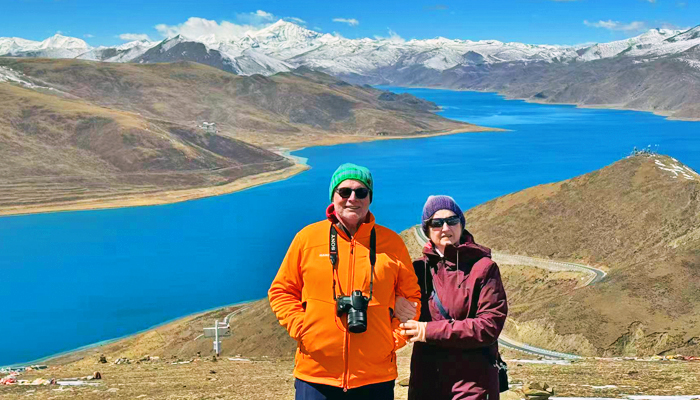 Winter is a more budget-friendly time to visit Yamdrok Lake, with lower admission fees and travel costs.
What are the Top Things to Do at Yamdrok Lake?
Yamdrok Lake is more than just a photo stop—it is a vast natural sanctuary offering spiritual, cultural, and adventurous experiences. Here are the top things to do to make the most of your 2026/2027 visit.
1. Sightseeing & Photography: Capture the Lake, Mountains, and Local Life
Yamdrok Lake is a paradise for photographers and nature lovers alike. Some of the key viewpoints include:
- Kamba La Pass (4,790 m): One of the ultimate postcard spots, where the lake curves like a blue ribbon against the backdrop of snow-capped Mt. Noijin Kangsang.
- Lurila Viewing Platform (4,960 m): Offers sweeping views of azure Yamdrok Lake, the towering peaks of Gulha Kangri, and in the distance, Rutok Monastery.
Photography tip: The best time to take photos is during sunrise or sunset, when the lake’s turquoise waters reflect the surrounding mountains in magical light. Along the way, you’ll also have the chance to capture glimpses of local nomadic life, adding a cultural touch to your landscape shots.
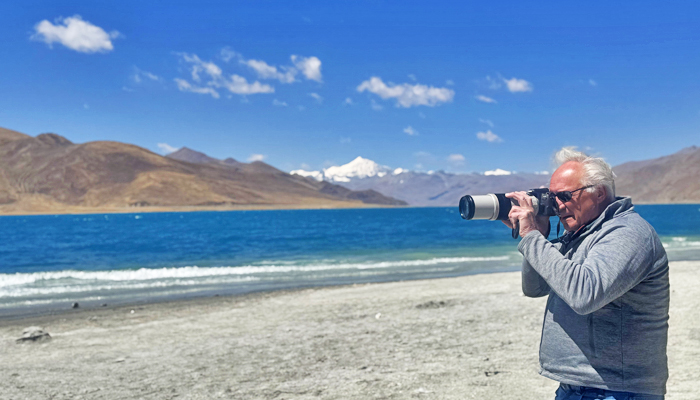 Yamdrok Lake is a photographer’s paradise, with stunning views of the lake and mountains.
2. Visit Local Villages at Yamdrok Lake
The shores of Yamdrok Lake are dotted with traditional Tibetan villages, where life has remained largely unchanged for centuries. During summer, you’ll often see nomads grazing yaks and sheep across the lush highland pastures, creating a vivid snapshot of Tibetan rural life.
For a truly immersive experience, you can visit a local Tibetan family. Step inside a traditional house, meet warm and welcoming hosts, sip authentic yak butter tea, enjoy homemade Tibetan dishes, and explore the home’s traditional décor.
All of our Tibet tours to Yamdrok Lake include the opportunity to connect with these herding families. It’s a unique chance to experience the real Tibet, learn about local customs, and gain a deeper understanding of Tibetan culture and daily life.
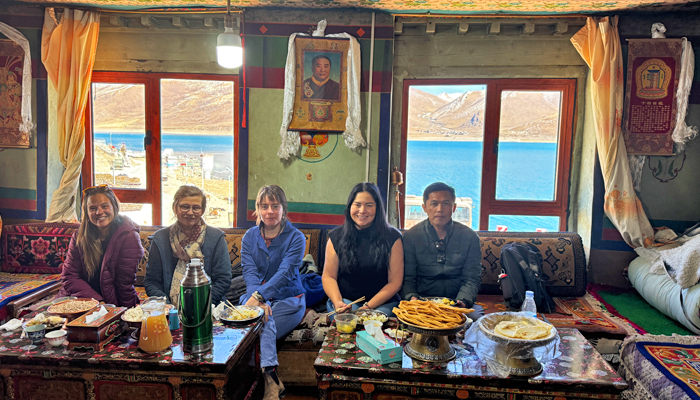 Our guests have visited a local Tibetan family near Yamdrok Lake.
3. Visit Rutok Temple: The World’s Loneliest Monastery
For travelers seeking tranquility away from the main tourist spots, Rutok Temple (Rituo Monastery) is a hidden gem. Perched on a small peninsula reaching into the heart of Yamdrok Lake, the temple is often home to just one resident monk, giving it an intimate and peaceful atmosphere.
Here, you can enjoy a 360°view of the lake and its chain of islands, a perspective that few visitors ever see.
Not included in most standard Tibet itineraries, our 5-day Lhasa to Yamdrok Lake tour offers the rare chance to explore this secret spot and experience the serene beauty and spiritual essence of Rutok Temple.
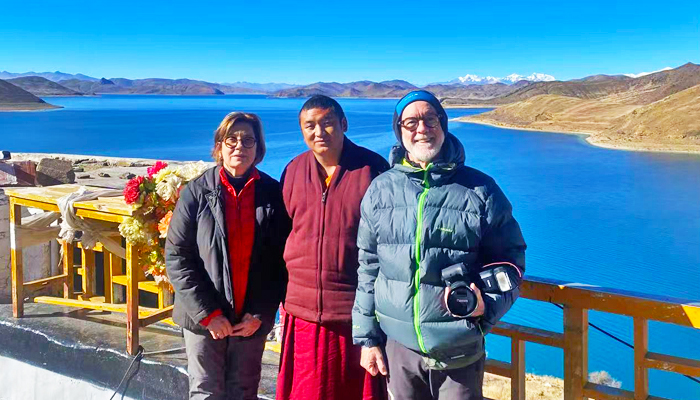 Capture a moment with a monk at Rutok Monastery and enjoy a 360° view of the lake and islands.
4. Photography with Tibetan Mastiffs
A fun and unique highlight along the lakeshore and at main viewing platforms is meeting the animals of local herders, including the famous Tibetan Mastiffs—large, fluffy, and gentle dogs native to the plateau.
For a small fee of about 2–5 USD, you can capture a special moment with these majestic animals, cuddle lambs, pet Tibetan Mastiffs, or even ride a decorated Tibetan yak. It’s not only a memorable experience but also a great way to support the local community.
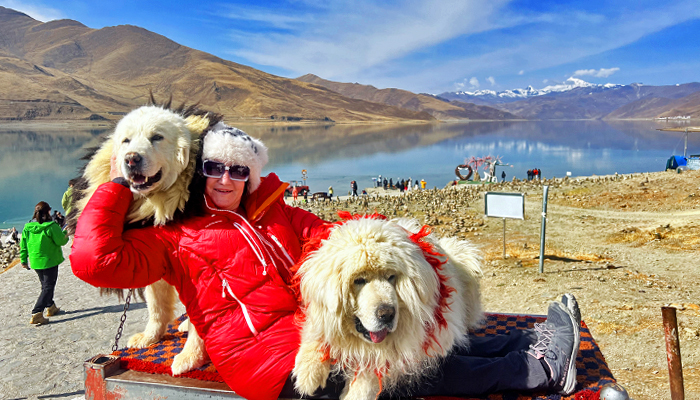 Our guests take photos with Tibetan Mastiffs along Yamdrok Lake’s shore.
5. Migratory Bird Watching (Winter Special)
From November to March, Yamdrok Lake becomes a haven for bird enthusiasts. Rare species such as Black-necked Cranes, Bar-headed Geese, brown-headed gulls, and various ducks migrate here from northern Tibet and Mongolia.
Tips: Bring a telephoto lens (at least 300mm) and binoculars to observe these majestic birds without disturbing their natural habitat. Birdwatching in winter adds a special dimension to your visit, combining wildlife observation with the lake’s serene winter scenery.
6. Short Hikes & Lakeside Walks at Yamdrok Lake
If you have extra time and feel well-acclimatized, exploring the lake on foot is highly rewarding. Walk along the shoreline and pebble beaches to discover small "Mani stones" (prayer-carved stones) and enjoy the meditative sound of the waves.
For the more adventurous, hiking into the hills behind the lake reveals hidden bays and panoramic views that most group tours miss. Along the way, you may encounter Tibetan pilgrims performing kora (circumambulation), adding a spiritual and cultural dimension to your journey.
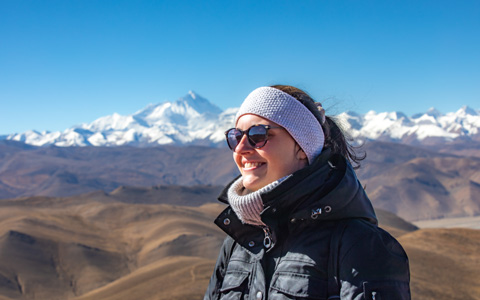
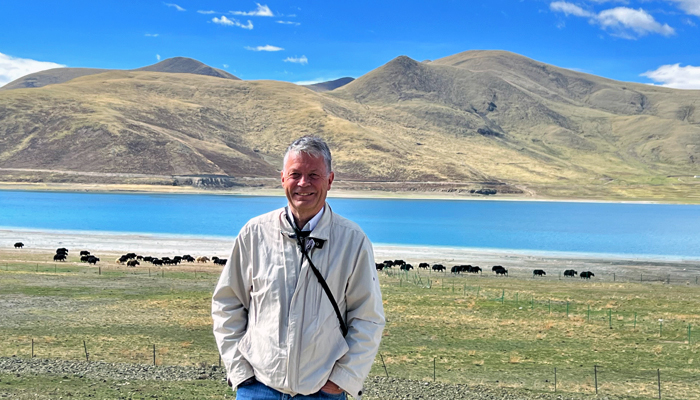 Our guest has enjoyed walking along the scenic shores of Yamdrok Lake.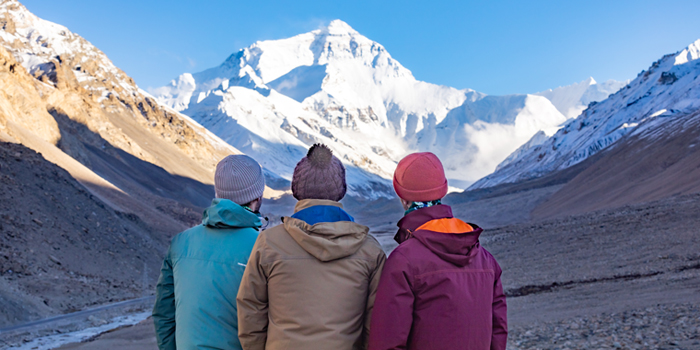
Join our most popular Lhasa and EBC tour with a scenic Yamdrok Lake visit!
Surrounding Attractions near Yamdrok Lake
One of the best things about visiting Yamdrok Lake is its perfect location along the scenic route from Lhasa to Shigatse. If you have a few extra hours or a full day, these nearby attractions give you a closer look at Tibet’s dramatic landscapes and rich cultural heritage.
1. Karola Glacier: Majestic Ice Formations
Located just 50 kilometers west of Yamdrok Lake, Karola Glacier is one of Tibet’s most accessible natural wonders.
Unlike most Tibetan glaciers that require days of trekking, Karola sits right beside the highway, making it easy to reach by road. From here, you can see the towering white ice tongue of Mt. Noijin Kangsang descending almost to the roadside.
A wooden boardwalk allows you to walk closer to the glacier’s foot and admire its dramatic expanse rising over 5,500 meters above sea level. Even in mid-summer, the air is crisp and the ice retains its brilliant, crystalline white beauty, creating an unforgettable spectacle.
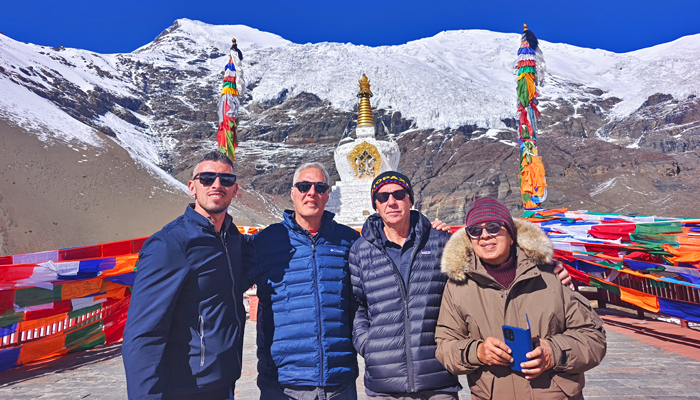 Our guests explore Karola Glacier near Yamdrok Lake.
2. Samding Monastery: Cultural and Religious Heritage
Perched on a ridge overlooking the western end of Yamdrok Lake, Samding Monastery is a site of immense historical and religious importance, with a history of over 300 years.
This is the only Tibetan monastery headed by a female incarnation, the Samding Dorje Phagmo, also called the "Diamond Sow." From here, you can enjoy panoramic views of the lake and surrounding mountains.
Unlike the main tourist spots, Samding remains peaceful, providing a quiet space to witness authentic monastic life in Tibetan Buddhism.
3. Mindroling Monastery: Historical Monastic Experience
If you are traveling between Lhasa and Yamdrok, a slight detour into the Zhanang County valley brings you to Mindroling Monastery, one of the Six Mother Monasteries of the Nyingma school.
Historically, Mindroling was the premier institute for the study of the Tibetan lunar calendar, rhetoric, and medicine. The monastery’s towering, multi-story stupa is one of the largest in Tibet and houses beautiful murals and sacred relics.
Mindroling is also world-famous for its unique Mindroling incense, which is still handmade by monks using ancient secret formulas.
4. Gyantse County: Scenic and Cultural Stop
Continuing west from Yamdrok Lake and Karola Glacier, you’ll reach Gyantse, known as the "Heroic City." It’s a great place to spend the night or enjoy an extended afternoon tour.
The Pelkor Chode Monastery is the crown jewel of Gyantse. Its Kumbum Stupa is a multi-layered structure with 108 chapels and thousands of intricate murals, showcasing the peak of 15th-century Tibetan art.
You can also explore the Gyantse Dzong (Fortress), perched high on a rocky crag. From here, enjoy panoramic views of the valley and the traditional whitewashed houses of the old town.
Gyantse has a timeless feel, more like “Old Tibet” than many parts of Lhasa, making it a favorite for travelers who want to experience a slower, more traditional pace.
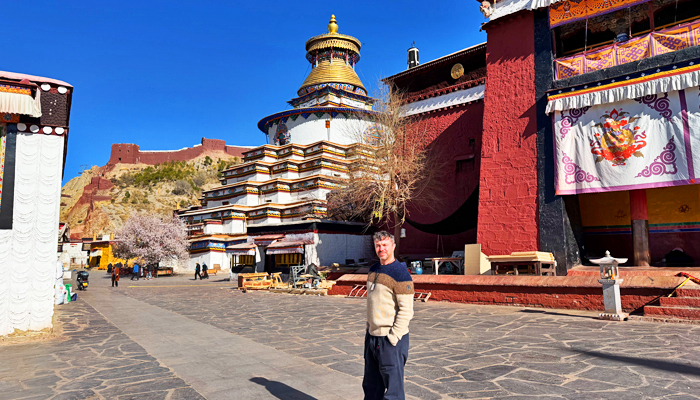 Our guest explores Kumbum Stupa and Pelkor Chode Monastery in Gyantse County.
More Travel Tips for Tibet Yamdrok Lake Tour
Planning a trip to the "Roof of the World" requires more than just a plane ticket. To ensure your journey to Yamdrok Lake is seamless and respectful, keep these professional tips in mind for 2026/2027.
Tibet Travel Permits for Yamdrok Lake
Visiting Yamdrok Lake requires the proper travel documents, including a Chinese Visa and a Tibet Travel Permit. Preparing these permits in advance ensures a smooth and hassle-free journey.
- Chinese Visa: Most travelers need a valid Chinese Tourist Visa (L Visa) first. However, in 2026/2027, citizens from many countries (including France, Germany, Italy, and Australia) can enter China visa-free for up to 30 days.
- Tibet Travel Permit: This permit is mandatory for all international tourists visiting Tibet. Individual applications are not allowed, but we can arrange it for you at no extra cost, making the process easy and convenient.
- Aliens’ Travel Permit: Required for certain restricted areas beyond Lhasa, including parts of Yamdrok Lake. We can also handle this permit on your behalf.
Tip: To avoid any last-minute issues, contact us at least 20 days in advance to ensure all necessary permits are ready before your trip.
 Tibet Travel Permit is required for Yamdrok Lake and all Tibet tours.
Altitude Sickness and Health Tips
Yamdrok Lake sits at an altitude of 4,441 meters, and the Kamba La Pass reaches nearly 5,000 meters. Even if you feel fine in Lhasa, the sudden increase in altitude can still affect your body. Here are some practical tips to stay healthy and comfortable during your visit.
- Altitude Sickness Prevention: The best way to avoid altitude sickness is proper acclimatization. Spend at least 2–3 days in Lhasa (3,650 m) before heading to the lake. Drink plenty of water and avoid alcohol or strenuous exercise during the first 48 hours.
- Rest Schedule: Our itineraries follow a "slow-climb" approach to help travelers adapt gradually. We provide complimentary oxygen in our vehicles, and our local guides closely monitor everyone, offering assistance whenever needed.
- Medication: Consult your doctor about Acetazolamide (Diamox) before your trip. It’s also a good idea to carry simple remedies for headaches or ibuprofen, just in case you experience mild symptoms.
What to Pack for Yamdrok Lake
The weather at Yamdrok Lake is famously unpredictable—it can feel like experiencing four seasons in a single day. Being prepared with the right gear will make your trip safer and more comfortable.
- Clothing: Dress in layers to adapt to changing conditions. Bring a windproof and waterproof jacket, a warm fleece or down vest, and breathable thermal base layers. Hats and gloves are also highly recommended to protect against the winds.
- Footwear: Sturdy, broken-in walking shoes or light hiking boots are essential for the uneven terrain around the lakeside and monasteries.
- Sun Protection: The UV radiation on the Tibetan Plateau is intense even on cloudy days. Pack SPF 50+ sunscreen, lip balm with SPF, and high-quality polarized sunglasses to protect your skin and eyes from the lake’s glare.
- Camera & Electronics: A DSLR or mirrorless camera is ideal for capturing the breathtaking landscapes. Bring extra memory cards, a spare battery, and a portable charger to ensure your devices stay ready for photos throughout the day.
Respect Local Culture and Environment
Yamdrok Lake is considered a sacred site, and following local customs not only shows respect but also helps you connect more deeply with the culture.
- Respect Religious Sites: When visiting monasteries like Samding or Rutok, always walk clockwise around shrines and stupas. Remember to remove your hat and sunglasses before entering chapels.
- Photography Etiquette: Most monasteries prohibit photography inside the chapels. Always ask for permission before taking close-up photos of local pilgrims or monks.
- Protect the Environment: Yamdrok is a delicate ecosystem. Practice “Leave No Trace” tourism—do not throw anything into the lake, which is considered a living deity, and avoid disturbing local wildlife, including Tibetan gazelles and migratory cranes.
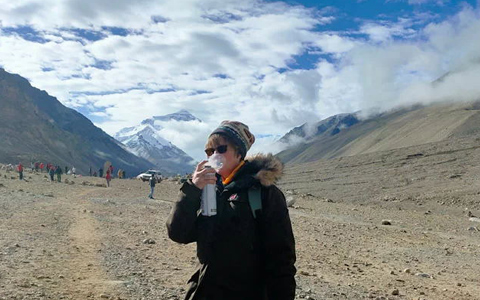
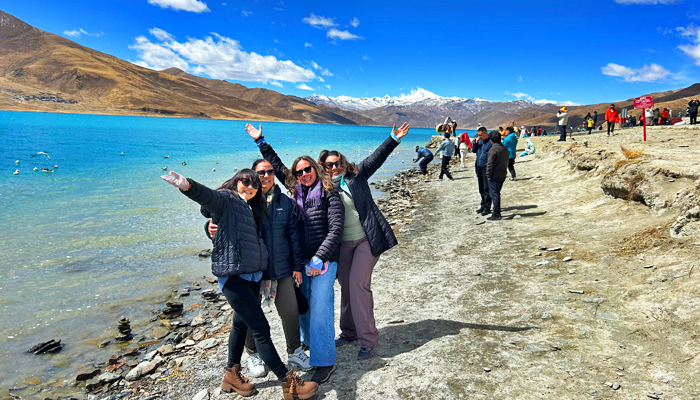 Pay attention to wind and sun protection when visiting Yamdrok Lake
Recommended Itineraries to Visit Yamdrok Lake in Tibet
Whether you’re planning a quick escape from Lhasa or a multi-week adventure across the Tibetan Plateau, Yamdrok Lake is a highlight of nearly every central Tibet journey. Below are some of our most popular curated routes for 2026/2027.
5 Days Lake and Yamdrok Lake Deep Discovery Tour
This 5-day Lhasa and Yamdrok Lake tour is a short but immersive trip, perfect for those with limited time who want to see more than just the main viewpoints.
Day 1-3: Arrive in Lhasa and get your first impression of Tibet. Spend two full days acclimatizing to the high altitude while visiting iconic sites such as the Potala Palace, Jokhang Temple, Sera Monastery, and Drepung Monastery.
Day 4 (Deep Discovery): Travel to Yamdrok Lake. Instead of a quick stop, you will visit the Lurila Viewing Platform and Rutok Temple to enjoy different perspectives of the lake. Stop for lunch at a charming lakeside eatery and take time to soak in the scenic views from the platform.
Day 5: Spend your final morning in Lhasa at leisure, allowing time for last-minute shopping, sightseeing, or simply relaxing before your departure.
8 Days Lhasa to Everest Base Camp Adventure Tour
For those seeking a deeper dive into Tibet’s culture and landscapes, the 8-day Lhasa to Everest Base Camp tour is an ideal choice. This is our most popular Tibet itinerary, combining the turquoise beauty of Yamdrok Lake with the awe-inspiring world’s highest peak.
This tour extends the 5-day Yamdrok Lake itinerary. On Day 4, you’ll leave Yamdrok Lake and continue to Karola Glacier and the historic town of Gyantse, before arriving in Shigatse, Tibet’s second-largest city.
On Day 5, you travel to Everest Base Camp, where you can witness the breathtaking sunset over the North Face of Mt. Everest.
The return journey from EBC to Lhasa includes stops at Rongbuk Monastery, the ancient town of Sakya, Tashilhunpo Monastery, and the Yarlung Tsangpo River, allowing you to experience a blend of natural wonders and cultural heritage along the way.
6-day Lhasa to Shigatse Cultural Highlights Tour
This 6-day central Tibet tour is a rich cultural journey focus on Lhasa and Shigatse. It’s an ideal itinerary for travelers who want to immerse themselves in Tibet’s rich cultural heritage while enjoying the pristine natural beauty of Yamdrok Lake.
After exploring Lhasa’s iconic landmarks, including the Potala Palace, the journey continues toward Shigatse. Along the way, you’ll visit Yamdrok Lake and Karola Glacier, taking in the stunning highland scenery.
In Shigatse, explore the historic Tashilhunpo Monastery and wander through the Samzhubze Old Market to experience local life and culture. The tour concludes with a scenic return to Lhasa through the Yarlung Tsangpo River valley, offering a refreshing change of scenery.
Customize Your Yamdrok Lake Tour with Us
For travelers who want a personalized experience, our custom Yamdrok Lake tours allow you to design your journey based on your interests and schedule.
Whether you are a professional photographer, a family traveling with children, or a solo adventurer looking for solitude, you can decide how long to stay at each stop and which attractions to include. Itineraries can be tailored to your interests, whether that’s photography, bird watching, or exploring Tibetan Buddhist culture.
With over 30 years of experience, we handle everything from Tibet Travel Permits to airport and train pickups, oxygen supply, and comfortable accommodations, so you can focus on enjoying the journey.
Our experienced Tibetan guides offer insights into local life, providing an authentic cultural experience that goes beyond typical sightseeing.
Share your travel dates and preferences, and we will craft a bespoke 2026/2027 Tibet tour that meets your exact needs and ensures an unforgettable adventure at Yamdrok Lake and beyond.
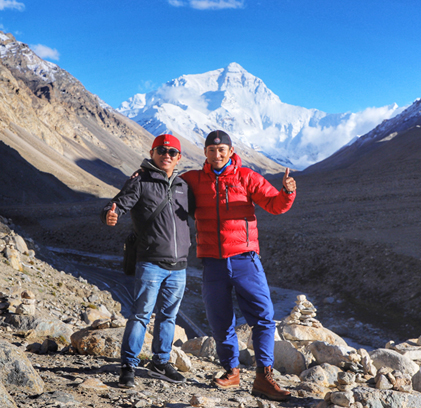
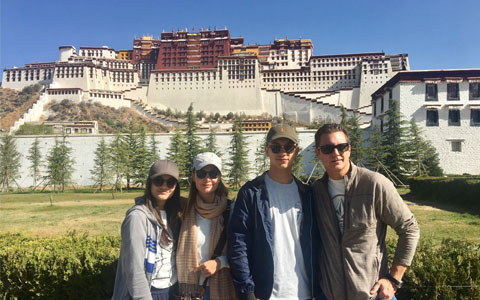
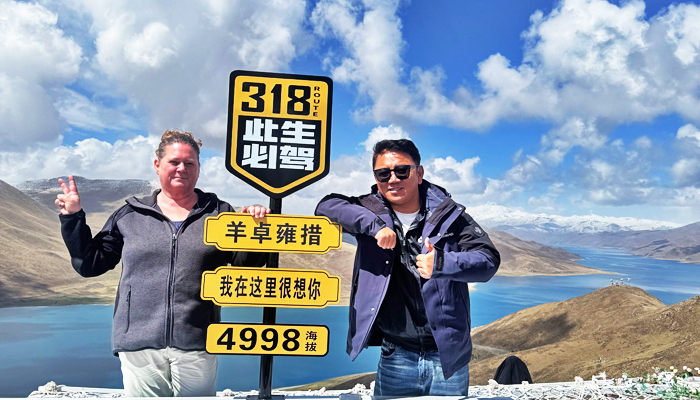 Our guest visited Yamdrok Lake with our Tibetan tour guide.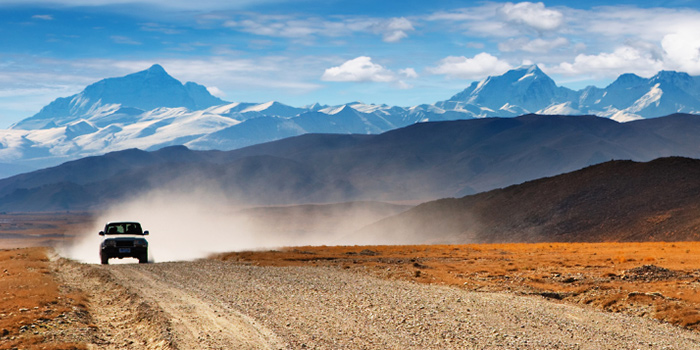
Explore exotic Tibet on this overland journey across the Roof of the World!
Quick Summary & FAQs about Yamdrok Lake in Tibet
Quick Summary
Yamdrok Lake, one of Tibet’s three most sacred lakes, sits at an altitude of 4,441 meters and is located about 114 kilometers southwest of Lhasa. It’s easily accessible via a 2.5-hour scenic drive, making it ideal for a day trip or a stop on the way to Shigatse or Mount Everest.
Famous for its shimmering turquoise waters and unique coral shape, Yamdrok Lake also offers opportunities to explore lakeside Tibetan villages or the secluded Rutok Temple. For the best views, visit the Kamba La Pass at 4,790 meters, a perfect spot for sightseeing and photography.
The best time to visit is from April to October, when the weather is mild, though winter provides a peaceful atmosphere and chances to see rare migratory birds. To make the most of your trip, spend two days acclimating in Lhasa, and pack windproof layers and sun protection for the unpredictable highland conditions.
Q1: What are the admission fees and opening hours for Yamdrok Lake?
The entrance fee for Yamdrok Lake Scenic Area is generally 100 RMB per person. The lake itself is open 24 hours, but ticket checkpoints and most tours operate from 8:00 AM to 6:00 PM.
Q2: How far is Yamdrok Lake from Lhasa, and how long does it take to get there?
Yamdrok Lake is about 114 kilometers southwest of Lhasa, typically a 2 to 3-hour drive depending on stops along the way.
Q3: What accommodation options are available near Yamdrok Lake?
Most travelers stay in Lhasa or Shigatse and visit Yamdrok as a day trip. If you prefer to stay closer to the lake, Nangartse County, about 30 minutes away, offers a few local guesthouses. While basic, they are clean and provide a true local experience.
Q4: Is Yamdrok Lake suitable for families, solo travelers, or both?
The lake is suitable for all types of travelers. Families, solo adventurers, and small groups can all enjoy the scenery, photography, and nearby cultural experiences.
Q5: What dining options are available around the lake?
Dining options near Yamdrok Lake are limited, but several lakeside eateries run by local Tibetan families serve traditional Tibetan dishes and refreshments. These spots are perfect for enjoying a scenic lunch while taking in the lake’s turquoise waters and surrounding mountains.
Q6: Can I visit Yamdrok Lake all year round?
Yes, the lake is accessible year-round. Spring and autumn offer the best weather and photography conditions, summer brings lush landscapes, and winter provides a quiet, peaceful experience.
Q7: Can tourists visit Yamdrok Lake independently, or is a guide required?
All international travelers must join an organized tour with a licensed guide to visit Yamdrok Lake. Public buses are not available. Our team handles all the logistics, including transportation, permits, and guided visits, so you can enjoy the lake safely and stress-free.
Q8: Should I visit Yamdrok Lake or Namtso Lake - what are the differences?
If you have the time, visiting both lakes is ideal. But if you need to choose, here’s a quick comparison:
- Yamdrok Lake: Closer to Lhasa (about 2.5 hours), at a lower altitude (4,441 m). Its coral-shaped, winding form makes it perfect for a scenic stop on the way to Shigatse or Everest Base Camp.
- Namtso Lake: Further from Lhasa (4–5 hours), at a higher altitude (4,718 m). Its vast, “sea-like” waters offer a more remote and rugged wilderness experience.
Verdict: Choose Yamdrok Lake for convenience and shorter trips. Choose Namtso Lake for a grand, alpine adventure and a wilder, more expansive landscape.
Conclusion
Yamdrok Lake is more than just a famous landmark—it is a place where Tibet’s natural beauty and spiritual heart come together. Whether you are captivated by its ever-changing turquoise waters or seeking a quiet moment of reflection at Rutok Monastery, Yamdrok leaves a lasting impression.
Standing at Kamba La Pass or strolling along the lakeshore, it’s easy to see why this lake is so deeply cherished by the local people. It is a peaceful, breathtaking, and essential stop for anyone visiting the "Roof of the World."
To get the most out of your visit, consider joining our private or small-group tour, where everything—from permits to local guidance—is taken care of, allowing you to fully enjoy this extraordinary destination.
Contact us today to arrange your personalized Yamdrok Lake tour for 2026/2027 and let us help you create an unforgettable Tibetan adventure.



Ask a Quick Question