













Namtso Lake Tibet: 2026/2027 Travel Guide and How to Visit
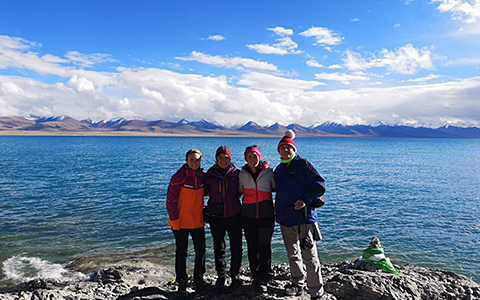
Namtso Lake, sitting at around 4,718 meters in northern Tibet, is one of Tibet’s most breathtaking natural wonders. Known as one of Tibet’s Three Holy Lakes, it attracts numerous tourists with its turquoise waters, snow-capped mountains, and vast, open grasslands.
In 2026, reaching this high-altitude gem is easier than ever. Located just 220 kilometers from Lhasa, it can be reached by a scenic 4-5 hour drive. For the most stunning views and comfortable weather, plan your visit between May and October.
In this guide, we will walk you through everything you need to know about Namtso Lake, including its location, how to get there, best time to visit, things to do, accommodation options, Tibet travel permits, and essential packing tips.
Whether you are chasing stunning photography, seeking peaceful reflection, or hoping to immerse yourself in Tibetan culture, this guide will help you make the most of your journey to Namtso Lake.
Quick Facts: Namtso Lake at a Glance
- Chinese Name: 纳木错 (Nàmù Cuò)
- Altitude: 4,718 meters - the world’s highest saltwater lake
- Area: 1,920 km² - the second largest lake in Tibet
- Location: Northwest of Damxung County, Lhasa Prefecture, Tibet
- Water color: turquoise blue reflecting snow-capped mountains
- Key features: Sacred lake, photography hotspot, high-altitude scenery, nomadic herders, and local wildlife
- Transportation: Road access from Lhasa
- Best time to visit: May to October
- Accommodation: No lakeshore lodging; return to Damxung for hotels or guesthouses
- Travel tips: Prepare for high-altitude conditions, respect local culture and customs
Contents
 Where is Namtso Lake in Tibet? Why Visit Namtso Lake?
How to Reach Namtso Lake Tibet 2026: Travel by Road, Train & Cycling
When is the Best Time to Visit Namtso Lake in 2026?
What are the Top Things to Do at Namtso Lake?
Where to Stay When Visiting Namtso Lake?
More Travel Tips for Tibet Namtso Lake Tour
Recommended Namtso Lake Itineraries 2026: Tours, Day Trips & Custom Plans
Where is Namtso Lake in Tibet? Why Visit Namtso Lake?
Namtso Lake, often called the "Heavenly Lake," stands as one of Tibet’s most iconic natural wonders. Its vast turquoise waters, snow-capped mountains, and spiritual atmosphere make it a highlight of any Tibetan journey.
Where is Namtso Lake? How Far is It from Lhasa?
Namtso Lake lies in the northern Tibetan Plateau, at the foot of the Nyainqentanglha mountain range, about 220 kilometers northwest of Lhasa.
Straddling the border between Nagqu Prefecture and Lhasa Prefecture, it sits at 4,718 meters above sea level, making it the world’s highest saltwater lake.
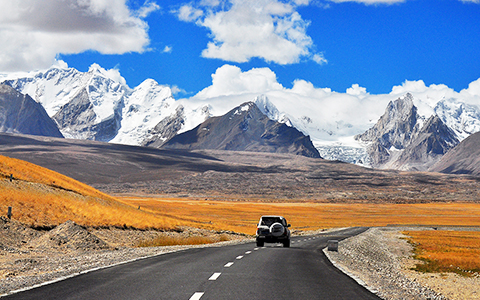
The drive from Lhasa takes around 4–5 hours along the scenic Qinghai-Tibet Highway. On the way, you’ll pass Nagenla Pass at 5,190 meters, where sweeping views of snow-capped peaks and vast grasslands create unforgettable photo opportunities.
The Tashi Dor Peninsula and surrounding grasslands are home to yaks, migratory birds, and other wildlife, giving visitors a true sense of Tibet’s high-altitude natural environment.
Why Visit Namtso Lake in Tibet?
There are many reasons to make Namtso Lake part of your Tibet itinerary:
- Sacred Significance: As one of Tibet’s Three Holy Lakes (alongside Yamdrok Lake and Lake Manasarovar), Namtso holds deep spiritual importance in Tibetan Buddhism. Pilgrims often come here to perform kora (circumambulation) and pay respects at lakeside sites.
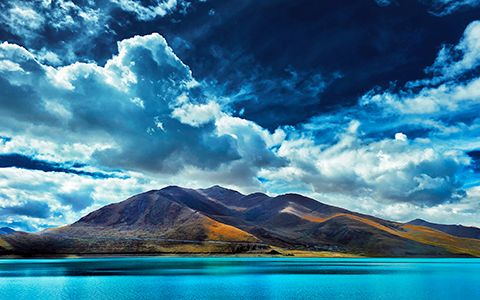
- Breathtaking Natural Beauty: Its vibrant turquoise waters contrast beautifully with snow-capped mountains, while the open grasslands add a sense of peace and freedom.
- Photography Opportunities: The clear high-altitude skies and reflective lake surface make Namtso a prime photography destination, perfect for capturing sunrises, sunsets, and mirror-like reflections of the mountains.
- Cultural Immersion: The area is home to nomadic herders and visiting pilgrims, giving travelers a chance to experience Tibetan customs and traditional high-altitude life firsthand.
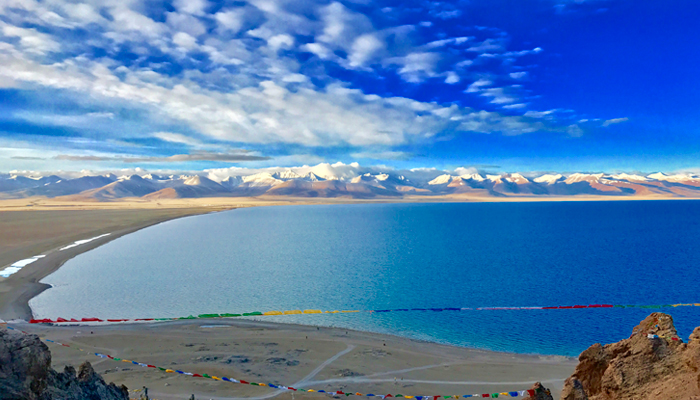 Namtso Lake is one of Tibet’s three holy lakes and is located 220 kilometers northwest of Lhasa.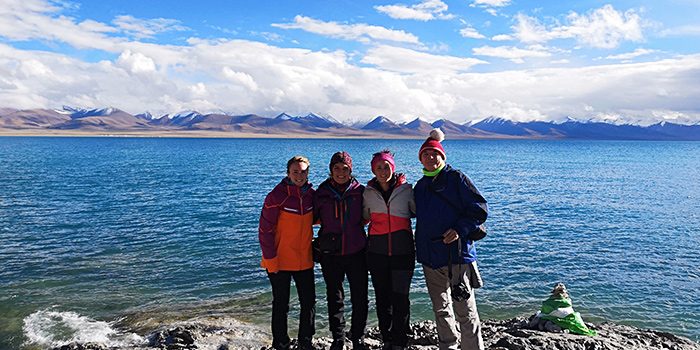

Join our popular Lhasa to Namtso Lake tour for both breathtaking natural beauty and cultural immersion!
How to Reach Namtso Lake Tibet 2026: Travel by Road, Train & Cycling
Visiting Namtso Lake is easier than ever in 2026, with a few practical options from Lhasa, Tibet’s provincial capital. Whether you prefer a scenic drive, a train, or an adventurous cycling trip, the journey offers some of the most stunning views of the Tibetan Plateau.
1. Lhasa to Namtso Lake by Road: Scenic Route & Photography Stops (Most Popular Way)
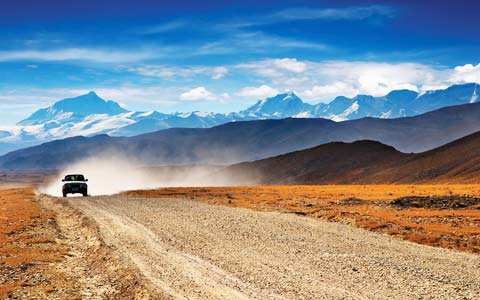
The most popular way to reach Namtso Lake is by road from Lhasa, covering about 250 kilometers. The drive usually takes 4–5 hours along the Qinghai-Tibet Highway, a route famous for its dramatic high-altitude scenery.
On the way from Lhasa to Damxung County, you’ll enjoy views of the Nyenchen Tanglha Mountains, with snow-capped peaks framing the horizon.
From Damxung to Namtso, the road stretches about 60 kilometers, climbing over Nagenla Pass at 5,190 meters - a landmark that signals you’re just a short drive from the lake.
As you continue, the landscape opens into vast grasslands, and you may spot yaks and other high-altitude wildlife grazing along the way.
This route gives you the flexibility to stop for photos, enjoy the scenery, or simply soak in the quiet beauty of Tibet’s highlands at your own pace.
Essential Driving Tips:
- Most of the route features good road conditions, but the high elevation requires careful driving.
- In winter months, heavy snowfall can occasionally close sections of the road, so always check local conditions before traveling.
2. Lhasa to Namtso Lake by Train: 2026 Schedules
If you prefer a more relaxed journey, you can take the train from Lhasa to Nagqu and continue by car. Although there is no train station at Namtso Lake itself, this option combines comfort with breathtaking scenery.
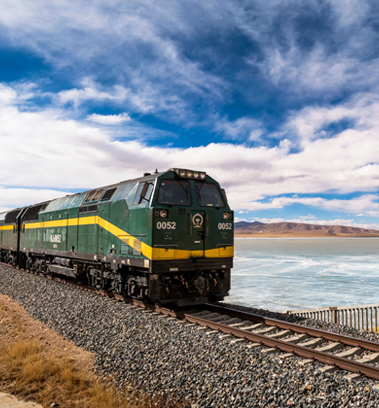
The Lhasa–Nagqu train is part of the famous Qinghai-Tibet Railway, offering a scenic and comfortable ride through the plateau. The journey takes 3–4 hours to cover about 322 kilometers, with six daily departures in 2026.
Large windows let you enjoy the views, and soft or hard sleeper cabins provide comfort, along with oxygen supply and air conditioning, so you can travel safely without worrying about high-altitude driving.
From Nagqu, it’s another 3–4 hour drive (about 200 kilometers) to Namtso Lake. This combination of train and car is ideal for travelers who want a relaxed, comfortable journey while still experiencing the breathtaking Tibetan scenery.
Lhasa to Nagqu Train 2026 Schedule
| Train No | Departure (Lhasa) | Arrival (Nagqu) | Duration | Frequency |
|---|---|---|---|---|
| Z8982 | 09:30 | 13:10 | 3h40m | Daily |
| Y972 | 10:30 | 14:24 | 3h54m | Daily |
| Z166 | 11:50 | 15:42 | 3h52m | Daily |
| Z266 | 12:35 | 16:33 | 3h58m | Daily |
| Z22 | 15:50 | 19:31 | 3h41m | Daily |
| Z8992 | 17:30 | 20:49 | 3h19m | Daily |
3. Lhasa to Namtso Lake by Cycle: High-Altitude Adventure
For cycling enthusiasts, a memorable high-altitude adventure is to cycle from Lhasa to Namtso Lake.
This expedition spans about 155 kilometers along the Qinghai-Tibet Highway, passing grasslands dotted with yaks and shepherd camps, and offering spectacular views of the Nyenchen Tanglha mountains.
Cycling provides a deeply immersive experience, but it is recommended only for experienced cyclists. Proper acclimatization, safety gear, and careful planning are essential for this high-altitude adventure.
Insider tips:
No matter which option you choose, it’s wise to stay in Lhasa for at least two days to acclimate to the high altitude. During your stay, explore Potala Palace, Jokhang Temple, and other iconic landmarks before heading to Namtso Lake.
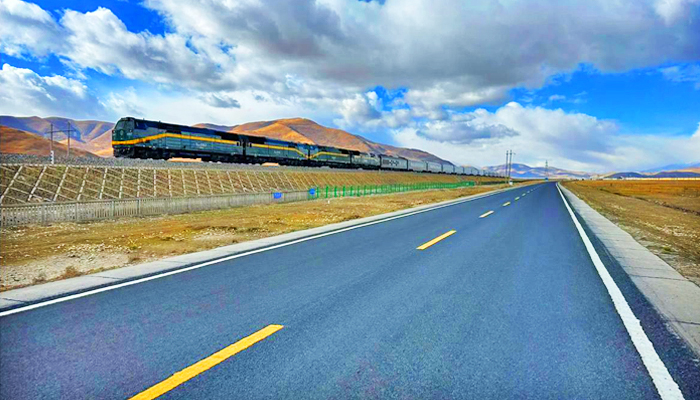 You can choose to travel from Lhasa to Namtso by the Qinghai-Tibet Highway or the Lhasa–Nagqu train.
When is the Best Time to Visit Namtso Lake in 2026?
Choosing the right time to visit Namtso Lake is key to a comfortable and memorable trip. The region experiences two main seasons: the dry season from November to March and the wet season from May to October. Most tourists prefer the wet and mild months, when the weather is pleasant, skies are clear, and the lake’s turquoise waters are at their most vibrant.
Namtso Lake Weather & Climate Overview
Sitting at an altitude of 4,718 meters, Namtso Lake has a typical high-altitude climate with strong temperature differences between day and night. Even in summer, daytime temperatures can feel mild, but nights are often chilly.
Winds are common throughout the year, especially across open stretches of grassland, and the sunlight is stronger at this altitude, making sunscreen, sunglasses, and a hat essential.
During winter, the surrounding mountains and passes receive snow, creating dramatic frozen landscapes, but also more challenging travel conditions.
- Warmest months: June, July, and August, with temperatures averaging around 18°C and sometimes reaching 22°C.
- Coldest months: December, January, and February, when temperatures can drop as low as -16°C.
- From November onward, snowfall becomes more frequent, and the snow gradually turns into thick ice on the lake, which typically begins melting in May.
Best Months to Visit Namtso Lake for Photography & Scenic Views: May to October
For most travelers, the best time to visit Namtso Lake is from May to October. During these months, weather conditions are generally warmer, skies are clearer, and the oxygen content is higher than in winter, making outdoor activities more comfortable.
During this period:
- The lake sparkles under clear skies, with its turquoise color at its most vibrant.
- The water reflects the surrounding snow-capped mountains, providing excellent opportunities for photography, especially at sunrise and sunset.
- You may encounter nomads herding yaks and sheep across the lush grasslands and even spot local wildlife like Tibetan antelopes.
- The combination of green pastures, turquoise waters, and snow-capped peaks makes this season a perfect time for nature and landscape photography.
Travel Tips :
- July and August are the rainy season. Bring raincoats and waterproof gear, and check the weather forecast before heading out.
- This period is also peak tourist season, so book accommodations, tours, and transport well in advance to ensure a smooth trip.
Visit Namtso Lake in Winter (November to March): Frozen Landscapes
Winter transforms Namtso Lake into a tranquil, snow-covered wonderland. The lake can be completely frozen, creating a unique and serene atmosphere.
With fewer tourists, you can enjoy peaceful walks along the shoreline and take in the vast, quiet grasslands under a crisp blue sky. Even in winter, Namtso remains accessible, allowing adventurous travelers to experience its quiet beauty in a unique way.
Safety Considerations:
- Roads over Nagenla Pass (5,190 m) may be icy or temporarily closed due to heavy snowfall, so always check conditions and stay flexible with your plans.
- Temperatures are extremely low, often below -10°C, so proper winter clothing, windproof jackets, gloves, and insulated footwear is essential.
- Daylight hours are shorter, so plan activities carefully and avoid traveling late in the afternoon.
Winter visits are recommended only for travelers who are well-prepared, experienced with high-altitude conditions, and seeking a unique, off-season experience.
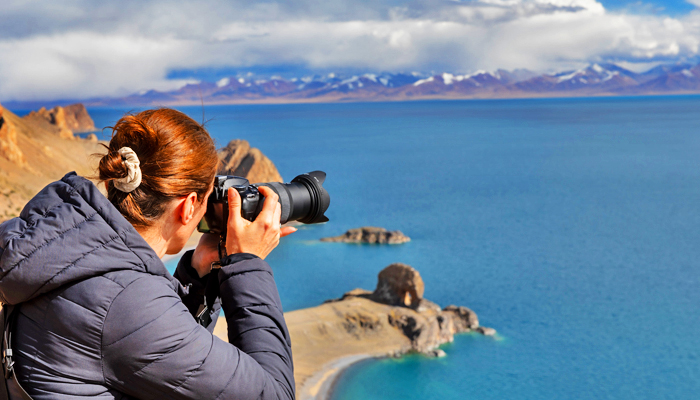 The best time to visit Namtso Lake is from May to October, offering excellent opportunities for photography.
Our Namtso Lake tours are available year-round, with peak visits from May to October.
What are the Top Things to Do at Namtso Lake?
Namtso Lake is not only a visual wonder but also a place rich in cultural and natural experiences. Whether you enjoy photography, trekking, or cultural immersion, the lake and its surroundings offer a variety of activities for every traveler.
1. Sightseeing & Photography at Namtso Lake
One of the highlights of visiting Namtso is capturing its stunning landscapes. It is also considered a must-visit spot for any Tibet photography tour, thanks to its vibrant colors and high-altitude scenery.
Sunrise and sunset are particularly magical, when the lake’s turquoise waters reflect the surrounding snow-capped mountains.
- The morning light creates a serene atmosphere, while evening sunsets paint the sky with vibrant colors, perfect for photographers.
- For the best results, bring a wide-angle lens and a sturdy tripod to capture the expansive vistas and reflective waters.
- Don’t forget to explore different perspectives along the lakeshore, where small inlets and coves create interesting reflections and compositions for photos.
2. Explore Tashi Dor Island at Namtso Lake
A visit to Tashi Dor Island offers a closer look at Namtso’s beauty and unique geological features.
- Walk along the island for panoramic views of the lake and discover karst caves, stone forests, naturally formed bridges, and other fascinating rock formations.
- The island is also home to small meditation caves and hermitages carved directly into limestone cliffs, offering a glimpse into the spiritual life of Tibetan hermits.
- Tashi Dor provides a peaceful setting for both photography and quiet reflection, making it a must-see stop during your Namtso visit.
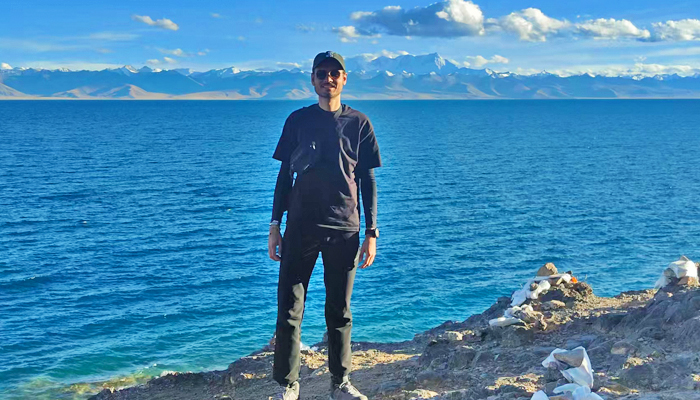 Guests trekking around Tashi Dor Island at Namtso Lake, enjoying serene high-altitude views.
3. Namtso Lake Trekking & Kora: Cultural Immersion
For those seeking cultural engagement, trekking along Namtso offers unique experiences.
- You can take a short lakeside trek lasting a few hours, enjoying the serene views while observing local life along the shore.
- For a deeper experience, the full Kora circuit around Namtso Lake can take several days, following the same paths used by pilgrims performing kora.
- Along the way, you’ll meet local pilgrims and herders, providing opportunities to immerse yourself in Tibetan culture and witness traditional rituals and practices firsthand.
4. Namtso Lake Wildlife & Nomads Encounters
The grasslands surrounding Namtso, part of the Changtang Plateau, are teeming with wildlife and nomadic activity, especially during the 2026 season.
- Wildlife to Look For: Keep an eye out for Tibetan antelopes, wild asses (Kiang), and black-necked cranes. Early mornings and late afternoons are the best times for wildlife spotting.
- Nomadic Interactions: Meeting local Tibetan nomads and their iconic white yaks is a highlight. You may have the chance to enjoy respectful conversations with herders, learning about life on the world’s highest plateau and observing daily routines and traditional practices.
These encounters combine natural beauty with cultural richness, making Namtso Lake a destination where every visitor can experience the essence of Tibetan plateau life.
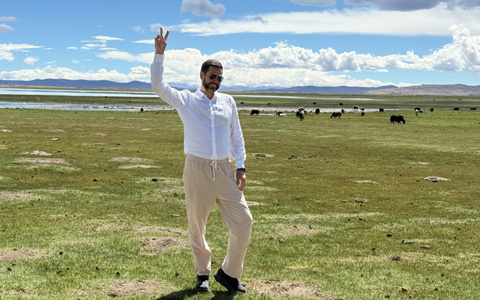
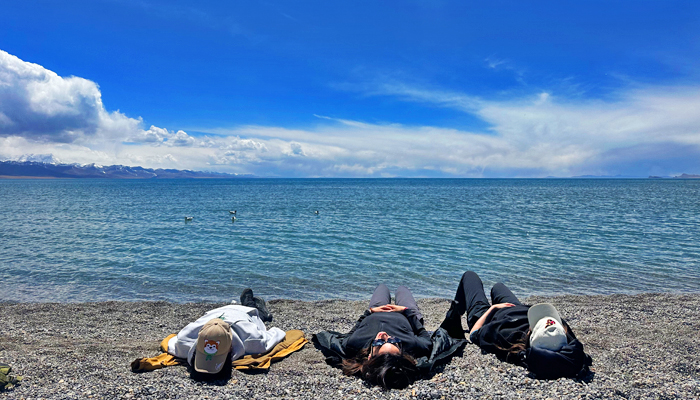 Our guests enjoy a moment of peaceful reflection on the lakeshore of Namtso Lake during their exploration.
Where to Stay When Visiting Namtso Lake?
While Namtso Lake itself is a breathtaking destination, overnight stays at the lakeshore are currently not permitted due to environmental and safety regulations. You should plan their trips accordingly and make accommodations in nearby towns.
Overnight Stay at Namtso Lake (Currently Not Permitted)
For the time being, camping or staying overnight directly at Namtso Lake is not allowed. This helps protect the fragile high-altitude ecosystem and ensures the safety of travelers, as conditions at the lake can be harsh, especially during cold nights and strong winds.
Alternative: Hotels and Guesthouses in Damxung
The closest option for overnight stays is Damxung, located about 60 kilometers from the lake. Returning to Damxung after a day at Namtso allows you to rest, acclimate, and prepare for the return journey to Lhasa.
- Types of Accommodation: Damxung offers small hotels and guesthouses, anging from basic rooms to more comfortable lodgings with heating, oxygen supplies, and private bathrooms.
- What to Expect: While the options are simpler than hotels in Lhasa, they are clean and functional, providing a comfortable place to rest and recharge. Meals are typically Tibetan-style, and some guesthouses may offer local specialties.
- Travel Tip: Book your stay in advance, especially during the peak season from May to October, to ensure availability.
Staying in Damxung also allows you to experience local life, observe nomadic herders nearby, and enjoy the tranquil atmosphere of the Tibetan Plateau after visiting Namtso Lake.
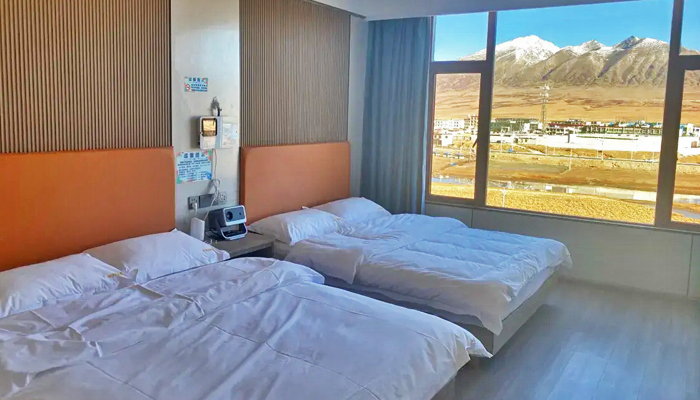 Damxung offers comfortable hotels for an overnight stay after exploring Namtso Lake.
You can enjoy comfortable and quality hotels along your Namtso Lake journey with us!
More Travel Tips for Tibet Namtso Lake Tour
Visiting Namtso Lake requires a bit of planning to ensure a safe, comfortable, and culturally respectful experience. Here are essential tips for 2026 travelers.
Tibet Travel Permits for Namtso Lake 2026: How to Obtain
Traveling to Namtso Lake requires the proper documents and permits. Having all permits ready before departure ensures a stress-free journey and lets you focus on enjoying the lake and surrounding landscapes.
- Chinese Visa: You need a valid Chinese visa to enter China unless your country enjoys visa-free entry (up to 30 days for eligible countries such as UK, Australia, parts of Europe).
- Tibet Travel Permit: This permit is mandatory for all international tourists to visit Tibet. Individual applications of Tibet Travel Permit are not allowed, but we can help to get it for you at no extra cost.
- Aliens’ Travel Permit: Required for certain restricted areas of Tibet, including Namtso Lake in Nagqu; we will also arrange this on your behalf.
Tip: Contact us at least 20 days in advance to ensure all necessary documents for Namtso are prepared smoothly.
Altitude Sickness and Health Tips for Namtso Lake
Namtso Lake sits at a higher altitude than many other Tibetan attractions, and you may experience symptoms of altitude sickness, such as headache, nausea or dizziness. There’s no need to worry - following these tips can help reduce the risk and make your visit more enjoyable:
- Acclimate in Lhasa: Spend a couple of days in Lhasa before heading to Namtso to allow your body to adjust.
- Stay hydrated and avoid irritants: Drink plenty of water and avoid alcohol and tobacco.
- Take it easy: Avoid strenuous exercise such as running or moving too fast. Rest frequently during your visit.
- Listen to your body: If symptoms worsen or become severe, notify your guide immediately and descend to a lower altitude if needed.
Safety Support: Our tourist vehicles are equipped with oxygen bottles, and our local guides closely monitor travelers, providing assistance whenever necessary.
Namtso Lake Packing List 2026: Clothing, Gear & Safety
Proper packing is key for comfort and safety:
- Clothing: Layered outfits, including high-quality down jackets, windproof jackets, warm base layers, hats, and gloves.
- Sun Protection: Sunglasses, high-SPF sunscreen, and wile-brimmed hats to guard against strong UV rays.
- Footwear: Sturdy, comfortable shoes for walking on uneven terrain. Also bring multiple pairs of warm socks.
- Personal Medical Kit: Include common medications, bandages, and altitude remedies.
- Daily Essentials: Water bottles, snacks, cameras, and portable chargers, and SPF lip balm to cope with the dry air.
Being prepared helps you enjoy all activities, from photography to trekking, without discomfort.
Namtso Lake Local Culture & Etiquette: Respect Tibetan Traditions
Visiting Namtso Lake is not only about stunning scenery - it’s also a chance to experience Tibetan culture and spirituality. Observing local customs and showing respect will make your visit more meaningful and memorable.
- Respect Religious Sites: Walk clockwise around mani stones, prayer flags, and lakeside shrines, avoid touching objects unless permitted, and keep your voice low.
- Photography Etiquette: Ask permission before photographing monks, pilgrims, or locals, and avoid using flash during rituals.
- Protect Wildlife and Nature: Do not feed or disturb animals, and carry out all trash.
- Interaction with Nomads: Approach politely, and ask before photographing or interacting with semi-nomadic families and their animals.
Following these simple rules ensures a positive and meaningful travel experience, while supporting sustainable tourism in Tibet.
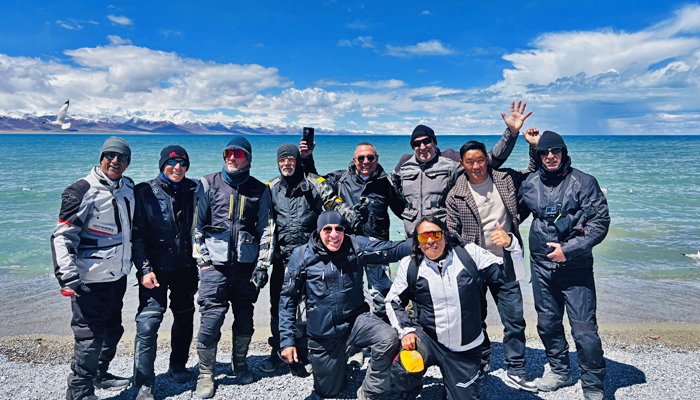 Join our Namtso Lake tour for a safe and hassle-free journey, with Tibet Travel Permit and all details arranged.
Recommended Namtso Lake Itineraries 2026: Tours, Day Trips & Custom Plans
Exploring Namtso Lake can be done in several ways, from extended high-altitude adventures to short scenic trips. Here are some recommended itineraries to help you make the most of your visit.
10 Days Everest Base Camp with Lake Namtso Tour
This route is designed to help you adjust gradually to the high altitude, while experiencing both cultural and natural highlights of Tibet, from Lhasa to Everest Base Camp and Namtso Lake.
Days 1–3: Welcome to Lhasa
Take it easy as your body acclimates. Explore the magnificent Potala Palace, soak in the holy atmosphere at Jokhang Temple, and stroll along Barkhor Street to feel the rhythm of Tibetan life. Enjoy a warm cup of Tibetan sweet tea and prepare for the high-altitude adventure ahead.
Days 4–5: Lhasa to Everest Base Camp via Gyantse and Shigatse
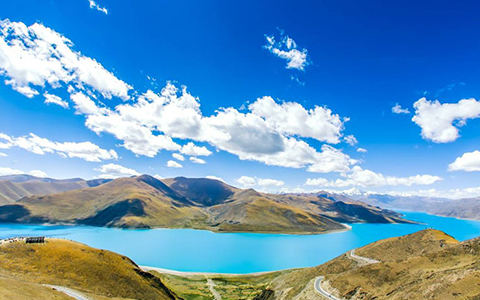
Drive through breathtaking landscapes, passing the turquoise waters of Yamdrok Lake and the towns of Gyantse and Shigatse. Upon arrival at Everest Base Camp, experience the world’s highest peak up close—a view you’ll treasure forever. Capture the moment with photography at sunrise or sunset against the majestic Himalayan backdrop.
Days 6–7: EBC to Northern Tibet Grasslands & Serling Tso Lake
Travel back to Shigatse, and get the last view of Mount Everest from Dinggye Xilin Viewpoint. Afterwards, continue north to the Changtang Plateau, where vast grasslands and nomadic settlements stretch as far as the eye can see. Stop at Serling Tso Lake, a pristine and peaceful site ideal for photography and short hikes.
Day 8: Namtso Lake and Damxung
Arrive at Namtso Lake and enjoy its turquoise waters and snow-capped mountains. Walk along the lakeshore, explore Tashi Dor Island, and take in the peaceful, high-altitude scenery. By evening, return to Damxung for overnight accommodation.
Day 9: Damxung to Lhasa – Relax and Acclimate
Return to Lhasa and enjoy a relaxing day. Treat yourself to a traditional Tibetan spa experience. This day helps your body recover and prepares you for departure.
Day 10: Depart from Lhasa
After breakfast, check out and depart from Lhasa, taking home unforgettable memories of Namtso Lake, Everest Base Camp, and the unique high-altitude landscapes of Tibet.
Check more details of this itinerary here: 10 Days Lhasa to Everest Base Camp and Namtso Lake Tour
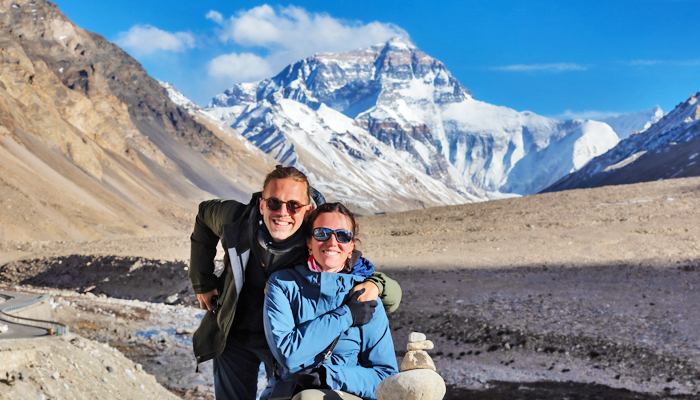 Join our Everest Base Camp and Namtso Lake tour to experience the unique high-altitude landscapes of Tibet.
5 Days Lhasa and Namtso Lake Small Group Tour
This shorter itinerary is perfect for travelers who want to experience the highlights of Lhasa and enjoy a day trip to Namtso Lake without a long high-altitude journey.
Days 1–3: Arrive in Lhasa and Explore Lhasa
Arrive in Lhasa and settle into your hotel. Take it easy as your body acclimates, then explore the city’s iconic sites. Visit Drepung Monastery, the largest in Tibet, and Sera Monastery, famous for its lively monk debates. Explore Potala Palace, Jokhang Temple, and stroll along Barkhor Street, enjoying local tea houses and the vibrant city atmosphere.
Day 4: Lhasa – Damxung – Namtso Lake – Lhasa
Take a scenic drive to Namtso Lake, passing Tibetan grasslands and snow-capped mountains. Spend time walking along the lakeshore, explore Tashi Dor Island, and enjoy the turquoise waters and panoramic views. Return to Lhasa in the evening for overnight.
Day 5: Depart from Lhasa
After breakfast, check out and depart from Lhasa. Take home memories of Namtso Lake, the spiritual city of Lhasa, and the breathtaking Tibetan landscapes.
Check more details of this itinerary here: 5 Days Lhasa and Namtso Lake Small Group Tour
Customize Your 2026 Namtso Lake Tour with Us
If these itineraries don’t quite fit your schedule, don’t worry — we can customize your Tibet and Namtso Lake tour to match your interests, travel style, and time frame perfectly.
- Tailored Experiences: Build a tour focused on photography, trekking, or cultural immersion, according to what matters most to you.
- One-Stop Service with Expertise: With over 30 years of experience, we handle everything from Tibet Travel Permits to airport and train pickups, oxygen supply, and quality accommodations.
- More Than Just a Tour: Our experienced Tibetan guides bring you closer to local life, providing an authentic cultural experience beyond the typical sightseeing.
Ready to start your adventure? Browse our 2026 Tibet tours to see all available routes, or contact us to begin designing your custom Namtso Lake journey today.
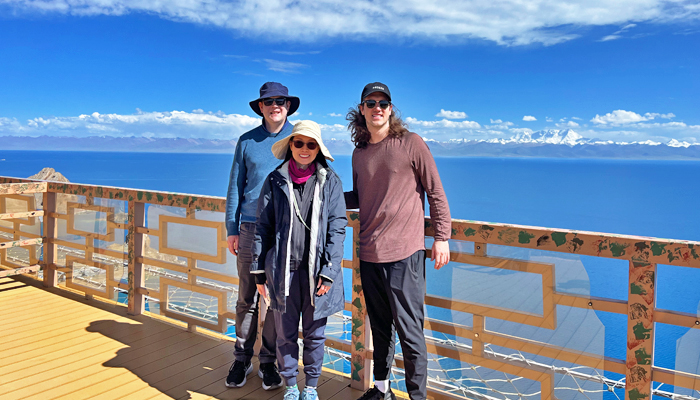 Enjoy a short visit to the breathtaking Namtso Lake and capture stunning photographs.
Summary & FAQs about Namtso Lake in Tibet
Quick Summary
Namtso Lake, one of Tibet’s three holiest lakes, is located about 220 km northwest of Lhasa. Despite its high altitude of 4,718 meters, it draws visitors with its stunning natural scenery, photography opportunities, and rich cultural experiences.
Getting to Namtso Lake is convenient, with the most popular option being a scenic 4-5 hour drive from Lhasa. Along the way and at the lake, you can admire the turquoise waters, explore Tashi Dor Island, trek along the lakeshore, meet nomadic herders, and even spot local wildlife.
For the best views and weather, plan your visit between May and October, and spend a couple of days in Lhasa beforehand to acclimate to the altitude. As the leading Tibet tour operator, we ensure your Namtso Lake trip is safe, smooth, and enjoyable, handling all details, including Tibet Travel Permit.
1. How far is Namtso Lake from Lhasa?
Namtso Lake is located approximately 220 kilometers northwest of Lhasa. By road, the journey typically takes 4–5 hours, depending on traffic and stops for photography or scenic views along the way.
2. What is the altitude of Namtso Lake compared to Lhasa?
Namtso Lake sits at 4,718 meters above sea level, which is about 1,400 meters higher than Lhasa (3,650 meters). This high altitude makes acclimatization in Lhasa before visiting essential.
3. Can I visit Namtso Lake independently, or must I go with a guide?
For foreign travelers, independent travel in Tibet is not allowed. Visiting Namtso Lake requires joining an organized Tibet tour with an experienced guide.This ensures a safe and smooth journey, with your travel agency handling all necessary permits, transportation, and accommodations.
4. Can I visit Namtso Lake year-round?
Yes, Namtso Lake can be visited throughout the year. Each season offers a different experience: summer (May–October) is ideal for warm weather, photography, and wildlife, while winter (November–March) offers a frozen, tranquil landscape with fewer tourists.
5. Is camping allowed at Namtso Lake?
Currently, overnight camping at Namtso Lake is not permitted to protect the fragile high-altitude ecosystem. You should plan to stay in nearby towns like Damxung, which offers guesthouses and small hotels.
6. Do I need a Tibet Travel Permit to visit Namtso Lake?
Yes. A Tibet Travel Permit is required for all travelers entering Tibet. In addition, an Alien’s Travel Permit may be needed to visit Namtso Lake. We can help arrange all necessary travel documents, so simply contact us at least 20 days in advance to ensure a smooth process.
7. Should I visit Namtso Lake or Yamdrok Lake?
Both lakes are stunning, but they offer different experiences:
- Namtso Lake: Known as the “Heavenly Lake”, famous for its high-altitude scenery, turquoise waters, and spiritual significance. Ideal for photography, trekking, and cultural immersion.
- Yamdrok Lake: Lower in altitude, with easier accessibility from Lhasa and a more tranquil lakeshore experience. Perfect for a shorter day trip.
Explore Yamdrok Lake or Namtso Lake depending on your time and interests. A good option is to combine both lakes in one tour, such as our 10-day Lhasa to Everest Base Camp tour with Namtso Lake, to experience the best of Tibet’s highland beauty.
We offer one-stop service to ensure you can smoothly explore Namtso Lake and beyond!
Conclusion
Namtso Lake is one of Tibet’s true gems, combining stunning natural beauty, high-altitude landscapes, and spiritual significance.
Its turquoise waters reflect the snow-capped Nyainqentanglha Mountains, while the surrounding grasslands and Tashi Dor Peninsula offer a peaceful setting for photography, trekking, and cultural exploration.
At Namtso, you can encounter nomadic herders with yaks, pilgrims performing kora, and unique wildlife such as Tibetan antelope, making your visit both memorable and meaningful.
Reaching Namtso Lake is easy. You can drive from Lhasa in about 4–5 hours, but it’s best to acclimatize in Lhasa first to adjust to the high altitude. For the clearest skies and most comfortable weather, plan your visit between May and October.
Whether you are seeking adventure, photography opportunities, or a spiritual experience, Namtso Lake promises an unforgettable journey. Plan carefully, respect the local culture, and allow yourself to soak in the serenity and majesty of this high-altitude wonder.
Ready to start your adventure? Contact our travel experts today for a free consultation or a custom tour plan. Let us help you design a smooth and unforgettable trip to Namtso Lake. Your journey to the roof of the world begins here—we look forward to welcoming you to Tibet!




Ask a Quick Question