



4 Days Lhasa Small Group Tour - Wandering in Sunlight City
Tour Route: Lhasa
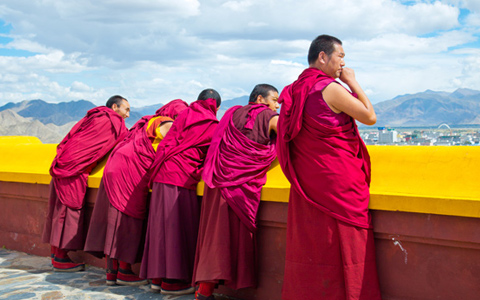
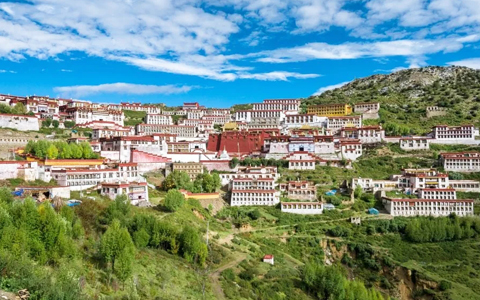
This mind-blowing 4 days join in tour in Sunlight City Lhasa is handpicked and showers you the best of Lhasa, it starts with people just like you with same interests.
Tibet Vista Subsite
Founded & Operated by Four Tibetan Brothers
Show You the Real Tibet
& Get Closer to Local Life


TOP 6 Tibet Small Group Tours
8 Days Lhasa to Everest Base Camp Small Group Tour
Lhasa - Gyantse - Shigatse - Everest Base Camp - Shigatse - Lhasa
From USD949 p.p
15 Days Mount Kailash and Lake Manasarovar Small Group Tour
Lhasa - Gyantse - Shigatse - EBC - Lake Manasarovar - Kailash Trek - Saga - Shigatse - Lhasa
From USD2219 p.p
7 Days Lhasa to Kathmandu Small Group Tour
Lhasa - Shigatse - Everest Base Camp - Gyirong Border - Kathmandu
From USD989 p.p
10 Days Everest Base Camp with Lake Namtso Small Group Tour
Lhasa - Gyantse - Shigatse - EBC - Shigatse - Serling Tso - Namtso Lake - Damxung - Lhasa
From USD1299 p.p
8 Days Kathmandu to Lhasa Driving Across Himalaya Overland Adventure Tour
Kathmandu - Gyirong Border - Everest Base Camp - Shigatse - Lhasa
From USD1019 p.p
Tibet Tours
TOP 6 China Tibet Group Tour Packages
Start Your China Tibet Tour from
TOP 6 Tibet Nepal Group Tour Packages
Tibet Travel Permit
Apply Tibet Permit Now
For planning your Tibet trip, you will first need a Tibet Travel Permit. Just tell us your travel plan, and we will help you to get it in an easy way.
More Tibet Travel Permit Guide
Top-Read Tibet Travel Advice Articles
How to Visit Tibet: The Best Tips for Planning Your Tibet Tour
Unveiling the Best Time to Visit Tibet: 5 Facts You May Not Know
How Many Days Do I Need to Tour Tibet? 7 Days, 10 Days or Longer?
How Much Does It Cost to Travel to Tibet? Less Than You Think
Imagine a land where mountains touch the sky and prayer flags flutter in the wind. In Tibet, culture comes alive everywhere. Hear the rhythmic chants of monks, see vibrant Tibetan festivals, and taste the warmth of butter tea. From sacred monasteries to bustling village streets, every step reveals authentic Tibetan traditions.
In 2026, the Year of the Fire Horse, Tibet feels more vibrant than ever. Whether you come for sacred rituals, traditional arts, or everyday customs, this guide will help you step into the heart of Tibetan culture and get closer to local life firsthand.
A Land of Faith
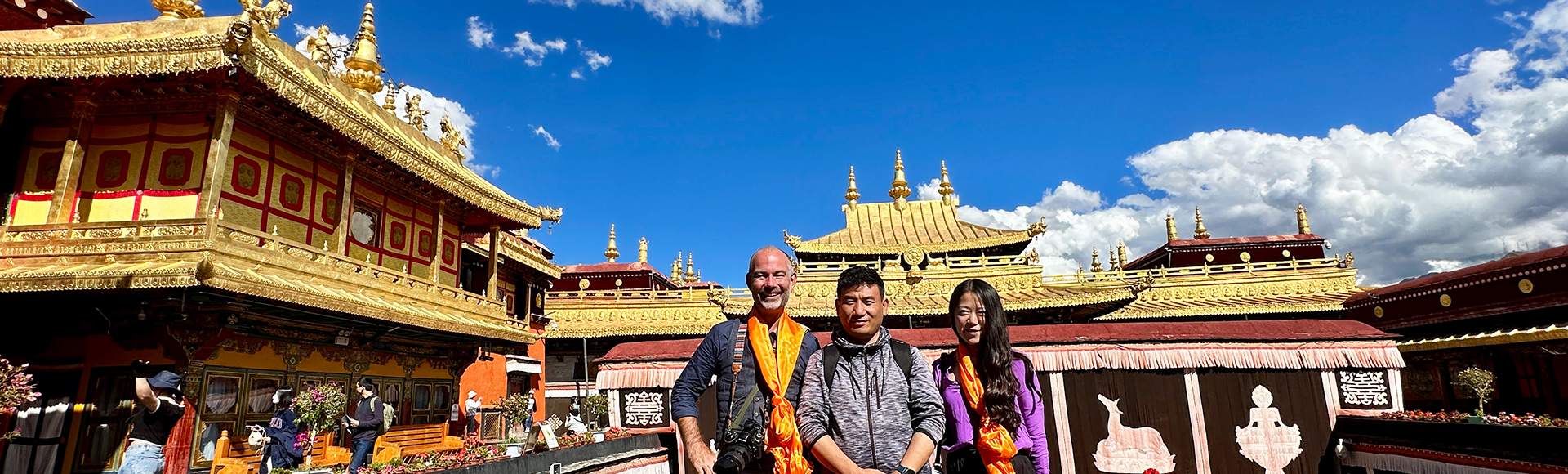
Tibetan culture is deeply spiritual. Golden monasteries shine in the sun, prayer wheels spin endlessly, and pilgrims walk quietly along sacred paths. It is a world of peace that invites you to step in.
Vibrant Traditions
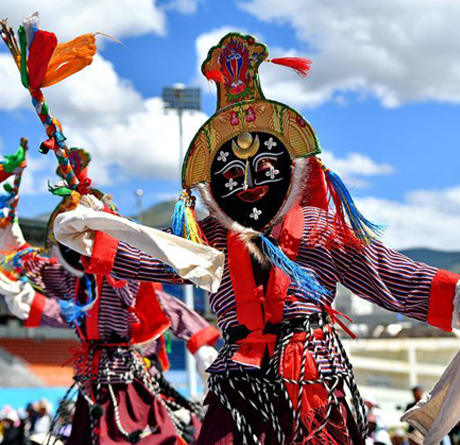
Life here is full of color and activity. Tibetan festivals come alive with masked dances, strings of colorful banners brighten the sky, and age-old Tibetan customs are still practiced every day.
Warm Hospitality
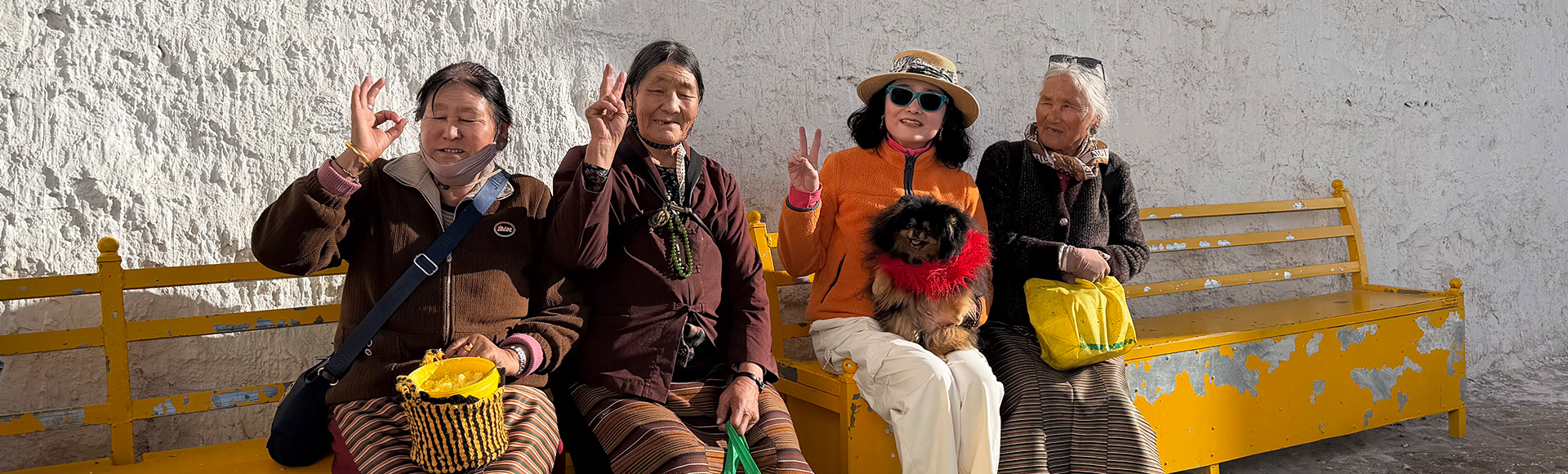
The heart of Tibetan culture is its people. Sitting in a sunlit home, sharing a cup of hot butter tea with a local family, you feel their warmth and generosity.
2026 is a special year for Tibetan culture. Known as the Year of the Fire Horse, it’s a time full of spiritual energy. Whether you go on a sacred pilgrimage or enjoy tea in a traditional teahouse, your journey this year will bring you closer to the heart of the plateau. Here are five experiences you shouldn’t miss:
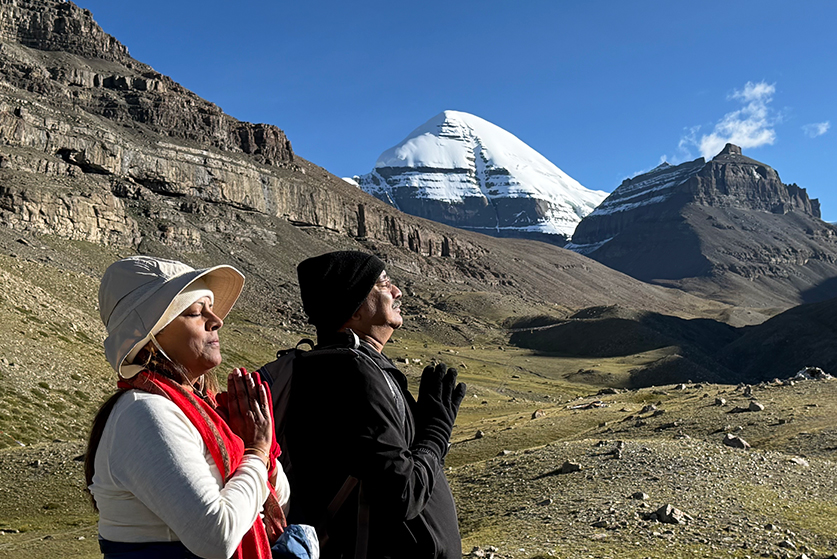
Hike the Sacred Mount Kailash Kora
Join pilgrims on the holy circuit of Mount Kailash. In 2026, completing a kora is believed to carry the merit of 13, making this a once-in-a-decade spiritual opportunity.
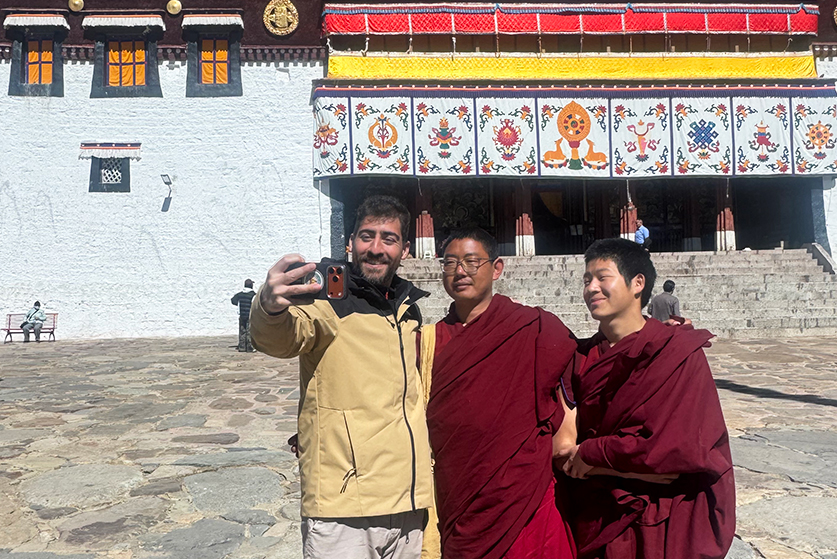
Watch the Monk Debates at Sera
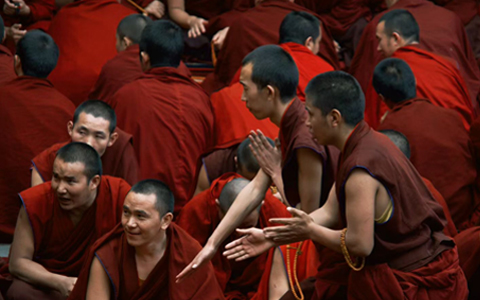
See Buddhist philosophy come to life at Sera Monastery. With hand-claps, lively gestures, and playful arguments, these afternoon debates give a fascinating glimpse into monastic life.
Relax in a Tibetan Sweet Tea House
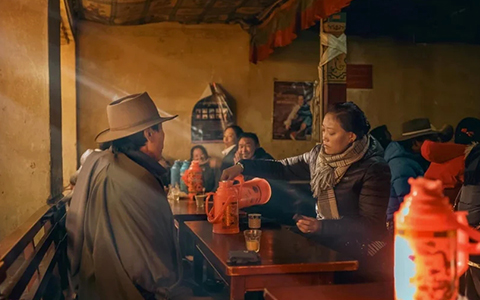
Do as the locals do! Spend some time in a bustling teahouse, sipping Tibetan sweet tea and enjoying the friendly, social atmosphere of the plateau.
Take the Barkhor Street Kora
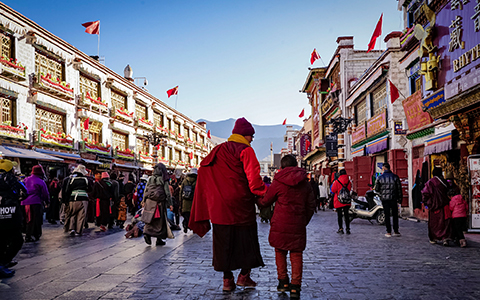
Walk with thousands of locals around the Jokhang Temple. This is the heart of Lhasa’s living culture, where you’ll see prostrating pilgrims and browse traditional artisan shops along the way.
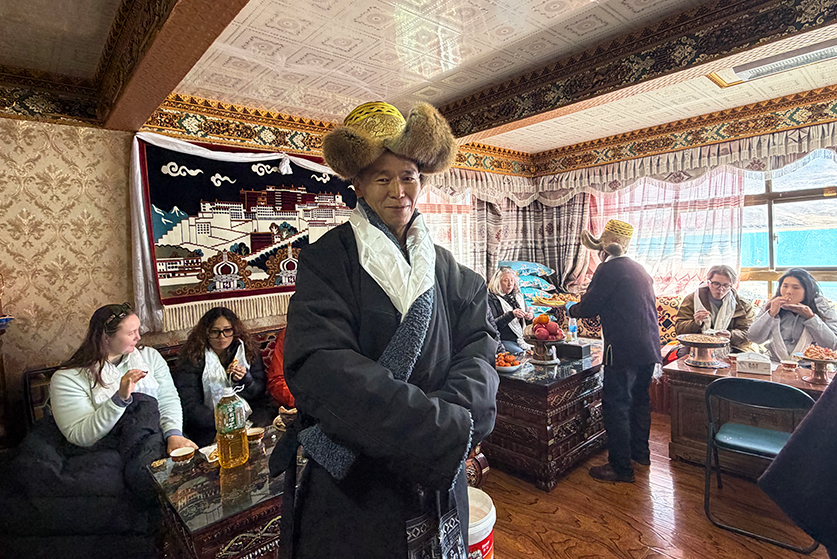
Visit a Local Tibetan Family Home
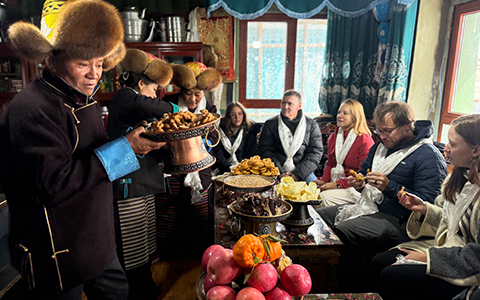
Step inside a traditional home to experience daily life up close. Try yak butter tea, learn how to make Tsampa, and enjoy the warm hospitality that makes Tibetan culture so special.
Tibetan culture is rich and diverse, shaped by centuries of tradition. From religion and festivals to daily life, food, and arts, each aspect gives a window into life on the high plateau. Discover the key aspects below and see what makes Tibetan culture so unique.

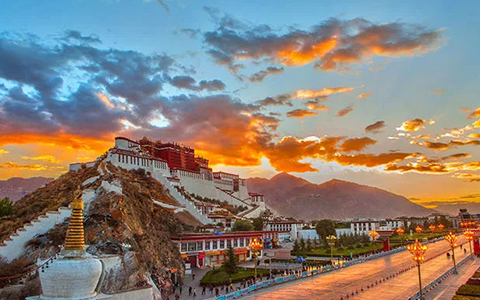
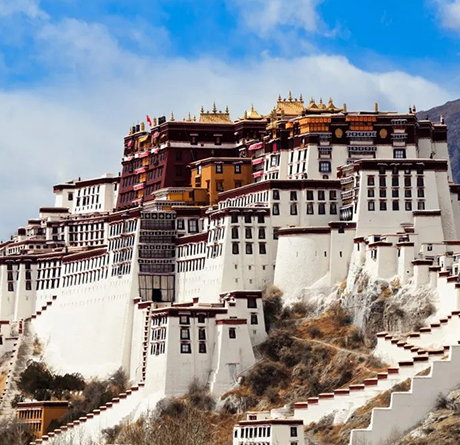
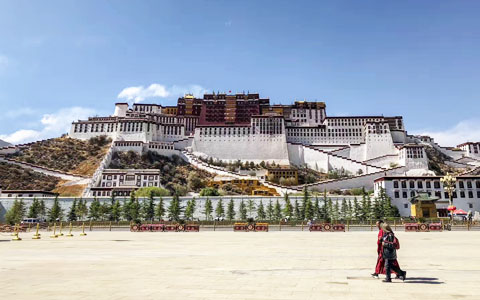
Tibetan Buddhism is the core of Tibetan life, shaping everything from art to daily habits. You will see its influence in the majestic Potala Palace, the countless spinning prayer wheels, and the devotion of pilgrims who travel thousands of miles to reach the sacred Jokhang Temple.

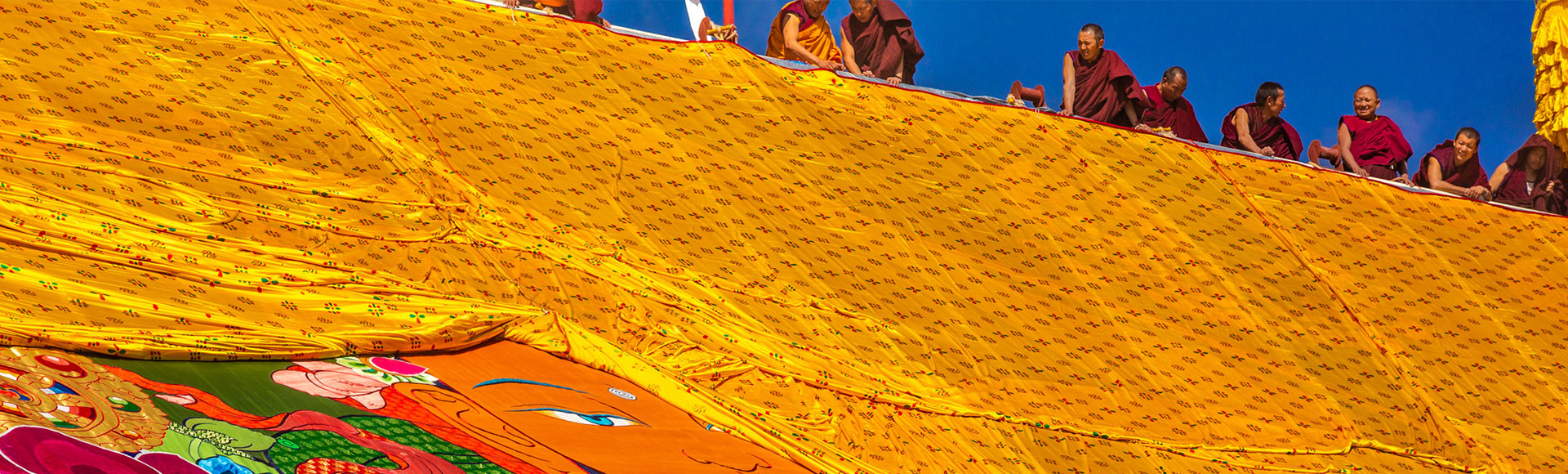
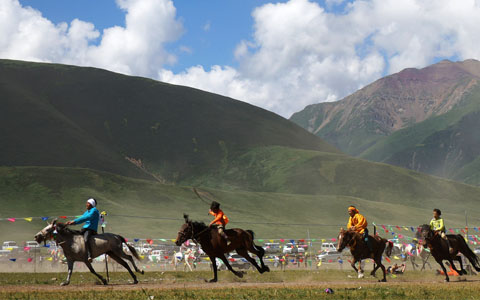
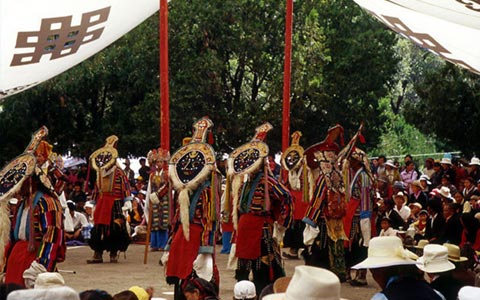
Tibet’s calendar is alive with vibrant colors. From the Shoton (Yogurt) Festival with its giant Thangka unveilings to the Tibetan New Year (Losar) and the grand horse races, these events offer a rare look at traditional costumes, masked "Cham" dances, and ancient rituals.

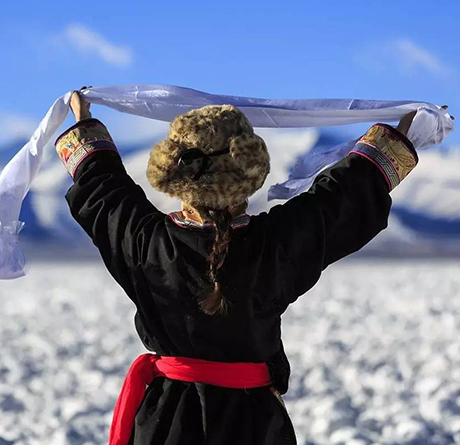
Experience a culture built on kindness and respect. You will learn the meaning behind the white Hada (silk scarves) offered to guests, the social etiquette of drinking tea, and the spiritual practice of walking "Koras" (sacred circuits) around holy sites.

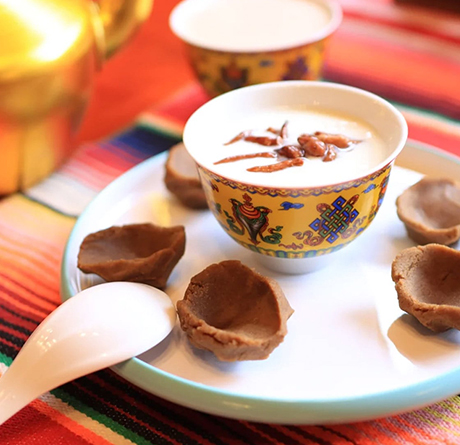
Fuel your journey with the "Soul of the Plateau." Try Momos (Tibetan dumplings), savory yak meat, and the famous Tsampa (roasted barley flour) — a staple energy food. Don't forget to sip on authentic yak butter tea, the ultimate highland comfort drink.

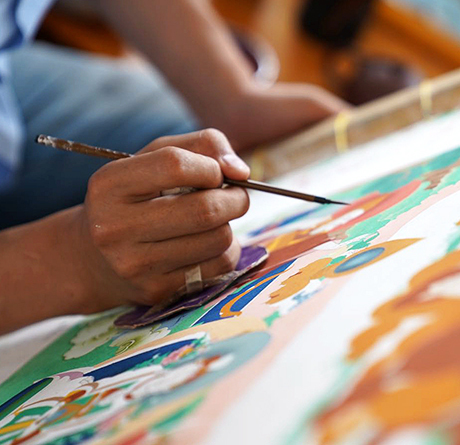
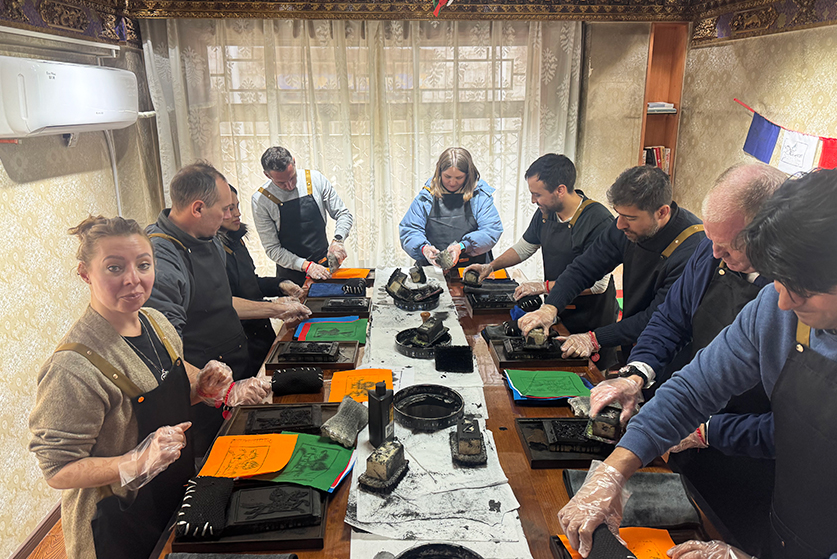
Marvel at the incredible detail of Thangka paintings (sacred scroll art) and hand-knotted wool carpets. The air in Tibet is often filled with the hauntingly beautiful sounds of long Tibetan horns and folk songs that have been passed down for generations.

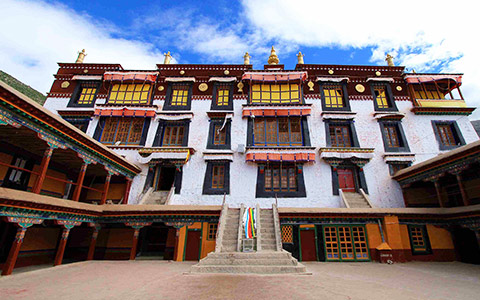
Known for its fortress-like stone walls, golden roofs, and colorful hand-painted window frames, Tibetan architecture is breathtaking. Whether it is a towering monastery or a cozy village farmhouse, each building is designed to stand strong against the elements.

The Tibetan language is one of the oldest in Asia, with a beautiful script that you will see on prayer flags and temple walls. Learning a few simple words like "Tashi Delek" (Hello and Blessings) is the best way to connect with the local people.

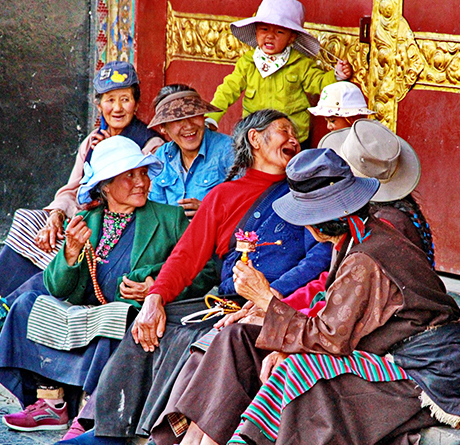
Despite living in a harsh climate, the Tibetan people are known worldwide for their resilience, humor, and incredible hospitality. From the nomads on the grasslands to the monks in Lhasa, their warm smiles are the true highlight of any trip.

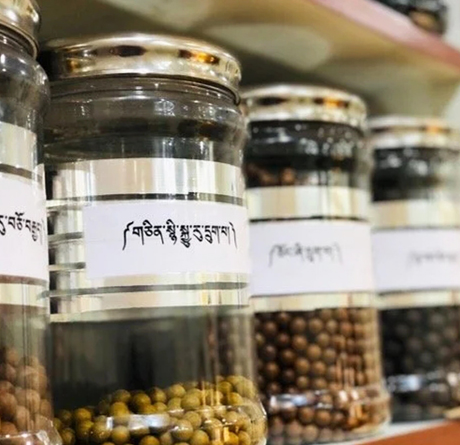
Explore one of the world's oldest medical systems. Known as Sowa Rigpa, it uses rare highland herbs, minerals, and ancient pulse-reading techniques to bring balance to the mind, body, and spirit—a perfect blend of science and spirituality.
Tibet celebrates vibrant festivals throughout the year, each offering a unique glimpse into local culture. In 2026, the Saga Dawa Festival is a highlight — this "Year of the Horse" event is considered the peak of spiritual energy on the plateau.
Summer is also lively, with warmer weather and major events such as the Shoton (Yogurt) Festival, famous for giant Thangka unveilings, and the Nagqu Horse Racing Festival, which showcases traditional horse culture.
For a more spiritual and intimate experience, visiting during Tibetan New Year (Losar) in February or March allows you to witness ancient customs, local rituals, and family celebrations up close.
Dress modestly to show respect. Cover shoulders and knees, and avoid tight or revealing clothes. Comfortable shoes are recommended, especially if you plan to walk around monastery grounds or climb steps of the Potala Palace. A light scarf can serve both as sun protection and a head covering when required.
Layered clothing is also helpful since temperatures can change quickly from morning to night. Bright colors are acceptable, but subtle tones are often preferred inside sacred areas.
Photography is generally not allowed inside main halls or shrines. You can usually take photos in the outer courtyards, but avoid photographing altars, statues, or sacred objects.
Pay attention to sings - some temples in Tibet may allow photos for a small fee. Do not use flash, and never photograph monks, nuns, or locals while praying without permission.
At major sites like Potala Palace and Tashilhunpo Monastery, photography is strictly forbidden. If in doubt, always ask your guide first to avoid problems.
In Tibetan belief, 2026, the Year of the Fire Horse, carries extra spiritual energy. Pilgrimages, rituals, and visits to sacred sites are thought to be more auspicious.
Thus, you will often feel your journeys are more meaningful, especially when completing a Kora around Mount Kailash, participating in monastery prayers, or joining traditional cultural activities.
This year is also considered excellent for personal reflection, spiritual growth, and cultural immersion.
Yes, absolutely! You can take part in experiences like walking a Kora around mountains or lakes, watching masked Cham dances during Tibetan festivals, visiting local families, or tasting traditional Tibetan food.
With the help of our local Tibetan guide, you’ll connect directly with the people, culture, customs, and daily life, making your journey more authentic and memorable.
When performing a Kora (sacred circuit), Tibetans usually walk clockwise around temples, stupas, or sacred mountains. This practice symbolizes respect for Buddhist teachings and is believed to accumulate spiritual merit.
You are welcome to follow the same direction during a pilgrimage or temple visit. Observing or joining in this practice is a meaningful way to connect with local traditions.
When visiting a Tibetan family:
You may have the chance to taste yak butter tea, help make Tsampa, or see daily chores, which gives a genuine glimpse into life on the plateau. Being respectful and open-minded will make the visit enjoyable for both you and the hosts.
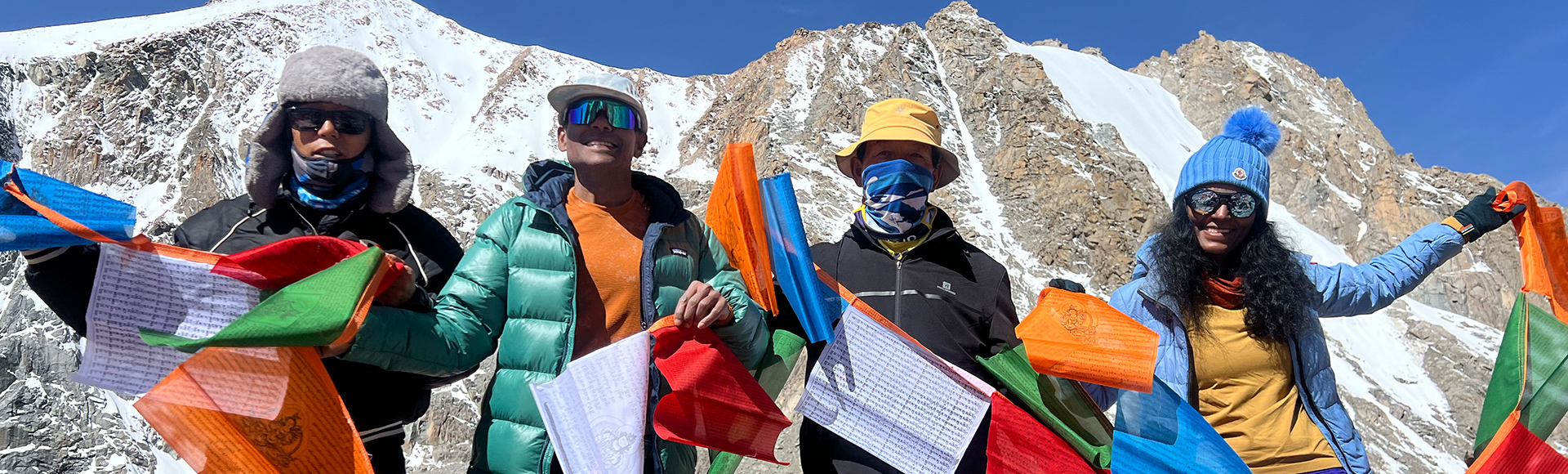
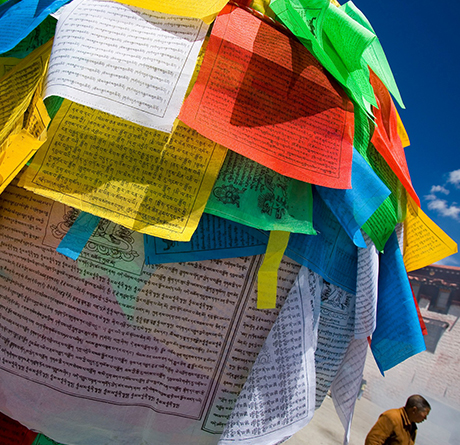
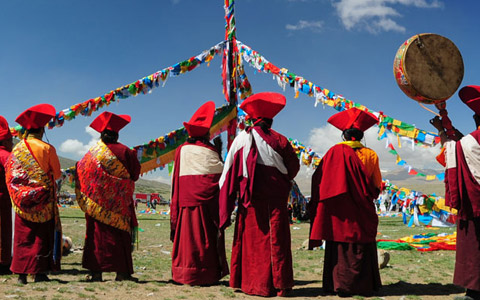
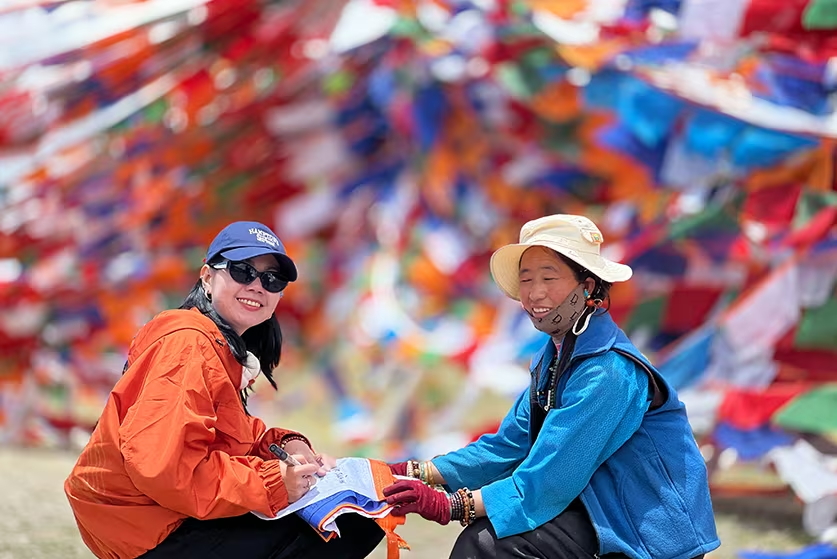
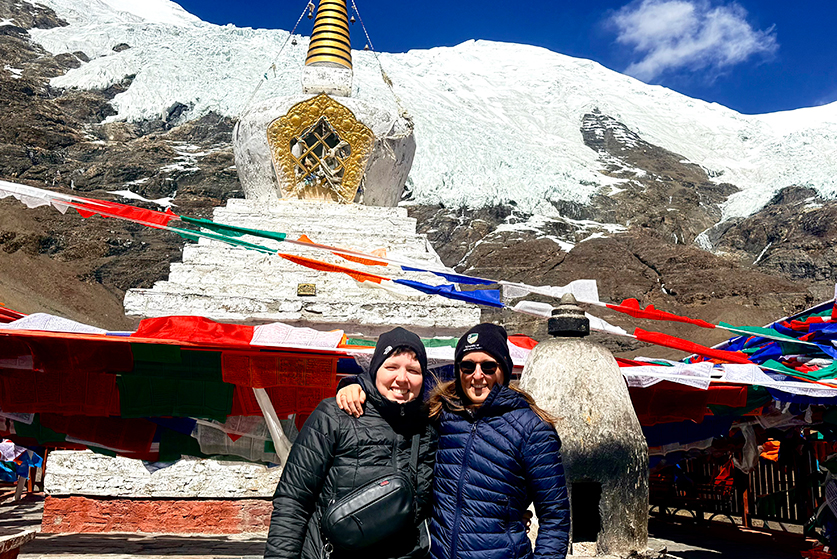
The five colors — blue, white, red, green, and yellow — represent the elements: sky/space, air/wind, fire, water, and earth. Hanging these flags is believed to spread blessings, peace, and harmony as the wind carries the prayers.
You’ll often see flags adorning monasteries, mountains, and village homes, creating a beautiful, spiritual landscape that is instantly recognizable as Tibetan.
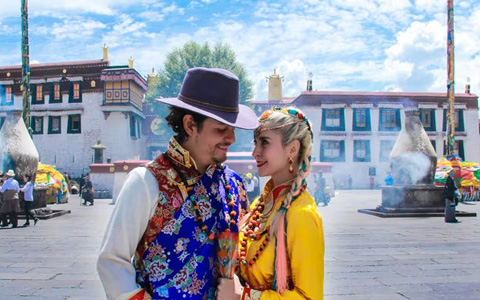
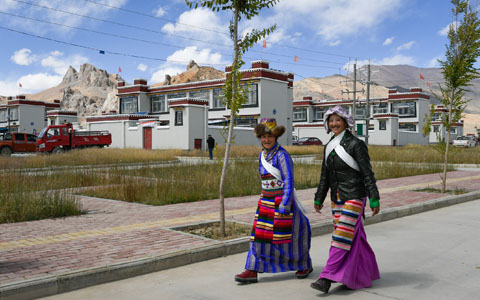
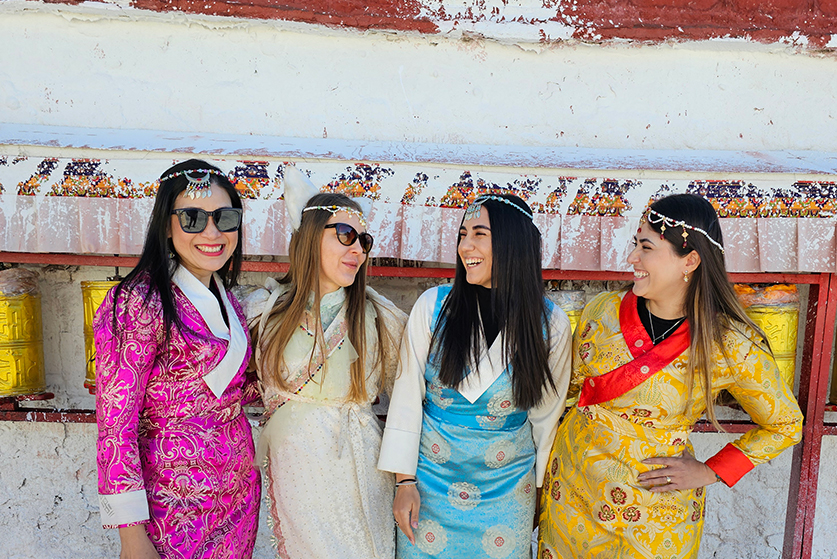
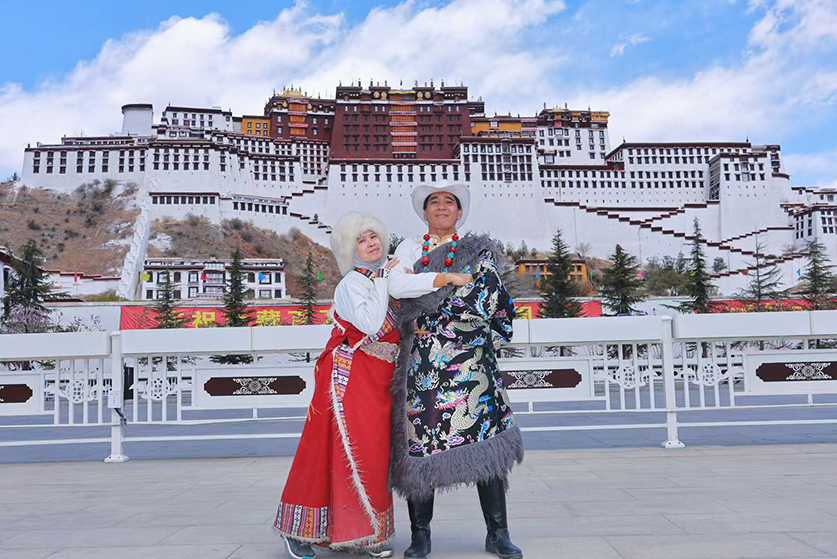
Yes! Wearing traditional Tibetan clothing is a fun and immersive way to experience local culture, and it makes for stunning photos against Tibet’s breathtaking scenery.
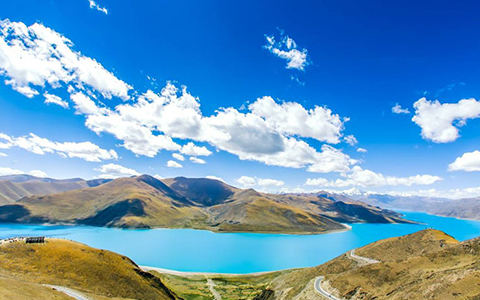
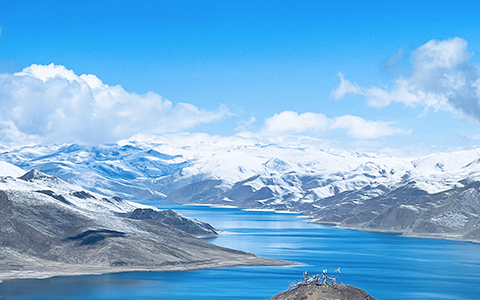
During your Tibet tour, you can wear Tibetan dress in top spots like Lhasa’s Barkhor Street, outside magnificent monasteries such as Drepung and Sera, or scenic locations like Yamdrok Lake.
For tourists booking with us, we offer one-stop services including clothing rental and photography. With a professional local guide, you’ll get tips on how to wear Tibetan dress properly and where to take the most memorable photos.
No, learning Tibetan is not required. While most locals do not speak English, you won’t face a language barrier on your tour.
Our experienced bilingual guides can act as interpreters, helping you communicate with locals and explaining Tibetan Buddhism, history, culture, and traditions for a deeper understanding.
Knowing a few simple phrases, like “Tashi Delek” (Hello and Blessings) or “Khamzang la” (Thank you), shows respect and often brings smiles. Even a small effort can make interactions more meaningful and memorable.
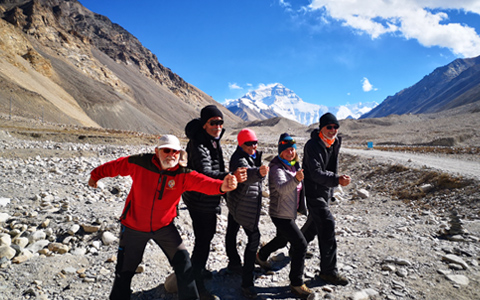
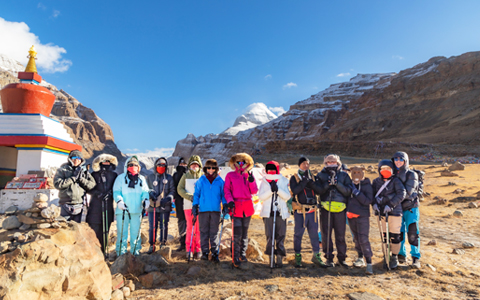
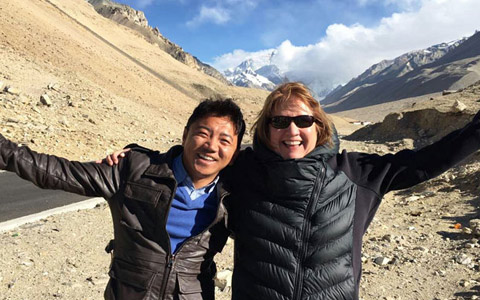
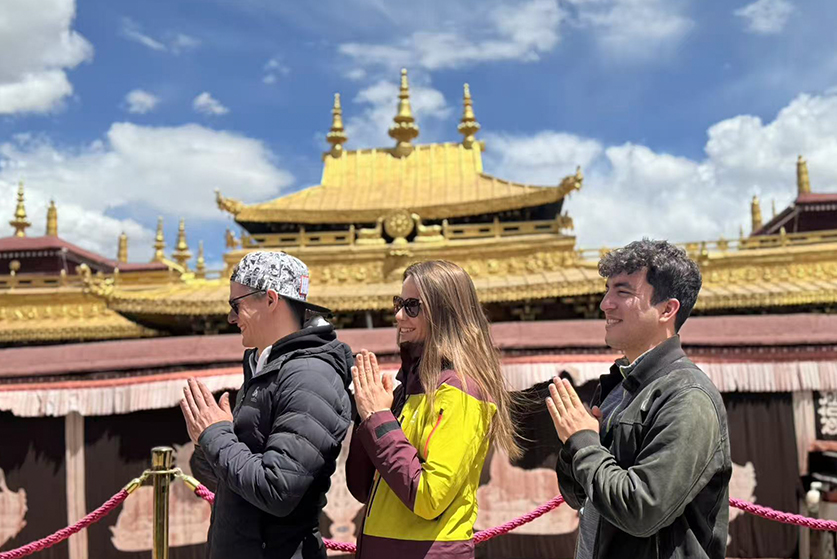
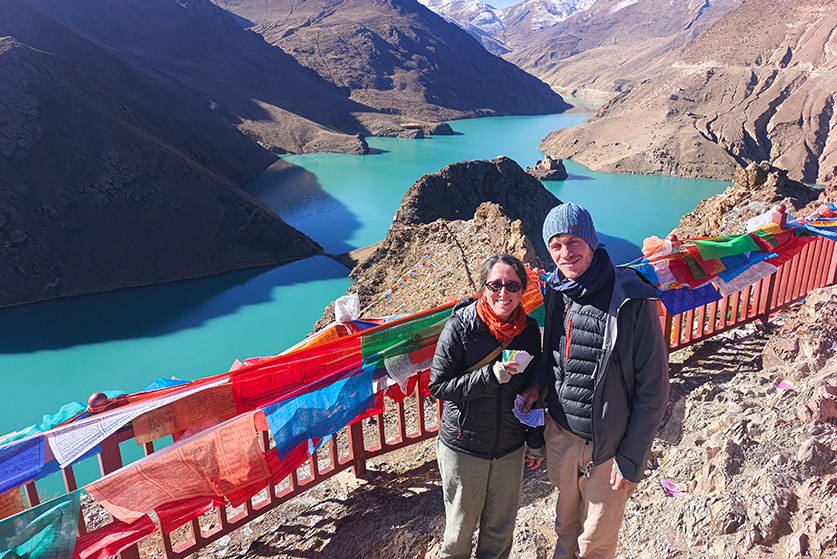
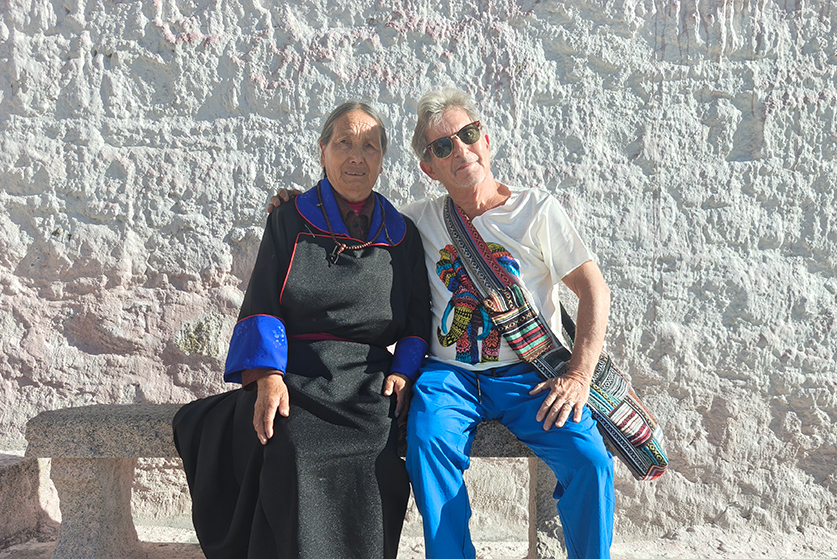
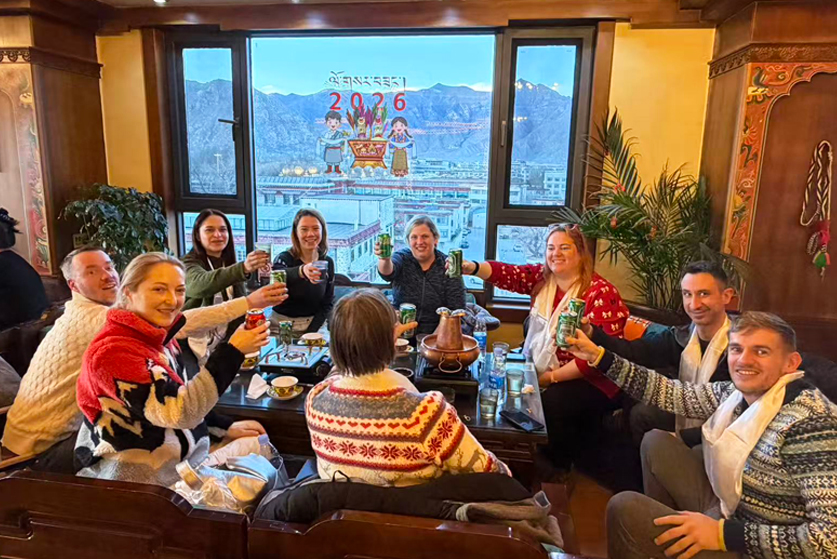
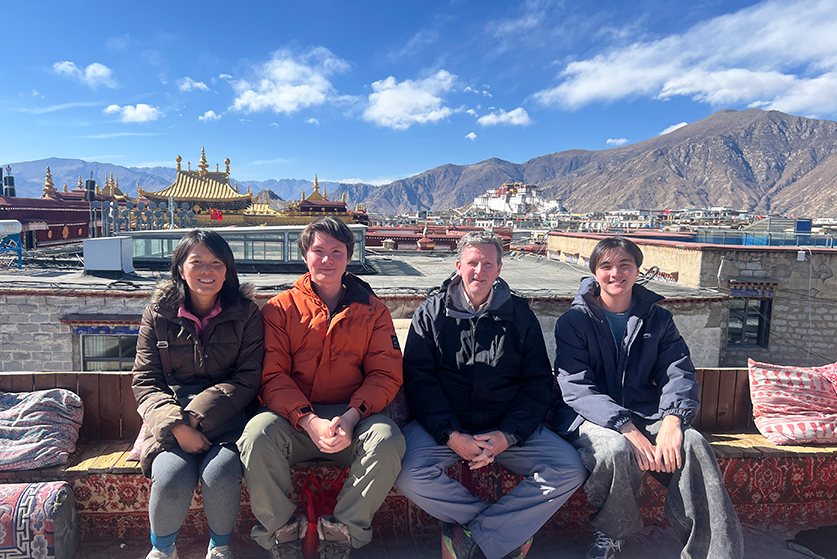
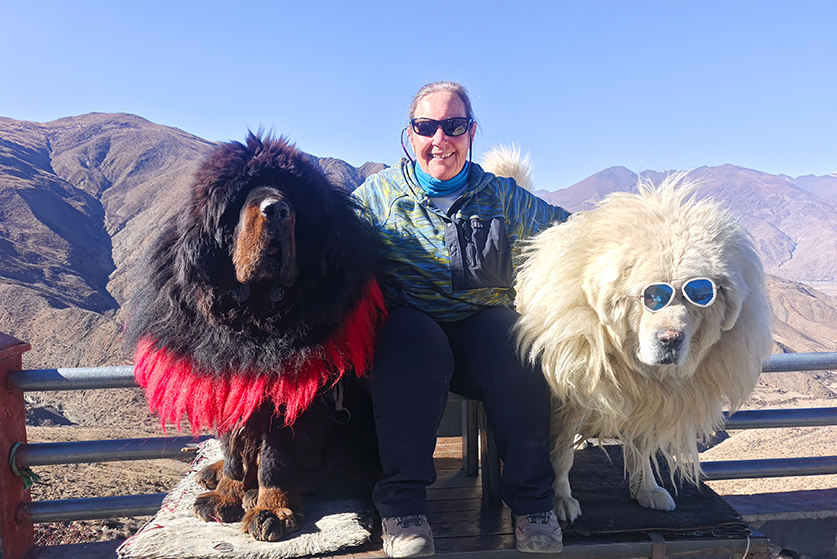
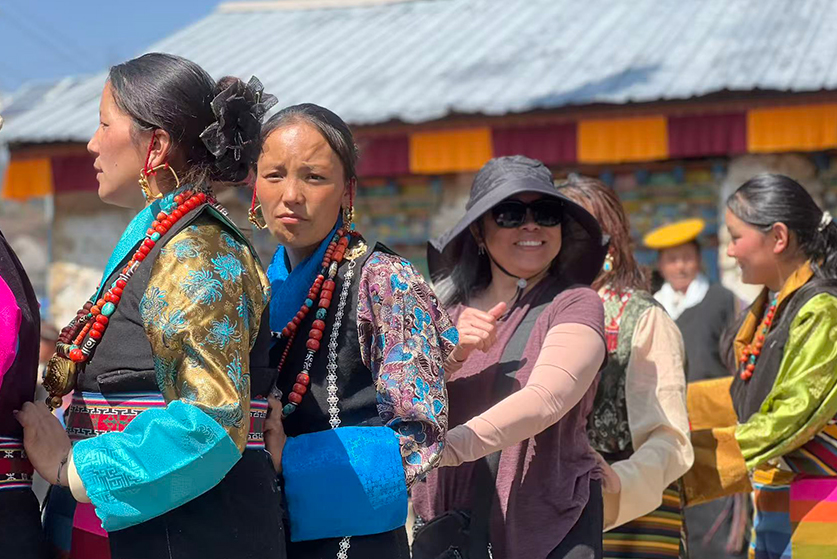
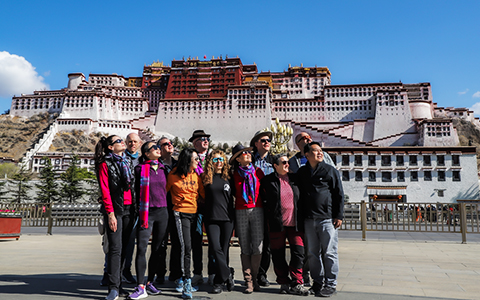
See our clients enjoying unforgettable moments immersed in Tibetan culture during their tours.


Discover Tibet up close with our carefully curated culture tours. From vibrant Lhasa to the remote sacred Mount Kailash, each tour lets you experience the heart of Tibetan culture. Join us to explore, learn, and create unforgettable memories on the high plateau.
4 Days Lhasa Small Group Tour - Wandering in Sunlight City
Tour Route: Lhasa
This mind-blowing 4 days join in tour in Sunlight City Lhasa is handpicked and showers you the best of Lhasa, it starts with people just like you with same interests.
6 Days Lhasa and Shigatse Small Group Tour
Tour Route: Lhasa - Gyantse - Shigatse - Lhasa
This 6 days Tibet culture group tour will take you to the culture centers of Tibet including Lhasa, Shigatse and Gyantse.
5 Days Lhasa and Ganden Monastery Small Group Tour
Tour Route: Lhasa - Drak Yerpa - Ganden - Lhasa
This 5 Days Lhasa to Ganden Monastery group tour will take you to the Great Three Monasteries of Tibet in just one go.
8 Days Central Tibet and Namtso Small Group Tour
Tour Route: Lhasa - Gyantse - Shigatse - Lhasa - Lake Namtso - Lhasa
The 8-day cultural tour will bring you to visit the highlighted attractions in main cities of Tibet and appreciate the stunning view of Namtso Lake and Yamdrok Lake.
8 Days Lhasa to Everest Base Camp Small Group Tour
Tour Route: Lhasa - Gyantse - Shigatse - Everest Base Camp - Shigatse - Lhasa
Be enveloped in the Tibetan landscape's vast expanses, including the magnificent Mt. Everest with this unforgettable 8-day join-in tour for Mt. Everest.
15 Days Mount Kailash and Lake Manasarovar Small Group Tour
Tour Route: Lhasa - Gyantse - Shigatse - EBC - Lake Manasarovar - Kailash Trek - Saga - Shigatse - Lhasa
To find the best spiritual experience in Tibet? Look no further than 3-day Mt. Kailash kora. This 15-day Lhasa to Mt.Kailash tour via EBC combines almost all the highlights of Tibet tour within 2 weeks.
Start planning your Tibet tour by filling out the form! Our travel counselors will reply you within 24 hours.
Privacy Policy: Tibettour.org will never sell, trade, or give away your contact information to a third party.
Ask a Quick Question