










Shoton Festival in Tibet: What to See and Do During This Unique Cultural Event
The Shoton Festival, also known as the Yogurt Festival, is one of the most vibrant and culturally rich events in Tibet. It is held in summer, which coincides with the peak tourist season in Tibet. Therefore, it is a rare chance for both domestic and international visitors to experience Tibetan landscapes, traditions, religion, and local life all at once.
Before embarking on a journey to Tibet during this festival, you may wonder: What is the Shoton Festival? Where are the best places to experience it? What are the top highlights you can expect?
In this guide, we will walk you through every aspect of this unique cultural event, helping you plan a smooth and memorable journey.
Quick Facts About Shoton Festival in Tibet:
- What: One of Tibet’s most important festivals, also known as the “Yogurt Festival”
- When: June 30 in the Tibetan calendar, corresponding to August 12, 2026 in the Gregorian calendar
- Where: Lhasa, Tibet (mainly Drepung Monastery & Norbulingka Park)
- Duration: About one week
- Main Highlights: Opening ceremony, giant Thangka unveiling, Tibetan opera performances, and local picnics
- Best For: Culture lovers, photographers, and first-time visitors to Tibet
- Travel Requirement: Tibet Travel Permit (required for all foreign visitors)
Contents
 When and Where Is the Shoton Festival Celebrated?
What Are the Top Highlights of the Shoton Festival?
Why Visit Tibet During the Shoton Festival?
How to Plan Your Trip Around the Shoton Festival
Practical Travel Tips for Visiting Tibet During the Shoton Festival
What Is the Shoton Festival?
The origins of the Shoton Festival can be traced back to the 11th century, when it began as a religious event. Since the 17th century, it gradually expanded in scale and evolved into a grand festival that combines religious rituals, cultural performances, and leisure activities.
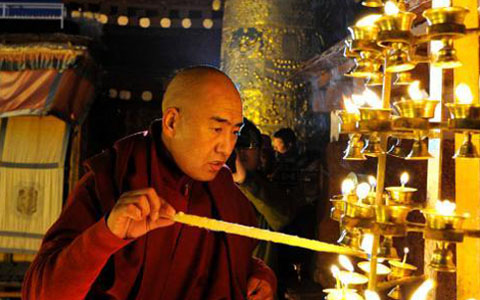
According to the Gelug school’s monastic rules, during the summer months when insects are abundant, monks are required to avoid outdoor activities to prevent harming living beings. From the fourth to the sixth month of the Tibetan calendar, they remain in monasteries for retreat, study, and meditation.
When the retreat ended in late June, monks would descend from the monasteries, and local people would offer them yogurt as a gesture of respect and gratitude, followed by outdoor celebrations in the surrounding areas. That’s why the Shoton Festival is also called the Yogurt Festival.
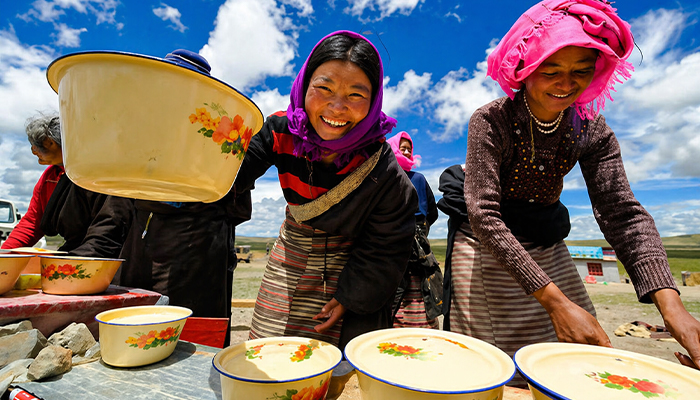 The Shoton Festival is also called the Yogurt Festival for its local yogurt offerings.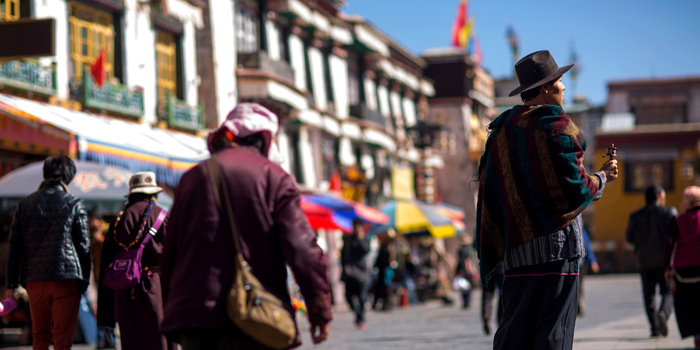

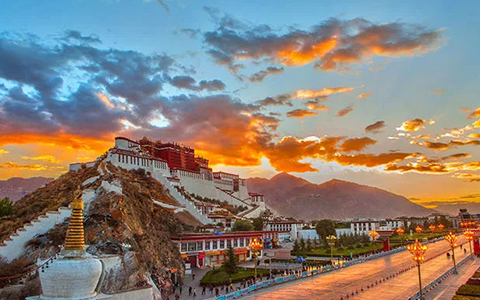
Discover the highlights of Lhasa with a relaxed pace, exploring iconic landmarks and vibrant local culture.
When and Where Is the Shoton Festival Celebrated?
Festival Dates in 2026
The exact dates of the Shoton Festival vary each year, as they are based on the Tibetan lunar calendar. In 2026, the festival will begin on August 12, corresponding to June 30 in the Tibetan calendar. The celebrations typically last about a week, with events taking place across several key locations.
Main Celebration Places
The Shoton Festival is held annually in Lhasa, the cultural and spiritual heart of Tibet. Early on the morning of the festival’s first day, a giant Buddha Thangka is unveiled at Drepung Monastery, marking the beginning of the festival. A similar unveiling ceremony is also held at Sera Monastery on the same morning, serving as a secondary religious opening site.
After that, people gather at Norbulingka to enjoy picnics, yogurt feasts, and Tibetan opera performances during the day. In the evening, they attend the grand opening ceremony, a large-scale performance held at Nanshan Park in Lhasa.
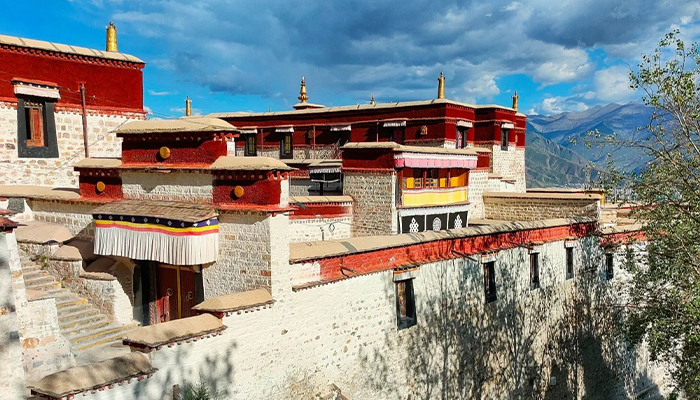 Drepung Monastery is one of the main venues for the Shoton Festival and is famous for the Buddha Thangka unveiling.
What Are the Top Highlights of the Shoton Festival?
During the Shoton Festival, Lhasa hosts a week-long celebration featuring events such as the giant Buddha display, Tibetan opera, yogurt feasts, and cultural performances. It offers visitors a great chance to experience Tibetan culture and festive traditions.
Opening Ceremony Performances
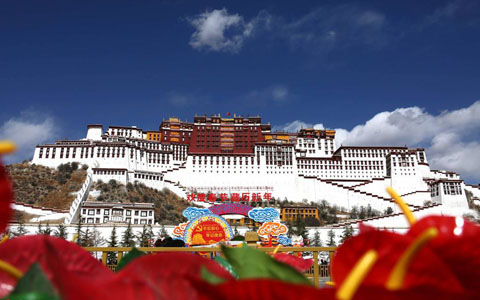
The opening ceremony of the Shoton Festival, organized by the local government, features a variety of song and dance performances. In 2026, the opening ceremony will be held at Nanshan Park in Lhasa, set against the stunning backdrop of the Potala Palace.
The venue will be illuminated with colorful lights, while performances by renowned Tibetan singers and dancers showcase traditional art forms such as tap dancing, Langma dance, and Guozhuang dance (a traditional Tibetan circle dance).
The music and performances fill the park with a lively and festive atmosphere. This spectacular event can only be experienced in Lhasa during the Shoton Festival, making it a perfect opportunity to appreciate Tibetan culture and art.
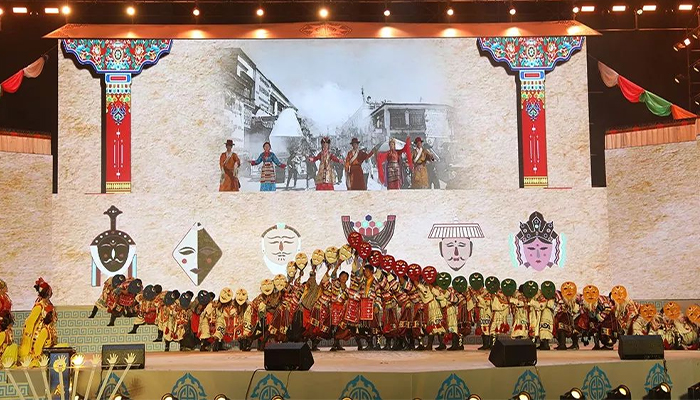 The opening ceremony is one of the major highlights of the Shoton Festival.
Buddha Unveiling Ceremony at Drepung Monastery
One of the most important religious events during the Shoton Festival is the Buddha Thangka unveiling at Drepung Monastery. As the largest monastery in Lhasa, it houses two giant thangkas — one of Shakyamuni Buddha and the other of Jampa Buddha — which are displayed alternately during the festival.
Early in the morning on the first day, monks carry the massive thangka to a hillside display platform. As the sun rises, it is gradually unfolded, revealing a magnificent image of the Buddha. The thangka measures about 30 meters in both length and width, covering around 900 square meters when fully unfolded, creating a truly spectacular scene.
The thangka is usually displayed only for a few hours in the morning. Around noon, after the crowds begin to disperse, it is carefully rolled up and returned to the Coqen Hall of Drepung Monastery, marking the end of the ceremony.
Today, the Thangka unveiling at Drepung Monastery has become a highlight of the Shoton Festival. Thousands of pilgrims and visitors gather to witness this sacred moment and pay their respects.
.jpg "Buddha Unveiling at Drepung Monastery") The Buddha Thangka unveiling at Drepung Monastery is a truly spectacular sight during the Shoton Festival.
The Buddha Thangka unveiling at Drepung Monastery is a truly spectacular sight during the Shoton Festival.Traditional Tibetan Opera Performances at Norbulingka
Tibetan opera, known as Ache Lhamo, is another highly anticipated highlight of the Shoton Festival. It is a unique form of performance art that has been an important part of Tibetan culture for more than 600 years.
From the second day onwards, people gather at Norbulingka, the former summer palace of the Dalai Lamas, to watch the performances. Tibetan opera blends singing, dancing, acting, and storytelling into a rich and engaging art form.
Performers wear elaborate costumes and masks representing different characters or animals, bringing Tibetan stories and legends to life. Due to time constraints, performances are usually shortened versions rather than full-length productions, as a complete opera can take several days to perform.
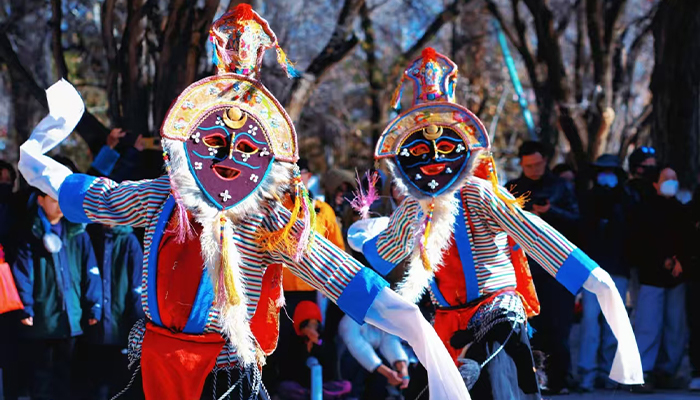 Performers wear elaborate costumes and masks while performing Tibetan operas during the Shoton Festival.
Horse Racing and Equestrian Performances
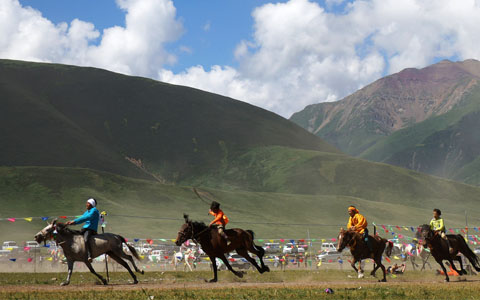
Horse racing has been an important tradition in Tibet for centuries and is an exciting event not to be missed during the Shoton Festival. It is usually held at the Lhasa Racecourse in the northern suburbs of Lhasa, offering a spectacular visual experience.
Both horses and riders are colorfully dressed for the occasion. Riders wear their finest traditional outfits, while the horses are adorned with braids, ribbons, and decorative ornaments. They compete in multiple disciplines such as speed races, mounted archery, and equestrian stunt performances.
These events showcase not only remarkable skill but also the deep bond between rider and horse. The sight of riders and horses galloping across the field brings the festive atmosphere to its peak. Whether or not you are a fan of equestrian sports, watching these dynamic performances is sure to be an eye-opening and unforgettable experience.
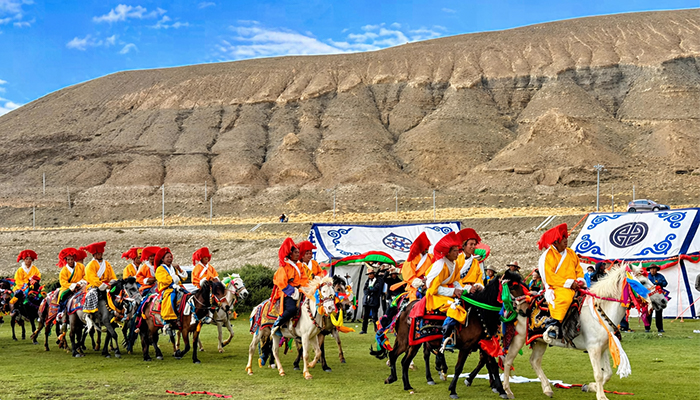 Both riders and horses are colorfully dressed for horse racing during the Shoton Festival.
Local Celebrations and Tibetan Picnic Culture
During the Shoton Festival, people across Tibet enjoy a week-long holiday, one of the most joyous times of the year. Families leave their homes and head outdoors for picnics, a tradition known as “celebrating Linka.”
Locals gather in Norbulingka Park, bringing homemade food, yogurt, barley wine, butter tea, and other snacks. They set up colorful tents under trees or by streams, sing songs, play games, and enjoy time together.
For visitors, this is a unique opportunity to observe everyday Tibetan life. Tibetan people are known for being friendly and warm-hearted, and they are often happy to welcome visitors to join their picnics, dances, and games. In this lively atmosphere, you can immerse yourself in local life and gain a deeper understanding of Tibetan culture.
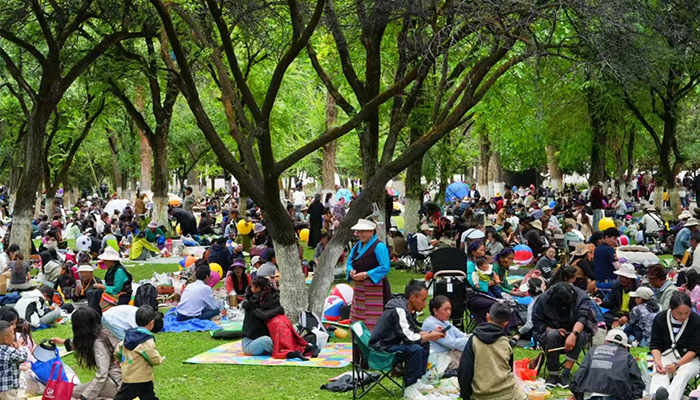 Locals gather in Norbulingka Park for picnics, bringing food and enjoying time together during the Shoton Festival.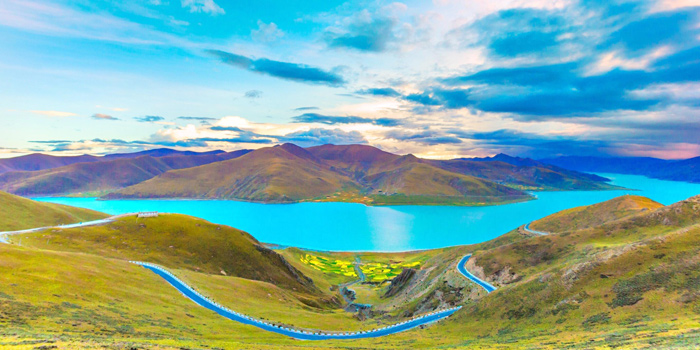
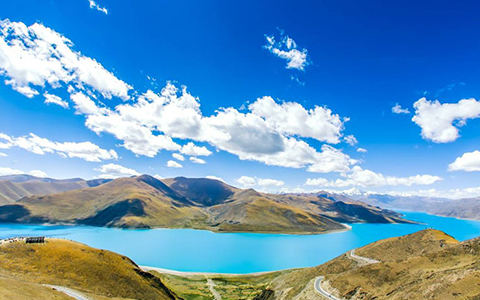
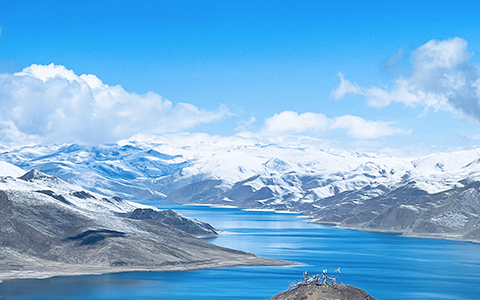
Experience the perfect blend of Lhasa’s cultural heritage and the breathtaking scenery of Yamdrok Lake.
Why Visit Tibet During the Shoton Festival?
Rare Opportunity to Experience Authentic Tibetan Traditions
The Shoton Festival is not designed for tourists — it is a genuine cultural event celebrated by local people and one of the most important Tibetan festivals in the region. Many ceremonies and practices have been preserved for centuries, making it far more meaningful than standard sightseeing and offering a deeper experience of authentic Tibetan traditions.
Cultural Immersion Beyond Typical Sightseeing
Instead of simply visiting landmarks, the festival lets you engage with real local life: Tibetan dance, opera, food, family gatherings, and spiritual practice. You can not only witness their festival life, but become part of the experience. This kind of immersion creates a deeper connection to the destination.
A Once-a-Year Cultural Experience
As the festival only happens once a year, it offers a unique and time-sensitive travel opportunity. Planning your Tibet tour around the Shoton Festival allows you to experience this region at its most vibrant — both in its natural landscapes and cultural traditions.
How to Plan Your Trip Around the Shoton Festival
Booking Your Tickets and Accommodation in Advance
The Shoton Festival takes place in summer, which is the peak travel season in Tibet. Flights, train tickets, hotels, and tour services can fill up quickly, so early booking is essential. It is recommended to plan your trip several months in advance to ensure availability and better prices.
Get the Required Documents Ready
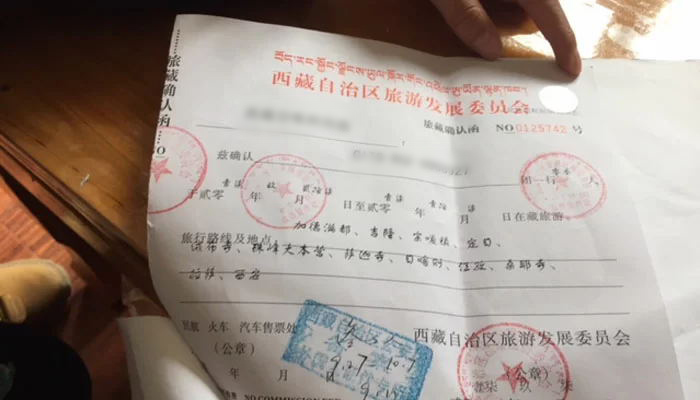
All foreign travelers need a Tibet Travel Permit to enter Tibet. This permit must be arranged through a licensed travel agency. The application process typically takes 1–2 weeks, so it is important to plan ahead. Without the permit, you will not be allowed to board flights or trains to Tibet.
Suggested Shoton Festival Itinerary in Tibet
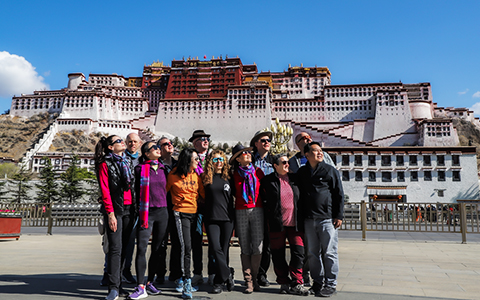
A well-planned Shoton Festival itinerary allows you to fully enjoy the festival while also exploring Tibet’s highlights. It is recommended to arrive in Lhasa 2–3 days before the Shoton Festival so that you have enough time to acclimatize and visit key landmarks such as the Potala Palace, Jokhang Temple, and Barkhor Street.
When the festival begins, experience the key highlights of the festival, including the Thangka unveiling at Drepung Monastery and opera performances at Norbulingka. After the festival, consider extending your trip to nearby destinations like Yamdrok Lake or Shigatse.
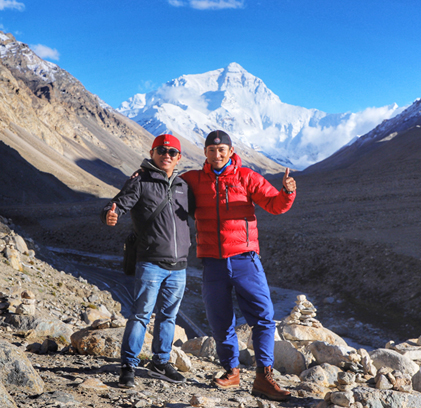
For those seeking more adventure, a visit to Everest Base Camp can be added. This combination of cultural experiences and scenic exploration creates a balanced and memorable journey.
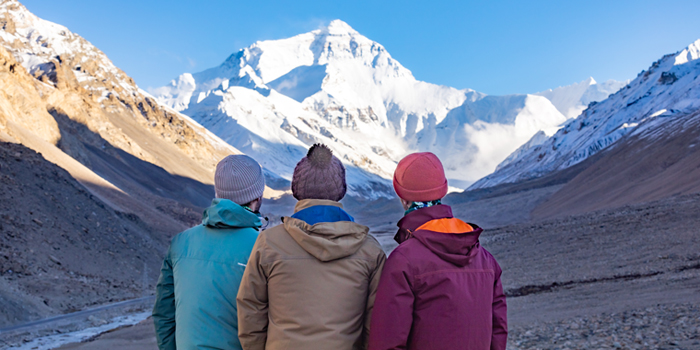
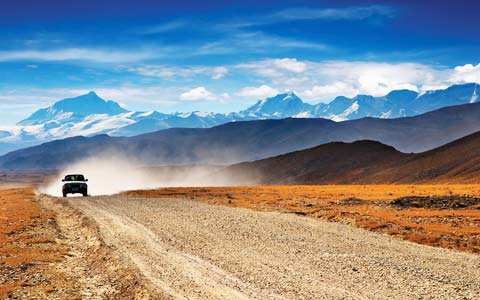
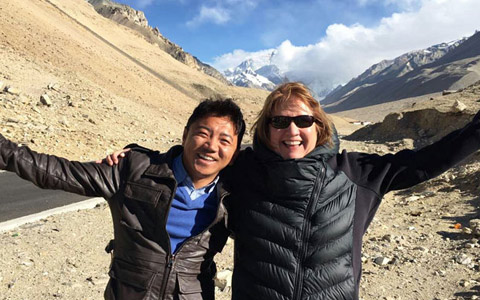
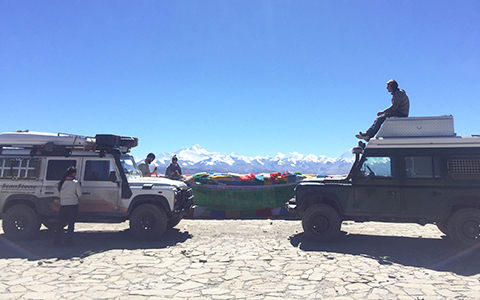
Journey from Lhasa to Everest Base Camp and witness the stunning landscapes of the Himalayas up close.
Practical Travel Tips for Visiting Tibet During the Shoton Festival
Altitude Acclimatization
Lhasa sits at an altitude of about 3,650 meters. While it is a relatively high destination, it can be managed with proper acclimatization. Taking it slow, drinking plenty of water, getting enough rest, and avoiding strenuous activities can help reduce the risk of altitude sickness and relieve its symptoms.
What to Wear & Bring
Temperatures in Tibet can change quickly, even in summer. It’s best to bring layered clothing and comfortable walking shoes to ensure a comfortable sightseeing experience. Sun protection, sunglasses, and a hat are also essential due to strong UV exposure at high altitudes.
Cultural Etiquette
When visiting Tibet during the Shoton Festival, you will undoubtedly witness many Tibetan traditions, customs, and ceremonies. Show respect when visiting monasteries and attending ceremonies. Dress modestly, speak quietly, and follow your guide’s instructions. Always ask permission before taking photos of people.
Arrive Early for Key Ceremonies
During the Shoton Festival, major events such as the Thangka unveiling and the opening ceremony attract large crowds. Arriving early helps secure a better viewing spot and ensures a more enjoyable experience.
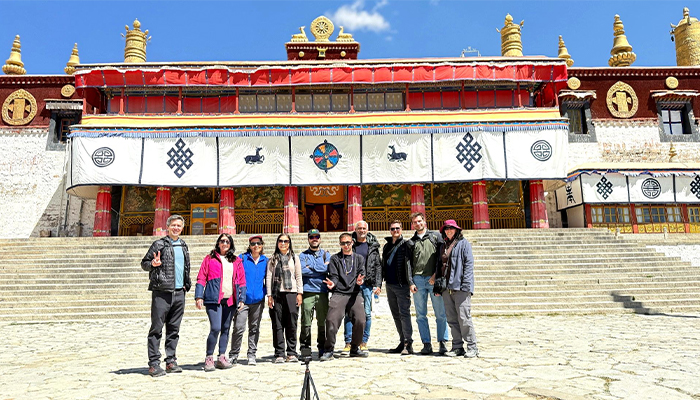 Dressing in layers, wearing sunglasses, and a hat are essential when visiting Tibet during the Shoton Festival.
Summary and Common Questions About the Shoton Festival
Quick Summary
The Shoton Festival is one of Tibet’s most important cultural events, held annually in Lhasa in summer (August 12 in 2026) and lasting about one week. The main events take place at Drepung Monastery, Norbulingka Park, and Nanshan Park. The key highlights include the early-morning Thangka unveiling, the grand opening ceremony, and Tibetan opera performances.
For travelers, the Shoton Festival is a unique, once-a-year opportunity to experience Tibet at its most vibrant — both culturally and socially. By combining festival highlights with visits to landmarks in Tibet, you can fully experience the region’s culture, history, and breathtaking scenery in one unforgettable journey.
Q1: What is the Shoton Festival and where does it come from?
The Shoton Festival is one of the most important cultural events in Tibet. It originated as a yogurt offering tradition for monks and evolved into a major cultural and religious festival.
Q2: When is the best time to attend the Shoton Festival?
The Shoton Festival usually takes place in August (August 12 in 2026), as it follows the Tibetan calendar. It is recommended to arrive in Lhasa 2–3 days before the festival to acclimatize.
Q3: Where does the Shoton Festival take place?
Mainly in Lhasa, especially at Drepung Monastery, Norbulingka Park, and Nanshan Park.
Q4: What can you see and do during the Shoton Festival in Tibet?
You can watch the Thangka unveiling and the opening ceremony, enjoy Tibetan opera performances, and experience local celebrations like picnics and horse racing.
Q5: How should you plan a trip to Tibet during the festival?
Book your flights or train tickets, accommodation, and tour services early, and arrange the required permits in advance.
Q6: Is the Shoton Festival crowded?
Yes, it is one of the busiest times in Lhasa, attracting large crowds during major events. Therefore, try to arrive early, especially for key ceremonies.
Q7: Can foreign tourists attend the Shoton Festival?
Yes, foreign tourists are welcome to attend the Shoton Festival, but they must travel with a registered agency and obtain a Tibet Travel Permit.
Q8: How many days do you need for a Shoton Festival trip?
7–10 days is ideal for a complete experience, including 2–3 days of acclimatization in Lhasa, experiencing the festival, and extending your journey to nearby destinations.
Conclusion
The Shoton Festival is one of the best times to visit Tibet, offering a unique blend of religion, culture, local life, and vibrant landscapes. From the spectacular Thangka unveiling to colorful Tibetan opera and lively local celebrations, it provides a once-in-a-lifetime travel experience.
With proper planning, you can combine festival highlights with visits to Tibet’s iconic landmarks and create a well-rounded journey. Planning a trip to Tibet during the Shoton Festival? Feel free to contact us for further information and professional assistance!


Ask a Quick Question