











Tibetan Architecture Guide: Explore Different Charms of Palaces, Monasteries & Traditional Homes of Tibet
Tibetan architecture is unlike any other in the world. Painted in vibrant red, white, and gold, these unique buildings reflect not only the harsh high-altitude environment but also centuries of Tibetan culture, religion, and tradition.
On your trip to Tibet, you will encounter some iconic examples of Tibetan architecture, such as the UNESCO World Heritage Potala Palace, the revered Jokhang Temple, and many traditional Tibetan houses along lively city streets or quiet village roads.
In this guide, we will walk you through everything you need to know about Tibetan architecture, including its history, key features, must-see buildings, and insider tips for visiting, etc.
Keep reading to discover the spirit of Tibetan architecture and gain a deeper understanding of what you’ll see during your journey through Tibet.
Quick Facts About Tibetan Architecture
- Origin: Dates back thousands of years, with early examples like the Neolithic Karuo site.
- Materials: Buildings are made of stone, wood, rammed earth, and mud bricks to withstand the high-altitude climate.
- Colors: Red, white, gold, black, and yellow — each with spiritual symbolism.
- Building Types: Palaces, monasteries, traditional homes, and nomadic tents.
- Roof Styles: Flat or gently sloping; gilded roofs signify importance.
- Notable Sites: Potala Palace, Jokhang Temple, Norbulingka, Sera Monastery, Ganden Monastery, Tashilhunpo Monastery;
- Climate Adaptation: Thick walls, small windows, and compact layouts protect against cold, strong winds, and intense UV radiation.
- Cultural Role: Architecture blends practicality with spiritual symbolism and social life.
- Tourist Tips: Visit during April and October; wear modest clothing and comfortable shoes; consider our local Tibetan guide for deeper insight.
Contents
 What is Tibetan Architecture? An Overview
What is the History and Evolution of Tibetan Architecture?
What are the Key Features of Tibetan Architecture? What Makes It So Special?
What are the Famous Tibetan Architectural Sites? Must-see Tibetan Buildings You Can Explore
The Wisdom Behind Tibetan Architecture: Design Philosophy and Cultural Significance
How to Visit Tibetan Architecture: Tips for Tourists
FAQs About Visiting Tibetan Architecture for Tourists
Conclusion: Experiencing the Spirit of Tibetan Buildings Yourself
What is Tibetan Architecture? An Overview
Tibetan architecture is a distinctive building style shaped by the high-altitude, arid environment of the Himalayas and deeply influenced by centuries of Tibetan Buddhism and culture.
Its history stretches back thousands of years, with early examples such as the Neolithic Karuo site. The main building types include palaces (like Potala Palace), monasteries, traditional homes, and watchtowers.
Most buildings are made of stone and wood, with thick, sloping walls, small windows, and flat or gently sloping roofs. This clever design helps them withstand the extreme cold, strong winds, and bright sunlight of the Tibetan Plateau.
These structures are not only practical; they are also visually striking. Bold white, red, yellow, and black colors and carefully arranged courtyards carry deep spiritual meanings.
Also, by following the natural shape of the mountains, Tibetan architecture blends human life seamlessly with the rugged beauty of nature.
As you walk through a monastery courtyard or stand beneath a palace’s golden roof, you can experience how practical design, artistic detail, and spiritual symbolism are harmoniously combined, reflecting the region’s culture and religious beliefs.
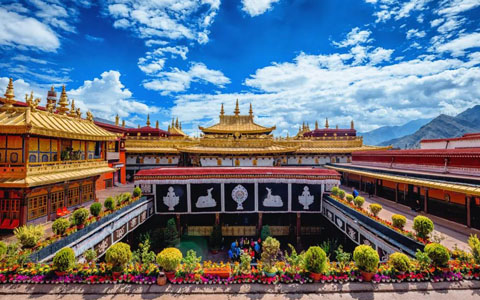
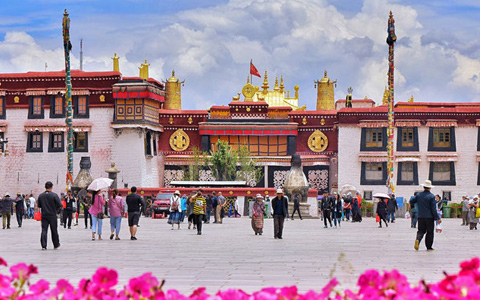
 You can admire the golden roof of Jokhang Temple, a landmark of Tibetan architecture.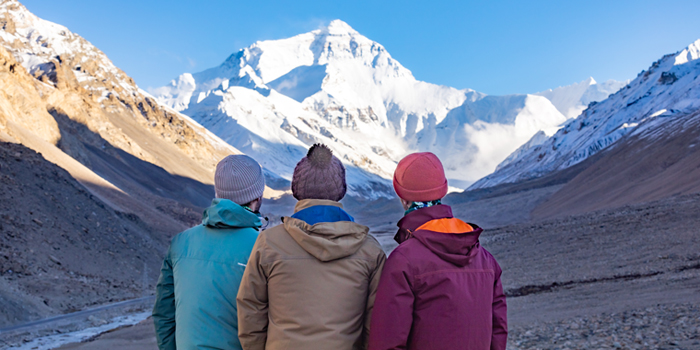

Join our popular Tibet EBC tour with visits to famous Tibetan architectural sites!
What is the History and Evolution of Tibetan Architecture?
Tibetan architecture has evolved over thousands of years, reflecting both the harsh plateau environment and the rich culture of the Tibetan people. From simple stone shelters to grand palaces and monasteries, every building tells a story of adaptation, spirituality, and artistry.
1. From Caves to Stone Houses: Explore Tibet’s Earliest Homes
The earliest Tibetan dwellings were simple and practical. People lived in caves and stone houses, often near rivers or fertile valleys, making use of natural materials readily available in the highlands.
Even in these early structures, you can see thoughtful adaptations to the harsh climate. Thick walls, small windows, and compact layouts helped retain heat and protect against strong winds and snow.
Primitive religious structures, such as small shrines, also appeared, showing how spirituality has been woven into Tibetan life for thousands of years.
When you walk through the ruins of ancient sites such as the Neolithic Karuo settlement, you can imagine how early Tibetans lived, worked, and worshipped in harmony with the challenging environment.
2. Palaces and Monasteries: The Rise of Tibet’s Iconic Structures
During the Tibetan Empire (7th-9th century), architecture became more ambitious. Large palaces and monasteries were built, serving not only as residences or places of worship but also as symbols of political power.
By the Ming and Qing dynasties, Tibetan buildings had developed distinct features: red and white palace walls, golden roofs, and intricate murals became standard in monasteries and palaces.
These structures were carefully designed to reflect religious beliefs, social hierarchy, and the harmony between humans and the natural landscape.
When you visit a monastery like Sera or Ganden, you can still admire the grand scale, detailed decoration, and symbolic layouts that defined this period of Tibetan architecture.
3. Living Heritage: How Tradition Meets Modern Life in Tibet
Tibetan architecture continues to evolve in modern times. Contemporary homes and urban buildings now use modern materials such as concrete and steel, but many still preserve traditional stone-and-wood structures, flat roofs, and iconic color schemes.
Tourism and cultural preservation have also influenced architecture. Many historical monasteries and palaces are carefully maintained, while new buildings blend traditional styles with modern conveniences, allowing tourists to experience Tibet’s living architectural heritage.
Exploring cities like Lhasa, you can see this balance of old and new: ancient monasteries stand alongside modern hotels and homes, yet all share the familiar shapes, colors, and spiritual symbolism that make Tibetan architecture instantly recognizable.
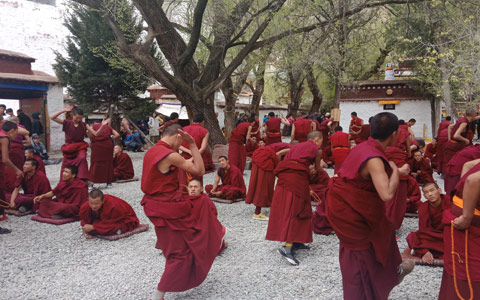
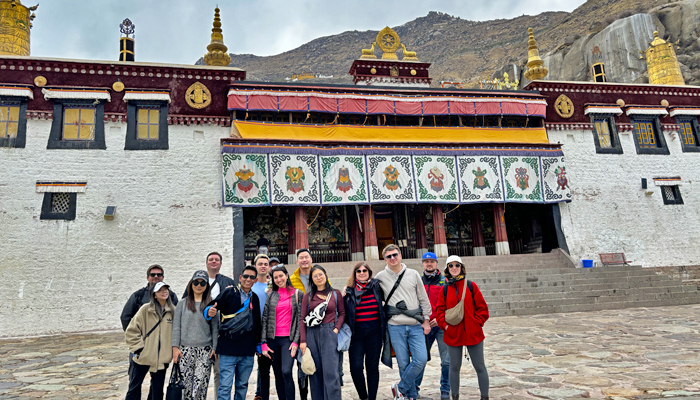 Explore Sera Monastery and appreciate its detailed decorations and spiritual elements.
What are the Key Features of Tibetan Architecture? What Makes It So Special?
Tibetan architecture is a unique blend of practical design, artistic expression, and spiritual symbolism, influenced by Tibetan Buddhism, as well as Indian, Nepalese, and Tang dynasty Han architectural styles.
Combined with the harsh high-altitude environment and extreme temperatures of the Himalayas, this has created a style unlike any other.
As you explore these structures, you’ll notice details that make them uniquely Tibetan, from materials and roofs to colors, layouts, and sacred elements.
1. Materials and Structure: How Tibetan Buildings Withstand the High Plateau
Tibetan buildings are mainly constructed from stone, rammed earth, timber, and mud bricks, materials that are abundant locally and highly durable.
- Walls: Traditional palace walls can reach 1.5–2 meters thick, while ordinary homes often have walls 0.8–1 meter thick. Many walls slope inward about 10 degrees to withstand earthquakes.
- Windows: Small windows, usually 60–80 cm wide and 120–150 cm tall, reduce heat loss in winter and protect from strong winds.
- Roofs: Flat or gently sloping roofs help manage snow accumulation and provide outdoor space for drying grain or fuel.
These clever designs allow buildings to survive temperatures that drop below −20°C in winter Tibet, wind speeds over 60 km/h, and intense UV radiation at altitudes above 4,000 meters.
When you walk through a Tibetan courtyard, you’ll feel the sturdiness and warmth created by thick walls and compact layouts, even in harsh mountain weather.
2. Colors and Patterns That Bring Tibetan Buildings to Life
Tibetan buildings are known for their vivid colors and intricate decorations. Red, white, and gold are most common, each carrying symbolic meanings.
- Red symbolizes power and sacredness, often used for palace walls or monastery exteriors.
- White represents purity and is common on houses and temples.
- Gold highlights roofs and sacred spaces, symbolizing spiritual power.
- Black and yellow appear in murals or window frames, providing contrast and symbolic protection.
Of course, colors and decorative elements vary by region in Tibet; for example, in the Sakya region, some monasteries and houses combine white, red, and dark gray.
Other details include carved windows and doors, intricate murals, and thangka paintings, telling Buddhist stories, local legends, or auspicious symbols.
You’ll also see religious ornaments such as chortens (stupas), prayer flags, and mani stones. Walking among these vibrant designs, it’s easy to feel how deeply spirituality is woven into everyday life in Tibet.
3. Special Roofs: Flat, Golden, and Symbolic
Roof design is one of the most distinctive features of Tibetan architecture:
- Flat roofs are often used in Tibetan homes and monasteries, ideal for drying grain or storing firewood, while managing snow.
- Golden or gilded roofs, seen on important monasteries such as Jokhang Temple, symbolize wealth, status, and spiritual power.
- Roof ornaments, like carved beams, corner finials, or gold-plated details, reflect hierarchy, function, and religious symbolism.
Standing beneath a gilded temple roof, you can appreciate how practical needs, artistic beauty, and spiritual meaning are elegantly combined.
4. Inside Tibetan Homes and Temples: Layouts, Courtyards, and Daily Life
Inside, Tibetan buildings are carefully organized into functional zones:
- Palaces: Separate halls for audiences, private quarters, storage, and ritual spaces.
- Monasteries: Courtyards lead to prayer halls, monks’ quarters, libraries, and assembly halls.
- Traditional homes: Living areas, kitchens, animal stalls, and courtyards for daily chores.
Courtyards are central to both social and spiritual life, offering space for festivals, rituals, and gatherings. Room orientation often follows Buddhist principles, ensuring harmony with sunlight, wind, and the surrounding landscape.
As you walk through a Tibetan home or temple, the layout demonstrates how practical function and spiritual symbolism coexist, creating an environment that is both efficient and meaningful.
5. Sacred Spaces: Religious Influence on Tibetan Architecture
Religion plays a central role in shaping Tibetan buildings.
- Sacred elements: Chortens, prayer halls, dharma wheels, and guardian statues are positioned according to Buddhist principles and feng shui, influencing overall layout.
- Orientation and alignment: Main doors often face south to welcome sunlight, while prayer halls are placed for ritual processions.
- Mountain sites: Many monasteries are built on mountains to symbolize closeness to heaven, placing sacred structures in harmony with nature.
- Pilgrim Path: Sacred designs guide monks and pilgrims, influencing movement, rituals, and daily activities.
Exploring a monastery or palace, you can see how Tibetan architecture turns spiritual beliefs into tangible, functional spaces, creating an immersive experience for both locals and travelers.
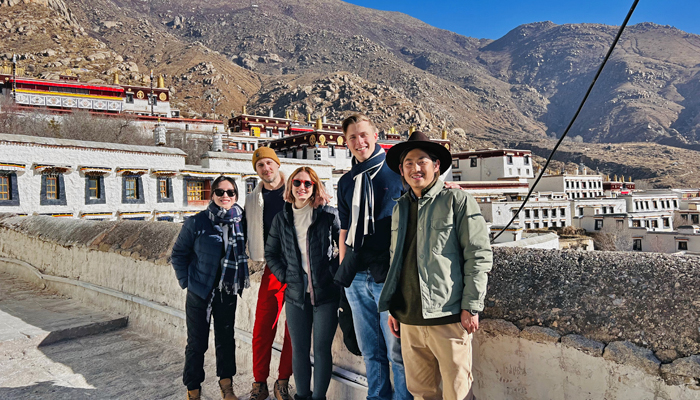 Drepung Monastery is a good example of how Tibetan architecture adapts to mountain sites.
What are the Famous Tibetan Architectural Sites? Must-see Tibetan Buildings You Can Explore
Tibet is home to some of the most iconic and breathtaking architecture in the world. Palaces, monasteries, and traditional homes each tell a story of culture, religion, and adaptation to the high-altitude environment. Here are the most important sites worth exploring during your Tibet tour.
1. Palaces in Tibet: Explore Potala Palace & Norbulingka
Tibet’s palaces are not only grand architectural masterpieces but also symbols of spiritual authority and political history.
- Potala Palace
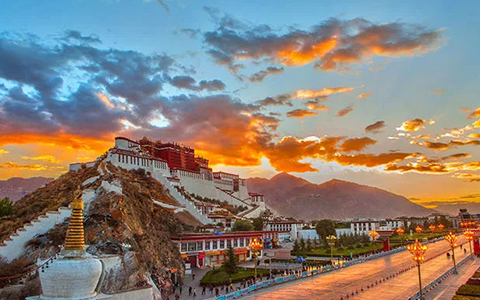
Perched on Marpo Ri Hill at 3,700 meters, Potala Palace is Tibet’s most famous building and a UNESCO World Heritage site. It dates back to the 7th century and was expanded in the 17th century.
The palace is divided into the Red Palace (religious halls and chapels) and the White Palace (administrative offices and living quarters). Altogether, it has over 1,000 rooms.
The striking red and white walls, gilded roofs, and intricate murals make Potala Palace a breathtaking example of Tibetan architecture.
Visiting Tips: Potala palace does not sell same-day ticket, and tickets are limited. So booking in advance is highly suggested, especially during peak season from May to October.
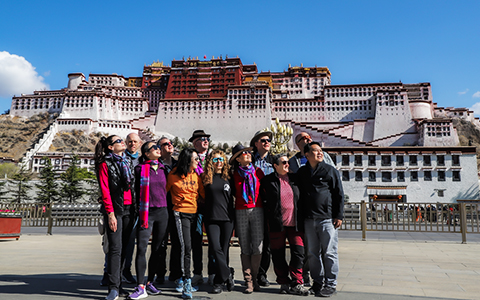
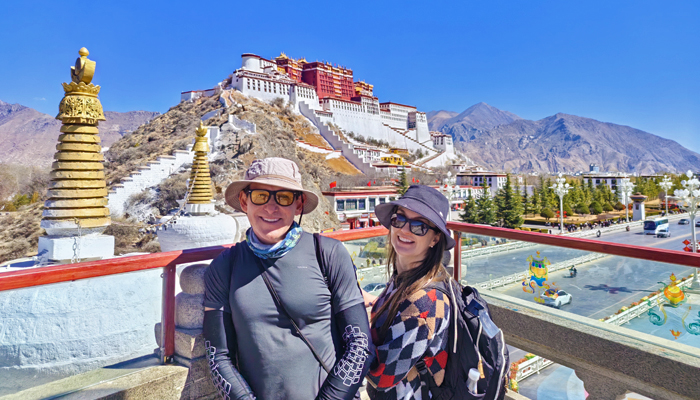 Enjoy the panoramic view of Potala Palace, a masterpiece of Tibetan architecture.
- Norbulingka Palace
Located in western Lhasa, Norbulingka was the former summer residence of the Dalai Lamas. Surrounded by sprawling lush gardens and ornate pavilions, it combines palace architecture with lush landscaping.
Compared to the Potala, Norbulingka offers a much softer, more relaxed architectural atmosphere. It is now a favorite leisurely retreat for locals, and also the popular site to host the annual Shoton Festival.
Visiting Tips: Norbulingka Palace is best visited in summer for flowering garden, while winter offer a quieter experience. It is ideal for a leisurely walk and photography after you visit Lhasa’s main highlights.
- Other Significant Palaces of Tibet
Beyond Lhasa, there are also palaces in other regions of Tibet.
For example, Shigatse Dzong and Gyantse Dzong, though smaller than Potala, are excellent examples of how palatial design adapted to different regions and functions.
In Shannan, you can also visit Yumbulagang Palace, the first palace in Tibet. Perched dramatically on a hill, it showcase early defensive architecture and offering panoramic views of the valley.
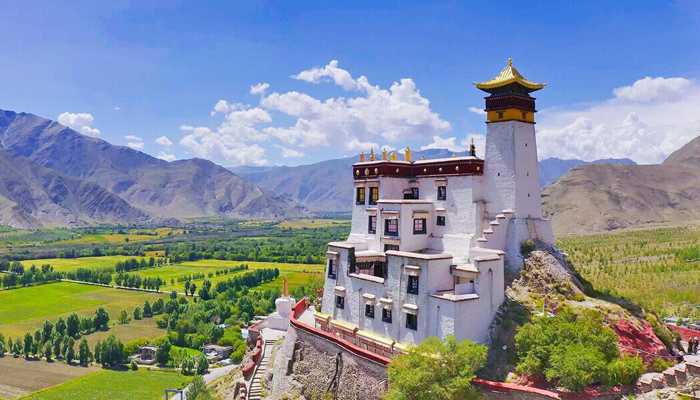 Yumbulagang Palace showcases early Tibetan palace architecture and offers panoramic views of the valley.
2. Tibetan Monasteries: Experience Culture and Spirituality
Tibet is home to over 1,700 monasteries, large and small, scattered across its breathtaking landscape. These monasteries are not only spiritual centers but also hubs of art, architecture, and daily rituals.
- Jokhang Temple:
Built in the 7th century, Jokhang Temple is the most sacred temple in Tibet, located in the heart of Lhasa’s old town. Its architecture is a fascinating blend of Tibetan, Indian, and Nepalese styles.
Jokhang is famous for housing the Jowo Shakyamuni statue, a life-size image of the 12-year-old Buddha. Its magnificent golden roof dominates the skyline, and the temple is surrounded by the bustling Barkhor Street, where locals perform daily kora (circumambulation).
Visiting tips: Visit Jokhang Temple early morning or late afternoon to avoid crowds. Dress modestly, walk clockwise, and photograph only from the roof or street, not inside.
- Sera Monastery:
Founded in 1419, Sera Monastery is one of the “great three” Gelug university monasteries in Lhasa. It is especially famous for its lively monk debates, which take place in the open courtyards and offer a rare glimpse into Tibetan scholarly life.
Unlike grand ceremonial temples, Sera retains numerous honeycomb-shaped monks’ quarters (Datsang), reflecting its residential function and tight organizational structure.
Visiting tips: the monk debates at Sera usually run from 3:00 PM to 5:00 PM daily, except Sunday. Plan your visit to catch the debates during your Lhasa tour.
- Ganden Monastery:
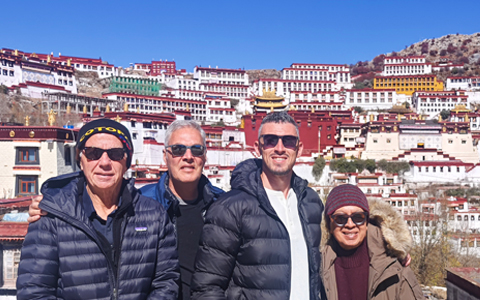
Located in the suburbs of Lhasa, Ganden Monastery was the first monastery of the Gelug sect. Perched at 3,800 meters, its buildings follow the mountain ridges, giving the impression of a golden crown atop the peaks.
The monastery is known for its gilded roofs, and you can walk the kora around the site to enjoy panoramic views of Kyichu Valley and surrounding mountains.
- Tashilhunpo Monastery:
Situated in Shigatse, Tashilhunpo Monastery is the largest architectural complex in the city and the historic seat of the Panchen Lama.
Home to the world’s largest Jampa Buddha Hall, it is renowned for its towering red walls, golden roofs, and black window frames, creating a striking visual impact.
The monastery’s scale and contrasting colors make it one of Tibet’s most impressive architectural landmarks.
- Sakya Monastery:
Sakya Monastery is the main seat of the Sakyapa school of Tibetan Buddhism. Unlike the typical yellow or red, its walls are painted in gray, white, and red stripes representing the Sakya school.
Located about 127 kilometers from Shigatse, it is famous for its massive library containing over 84,000 ancient manuscripts, including texts written in gold.
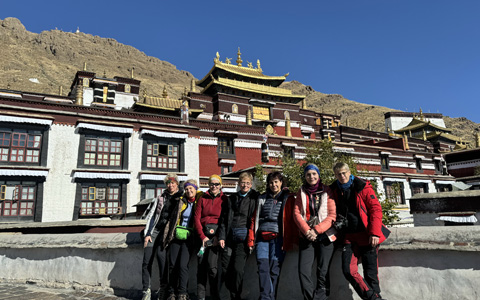
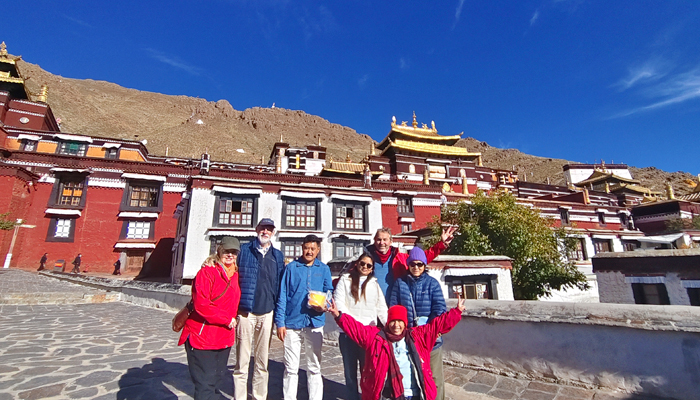 Enjoy Tashilhunpo Monastery's golden roofs, red walls, and black window frames, reflecting Tibetan architectural style.
3. Traditional Tibetan Houses: Discover Rural Tibetan Architecture
Outside the cities, Tibetan architecture is more practical and intimate, but equally fascinating. Different kinds of Tibetan houses are built to meet the demands of local daily life.
- Tibetan Farmhouses:
Built from stone and timber, traditional Tibetan farmhouses feature thick walls and flat roofs that help withstand severe winter weather. Roofs often serve double duty, providing space for drying grain or storing firewood.
These houses are usually two or three stories high. The ground floor often shelters livestock, while the upper floors are used for cooking, socializing, and religious rituals, forming the heart of family life.
- Tibetan Nomadic Tents:
In northern Tibet and regions like Nagqu, you’ll see yak-hair tents, portable, windproof, and perfectly suited to the plateau’s extreme conditions. Nomadic herders use these tents to move with seasonal pasture rotations.
Inside, the tents are carefully arranged for sleeping, cooking, and rituals, reflecting centuries-old traditions and a deep connection between architecture and lifestyle.
Visiting these homes gives you a firsthand look at how Tibetans combine practical design with cultural and spiritual traditions, showcasing remarkable ingenuity in adapting to a challenging environment.
Key Information of Must-See Tibetan Buildings
Palaces in Tibet:
- Potala Palace: 1,000+ rooms, Red Palace (religious), White Palace (administrative), gilded roofs, murals, perched at 3,700 m.
- Norbulingka: Summer palace with gardens and pavilions, hosts Shoton Festival.
- Other notable palaces: Shigatse Dzong, Gyantse Dzong, Yumbulagang Palace.
Tibetan Monasteries:
- Jokhang Temple: Sacred site, golden roof, Jowo Buddha statue, pilgrim kora.
- Sera Monastery: Famous for monk debates and courtyards.
- Ganden Monastery: First Gelug sect monastery, panoramic views.
- Tashilhunpo Monastery: Largest complex in Shigatse, Jampa Buddha Hall.
- Sakya Monastery: Seat of Sakyapa school, unique color scheme, massive library.
Traditional Tibetan homes & tents:
- Farmhouses: Stone/timber, thick walls, flat roofs, functional courtyards.
- Yak-hair nomadic tents: Portable, windproof, arranged for sleeping, cooking, and rituals.
Visitor tips:
- Observe roofs, walls, colors, murals, courtyards, and sacred elements to experience Tibetan culture, daily life, and spirituality.
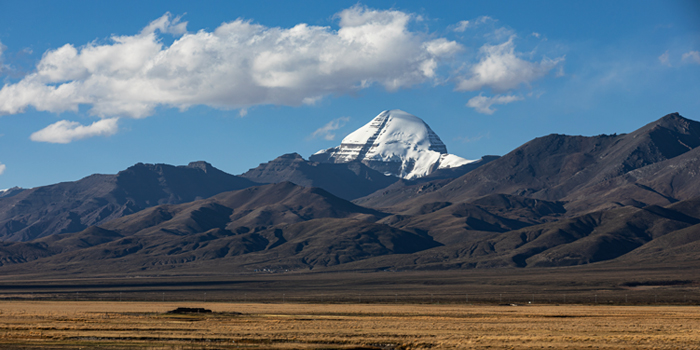
Visit famous Tibetan buildings and landmarks in our all-inclusive small group tour!
The Wisdom Behind Tibetan Architecture: Design Philosophy and Cultural Significance
Beyond its striking appearance, Tibetan architecture is truly a “philosophy in stone.” It reflects a perfect balance between the practical needs of surviving on the high plateau and the spiritual beliefs that define Tibetan identity.
A Reflection of Belief and Practical Wisdom
In Tibet, every building has a purpose that combines comfort, safety, and spiritual meaning.
- Spiritual Architecture: Many buildings are arranged according to Buddhist principles, with halls, courtyards, and shrines following sacred patterns. This layout helps guide both daily life and religious rituals.
- Practical Design: Thick stone walls, small windows, and flat or gently sloping roofs trap warmth, manage snow, and protect against strong winds and extreme cold.
- Natural Materials: Stone, timber, and earth are used to make buildings feel like a natural part of the landscape, blending seamlessly with mountains and valleys.
Integration with Landscape and Orientation
Tibetan builders are masters at “reading the land.” Every building is positioned to harmonize with its surroundings.
- Sacred Alignment: Similar to feng shui, buildings are often oriented toward auspicious directions or sacred mountains.
- Living with Nature: Structures are built along slopes to catch sunlight, avoid strong winds, and make use of natural drainage.
- Cultural Landmarks: The location of a monastery or home is guided by local traditions and ritual alignment, making every building meaningful in its surroundings.
The Heart of Social and Daily Life
Tibetan architecture is not just for shelter — it is the stage for community life.
- Festival Centers: Courtyards in monasteries and palace squares host thousands of pilgrims during Tibetan festivals, filled with music, prayers, and dances.
- Social Spaces: In traditional homes, living areas and small chapels serve as gathering places for storytelling, meals, and daily prayer.
- Community Spirit: Building and maintaining structures is often a communal effort, turning architecture into a shared cultural experience that strengthens social bonds.
By exploring Tibetan buildings, you can see how practical design, spiritual meaning, and social life come together. These structures are not just homes or temples — they are living expressions of Tibetan culture, beliefs, and way of life.
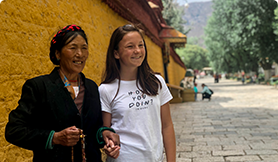
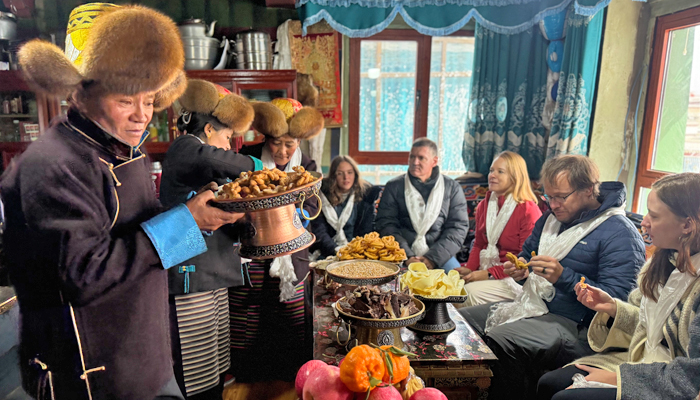 Guests on our Tibet tours had a pleasant visit to a traditional Tibetan family.
How to Visit Tibetan Architecture: Tips for Tourists
Visiting Tibetan architecture is a unique experience, but the high altitude, cultural customs, and complex sites mean that a little preparation goes a long way. Here’s everything you need to know to make your visit smooth, safe, and memorable.
Best Seasons, Weather, and Lighting for Visiting
Timing is everything when it comes to capturing the majesty of the plateau's structures.
- Best months: April to October is ideal, when roads are clear, temperatures are moderate, and skies are mostly sunny.
- Temperature range: Daytime temperatures can vary from 10–20°C in summer to below freezing in early spring or late autumn. Nights are cold, even in summer.
- Lighting for photography: Morning and late afternoon offer the softest light for palaces, monasteries, and landscapes. Clear skies enhance the colors of murals, golden roofs, and red-and-white walls.
- Tip: Check local weather forecasts and bring layers, sunglasses, and sun protection.
Etiquette and Respectful Behavior
Tibetan buildings are often active places of worship, so following local customs is essential.
- Dress modestly: Cover shoulders and knees, especially in temples and monasteries. Remove hats and sunglasses inside prayer halls.
- Observe rituals: Walk clockwise during kora (circumambulation), avoid touching religious objects, and maintain a quiet demeanor.
- Respect locals: Always ask permission before photographing monks, villagers, or family homes.
- Shoes and photography: Remove shoes in prayer halls; indoor photography is often restricted.
Photography Tips and Suggested Angles
Capture the spirit of the architecture while being mindful of the rules.
- Capture unique angles: Look for rooflines, gilded details, courtyards, and murals.
- Lighting matters: Early morning or late afternoon provides the best natural light.
- Drone use: Usually prohibited; stick to handheld cameras or smartphones.
- Interior Restrictions: Photography and filming are usually strictly prohibited inside temple interiors and palace rooms; always check for signs or ask your guide.
- Iconic Shots: For the Potala Palace, the best panoramic views are from Chakpori Hill or the Potala Square water pool for a perfect reflection.
Experiencing Local Tibetan Homes and Cultural Activities
To truly understand the spirit of the Tibetan architecture, you have to step inside.
- Home visits: Our Tibet tours offer the chance to visit a traditional Tibetan farmhouse, where you can see the functional layout of a rural home and enjoy local hospitality.
- Participate respectfully: Observe cooking, rituals, or courtyard gatherings without intruding.
- Tibetan Festivals: Time your visit to coincide with local festivals for a richer cultural experience, such as Shoton Festival at Norbulingka or monastery ceremonies.
- Stay in a Boutique Hotel: Many modern hotels in Lhasa are built in traditional styles, allowing you to experience the aesthetics of Tibetan design throughout your stay.
Practical Information for 2026/2027
Plan ahead to ensure a smooth visit to these high-altitude wonders.
- Tickets: Major palaces like Potala Palace require advance booking; same-day tickets are often unavailable.
- Opening hours: Most monasteries open around 9:00 AM and close by late afternoon, but hours may vary by season or festival.
- Altitude preparation: Spend 1–2 days acclimatizing in Lhasa or nearby towns before visiting high-altitude sites. Stay hydrated, avoid heavy meals, and walk slowly.
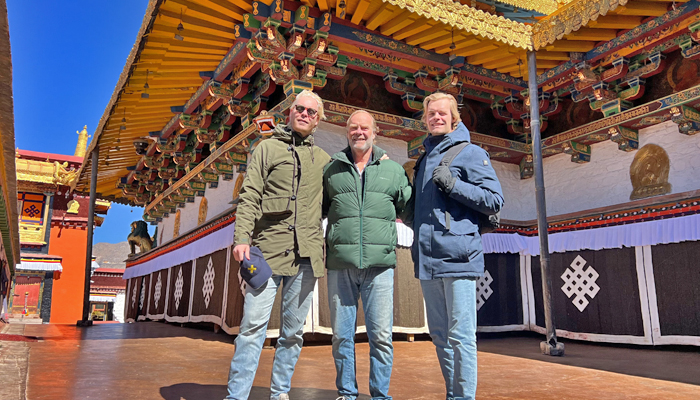
- Guided tours: our local Tibetan guides are fluent in English, and can provide insights into the complex history and symbolism of the buildings.
- Other tips: Bring sunscreen, hats, and warm layers. Comfortable shoes are essential for temples with long stairways and uneven terrain.
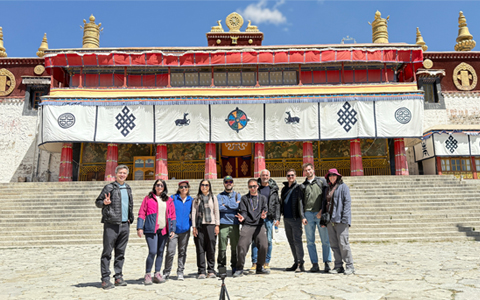
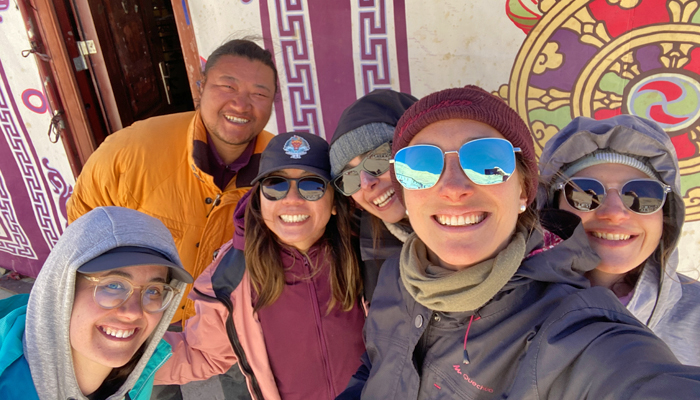 Explore Tibetan buildings with our local guide and gain insights into their history and culture.
FAQs About Visiting Tibetan Architecture for Tourists
To help you plan your 2026/2027 Tibet trip, here are the answers to the most common questions travelers ask about exploring the unique architecture of the Tibetan Plateau.
Q1: Do I need a guide to visit monasteries and palaces in Tibet?
Yes. International tourists are required to travel with a licensed guide and join an organized tour. On our tours, you’ll have an experienced local Tibetan guide fluent in English or your preferred language. They’ll explain the history, cultural significance, and architectural details, while helping you follow local customs respectfully.
Q2: Can I visit Tibetan homes as a tourist?
Absolutely, and it’s highly recommended! Many of our classic tours, such as the 8-day Lhasa to Everest Base Camp itinerary, include visits to local Tibetan home at Yamdrok Lake.
During the visit, you can meet a welcome local Tibetan family, and enjoy lunch in their traditional Tibetan house. Meanwhile, you can get a close look at daily life, local architecture, and customs.
Q3: What is the best season to explore Tibetan architecture?
The best time to visit Tibet is April to October. During these months, the roads are accessible, skies are mostly clear, and you can enjoy clear views of golden roofs against blue skies.
However, winter from November to March is a more authentic and peaceful time to visit Tibetan monasteries and palaces. There are fewer tourists, more locals, and architectures like Potala Palace look stunning against a backdrop of snow.
Q4: Are there any dress codes or etiquette I should follow?
Absolutely. When entering monasteries or palaces:
- Wear modest clothing (no shorts or sleeveless tops).
- Remove hats and sunglasses inside prayer halls.
- Always walk clockwise around religious structures (Kora).
- Do not step on the thresholds of doorways; step over them instead.
Q5: How do I protect myself from high altitude while visiting Tibetan architectural sites?
Many sites, like the Potala Palace or Ganden Monastery, involve climbing many stairs.
- Acclimatize: Spend your first 48 hours in Lhasa resting.
- Slow Down: Walk at half your usual pace when climbing stairs.
- Hydrate: Drink plenty of water and avoid alcohol during your first few days.
Q6: Are photography and filming allowed inside Tibetan temples and palaces?
Generally, no. You can freely photograph exteriors and courtyards, but main prayer halls and relic rooms usually prohibit photography. Some smaller temples may allow it for a small fee, so always check with your guide first.
Q7: How long should I plan to visit major palaces like Potala Palace?
For the Potala Palace, the visit is usually strictly timed to one hour inside the actual structure to manage tourist flow. However, you should allow about 2–3 hours in total to include the climb up and the walk back down. For larger monasteries like Tashilhunpo, plan for at least 2–3 hours.
Q8: Are there any entrance fees or permits required for monasteries and palaces?
Yes. Most major sites have entrance fees (ranging from 50 to 200 RMB). Additionally, all international travelers need a Tibet Travel Permit (TTP) to enter Tibet, which we will arrange for you in advance.
Q9: Can children or elderly travelers comfortably visit these sites?
Yes, with preparation. While the stairs can be challenging, most sites are accessible if you take frequent breaks. For the Potala Palace, there are resting benches along the stairs.
For elderly travelers, we recommend visiting Norbulingka, as it is flat and much easier to walk through than the hillside monasteries.
Q10: Are there guided tours available in English or other languages?
Yes. We provide professional local Tibetan guides fluent in English, and some speak other languages like German or French. Contact us ahead of time to discuss your travel preferences and requirements.
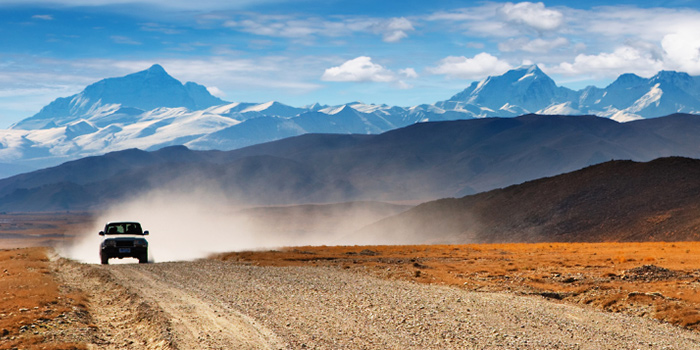
Combine visits to iconic Tibetan architectural sites and natural scenery in our Lhasa to Kathmandu tour!
Conclusion: Experiencing the Spirit of Tibetan Buildings Yourself
Tibetan architecture is truly one-of-a-kind. From the majestic palaces of Lhasa to the sacred monasteries and the practical yet charming rural homes, each building reflects a remarkable blend of artistry, spiritual meaning, and practical design.
With thick walls, gilded roofs, vivid colors and intricate murals, Tibetan architecture also features carefully planned layouts. These buildings tells how Tibetan people have adapted to the harsh conditions of the Tibetan Plateau while keeping culture and religion at the heart of daily life.
Some of Tibet’s most famous landmarks include Potala Palace, Norbulingka Palace, Jokhang Temple, Sera Monastery, and Ganden Monastery. When visiting these sites, plan your trip carefully — choose the ideal time of day, dress modestly, and wear comfortable shoes for stairs and uneven paths.
To make your journey smooth and enriching, We will assist with Tibet Travel Permit and provide a local Tibetan guide fluent in English, knowledgeable about the region’s architecture and culture. We ensure you can explore palaces, monasteries, and traditional homes respectfully and comfortably, while connecting deeply with Tibetan people, culture, and daily life.
Ready to experience the amazing Tibetan architecture firsthand? Contact us today to book your tour and enjoy a journey that will leave a lasting impression on both your eyes and your spirit.



Ask a Quick Question