












Tibet Nagqu Guide 2026/2027: Explore Namtso Lake & The Wild Heart of Northern Tibet
Nagqu, located in northern Tibet at around 4,500 meters, is wild land where nature remains pure and majestic. Here, you can marvel at the turquoise waters of Namtso Lake, wander across the vast Changtang Grasslands, and experience the traditional life of Tibetan nomads.
In 2026/2027, this high-altitude region is more accessible than ever. You can travel from Lhasa by train or overland, and the Qinghai-Tibet Railway also connects Nagqu with Xining, Beijing, Shanghai, and other major cities.
This guide provides everything you need to plan your 2026/2027 Nagqu trip, including its location, top attractions, travel routes, best visiting times, accommodations, and practical insider tips.
Whether you are seeking wild landscapes, photography opportunities, or cultural immersion, this guide helps you enjoy a safe, smooth, and memorable journey to northern Tibet.
Quick Facts and Key Information about Nagqu
- Chinese Name: 那曲 (Nàqǔ)
- Location: Northern Tibet Autonomous Region, China, on the Qinghai-Tibet Plateau
- Average Altitude: Approx. 4,500 meters
- Distance from Lhasa: About 330 km; reachable by train or overland
- Famous for: Namtso Lake, Changtang Grasslands, Nagqu Horse Racing Festival, and Tibetan nomadic culture
- Best Travel Time: May to September, when weather is milder, grasslands are lush, and cultural events are active
- Key Transport: Nagchu Railway Station, overland routes from Lhasa, and direct trains from mainland China
- Accommodation: Range from budget guesthouses to mid-range and high-end hotels
- Travel Preparation: Proper acclimatization, layered clothing, sun protection, and essential permits required for international tourists
Contents
 Where is Nagqu Tibet? Geography, History, and Culture
Top Attractions in Nagqu Tibet: Must-See Natural and Cultural Sites
How to Reach Nagqu Tibet: Train, Overland, and Direct Routes
When is the Best Time to Visit Nagqu Tibet: Weather, Seasons, and Festivals
Where to Stay in Nagqu Tibet: Hotels, Guesthouses, and Lodges
Essential Travel Tips for Nagqu Tibet: Permits, Packing, and High-Altitude Advice
Join Our Northern Tibet Nagqu Tour for a Hassle-Free Experience
Where is Nagqu Tibet? Geography, History, and Culture
Geography and Location of Nagqu
Nagqu, also called Nachu or Naqu, is located in the northern part of the Tibet Autonomous Region, at the heart of the Qinghai-Tibet Plateau. It is framed by the Tanggula Mountains, the Nyenchen Tanggula Mountains, and the Gangdise Mountains.
As the largest of Tibet’s seven regions, Nagqu covers about 430,000 square kilometers, slightly bigger than Sweden. It is the source of major Asian rivers, including the Yangtze, Nujiang, and Lhasa Rivers.
Sitting over 4,500 meters above sea level, Nagqu offers breathtaking views of snow-capped peaks and endless grasslands, making it a unique destination for travelers interested in nature and adventure.
Historical Significance and Tibetan Culture
Nagqu has a long history, stretching back tens of thousands of years. Stone tools show that humans lived here during the late Paleolithic period. Later, it was part of the Zhangzhung Kingdom, an important early Tibetan civilization. In the 7th century, it became part of the Tubo Kingdom under King Songtsen Gampo, who unified Tibet.
Today, Nagqu remains a heartland of Tibetan nomadic culture. Herders move seasonally with their yaks and sheep across the grasslands. Most of the population is Tibetan, living closely with Buddhist traditions.
Visiting Nagqu gives you the chance to see ancient rituals, meet Tibetan nomads, and experience a way of life that has changed little over centuries.
Connection with Lhasa and Other Major Tibetan Cities
Nagqu is about 330 kilometers north of Lhasa, Tibet’s provincial capital and the main gateway for international travelers. Most tourists spend a day or two in Lhasa to acclimatize before heading north.
Besides, well-maintained roads and the Qinghai-Tibet Railway connect Nagqu with Shigatse, Damxung, and Ngari, making it easy to travel between these key Tibetan cities while still experiencing the remote beauty of northern Tibet.
Key Information Summary:
- Location: Northern Tibet, at the heart of the Qinghai-Tibet Plateau
- Historical significance: Part of the Zhangzhung Kingdom and later the Tubo Kingdom under King Songtsen Gampo
- Culture: Center of Tibetan nomadic life; daily rituals and traditions remain largely unchanged
- Connectivity: Well-connected to Lhasa, Shigatse, Damxung, and Ngari via roads and the Qinghai-Tibet Railway
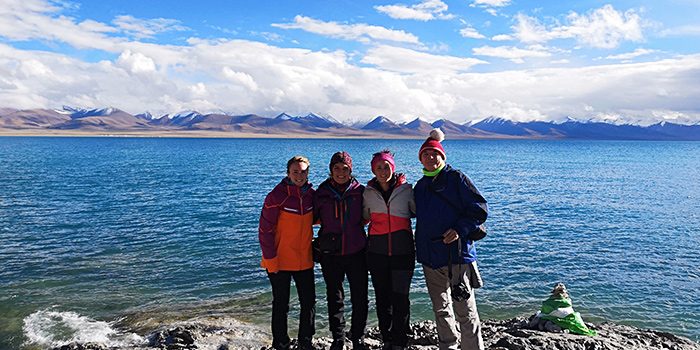

Join our Lhasa to Everest and Namtso Lake small group tour for a smooth and unforgettable journey!
Top Attractions in Nagqu Tibet: Must-See Natural and Cultural Sites
Nagqu is home to a mix of stunning landscapes and rich Tibetan culture. From sacred lakes to vast grasslands, and from lively festivals to historic monasteries, there is something for every traveler.
1. Namtso Lake: The Sacred “Heavenly Lake” of Tibet
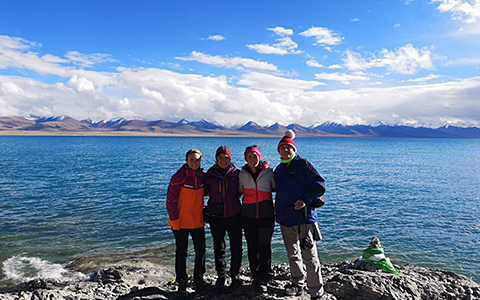
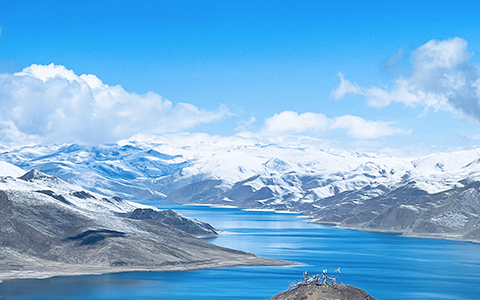
Namtso Lake is a must-see in the Nagqu region. At 4,718 meters above sea level, it is one of the world’s highest saltwater lakes and one of Tibet’s Three Holiest Lakes, attracting pilgrims every year.
You can enjoy crystal-clear, deep blue waters of the lake. The snow-capped Nyenchen Tanglha Mountains provide a stunning backdrop, making it ideal for photography.
Namtso is on the border of Damxung County (Lhasa Prefecture) and Baingoin County (Nagqu Prefecture). You can visit it as a day trip from Lhasa, returning to nearby towns for the night.
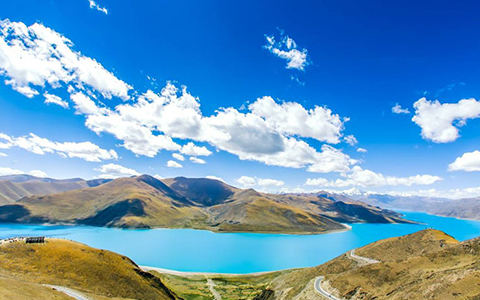
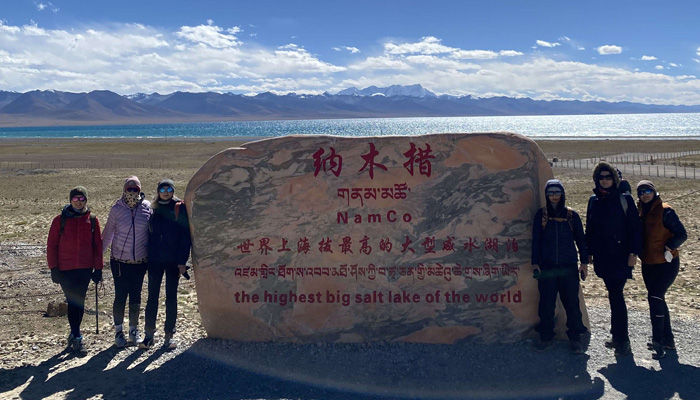 Namtso Lake is one of Tibet’s Three Holiest Lakes, at 4,718 m above sea level.
2. Changtang Grasslands: Nomads, Wildlife, and Expansive Plains
The Changtang Grasslands stretch across northern Tibet, offering endless open plains. You can see yaks and sheep grazing, and if lucky, spot Tibetan antelopes or wild asses.
The area also provides opportunities to experience nomadic life. You can interact with locals, visit tents, and learn about traditional Tibetan customs, all while surrounded by dramatic plateau scenery.
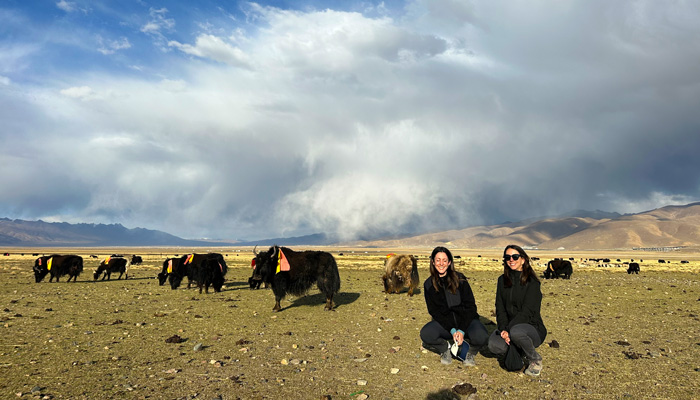 Experience the vast Changtang Grasslands in Nagqu, home to yaks, Tibetan antelopes, and nomadic herders.
3. Nagqu Horse Racing Festival: August’s Cultural Highlight
The Nagqu Horse Racing Festival is the most important cultural event in northern Tibet. Held every August, it brings together thousands of nomads from across the grasslands.
The festival features thrilling horse races, traditional archery, and vibrant folk dances. It is a peak time to witness the courage and skill of Tibetan riders and to experience local culture up close.
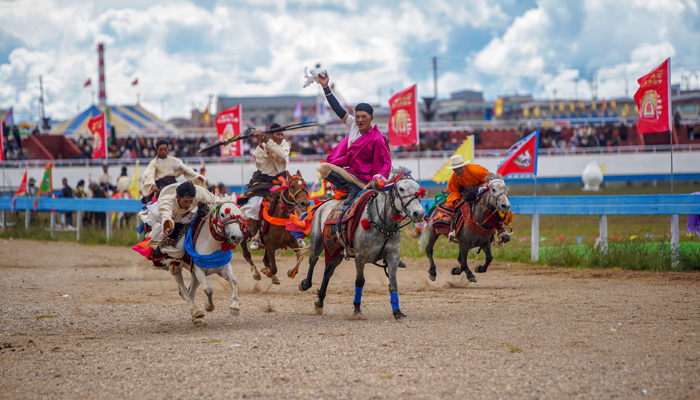 The Nagqu Horse Racing Festival, held every August, showcases traditional Tibetan horse racing, archery, and folk dances.
4. Siling Tso: The Largest Lake in Tibet
Siling Tso is the largest lake in Tibet, with deep turquoise waters surrounded by mountains. Less visited than Namtso, it offers a quieter and more remote experience.
You can enjoy scenic drives along the lake and take in the high-altitude serenity. The deep blue water is especially striking during clear summer months.
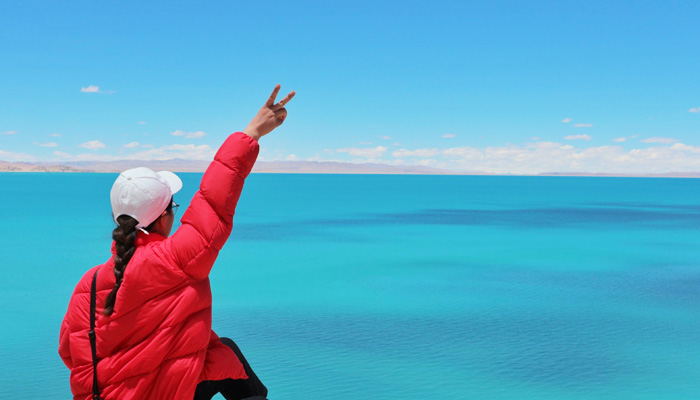 Siling Tso, the largest lake in Tibet, offers quiet and scenic high-altitude views in Nagqu.
5. Tsanden Monastery: Explore Tibetan Monastic Life and Culture
Tsanden Monastery, founded in 1668, is a major Gelupa monastery in the Nagqu region. It is known as the “small Potala Palace” because of its similar white-and-red palace design atop Yaladuo Hill.
Here, you can watch daily rituals, admire ancient architecture, and interact with Tibetan monks. Exploring this site adds a meaningful cultural dimension to your high-altitude adventure.
Key Information of Nagqu Attractions:
- Namtso Lake: 4,718 m, turquoise waters, day trip from Lhasa
- Changtang Grasslands: Vast plateau, yaks, sheep, nomadic culture
- Nagqu Horse Racing Festival: August, horse races, archery, folk dances
- Siling Tso: Largest lake, quiet, scenic drives, photography
- Tsanden Monastery: Founded 1668, Gelupa monastery, cultural and religious experience
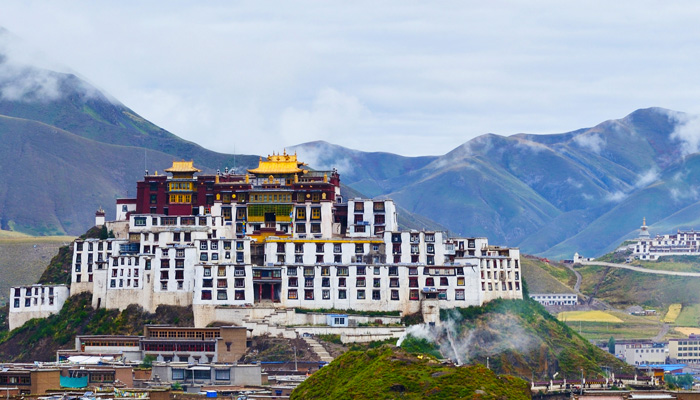 Tsanden Monastery, known as the “small Potala Palace,” is a major Gelupa monastery in Nagqu.
How to Reach Nagqu Tibet: Train, Overland, and Direct Routes
Nagqu is well connected by both train and road, making it accessible while still offering a sense of high-altitude adventure. Most travelers start in Lhasa, allowing time to acclimatize before heading north.
Lhasa to Nagqu by Train
The train is the fastest and most popular way to travel from Lhasa to Nagqu. The journey covers about 322 kilometers and usually takes 3 to 4 hours. Nagchu Railway Station is a major stop on the well-known Qinghai-Tibet Railway.
You can enjoy scenic views of northern Tibet from large windows while traveling comfortably in soft or hard sleeper cabins. The train is also equipped with oxygen supply and air conditioning, ensuring a safe and pleasant journey.
The train departs 6 times daily, but it’s still best to book in advance to secure your preferred seat, especially during peak season. If you join one of our Tibet tours, we can take care of your tickets to ensure a smooth and hassle-free journey.
Lhasa to Nagqu Train Schedule
| Train No | Departure (Lhasa) | Arrival (Nagqu) | Duration | Frequency |
|---|---|---|---|---|
| Z8982 | 09:30 | 13:10 | 3h40m | Daily |
| Y972 | 10:30 | 14:24 | 3h54m | Daily |
| Z166 | 11:50 | 15:42 | 3h52m | Daily |
| Z266 | 12:35 | 16:33 | 3h58m | Daily |
| Z22 | 15:50 | 19:31 | 3h41m | Daily |
| Z8992 | 17:30 | 20:49 | 3h19m | Daily |
Notes:
1. The times above are typical scheduled departures and arrivals. Actual times may vary, so always check with us for the latest schedule.
2. Trains offer hard seat (¥50.5), hard sleeper (¥128.5), and soft sleeper (¥198.5) options. Sleeper berths provide more comfort for your journey.
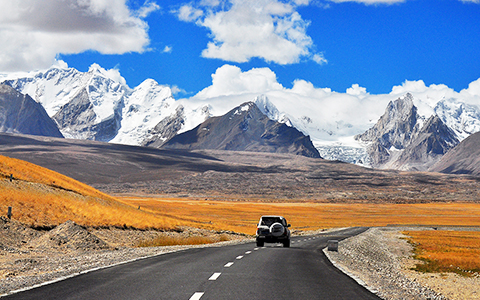
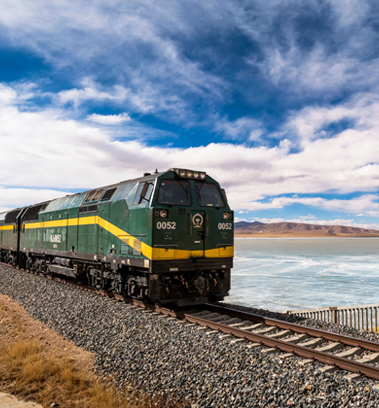
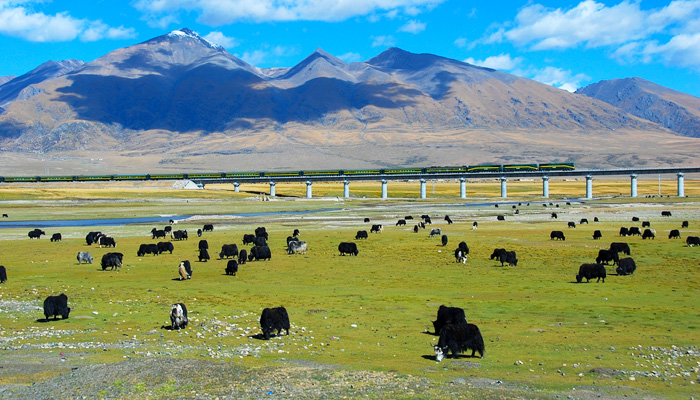 Scenic views of northern Tibet grasslands along the Qinghai-Tibet Railway from Lhasa to Nagqu.
Lhasa to Nagqu by Overland: Scenic Road Trip
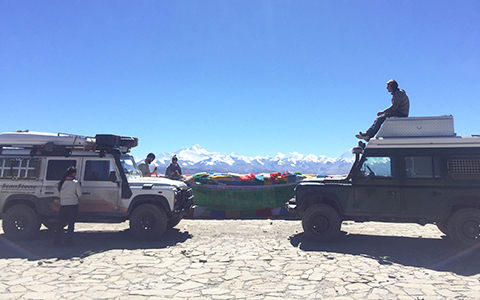
Driving from Lhasa to Nagqu lets you explore at your own pace. The route follows the Qinghai-Tibet Highway, covering about 330 kilometers through grasslands, lakes, and mountain passes.
Along the way, you can stop at the beautiful Namtso Lake to take photos and enjoy short walks along the shore. The full drive usually takes 7–8 hours, depending on road conditions and stops.
Pro tips: The Qinghai-Tibet Highway is generally in good condition, but you will cross high mountain passes above 5,000 meters. Proper acclimatization in Lhasa before departure is strongly recommended.
For your convenience, we provide experienced local drivers familiar with the terrain. Our off-road vehicles are equipped with oxygen supply, ensuring a safe and smooth overland journey.
Direct Tibet Train to Nagqu from Mainland China: Routes and Booking Tips
For travelers from mainland China, you can also take direct Tibet train to Nagqu from cities such as Xining, Beijing, Shanghai, and Chengdu.
These trains run along the Qinghai-Tibet Railway and all stop at Nagchu Railway Station before continuing to Lhasa.
The train journey can take 17 to 49 hours, depending on your departure city. Among them, Xining is the most popular starting point, as it offers the most frequent departures and the shortest route.
Even with direct train routes, we still recommend arriving in Lhasa first considering the high altitude of Nagqu. Spending a few days there at 3,650 meters allows your body to better adjust to the altitude.
Key Information About Getting to Nagqu:
- Train from Lhasa: 3–4 hours; 6 departures daily; hard sleeper and soft sleeper recommended; oxygen supply and air conditioning available onboard
- Overland from Lhasa: 7–8 hours; flexible trip following well-maintained Qinghai-Tibet Highway; passes grasslands and Namtso Lake
- Direct Tibet Train from Mainland China: 17–49 hours depending on departure city, like Xining, Beijing, Shanghai, and Chengdu
- Overall tips: Arrive in Lhasa first for altitude acclimatization; book train tickets in advance for a smooth journey.
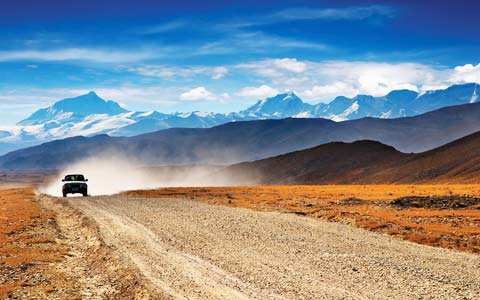
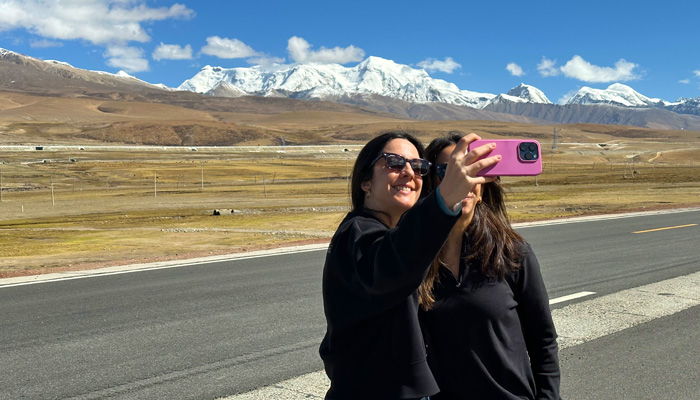 Our guests enjoy a scenic overland road trip from Lhasa to Nagqu, passing grasslands and lakes.
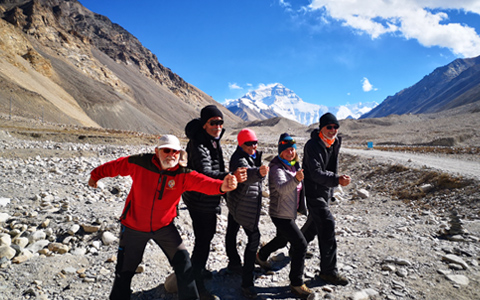
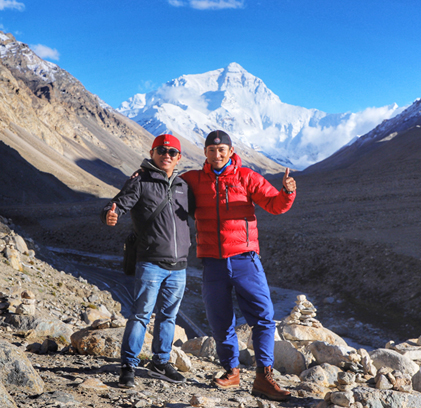
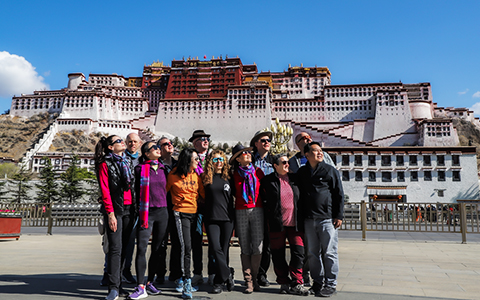
Experience the highlights of Tibet with our Everest and Namtso Lake tour, carefully arranged for comfort and convenience.
When is the Best Time to Visit Nagqu Tibet: Weather, Seasons, and Festivals
Nagqu is one of the higher and harsher regions of Tibet, with a cold, dry, high-altitude climate, strong winds, and intense sunshine throughout the year.
Planning your trip according to the seasons will help you enjoy both the landscapes and cultural experiences comfortably.
Overall Weather in Nagqu Tibet: Climate and Temperature
Nagqu sits in the subarctic zone of Tibet, where annual temperatures average around -1°C, with winter lows dropping to -40°C.
The region experiences strong sunlight and high UV exposure, and the day-night temperature difference can reach around 15°C, so preparation is essential even in summer.
Nagqu has two main seasons:
- Dry season (November–March): Cold and dry, with frequent snow and occasional sandstorms. Nighttime temperatures in January can reach -21°C, while daytime highs are around -3°C. Temperatures generally remain below freezing until mid-March.
- Rainy season (May–September): The warm season, with mild days but chilly nights. July is the warmest month, with average daytime temperatures around 16°C and nighttime lows near 3°C. Rainfall is concentrated in late July and August, helping grasslands turn lush and green.
Monthly Weather Table for Nagqu
| Month | Max Temperature (°C) | Min Temperature (°C) | Average Clear Days | Average Rainfall (mm) |
|---|---|---|---|---|
| Jan | -3 | -21 | 20 | 5 |
| Feb | 0 | -17 | 18 | 6 |
| Mar | 5 | -12 | 15 | 8 |
| Apr | 10 | -2 | 12 | 10 |
| May | 14 | -3 | 10 | 20 |
| Jun | 16 | 4 | 8 | 40 |
| Jul | 18 | 3 | 6 | 80 |
| Aug | 17 | 3 | 7 | 60 |
| Sep | 15 | 0 | 10 | 30 |
| Oct | 10 | -5 | 12 | 10 |
| Nov | 3 | -12 | 15 | 5 |
| Dec | 0 | -18 | 20 | 4 |
Best Months to Visit Nagqu Tibet: May to September
The summer months (May–September) are the most favorable for visiting Nagqu. During this period, the grasslands are lush and green, lakes sparkle, and cultural life is at its most vibrant. Oxygen levels are higher, making outdoor activities more comfortable.
Warm Temperature:
- Daytime: 10°C to 18°C, comfortable for hiking and exploring
- Nighttime: -3°C to 5°C; layering is recommended for mornings and evenings
- Rainfall: Mostly concentrated in late July and August
Scenic Highlights of Grasslands and Lakes
During summer, Nagqu’s grasslands are vibrant and ideal for observing grazing yaks and sheep. Namtso Lake and Siling Tso sparkle under clear skies, offering excellent photography opportunities.
The snow-capped mountains provide a dramatic high-altitude backdrop, making the scenery truly breathtaking.
Cultural Experiences: Nagqu Horse Racing Festival
The Nagqu Horse Racing Festival, held annually in August, is a major highlight. You can witness horse races, archery competitions, and folk dances, gaining a close-up view of Tibetan nomadic culture.
In 2026/2027, the festival will take place on August 22, providing a lively opportunity to experience local traditions and vibrant community events.
Travel Tips & Notes:
- Prepare for strong sunlight and UV exposure with sunscreen and sunglasses
- Dress in layers to handle large day-night temperature differences
- Carry waterproof gear for occasional summer showers
- Spend a day or two in Lhasa before heading to Nagqu to acclimatize to high altitude
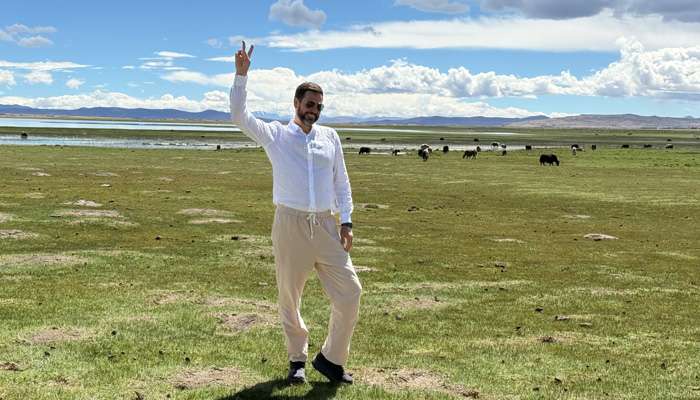 The summer months (May–September) are ideal for visiting Nagqu; grasslands are lush, and yaks and sheep graze freely.
Where to Stay in Nagqu Tibet: Hotels, Guesthouses, and Lodges
Finding the right accommodation in Nagqu is an essential part of your trip, especially given the high altitude and unique plateau weather.
While hotels here are generally more functional than luxurious compared with larger cities like Lhasa or Shigatse, there are comfortable and reliable options to suit different budgets and travel styles.
Hotels and Guesthouses for Different Budgets
Most hotels are located in Nagqu County, close to the railway and main highways. You can find services such as 24-hour hot water, Wi-Fi, heating, and oxygen supply, which make your stay safer and more comfortable at high altitude.
- Luxury & High-End
Hotels like Naqu Four Seasons Oxygen Enrichment Hotel and Lanbo Oxygen-rich International Hotel offer modern amenities, stable heating, and consistent oxygen supply.
They are ideal for travelers who want maximum comfort and to minimize the effects of altitude.
- Mid-Range & Comfort:
Hotels such as San Yi Grand Hotel and Vienna International Hotel provide clean rooms, reliable service, and oxygen facilities on request, offering a balance between price and comfort.
- Budget & Authentic:
If you are on a budget, Nagqu Hotel and Nagqu Friendship Hotel are long-standing favorites. While simpler, they offer a more traditional atmosphere and are conveniently located near local markets and the railway station.
Where to Stay when Visiting Namtso Lake
Overnight stays at Namtso Lake are not permitted to protect the environment. The recommended approach is to visit the lake during the day and then drive about 60 kilometers to Damxung County for the night.
In Damxung, you can choose from small to mid-sized hotels, all providing attentive services. The slightly lower elevation (around 4,200 meters) compared to Nagqu city makes it a more comfortable stop for high-altitude travelers.
Important Tips for Accommodation in Nagqu
- Choose hotels with oxygen supply and heating systems, as this helps with high-altitude acclimatization and comfort.
- Book early, especially during peak season (May–September) and around festival dates like the Nagqu Horse Racing Festival, as good hotels fill quickly.
- Prioritize hotels near the Nagqu Railway Station or main road for easier access to transport and dining.
Key Information Summary: Accommodation in Nagqu:
- Nagqu offers a range of accommodation options, from comfortable mid-range hotels to budget guesthouses, with reliable choices in the city center.
- Hotels with oxygen supply and heating will help you adapt to the high altitude more comfortably.
- If your itinerary includes Namtso Lake, plan to stay in Damxung or nearby towns, rather than at the lake itself, for a safe and convenient trip.
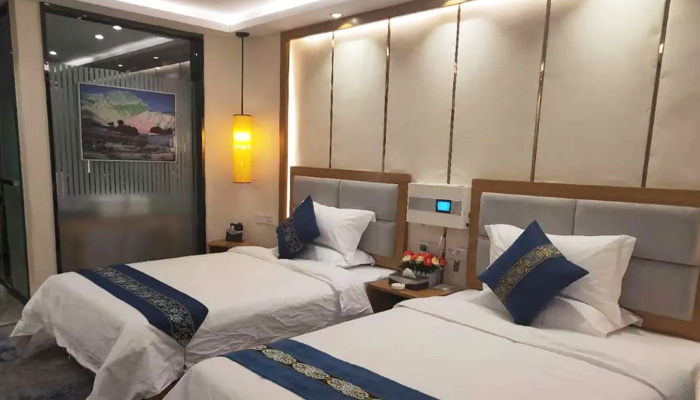 Naqu Four Seasons Oxygen Enrichment Hotel offers modern amenities, stable heating, and consistent oxygen supply for high-altitude comfort.
Enjoy quality and comfortable hotels in our best-selling Namtso Lake and Mount Everest tour!
Essential Travel Tips for Nagqu Tibet: Permits, Packing, and High-Altitude Advice
Visiting Nagqu requires careful preparation due to its high altitude, remote location, and travel regulations. Following these tips will help you enjoy a safe and smooth journey.
Required Permits to Visit Nagqu Tibet
International tourists cannot travel independently in Tibet and must have several permits to enter the Nagqu region legally in 2026/2027:
- Chinese Visa: Required to enter China from your home country. Travelers from visa-free countries (such as UK, Australia, parts of Europe) can stay up to 30 days without a visa.
- Tibet Travel Permit: Needed to enter Tibet, arranged through a licensed travel agency. If you join one of our Tibet tours, we handle your Tibet Travel Permit at no extra cost.
- Alien’s Travel Permit and Military Permit: Required for restricted areas within Nagqu. Our agency can arrange these permits for you.
Tip: To avoid delays, especially in peak season, contact us at least 20 days in advance to arrange all necessary permits. We ensure your travel documents are ready for a smooth Tibet Nagqu trip.
High-Altitude Acclimatization Tips for Nagqu
Nagqu sits at an average altitude of 4,500 meters, which can be challenging. You can reduce the risk of altitude sickness with these strategies:
- Arrive in Lhasa first: Spend 2–3 days at 3,650 m before traveling north. Gradual ascent is the most effective prevention against Acute Mountain Sickness (AMS).
- Stay hydrated: Drink 3–4 liters of water daily. Avoid alcohol and tobacco, which can interfere with oxygen absorption.
- Move slowly: Avoid strenuous exercise and heavy lifting for the first 48 hours. Even walking should be done at a measured pace.
- Listen to your body: Persistent headache, dizziness, or nausea should be reported to your guide immediately. Our local guides monitor travelers and provide assistance whenever needed.
- Preventive measures: Carry AMS medication if recommended. In our tours, oxygen bottles are available in all tourist vehicles.
Essential Packing List for Nagqu Tibet Travel
Weather in northern Tibet can be unpredictable, even in summer. Layered clothing is the best strategy for staying comfortable.
- Clothing: High-quality down jacket, windproof shell, and thermal base layers. Nighttime temperatures can drop near freezing, even in August.
- Sun protection: High-SPF sunscreen (50+), UV-protection sunglasses, and a wide-brimmed hat are essential.
- Footwear: Sturdy, waterproof hiking boots for uneven terrain. Bring multiple pairs of warm socks.
- Personal medical kit: Basic medications for headaches, colds, digestive issues, and optional Diamox (Acetazolamide) for altitude acclimatization.
- Daily essentials: Reusable water bottle, high-capacity power bank, and SPF lip balm to protect against dry plateau air.
 The Tibet Travel Permit is required for all international travelers visiting Tibet.
Join Our Northern Tibet Nagqu Tour for a Hassle-Free Experience
Visiting northern Tibet and Nagqu can be challenging due to high altitude, travel permits, and remote locations. By joining one of our carefully organized tours, you can enjoy a seamless journey, focusing on the scenery, culture, and adventure rather than logistics.
With over 30 years of experience, we have helped thousands of travelers fulfill their Tibet travel dreams.
Small Group and Private Tours for Choice
We offer flexible tour options to suit your preferences:
- Small group tours:
Limited to 12 travelers, providing a more intimate and personalized experience. Classic itineraries include the 10-day Everest Base Camp with Namtso Lake Tour, 5-day Lhasa to Namtso trip, or 8-day Lhasa Shigatse and Namtso tour.
- Private tours:
Fully customizable to match your schedule, interests, and pace. Whether you want to attend the Nagqu Horse Racing Festival, explore the Changtang Grasslands, or visit the remote Siling Tso Lake, we design your itinerary based on your preferences.
One-Stop, Tourist-Friendly Services
Booking a tour with us ensures all-inclusive support from permits to accommodations and local guides. You can focus entirely on enjoying your journey.
- Tibet Travel Permit included: We handle all permit applications so you don’t have to worry about paperwork.
- Soft sleeper tickets guaranteed: Travel comfortably on the train to Nagqu.
- Airport and train station pickup: Local guides meet you and escort you safely to your hotel in Lhasa.
- Oxygen supply and quality hotels: Vehicles are equipped with oxygen, and hotels ensure a safe and cozy stay at high altitude.
- Experienced Tibetan guides: Learn about local culture, traditions, and hidden gems from knowledgeable guides.
With these services, your northern Tibet trip becomes hassle-free and culturally rich, allowing you to fully appreciate the landscapes and traditions of Nagqu.
Get Closer to Local Life: An Authentic Experience
Our tours are designed to help you connect with Tibetan life and culture.
- In Lhasa, you can watch monk debates at Sera Monastery and taste Tibetan sweet tea in a traditional teahouse.
- At Namtso Lake, you can take a leisurely walk on Tashi Dor Island and stroll along the lakeshore, experiencing it like locals and pilgrims.
- When visiting nomadic camps, you can interact with local families, explore a traditional black yak-hair tent, and learn about the authentic nomadic way of life.
Participating in local cultural events gives a unique insight into the spirit and traditions of northern Tibet.
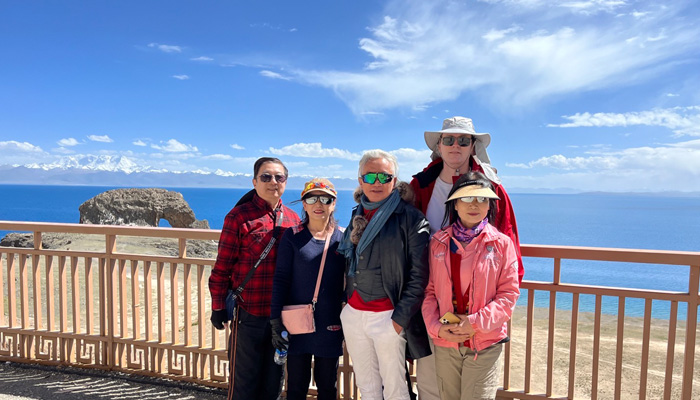 Join our Lhasa to Namtso Lake small group tour for a scenic and cultural experience.
Frequently Asked Questions About Nagqu Tibet
1. How can I travel to Nagqu Tibet from Lhasa or mainland China?
You can reach Nagqu from Lhasa by train (3–4 hours) or overland (7–8 hours) via the Qinghai-Tibet Highway. Direct trains from Xining, Beijing, Shanghai, or Chengdu also stop at Nagchu before Lhasa. Arriving in Lhasa first is recommended to acclimatize.
2. What are the main attractions in Nagqu Tibet?
Highlights include Namtso Lake, Siling Tso, Changtang Grasslands, Tsanden Monastery, and the Nagqu Horse Racing Festival. These offer stunning scenery, nomadic culture, and high-altitude photography opportunities.
3. Is independent travel allowed in Nagqu Tibet, or do I need a guided tour?
Independent travel is not allowed for international tourists. You must join a pre-arranged guided Tibet tour, which handles permits, transport, and accommodations.
4. Is Nagqu Tibet safe for international tourists?
Yes, Nagqu is generally safe. Acclimatize in Lhasa, stay hydrated, and travel with experienced guides to avoid altitude-related issues.
5. What essentials should I pack for high-altitude travel in Nagqu Tibet?
Bring layered clothing, sun protection, sturdy boots, and a personal medical kit. Include water, power bank, and lip balm for high-altitude conditions.
6. When is the best time to visit Namtso Lake in Nagqu Tibet?
May to September is ideal, with mild days and clear skies. Summer offers the greenest grasslands and best photography conditions.
7. Can I stay overnight at Namtso Lake, or where should I stay instead?
Overnight stays at Namtso Lake are not allowed. Stay in nearby Damxung County or return to Nagqu Town for comfortable accommodations.
8. How can I join the Nagqu Horse Racing Festival?
Join a guided tour in August, which includes festival access. You can witness horse races, archery, and folk dances while enjoying local culture.
9. How can I apply for a Tibet Travel Permit to visit Nagqu Tibet?
The Tibet Travel Permit is mandatory and must be arranged through a licensed travel agency. Our tours include the permit service for a hassle-free experience.
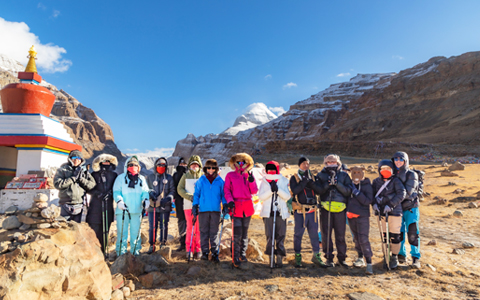
Embark on a memorable Lhasa to Mount Everest and Namtso Lake adventure with our expertly guided tour.
Conclusion: Plan Your Nagqu Tibet Journey in 2026/2027
Nagqu offers a unique blend of sacred lakes, vast grasslands, and authentic nomadic life. From the bright turquoise waters of Namtso Lake to the thunder of hooves at the Nagqu Horse Racing Festival, this region offers experiences that go beyond ordinary travel.
In 2026/2027, Nagqu is easier to reach than ever. You can travel by Tibet train or overland via the Qinghai-Tibet Highway, and it is best to spend some time in Lhasa first to adjust to the high altitude before heading north.
The best time to visit is May to September, when the weather is milder, roads are safer, and landscapes are at their most vibrant. You can enjoy lush grasslands, unfrozen turquoise lakes, and witness the excitement of the horse racing festival firsthand.
At tibettour.org, we are dedicated to helping you experience the local way of life safely and comfortably. From arranging all the permits to providing oxygen-equipped vehicles and experienced local guides, we take care of every detail so you can focus on enjoying your journey.
Ready to start your adventure? Contact our travel experts today for a free consultation or a custom tour plan. Let us help you plan a smooth and unforgettable trip to Nagqu and beyond. Your journey to the roof of the world starts here - we look forward to welcoming you to Tibet!




Ask a Quick Question