











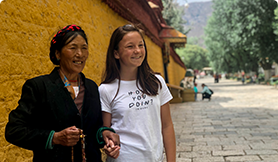

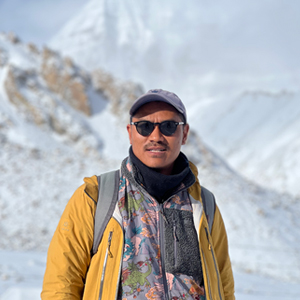
A meditation journey in Tibet offers a unique opportunity to step away from the distractions of modern life and reconnect with yourself in one of the world's most spiritual destinations. As the birthplace of Tibetan Buddhism, Tibet combines rich spiritual heritage, profound tranquility, and a landscape shaped by sacred mountains, lakes, and monasteries.
From cliffside meditation caves near Lhasa to remote monasteries around Mount Everest and Mount Kailash, Tibet offers countless opportunities to slow down, reflect, and restore balance between body and mind.
Whether you are an experienced meditator, a Buddhist practitioner, or simply a traveler seeking inner peace, Tibet's diverse meditation destinations offer something for everyone. In this guide, we'll explore some of the best places for a meditation retreat in Tibet and help you find inspiration for your own spiritual journey.
Contents
 Drak Yerpa Retreat: Meditate in Cliffside Caves near Lhasa
Ganden Monastery: Meditate with Panoramic Views from the Ganden Kora
Tsurphu Monastery: Experience a Remote Monastery Retreat West of Lhasa
Rutok Temple: Explore a Remote Temple Overlooking Yamdrok Lake
Samye Monastery: Discover the Tranquility of Tibet's First Monastery
Rongbuk Monastery: Meditate Near Mt. Everest at the World's Highest Monastery
Chim-puk Hermitage: Explore the Legendary Meditation Retreat of Padmasambhava
Chiu Monastery: Meditate Overlooking Mt. Kailash and Lake Manasarovar
Dirapuk Monastery: Meditate beneath the Sacred North Face of Mt. Kailash
What Is a Tibet Meditation Retreat Experience Like?
Practical Tips for a Meditation Retreat in Tibet
Suggested Tibet Meditation Retreat Itineraries
Drak Yerpa Retreat: Meditate in Cliffside Caves near Lhasa
Drak Yerpa is one of the most famous meditation retreats in Tibet. This sacred complex of caves, temples, and monasteries is nestled on a dramatic cliffside. For more than a thousand years, it has served as a meditation site for Tibetan kings, revered lamas, and renowned Buddhist masters.
Located just 25 kilometers northeast of Lhasa, Drak Yerpa is also one of the most accessible meditation retreats in Tibet. After a scenic 40-minute drive, you can explore its ancient caves and sacred sites. The peaceful surroundings make it easy to find a quiet place for reflection and meditation.
Surrounded by intricate murals, sacred symbols, and centuries of spiritual history, you can easily sense the deep spirituality that continues to define Drak Yerpa today.
 Nestled on a dramatic cliffside, Drak Yerpa is one of the most famous meditation retreats in Tibet.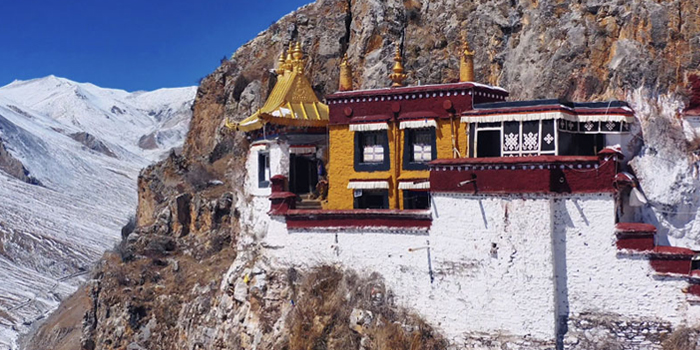

Discover Tibet's sacred meditation caves and immerse yourself in Buddhist culture near Lhasa.
Ganden Monastery: Meditate with Panoramic Views from the Ganden Kora
Ganden Monastery was founded in 1409 as the first monastery of the Gelug school of Tibetan Buddhism. Perched atop Wangbur Mountain at an elevation of 3,800 meters, it offers sweeping views of the surrounding mountains and valley below.
It is one of the largest monastery complexes in Tibet and is located about 51 km from Lhasa. The monastery remains an active religious center, offering you an authentic glimpse into Tibetan monastic life. One of the highlights is the Ganden Kora, a scenic pilgrimage route circling the monastery.
As you walk along the kora path, you can follow the slow rhythm of local pilgrims and gradually quiet your mind. When you stop to meditate on the hillside, expansive views of the surrounding landscape unfold before you, helping to ease stress and anxiety.
 Walking the Ganden Kora is an excellent experience, with expansive views of the surrounding landscape.
Tsurphu Monastery: Experience a Remote Monastery Retreat West of Lhasa
Nestled deep within a remote valley about 70 km west of Lhasa, Tsurphu Monastery is the traditional seat of the Karmapa and the spiritual center of the Karma Kagyu school of Tibetan Buddhism.
Compared to more famous monasteries, Tsurphu receives fewer visitors, making it an excellent destination for those seeking tranquility. The surrounding mountains create a secluded atmosphere that naturally encourages reflection and mindfulness.
Here, you can observe daily monastic life, explore the monastery grounds, or simply enjoy quiet moments of reflection. It is an ideal place to experience a slower pace of life far from Tibet's busier tourist destinations.
 With fewer visitors, Tsurphu Monastery is an excellent destination for those seeking tranquility.
Rutok Temple: Explore a Remote Temple Overlooking Yamdrok Lake
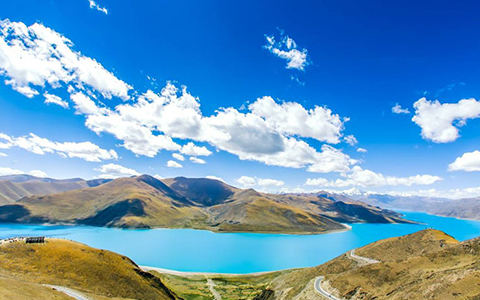
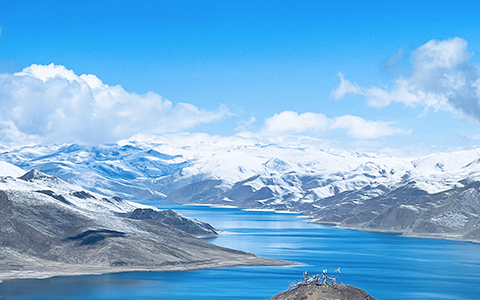
Overlooking the turquoise waters of Yamdrok Lake, Rutok Temple is one of the most isolated monasteries in Tibet. Located on a small island in the lake, it is home to a single monk. Its remote setting and peaceful environment make it an appealing destination for meditation and quiet reflection.
Unlike some of Tibet's larger monasteries, Rutok offers a more intimate experience. The dramatic contrast between the sacred lake and surrounding mountains creates a sense of stillness that many travelers find deeply restorative.
Here, you can walk along the pilgrimage route around the lake to find a secluded spot or ascend the Lurila Platform for breathtaking views of Yamdrok Lake and the snow-capped peak of Nyenchen Kangsar in the distance.
 Located on a small island in Yamdrok Lake, Rutok Temple offers a peaceful environment for meditation.
Samye Monastery: Discover the Tranquility of Tibet's First Monastery
Samye Monastery has the distinction of being the first monastery established in Tibet during the eighth century. Located about 66 kilometers from Lhasa, it can be reached in about one hour by road.
Built under the guidance of Guru Rinpoche and King Trisong Detsen, Samye played a crucial role in introducing Buddhism to the Tibetan Plateau. Its unique mandala-inspired design symbolizes the Buddhist universe and creates a meaningful setting for meditation and spiritual practice.
Walking through its ancient courtyards and chapels allows visitors to connect with centuries of religious tradition while enjoying a peaceful atmosphere far from modern distractions.
.jpg "Samye Monastery") As Tibet's first monastery, Samye Monastery is an ideal place to explore the history of Tibetan Buddhism.
As Tibet's first monastery, Samye Monastery is an ideal place to explore the history of Tibetan Buddhism.Rongbuk Monastery: Meditate Near Mt. Everest at the World's Highest Monastery
Situated near the northern base of Mount Everest, Rongbuk Monastery is renowned as the highest monastery in the world. It originated as a collection of meditation huts and caves scattered across the surrounding cliffs.
Formally founded in 1902, the monastery also provides simple accommodation for travelers visiting Mount Everest. Visitors can explore the meditation caves where Guru Rinpoche is believed to have meditated centuries ago.
The dramatic mountain setting, high altitude, and profound sense of isolation create a deeply memorable experience for those seeking reflection and spiritual inspiration. Sunrise and sunset offer particularly peaceful moments for contemplation.
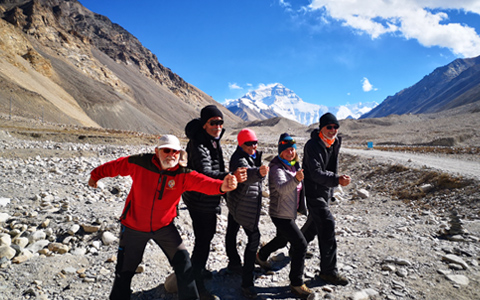
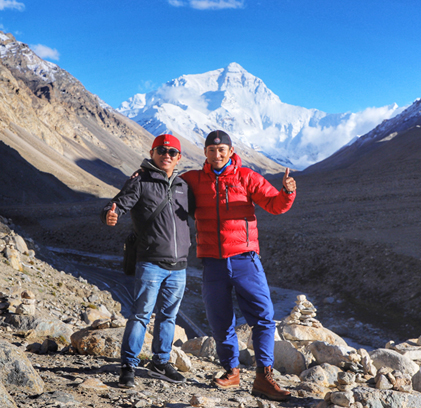
 You can enjoy peaceful moments at Rongbuk Monastery while taking in dramatic views of Mount Everest.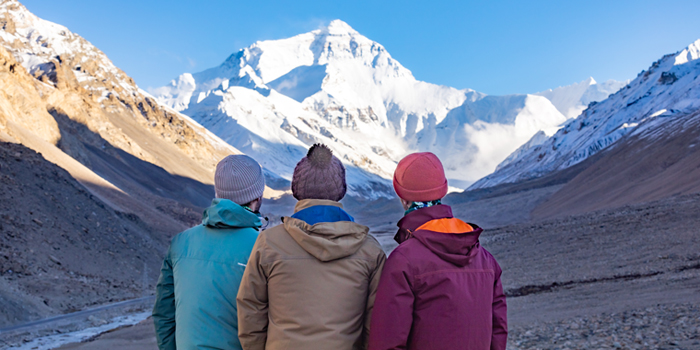
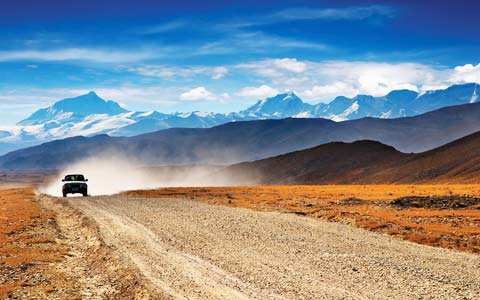
Experience the best of Tibet with a journey from Lhasa's holy sites to the breathtaking Everest Base Camp.
Chim-puk Hermitage: Explore the Legendary Meditation Retreat of Padmasambhava
Located about 5.5 kilometers northeast of Samye Monastery, Chim-puk Hermitage is traditionally regarded as one of the meditation retreats of Padmasambhava, known by Tibetans as Guru Rinpoche. Surrounded by mountains on three sides, the Chim-puk Valley is sheltered from the dramatic weather fluctuations that affect more exposed areas.
The peaceful environment is ideal for inner reflection. Prayer flags flutter in the breeze, enhancing the site's spiritual atmosphere. You can meditate in the ancient caves or simple meditation huts scattered throughout the valley.
The hermitage offers a sanctuary for contemplation, while the surrounding landscape also provides a habitat for numerous bird species and other small wildlife.
 Located only about 5.5 kilometers from Samye Monastery, Chim-puk Hermitage is often visited together with it.
Chiu Monastery: Meditate Overlooking Mt. Kailash and Lake Manasarovar
Chiu Monastery is one of the best-known monasteries surrounding the sacred Lake Manasarovar. Perched on a hilltop at an elevation of 4,590 meters, it overlooks the lake and offers spectacular views of the sacred Mount Kailash.
According to local legend, Guru Rinpoche was guided to this cave by a sparrow and meditated here before continuing his journey through western Tibet. The monastery takes its name from the Tibetan word "Chiu," meaning "sparrow," and is therefore often referred to as the "Sparrow Monastery."
Chiu Monastery is widely regarded as the best starting point for pilgrims undertaking the kora around Lake Manasarovar. You can meditate in the monastery's sacred cave or find a tranquil spot along the lakeshore for quiet reflection.
 Chiu Monastery offers one of the best panoramic views of the sacred Lake Manasarovar.
Dirapuk Monastery: Meditate beneath the Sacred North Face of Mt. Kailash
The Mount Kailash Kora is a three-day spiritual trek around the sacred mountain. Along the route, Dirapuk Monastery serves as the first overnight stop for pilgrims. It is an austere monastery with simple architecture that reflects the remoteness of the region.
Located directly beneath the mountain's sacred north face, the monastery offers extraordinary views of one of the world's most revered peaks. The environment is quiet, remote, and deeply spiritual. While the monastery offers places for meditation, you can also sit quietly on the hillside directly facing Mount Kailash.
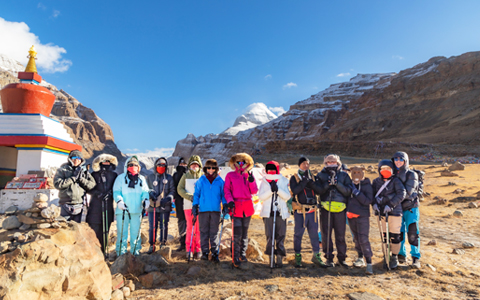
 Dirapuk Monastery offers extraordinary views of the revered Mount Kailash.
What Is a Tibet Meditation Retreat Experience Like?
A meditation retreat in Tibet is often quite different from the structured retreat programs found in countries such as India, Nepal, and Thailand. Rather than following a fixed daily schedule, you can explore monasteries, sacred pilgrimage routes, and spiritually significant sites while practicing meditation at your own pace.
Many visitors find that Tibet naturally encourages mindfulness. The vast landscapes, slower pace of life, and deep-rooted Buddhist culture create opportunities for reflection throughout the journey.
A Tibet meditation retreat offers a unique blend of relaxation, cultural discovery, and spiritual exploration. Meditation experiences can range from sitting quietly in an ancient cave to walking around a sacred mountain while contemplating personal goals and life priorities.
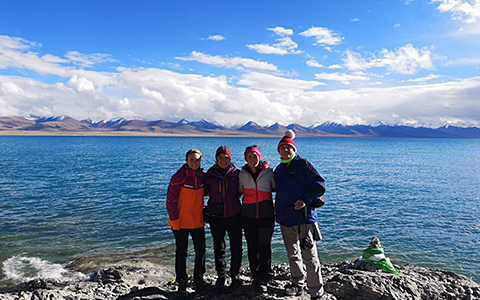
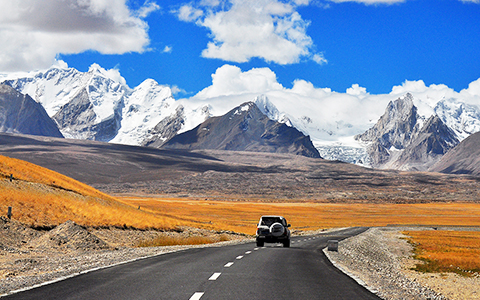
 A Tibet meditation retreat is a unique experience surrounded by sacred Tibetan culture and breathtaking landscapes.
Practical Tips for a Meditation Retreat in Tibet
Best Time to Visit
The best time for a Tibet meditation retreat is generally from April to October. During these months, temperatures are milder, roads are more accessible, and travel conditions are more comfortable.
Spring and autumn are particularly popular because they offer pleasant weather and fewer crowds than the peak summer season.
Altitude Considerations
Due to the high elevations of many monasteries, it is important to acclimatize properly before visiting them. Spending a few days in Lhasa before traveling to higher-altitude areas is highly recommended. Staying hydrated and avoiding strenuous activity are essential for a comfortable journey.
Monastery Etiquette and Cultural Respect
When visiting monasteries, dress modestly and walk clockwise around stupas, prayer wheels, and religious sites whenever possible. Follow any rules or instructions provided by local guides, speak quietly, and avoid disturbing monks during religious activities.
Respecting Tibetan culture enhances both your travel experience and your connection to these sacred places.
What to Bring
Prepare for changing temperatures and strong UV rays in Tibet. Comfortable walking shoes, layered clothing, sunscreen, sunglasses, a hat, and a reusable water bottle are highly recommended.
A travel journal can also be valuable for recording insights and reflections throughout your meditation journey.
Photography Rules
Photography policies vary from monastery to monastery. Some areas permit photography, while others prohibit it entirely. Always ask for permission and follow local guidelines before taking pictures.
Accommodation Options
Accommodation standards vary depending on location. In cities such as Lhasa and Shigatse, you can stay in comfortable hotels. In remote destinations like Rongbuk, Dirapuk, and the Mount Kailash region, accommodation is usually more basic, including guesthouses and simple lodges.
While facilities may be limited, these locations provide a unique opportunity to experience Tibet's spiritual environment more authentically.
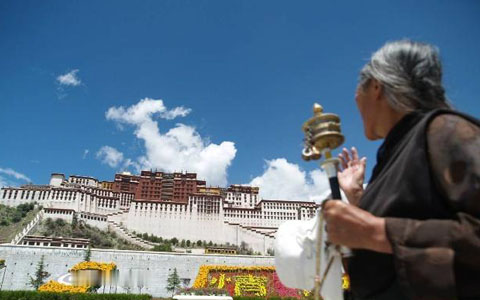
 Always remember to walk clockwise around Tibetan religious sites, including stupas and prayer wheels.
Suggested Tibet Meditation Retreat Itineraries
5-Day Lhasa to Drak Yerpa Tour
If you have limited time in Tibet, a relatively short 5-day Lhasa–Drak Yerpa meditation tour can still provide a meaningful spiritual experience.
After exploring major landmarks such as the Potala Palace, Jokhang Temple, and Barkhor Street, you can head to Drak Yerpa, the famous meditation cave complex near Lhasa. The peaceful atmosphere and cliffside setting make it easy to find a quiet place for reflection.
5-Day Lhasa to Ganden Tour
If you are interested in combining meditation with gentle hiking, the Ganden Kora tour offers one of the most rewarding spiritual experiences near Lhasa. Walking the sacred kora along the same pilgrimage route used by local devotees is an immersive way to experience Tibetan Buddhist culture and spirituality.
Along the route, panoramic mountain views, prayer flags, and sacred sites create an ideal environment for mindfulness and contemplation. You can also pause at quiet viewpoints along the kora route for meditation while enjoying the peaceful surroundings.
15-Day Mount Kailash and Lake Manasarovar Tour
For a deeper spiritual journey, the Mount Kailash trekking tour offers one of the most profound spiritual experiences in Tibet. It is not only a trek but also a transformative inner journey.
The legendary Mount Kailash Kora is a three-day pilgrimage around the sacred mountain. Along the route, you can spend a night at Dirapuk Monastery and meditate beneath the mountain's revered north face. The combination of high-altitude landscapes, physical challenge, and spiritual tradition creates a profound environment for self-reflection.
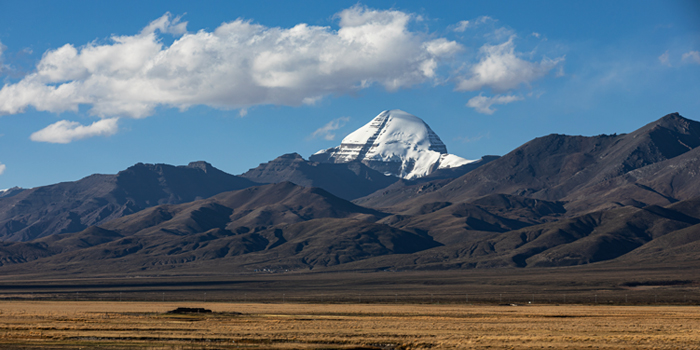
Explore Tibet's holiest landscapes at Mount Kailash and Lake Manasarovar.
Quick Summary and FAQs About Tibet Meditation Retreats
Quick Summary
Tibet's meditation destinations range from the ancient caves of Drak Yerpa and Chim-puk Hermitage to the sacred monasteries of Ganden, Tsurphu, Rutok, and Samye. You can also find profound spiritual experiences at Rongbuk Monastery near Mount Everest and at Chiu and Dirapuk Monasteries in the Mount Kailash region.
Unlike structured meditation programs found in some other countries, meditation experiences in Tibet are often flexible, personal, and closely connected to monasteries, pilgrimage routes, and sacred landscapes. Whether you seek inner peace, cultural discovery, or a deeper spiritual journey, Tibet offers experiences for every type of traveler.
Q1: What are the best places for meditation in Tibet?
Drak Yerpa, Chim-puk Hermitage, Samye Monastery, Ganden Monastery, Tsurphu Monastery, Rongbuk Monastery, Chiu Monastery, and Dirapuk Monastery are among the best meditation destinations in Tibet.
Q2: Can foreigners join a meditation retreat in Tibet?
Yes. Foreign travelers can visit monasteries, hermitages, and sacred sites in Tibet as part of an organized Tibet tour.
Q3: What is the best meditation cave near Lhasa?
Drak Yerpa is widely regarded as the most famous and accessible meditation cave retreat near Lhasa.
Q4: Do I need Buddhist experience?
No. Most meditation-focused journeys in Tibet are suitable for beginners and do not require previous Buddhist practice.
Q5: Can I meditate at Mount Kailash?
Yes. Many travelers meditate during the Mount Kailash pilgrimage, particularly at Chiu Monastery and Dirapuk Monastery.
Q6: What is the best time for a Tibet meditation retreat?
The best time to visit is generally from April to October. Spring and autumn are especially popular due to pleasant weather and clear mountain views.
Q7: How much does a Tibet meditation tour cost?
Costs vary depending on the itinerary, travel season, accommodation, and destinations included. Tours near Lhasa are usually less expensive than journeys to Mount Everest or Mount Kailash.
Q8: What accommodation can I expect on a Tibet meditation tour?
Most tours combine comfortable hotels in major cities with simpler guesthouses or lodges in remote spiritual destinations such as Everest Base Camp and Mount Kailash.
Conclusion
A Tibet meditation retreat is not simply about sitting quietly in a monastery. It is a journey to heal your mind and nourish your soul through some of the world's most sacred landscapes, ancient spiritual traditions, and inspiring cultural sites.
Whether you choose to meditate in the caves of Drak Yerpa, walk the kora at Ganden, reflect beside Lake Manasarovar, or stand beneath the sacred north face of Mount Kailash, Tibet offers unforgettable experiences rooted in spirituality, culture, and nature.
Want to learn more about any of these meditation destinations or need help planning a customized Tibet meditation retreat tour? Do not hesitate to contact us for professional assistance!
 Facebook
 Tweet
Tweet
 Linkedln
 Reddit



Ask a Quick Question