











In addition to its snow-covered mountains, sacred lakes, and vast grasslands, Tibet is also home to a wide variety of unique wildflowers that bloom in valleys, forests, mountain slopes, wetlands, and alpine meadows. Their colorful blooms add vibrant shades of pink, blue, yellow, purple, and white to Tibet's dramatic high-altitude landscape.
Depending on your route and the season you visit, you may encounter different wildflowers throughout Tibet. This complete guide covers the most iconic Tibetan wildflowers, the best flower-viewing destinations, the ideal seasons to visit, their cultural symbolism, and essential travel tips for the best flower-viewing experience.
Contents
 Gesang Flower — Tibet's Symbol of Happiness
Himalayan Blue Poppy — The Iconic Blue Flower of the Himalayas
Alpine Rhododendron — Bright Colors Across Tibet's Mountains
Primrose — One of Tibet's First Flowers of Spring
Snow Lotus — Tibet's Rare Flower of the High Mountains
Gentian — Brilliant Blue Gems of Tibet's Grasslands
Shrubby Cinquefoil — Golden Blossoms Across Tibet's Grasslands
Stellera Flower — Beautiful Yet Toxic Wildflowers
Best Places to See Tibetan Flowers
When Is the Best Time to See Flowers in Tibet?
Tibetan Flowers in Culture and Daily Life
Travel Tips for Seeing Tibetan Flowers
Gesang Flower — Tibet's Symbol of Happiness
The Gesang flower is one of the most famous flowers associated with Tibet. The Tibetan word "Gesang" is often associated with happiness, blessings, and good fortune. In Tibetan culture, the Gesang flower symbolizes happiness, hope, resilience, and a positive attitude toward life.
However, "Gesang" does not refer to a single botanical species. Instead, it can be used to describe several hardy wildflowers that grow across the Tibetan Plateau. You can often find them near villages, roads, fields, and grasslands.
Gesang flowers can appear in various colors, including pink, white, purple, red, and yellow. Their bright colors stand out beautifully against Tibet's deep blue skies and vast landscapes. These flowers require very little water and can withstand large temperature variations, thriving at elevations between 3,000 and 4,500 meters above sea level.
The main flowering period is usually from June to September, with July and August often offering the most impressive views. During a summer Tibet tour, you can often see Gesang flowers around Lhasa, Shigatse, Nyingchi, and many other rural areas.
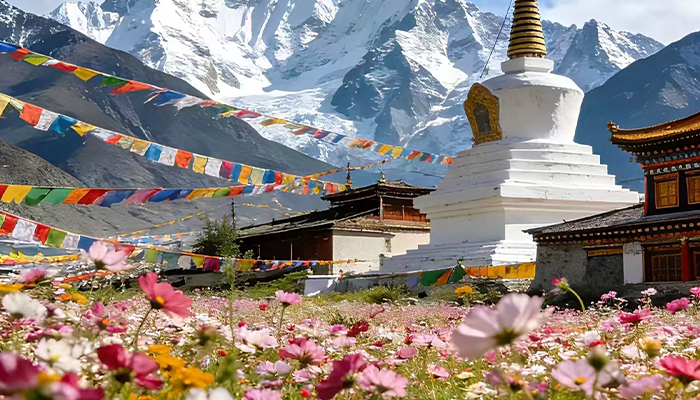 The Gesang flower is one of the most famous flowers in Tibet and carries beautiful symbolic meanings.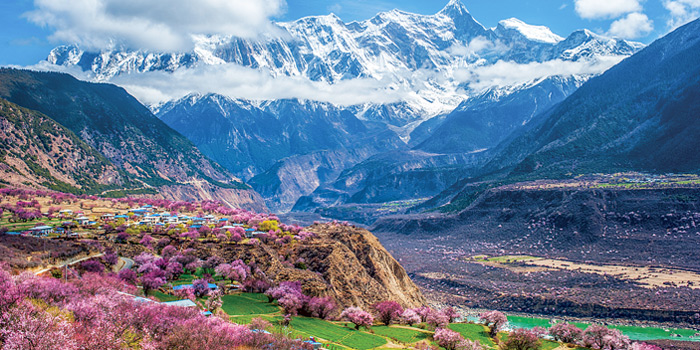

Experience Nyingchi’s peach blossoms and Everest’s breathtaking views!
Himalayan Blue Poppy — The Iconic Blue Flower of the Himalayas
The Himalayan Blue Poppy, scientifically known as Meconopsis, is one of the most eye-catching flowers found in the Himalayan region. It is especially admired for its soft blue or blue-purple petals, a color that is relatively rare among flowering plants. Its graceful appearance has earned it poetic nicknames such as the "Spirit of the Mountains" and the "Beauty of the Wilderness."
These flowers prefer cool and relatively moist environments. They are more likely to appear in alpine valleys, forest edges, rocky slopes, and mountain meadows. The best place to see blue poppies is eastern Tibet, especially the Nyingchi region, because it has a wetter climate than central and western Tibet.
The flowering season generally falls between late spring and summer. However, blue poppies are not as easy to see as Gesang flowers because they often grow in remote or less accessible areas. That is why the Himalayan Blue Poppy is often seen as a symbol of the mysterious and untamed beauty of the Himalayas.
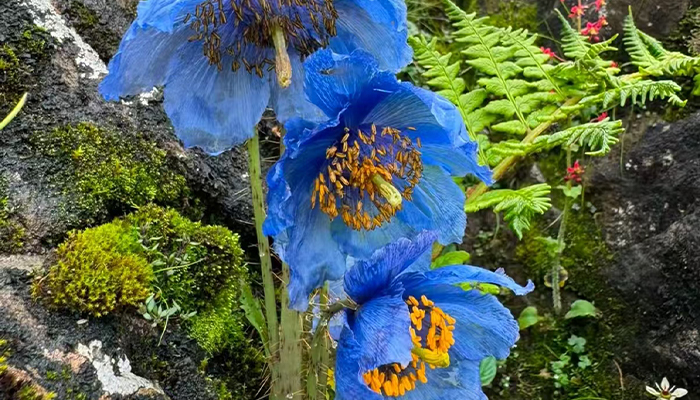 The Himalayan Blue Poppy is an eye-catching flower famous for its soft blue or blue-purple petals.
Alpine Rhododendron — Bright Colors Across Tibet's Mountains
Tibet is home to over 180 native rhododendron species, which bring some of the brightest seasonal colors to its mountain landscapes. Depending on the species, their flowers may be red, pink, white, purple, or yellow. They can grow as low shrubs in exposed alpine areas or as larger plants on forested slopes.
Rhododendrons are especially common in eastern and southeastern Tibet, where the climate is wetter and forests are more extensive. Nyingchi is one of the best-known places to see them, especially on Sejila Mountain and in the Lulang Forest. During the flowering season, entire hillsides may become covered with colorful blossoms.
Most alpine rhododendrons bloom between April and June, although the timing varies with elevation. Lower elevations usually bloom first, followed by higher mountain slopes as temperatures rise. This gradual change means that you may see different stages of blooming during the same journey.
Rhododendrons are beautiful, but some species contain toxic compounds. You should avoid picking or eating any unfamiliar plants. The best way to enjoy them is to admire and photograph the flowers from marked paths without disturbing the surrounding vegetation.
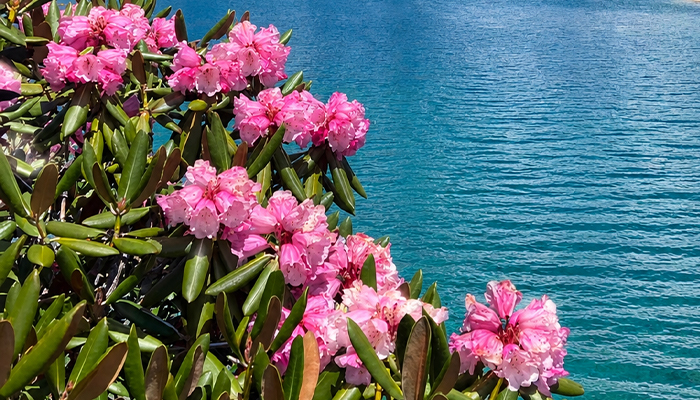 You can easily see beautiful alpine rhododendrons in eastern and southeastern Tibet.
Primrose — One of Tibet's First Flowers of Spring
Primroses are among the first flowers to appear after the long Tibetan winter. Their early arrival makes them an important sign of seasonal change across the plateau. They usually grow in cool, moist areas such as mountain meadows, stream banks, forest clearings, and grassy slopes.
Tibetan primroses come in many colors, including yellow, pink, purple, white, and blue. Some are small and close to the ground, while others grow in clusters on taller stems. Their shape and color vary greatly because the Himalayan region is home to many different primrose species.
The flowering season often begins in spring and may continue into early summer. In lower valleys, primroses can appear as early as April, while high-altitude species may not bloom until June or July. You may see them during spring trips to Nyingchi and other moist areas of Tibet.
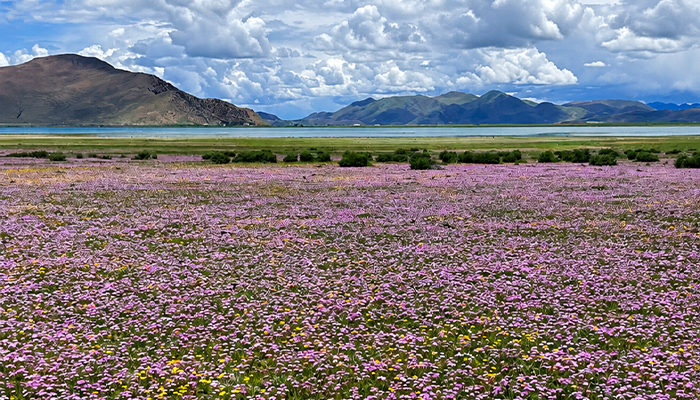 Primrose fields create a colorful spring landscape across the alpine meadows.
Snow Lotus — Tibet's Rare Flower of the High Mountains
The snow lotus is one of the most iconic alpine plants of the Tibetan Plateau. Known as the "Sacred Flower of the Snowy Land" and the "King of Herbal Medicines" in Tibetan culture, it is admired for its rarity, beauty, and medicinal significance.
The plant usually has pale, woolly, or tightly grouped leaves surrounding smaller flowers. Its compact form helps protect it from strong winds, low temperatures, and intense ultraviolet radiation. That is why it can survive in cold, rocky environments at very high elevations where few other plants can grow.
The snow lotus usually blooms during the summer months, but it remains difficult for most travelers to see. Many plants grow in remote locations that are not included in standard sightseeing routes. Even if you are trekking through remote areas, spotting a snow lotus still requires a bit of luck.
Due to their rarity, some snow lotus species are listed as Class II State-Protected Wild Plants in China. You should never pick, buy, or remove wild plants from the mountains.
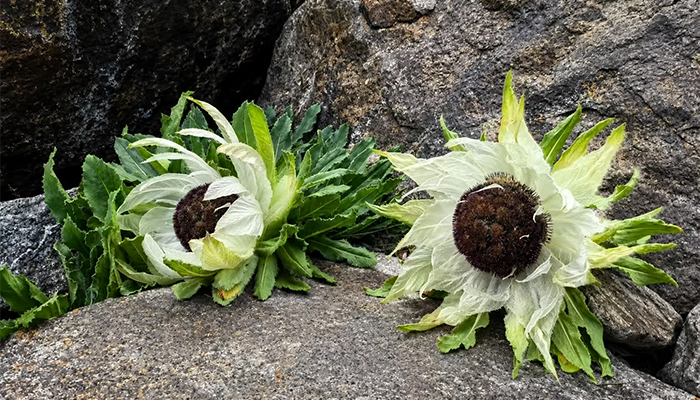 The snow lotus is one of the most iconic alpine plants in Tibet, but spotting one requires a bit of luck.
Gentian — Brilliant Blue Gems of Tibet's Grasslands
Gentians are small but beautiful flowers commonly found in alpine meadows and grasslands across Tibet. They are best known for their deep blue or violet petals, although some species also bloom in white, yellow, or purple.
Many gentians grow close to the ground, which helps them survive strong winds and cold nights. Their vivid colors make them easy to spot among green grass and rocky terrain. In some areas, they appear in groups and create small blue patches across the landscape.
The flowering season usually lasts from July to early October. You may see gentians in grassland areas around Lhasa, Nagqu, Shigatse, and other high-altitude regions. Both Yamdrok Lake and Namtso Lake are also excellent places to see gentians, where their blue flowers create a beautiful contrast with the turquoise lakes.
In addition to their natural beauty, gentians have long been valued as medicinal herbs in traditional Tibetan medicine. They have traditionally been used to help relieve inflammation, soothe sore throats, and support liver and digestive health.
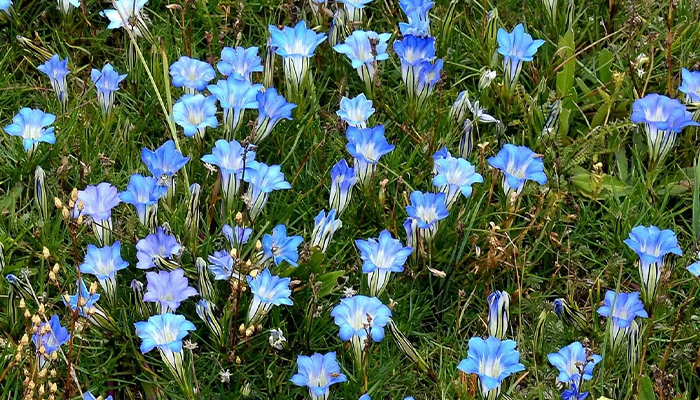 Gentians are small alpine flowers commonly found in meadows and grasslands across Tibet.
Shrubby Cinquefoil — Golden Blossoms Across Tibet's Grasslands
Shrubby cinquefoil is widely regarded as one of the authentic Gesang flowers on the Tibetan Plateau. It is a hardy shrub with bright yellow, five-petaled flowers. It often grows in grasslands, valleys, open slopes, and areas near rivers or wetlands.
From June to September, you can easily see these flowers across grasslands and mountain slopes during a Tibet overland tour. Although each flower is small, large groups of shrubs can cover the landscape with bright yellow blooms. Their cheerful color is especially striking under Tibet's bright summer sunshine.
In Tibetan culture, shrubby cinquefoil is regarded as a symbol of happiness, peace, hope, and resilience. It has also long been used in traditional Tibetan medicine. Its leaves are traditionally brewed into herbal tea, while its flowers and stems are also used for medicinal purposes.
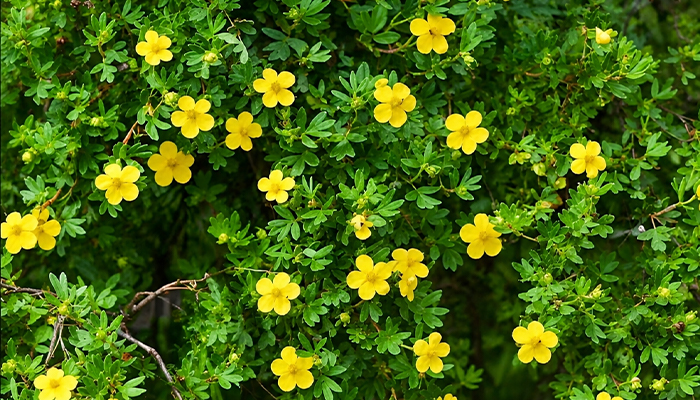 With its bright yellow blossoms, shrubby cinquefoil is widely regarded as one of the authentic Gesang flowers.
Stellera Flower — Beautiful Yet Toxic Wildflowers
The stellera flower is a distinctive wildflower found in many grassland areas of Tibet. It is often recognized by its rounded clusters of small pink, red, white, or purple flowers. From a distance, these colorful clusters create a beautiful display across open meadows, especially in the Changtang Grasslands.
Stellera plants usually grow in dry grasslands and mountain valleys. They are well adapted to high-altitude conditions and can appear in large numbers in certain areas during summer. Their flowering season generally falls between June and August.
Despite their beautiful flowers, their strong, flexible fibers have traditionally been used to make Tibetan paper, an important material for this unique handmade paper. However, stellera flowers are toxic. They are safe to photograph from a distance, but you should avoid touching or picking them.
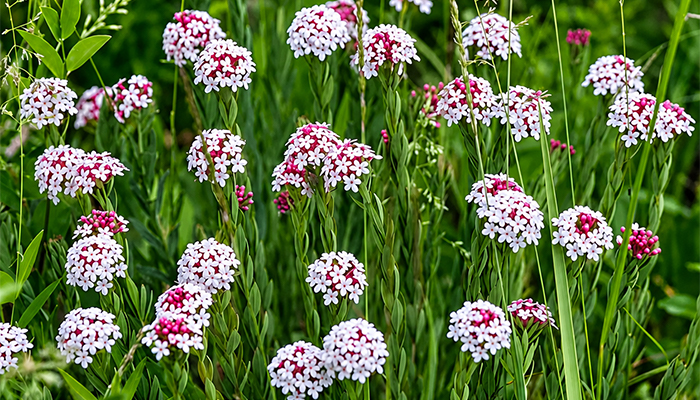 Despite their beautiful appearance, stellera flowers can be toxic.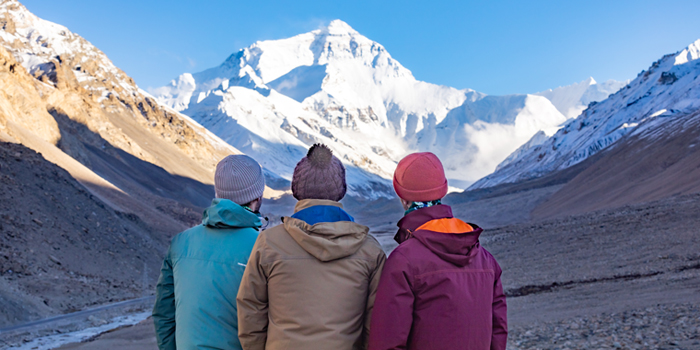
Discover Lhasa’s heritage and the majestic Everest Base Camp!
Best Places to See Tibetan Flowers
Nyingchi
Known as the "Switzerland of Tibet," Nyingchi has a relatively mild and humid climate, making it one of the richest areas for plant life on the plateau. From spring to summer, forests, valleys, and mountain slopes are filled with blooming flowers, including rhododendrons, primroses, blue poppies, and many other alpine species.
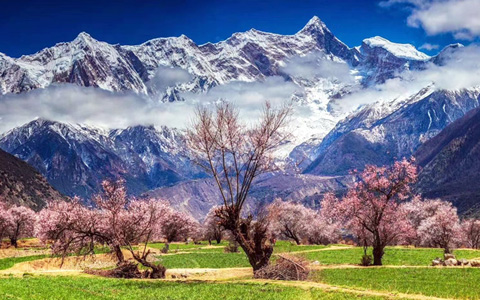
Nyingchi is also famous for its peach blossoms. From mid-March to late April, pink blossoms gradually spread across the valleys, with majestic snow-capped mountains as the backdrop. It hosts the Peach Blossom Festival every year, offering visitors spectacular natural scenery and rich cultural experiences.
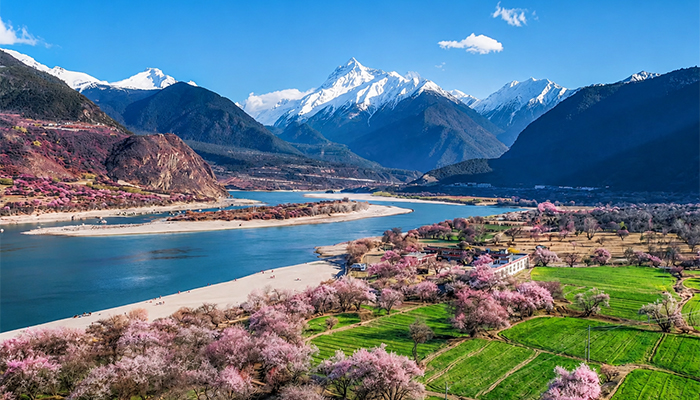 As one of the richest areas for plant life in Tibet, Nyingchi is especially famous for its peach blossoms.
Lhasa and Yamdrok Lake
If you prefer easy flower viewing without multi-day trekking, Lhasa and Yamdrok Lake are perfect choices. This itinerary combines some of Tibet's most iconic cultural and natural highlights.
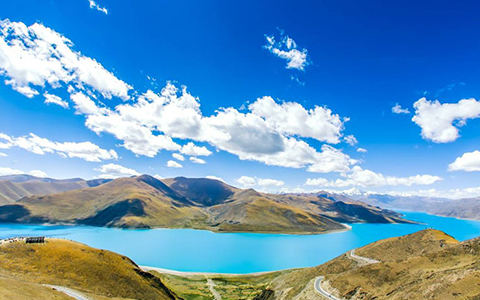
Around Lhasa, Gesang flowers often bloom beside villages, roads, and farmland. On the drive to Yamdrok Lake, colorful grasslands, alpine meadows, and mountain valleys are dotted with seasonal flowers, creating spectacular scenery around one of Tibet's most sacred lakes.
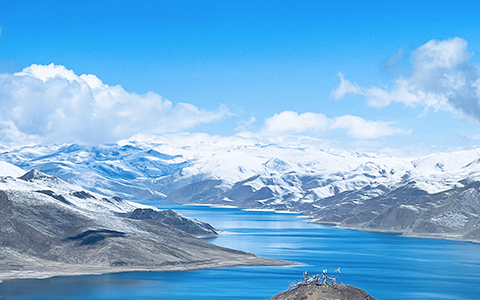
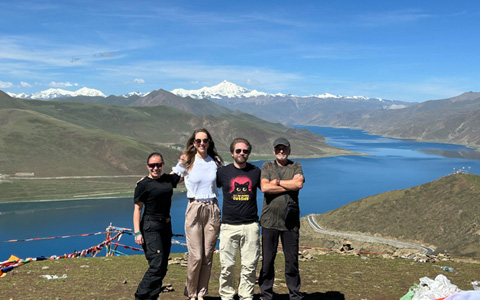
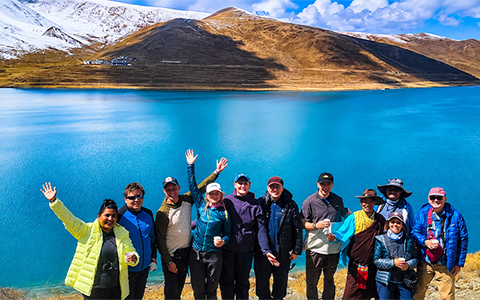
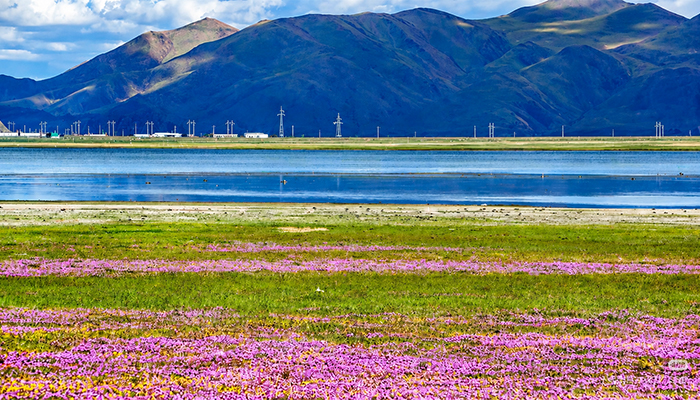 Yamdrok Lake is a great place to see Tibetan flowers against the backdrop of its turquoise waters.
Shigatse and Mount Everest Region
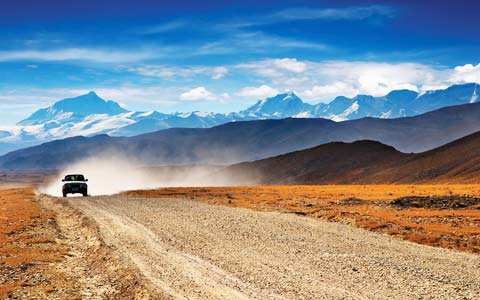
The landscapes around Shigatse and the journey to Mount Everest Base Camp are better known for dramatic mountains than dense vegetation. However, during summer, hardy alpine flowers can still be found among grasslands, river valleys, and rocky slopes. Their colorful blossoms create a striking contrast with the snow-covered Himalayan peaks.
Nagqu Grasslands
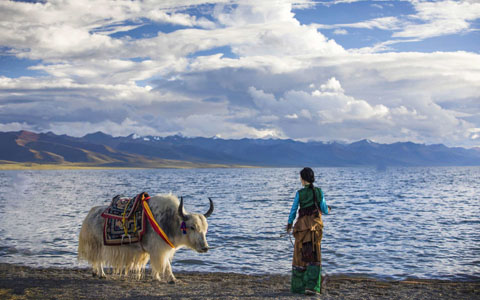
Nagqu is home to some of Tibet's largest natural grasslands. From July to August, the vast meadows become greener and are covered with countless small wildflowers, including gentians, shrubby cinquefoils, and many other alpine species. With grazing yaks and endless open skies, the scenery offers a classic view of northern Tibet.
When Is the Best Time to See Flowers in Tibet?
The best time to see flowers in Tibet is generally from May to August, although the exact flowering season depends on altitude and local climate.
In April and May, lower-elevation areas such as Nyingchi welcome the arrival of spring, with peach blossoms, primroses, and rhododendrons beginning to bloom. By June and July, flowers become more widespread across central Tibet, while alpine meadows and grasslands are filled with blooming wildflowers.
July and August are usually the best months to enjoy a wide variety of Tibetan flowers, especially around Lhasa, Yamdrok Lake, Shigatse, and Nagqu. Different flowers bloom at different elevations, and the best way to experience this diversity is to choose a Tibet itinerary that covers several regions.
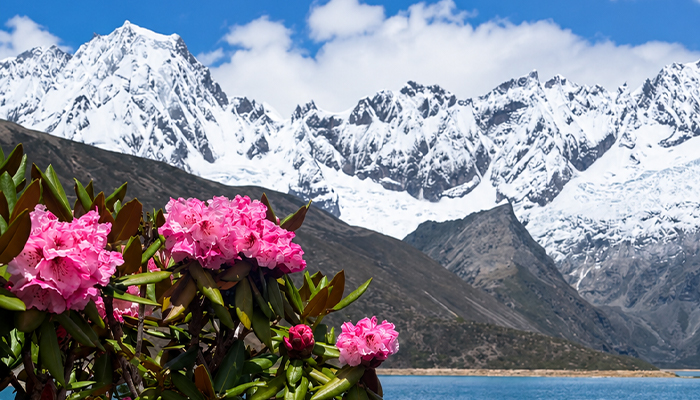 During the best seasons, you can admire colorful Tibetan flowers against the backdrop of snow-capped mountains.
Tibetan Flowers in Culture and Daily Life
Flowers have long been appreciated in Tibetan culture for their beauty and their connection with nature. Some of them carry specific symbolic meanings, and others are closely associated with local traditions and values.
For example, the Gesang flower represents happiness, hope, and good fortune, while the snow lotus is often associated with purity and resilience. In addition, some species are used to make mild herbal teas and have been valued in traditional Tibetan medicine for centuries.
During Losar (Tibetan New Year) and religious ceremonies, families and monks decorate their homes and monasteries with fresh flowers as a symbol of prayer and blessings. The colors and patterns of Tibetan flowers also appear in traditional clothing, home decorations, religious art, and local handicrafts.
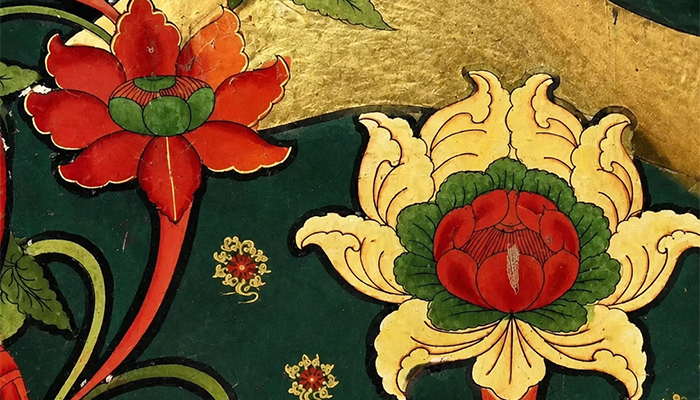 Tibetan floral patterns are commonly used in Tibetan murals.
Travel Tips for Seeing Tibetan Flowers
Choose the Right Season
Flower displays vary with the seasons and elevation. If seeing wildflowers is one of your main travel goals, plan your Tibet tour between May and August and choose an itinerary that covers different landscapes.
Respect Protected Wildflowers
Many alpine plants grow slowly, and some rare species are protected. Please enjoy them where they grow, but avoid picking flowers, digging up plants, or stepping into fragile meadows for the sake of taking photos.
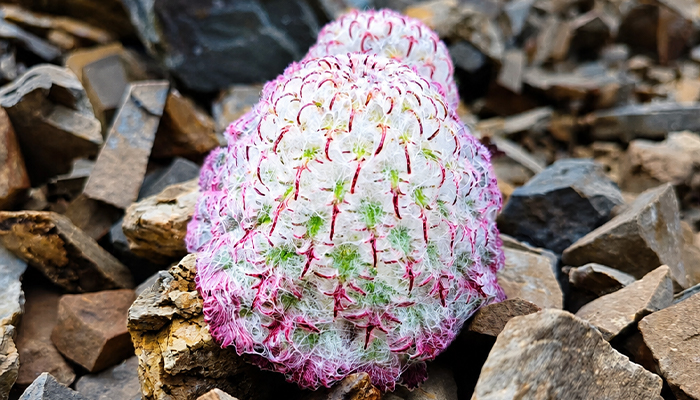 Some rare species of snow lotus in Tibet are protected, and you should avoid picking them during your Tibet trip.
Prepare for Strong Sunlight
Most flower-viewing areas in Tibet are located at high elevations, where ultraviolet radiation is much stronger than at sea level. Remember to wear sunscreen, sunglasses, and a sun hat, and drink plenty of water while exploring the outdoors.
Join an Organized Tibet Tour for the Best Flower Spots
Many of Tibet's best flower-viewing areas are located inside nature reserves or remote regions that require careful route planning. Joining an experienced Tibet tour allows you to visit the best seasonal flower spots while also exploring famous attractions such as Lhasa, Yamdrok Lake, Mount Everest Base Camp, and Nyingchi.
Quick Summary and FAQs About Tibetan Flowers
Quick Summary
Tibet is home to a remarkable variety of alpine wildflowers, from the symbolic Gesang flower and rare snow lotus to brilliant blue poppies, rhododendrons, gentians, primroses, shrubby cinquefoils, and stellera flowers. Different species bloom across forests, valleys, grasslands, wetlands, and high mountain slopes from spring through summer.
The best time for flower viewing is generally from May to August, although blooming seasons vary by elevation and region. Nyingchi, Lhasa, Yamdrok Lake, Shigatse, and the Nagqu Grasslands are among the best places to enjoy Tibet's colorful wildflowers while experiencing its spectacular landscapes and unique Tibetan culture.
When visiting Tibet's flower-viewing areas, always respect protected plants and fragile alpine ecosystems. Joining a well-planned Tibet tour allows you to experience different flowering regions, famous landmarks, and seasonal scenery in one unforgettable journey.
Q1: What is the most famous flower in Tibet?
The Gesang flower is the flower most closely associated with Tibet. Although "Gesang" does not refer to a single botanical species, it is widely regarded as one of the most representative flowers of the Tibetan Plateau.
Q2: What does the Gesang flower symbolize?
The Gesang flower symbolizes happiness, hope, resilience, and good fortune. It is widely regarded as a symbol of a positive and meaningful life.
Q3: Where can I see wildflowers in Tibet?
Nyingchi, Lhasa, Yamdrok Lake, Shigatse, and the Nagqu Grasslands are among the best places to see Tibetan wildflowers. Each region offers different flowers and landscapes.
Q4: Can I pick wildflowers in Tibet?
No. Many wildflowers are protected or grow in fragile alpine environments. It is best to admire and photograph them without disturbing their natural habitat.
Q5: Can I see snow lotus during a Tibet tour?
Possibly, but it is not common. Snow lotus grows in remote high-altitude areas, so seeing one depends on your route, the season, and a bit of luck.
Q6: Which Tibet tour is best for seeing flowers?
Tours visiting Nyingchi in spring or combining Lhasa, Yamdrok Lake, Shigatse, and Mount Everest during summer offer some of the best opportunities to enjoy Tibetan flowers alongside the region's iconic scenery.
Q7: When is the best time to see flowers in Tibet?
The best time is generally from May to August. July and August usually offer the widest variety of blooming wildflowers across Tibet.
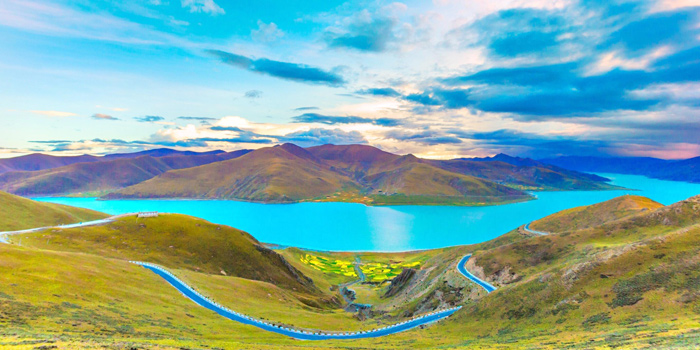
Explore Lhasa’s culture and the beauty of Yamdrok Lake in one journey!
Conclusion
Tibetan flowers offer a unique way to experience the natural beauty and cultural richness of the Tibetan Plateau. From the symbolic Gesang flower and colorful rhododendrons to rare alpine plants such as Himalayan blue poppies and snow lotus, each flower reflects the remarkable resilience of life on the Tibetan Plateau.
If you visit Tibet during the flowering season, take time to slow down and appreciate these remarkable plants. The valleys of Nyingchi, the sacred landscapes around Yamdrok Lake, the grasslands of Nagqu, and the Himalayan hillsides near Mount Everest are all ideal places to admire Tibetan flowers.
Want to learn more about a specific species of Tibetan flower or need help planning a Tibetan flower-viewing trip? Please feel free to contact us, and we will do our best to help you enjoy an unforgettable Tibet travel experience.
 Facebook
 Tweet
Tweet
 Linkedln
 Reddit


Ask a Quick Question