









Top 10 Mistakes People Often Make When Visiting Tibet
Top 10 Mistakes People Often Make When Visiting Tibet
 Mistake 1: Think Tibet is Not Safe for Travel
Mistake 2: Forget to Apply for a Tibet Travel Permit
Mistake 3: Not Book with an Authorized Travel Agency
Mistake 4: Think the Altitude Sickness in Tibet Can be Scary
Mistake 5: Pack the Wrong Clothes for Tibet’s Weather
Mistake 6: Visit without Understanding Local Customs
Mistake 7: Think Winter in Tibet is Too Cold to Travel
Mistake 8: Try to Book the Tibet Train Ticket Yourself
Mistake 9: Think Tibet is an Expensive Place to Travel
Tibet is a truly unique destination, known for its breathtaking high-altitude landscape, rich Buddhist culture and distinct apline climate. Even with careful research, it’s easy to make a few mistakes when planning a trip to this extraordinary land.
Some travelers forget to book with an authorized local travel agency, others may overestimate the effects of altitude sickness, while some pack the wrong clothes for Tibet’s unpredictable weather.
To help you make the most of your journey, we’ve put together the top 10 mistakes people often make when visiting Tibet - and how to avoid them. Read on to learn about permit requirements, cultural etiquette, trip costs, visiting in winter, and much more - so you can explore Tibet with confidence and ease.
Mistake 1: Think Tibet is Not Safe for Travel
Safety concerns are often raised when people consider traveling to Tibet. However, Tibet is a very safe place to travel. The overall crime rate in the region is quite low, and the local people are known for their hospitality and friendliness toward tourists.
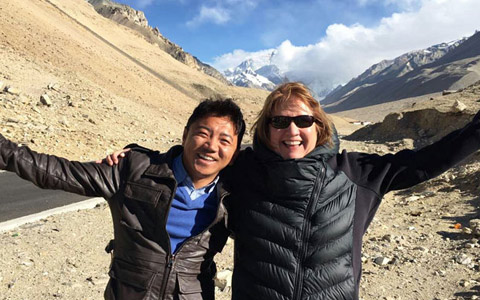
The infrastructure in Tibet has greatly improved nowadays, making travel safer and more convenient. Well-maintained roads have been built in many places, and you can even drive directly to the Everest Base Camp. Many hotels are also equipped with modern facilities to ensure a comfortable stay.
Besides, for international tourists to Tibet, you will travel with a local guide as regulated by local policy. In this way, you can enjoy a smooth and safe journey in Tibet, since your guide can assist you in navigating the complex terrain and understanding the unique local culture.
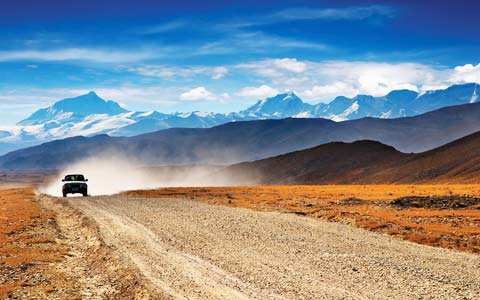
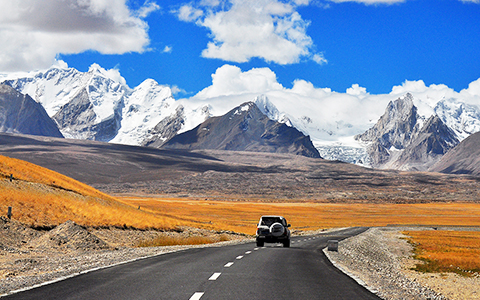
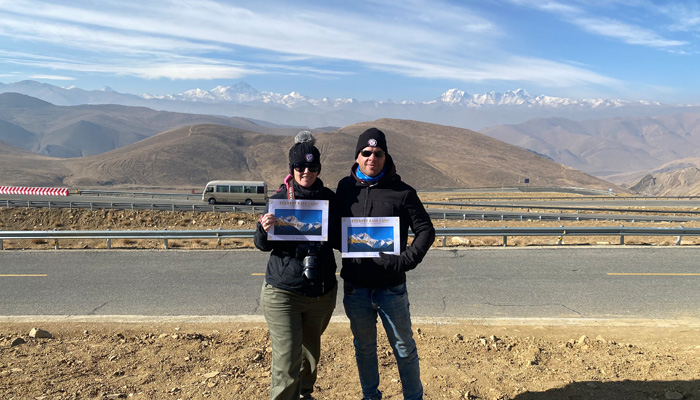 The road to Mount Everest Base Camp in Tibetan side is well-paved.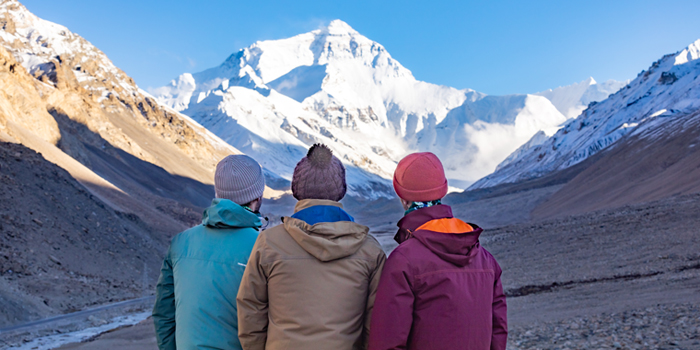

Join our most popular Lhasa and EBC tour for a smooth experience!
Mistake 2: Forget to Apply for a Tibet Travel Permit
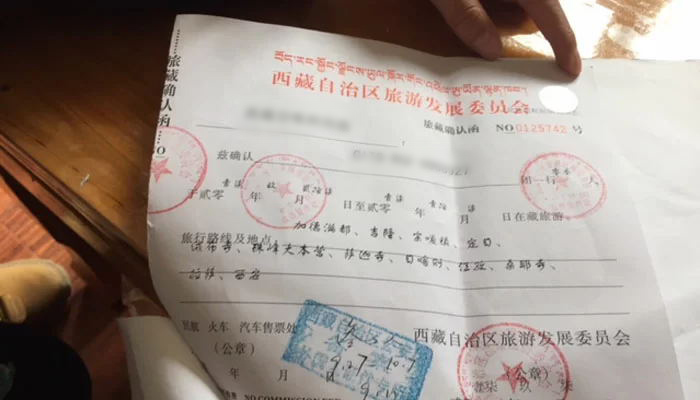
Unlike other destinations in China, Tibet requires international visitors to obtain a Tibet Travel Permit, in addition to a Chinese Visa. Without this permit, you cannot even board a train or flight to Tibet.
The Tibet Travel Permit must be obtained through a registered travel agency like us after you book a pre-arranged tour. Don’t worry - we make the process simple: just send us copies of your passport and Chinese visa, and we’ll handle the rest.
It usually takes about 8 to 9 working days to process the permit, plus a few additional days to deliver it to your address in mainland China. To ensure a smooth process, it’s recommended to contact us at least 20 days in advance for the application.
 Tibet Travel Permit is a must for touring Tibet.
Mistake 3: Not Book with an Authorized Travel Agency
Independent travel is not allowed in Tibet for international tourists. So, you must contact a registered travel agency to join an organized tour. The agency will also handle your permits, hotels, transportation, and other logistics.
In this case, it is important to choose an authorized travel agency to ensure your tour goes smoothly. As a local travel agency with over 20 years of experience, we are honored to be the top choice of thousands of international tourists.
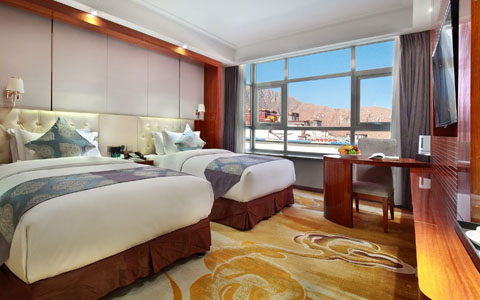
We never use third-party contractors and are always committed to sharing the most authentic side of Tibet with our clients. Traveling with us, you will enjoy a 100% guaranteed Tibet Travel Permit, professional English-speaking Tibetan guides, comfortable vehicles with experienced local drivers, quality hotels, and more.
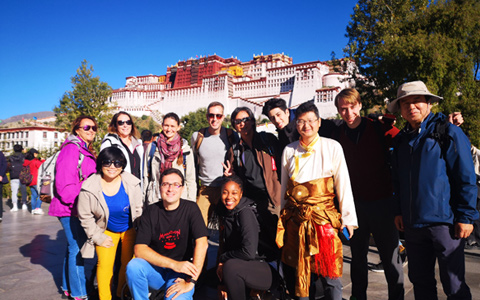
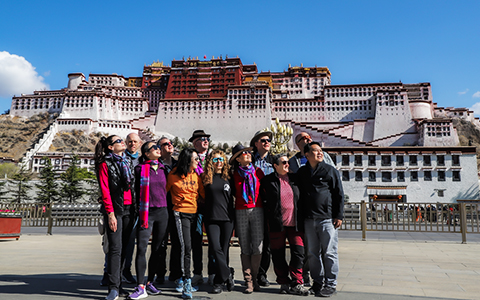
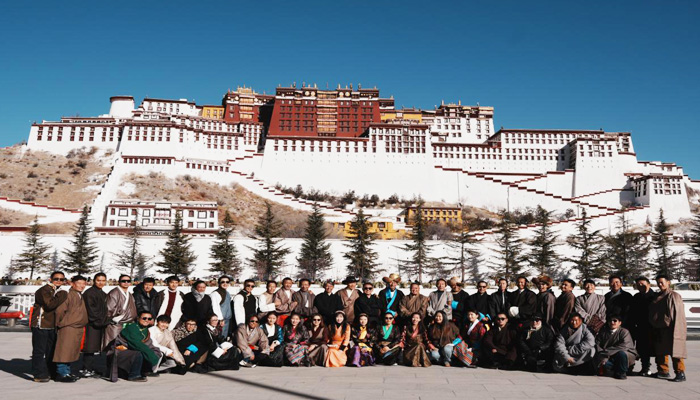 We have a team of professional Tibetan local guides and travel experts.
Mistake 4: Think the Altitude Sickness in Tibet Can be Scary
Altitude sickness, also known as acute mountain sickness (AMS), is a common occurrence for visitors to Tibet. The symptoms include headache, dizziness, fatigue, nausea, and shortness of breath. AMS happens because of the high altitude and the thinner air in Tibet.
However, altitude sickness is not as terrifying as many people assume, since most of the symptoms will gradually disappear after you acclimate to the plateau. And there are several things that you can do to reduce the risk of getting altitude sickness.
One of the most effective ways to give your body enough time to acclimatize. When you arrive in Tibet, it is recommended that you spend at least two days in Lhasa to adjust to the altitude before traveling to other higher areas.
During this time, avoid strenuous activities and get enough rest. Drink plenty of water and eat more high-protein foods. In addition, it is a good idea to bring medication for altitude sickness, such as Diamox, and consult your doctor before your trip to Tibet.
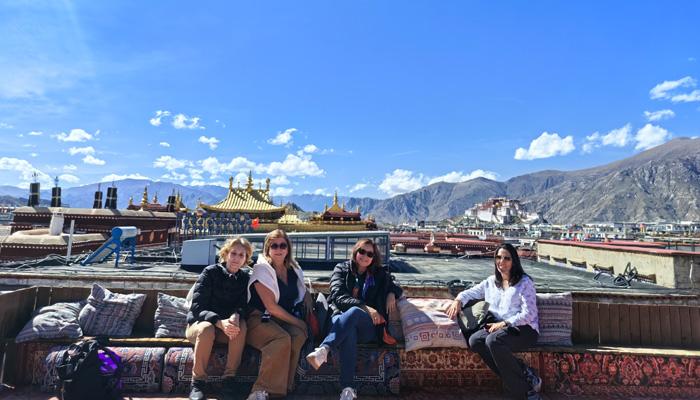 It is wise to stay in Lhasa for a couple of days to acclimate to the high altitude.
Our Lhasa to Everest Base Camp tour follows a gradual ascent for a comfortable journey.
Mistake 5: Pack the Wrong Clothes for Tibet’s Weather
The weather in Tibet is changeable and unpredictable - sunny one moment and rainy the next. Because of the high altitude, the sun is strong during the daytime, but the temperature drops quickly at night. Without realizing this, many travelers end up packing either too lightly or too heavily.
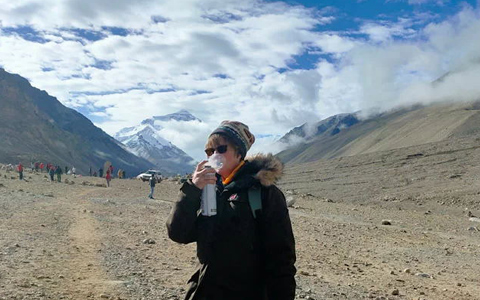
The best approach is to dress in layers. Bring a warm down jacket, fleece, and thermal wear, especially if you plan to visit mountain areas like Everest Base Camp. A hat, sunglasses and sunscreen are must-haves to protect from strong UV rays.
Even in summer (July to August), the mornings and evenings can be chilly, so a warm coat is necessary in addition to the lightweight shirts and T-shirts for daytime. In winter, temperatures in Lhasa can still reach 10°C during the day, but nights are quite freezing, so pack accordingly.
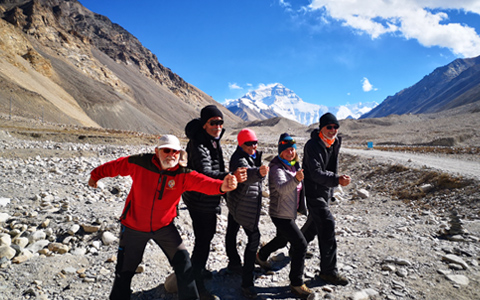
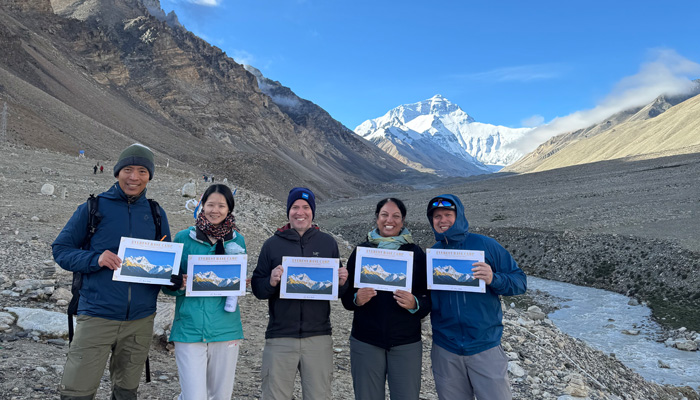 Dressing in layers is recommended when travel to Tibet Everest Base Camp.
Mistake 6: Visit without Understanding Local Customs
Beyond its breathtaking natural wonders, Tibet is also known for its deep religious beliefs and rich cultural traditions. It is important to respect the local customs when visiting the region.
For example, always walk clockwise when you circle a Tibetan monastery, stupa, or Barkhor Street. Ask for permission before taking photos of Tibetan monks or locals. Never touch people’s heads or step on the thresholds when entering a temple. Also, avoid swimming in the holy lakes in Tibet.
If you are not sure about any gesture or local custom, simply ask your local guide for advice. As long as you show your respect, local people will always greet you with friendly smiles.
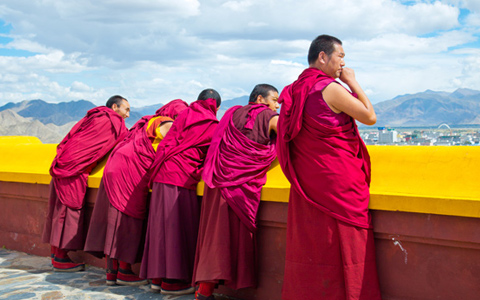
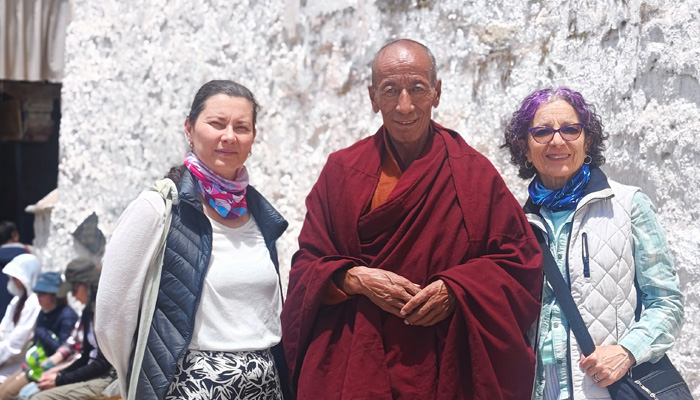 Always ask for permission before you take photos of Tibetan monks or local people
Mistake 7: Think Winter in Tibet is Too Cold to Travel
While it is true that Tibet can be very cold in winter, it is not necessarily too cold to travel. Some areas of Tibet, such as Lhasa and Shigatse, have relatively mild winters, with daytime temperatures hovering around 10°C (50°F) and only occasional snowfall. Even Everest Base Camp is accessible during the winter months.
In fact, winter (November to March) can be a good time to visit Tibet. Fewer crowds make for a quieter travel experience, while there are often discounted prices on flights, hotels, and even admissions. When visiting Tibet in winter, you may also have a chance to attend authentic local festivals, such as the Tibetan New Year.
Just remember to check the weather forecast and pack accordingly, with warm layers and appropriate gear for cold temperatures.
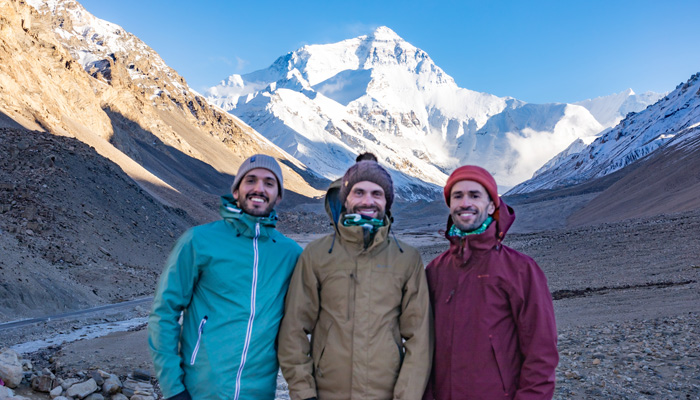 You can even visit the Everest Base Camp in Tibet in winter.
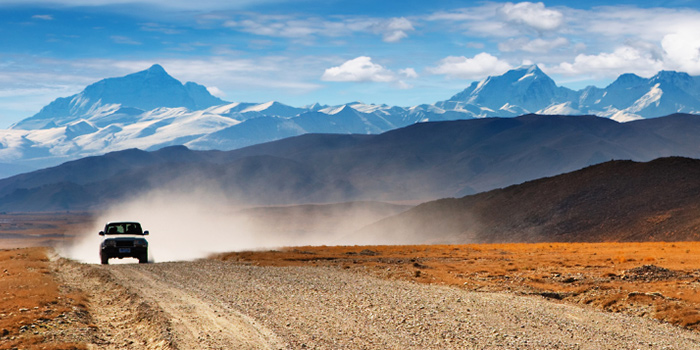
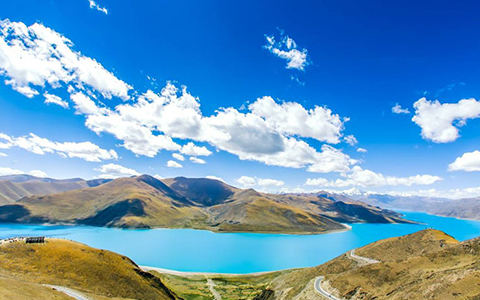
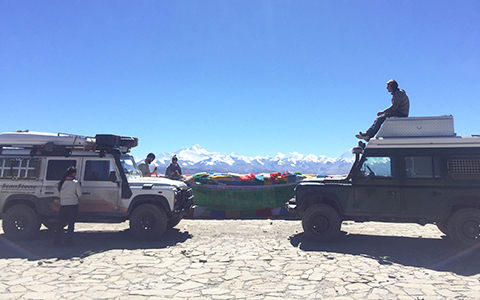
Explore exotic Tibet on this overland journey across the Roof of the World!
Mistake 8: Try to Book the Tibet Train Ticket Yourself
Many travelers choose to take the Tibet train to reach the plateau, as it offers breathtaking scenery along the Qinghai-Tibet Railway. However, for international tourists, it could be hard and complicated to get a Tibet train ticket on your own, especially during the peak season (May to October).
Due to the limited number of seats and high demand from both domestic and international travelers, the train tickets often sell out quickly. The best way to secure a ticket is to let a trusted travel agency like us book it for you.
As the top local travel agency with years of experience, we guarantee you a Tibet train ticket as long as you book your tour with us. Simply share your travel plans, and we will ensure your Tibet journey is smooth and hassle-free.
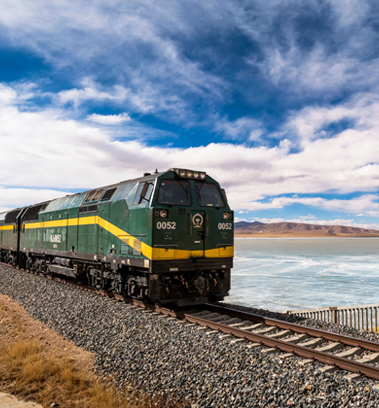
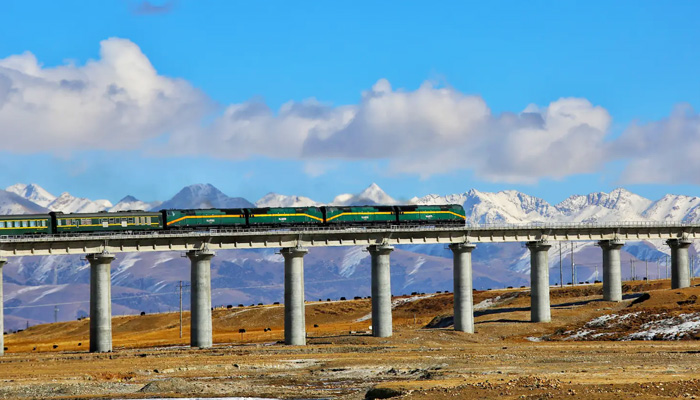 The train to Tibet offers stunning scenery along the Qinghai-Tibet Railway.
Mistake 9: Think Tibet is an Expensive Place to Travel
While it is true that traveling to Tibet can be expensive, there are many ways to make it more affordable. For example, you can opt for budget hotels and hostels, which are mostly clean and comfortable. Also, eating at local restaurants can cut down your expenses.
Joining a small group tour is also a great way to save money, as the overall cost of the tour is shared among the group. You can significantly reduce expenses for transportation, guides, and accommodations by traveling this way.
In addition, if you plan your trip during the low season or shoulder season, you can often find discounts on flights, hotels, attractions, etc. Always try to book your tickets early - great deals are often available for those who plan ahead.
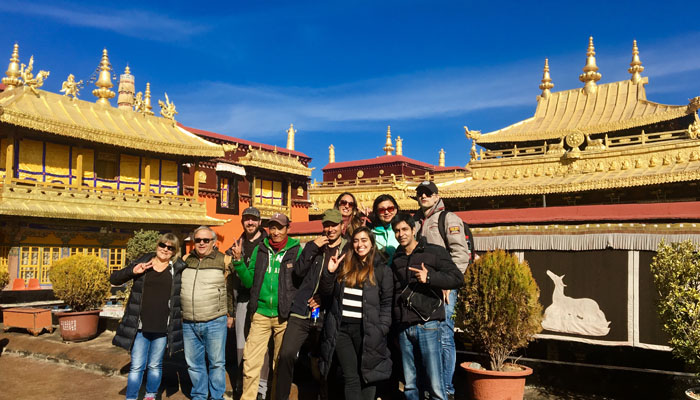 You can join our Tibet samll group tour to save the travel cost.
Mistake 10: Forget to Carry Enough Cash
Nowadays, mobile payments like Alipay and WeChat Pay are popular and widely accepted in Tibet, but cash is still the best option for smaller purchases and in remote areas.
ATMs and credit card services are available in larger cities like Lhasa and Shigatse, but it’s best to exchange enough cash before heading to remote areas such as Everest Base Camp or Mount Kailash.
In these areas, ATMs can be scarce and unreliable, and mobile signals may be unstable. Having cash on hand allows you to easily pay for meals, water, and souvenirs without any inconvenience.
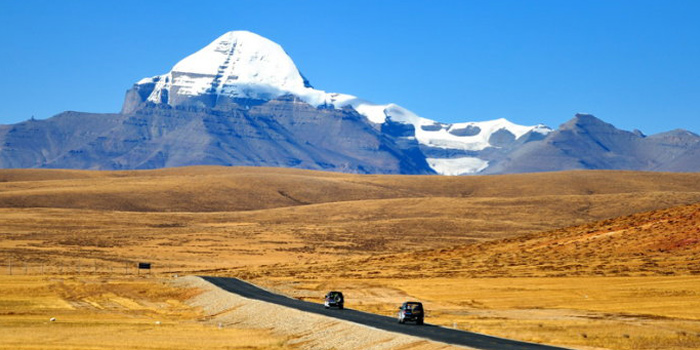
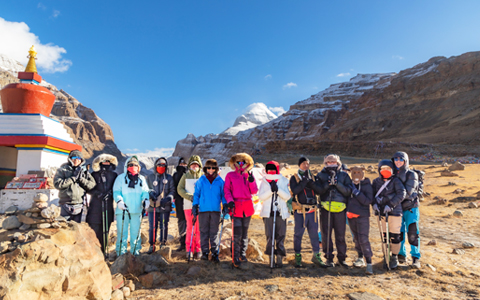
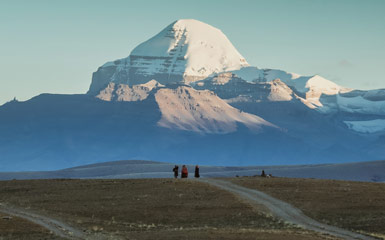
Join our best-selling Kailash Manasarovar tour for a hassle-free journey!
Conclusion
To truly enjoy a wonderful adventure to Tibet, proper preparation and awareness are essential. Hopefully, this guide has cleared up the most common mistakes and misunderstandings about traveling in Tibet, helping you plan your trip more smoothly.
If you still have any questions about visiting Tibet, feel free to contact us or book your tour today! We are always here to help you make your dream journey to Tibet come true!


Ask a Quick Question