











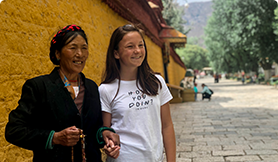
Discover Tibetan Dance: A Cultural Experience You Shouldn’t Miss in Tibet
Beyond the majestic snow-capped mountains and sacred monasteries, Tibetan dance is a unique and vibrant cultural element that you should not miss when traveling to Tibet. Tibetan dance is not simply a form of entertainment. It is a living tradition that has been passed down for centuries, reflecting the spiritual beliefs, social connections, and everyday rhythms of Tibetan life.
For travelers, experiencing Tibetan dance offers something that sightseeing alone cannot provide. It creates a rare opportunity to connect with local culture in a relaxed way. Whether you are watching a masked Cham dance performed by monks or joining locals in a lively circle dance, it provides a deeper understanding of Tibet.
Quick Facts about Tibetan Dance:
- Main Types: Guozhuang, Reba, Xianzi, Cham (religious dance)
- Where to See: Lhasa, Norbulingka Park, monasteries, cultural shows
- Best Time: Festivals like Shoton Festival and Tibetan New Year
- Daily Life: Common in parks, picnics (Linka), and local gatherings
- Participation: Visitors can sometimes join circle dances like Guozhuang
- Cultural Meaning: Combines religion, storytelling, and social interaction
- Performance Style: From spiritual rituals to lively folk celebrations
- Recommended Duration: 1–2 hours for a performance or cultural show
Contents
 The Essence of Tibetan Dance: What Makes It Unique?
Types of Tibetan Dance: From Folk Celebrations to Sacred Rituals
Where Can You Watch Tibetan Dance in Tibet: Top Places and Venues
Best Time to Experience Tibetan Dance
How to Experience Tibetan Dance as a Traveler
Travel Tips for Watching Tibetan Dance
The Essence of Tibetan Dance: What Makes It Unique?
Tibetan dance stands apart from many other cultural dance forms because of its deep connection to both spirituality and daily life. Unlike many forms of dance that are limited to staged performances, Tibetan dance exists everywhere, from monastery courtyards to open grasslands, from formal ceremonies to casual gatherings.
First and foremost, Tibetan dance is a form of expression shaped by environment and belief. The vast plateau, the rhythm of pastoral life, and the influence of Tibetan Buddhism all contribute to its distinctive style. Movements are often grounded, flowing, and circular, reflecting harmony with nature and the cyclical concept of life.
Second, Tibetan dance carries deep symbolism. Many movements, gestures, and costumes have spiritual meanings rooted in Tibetan Buddhism. In religious dances, each movement may represent philosophical ideas such as compassion, protection, or enlightenment.
Third, Tibetan dance stands out for its wide accessibility. Unlike highly technical dance forms that require systematic learning, Tibetan folk dances are often simple and inclusive. This allows not only locals but also visitors to participate and experience the joy firsthand.
In essence, Tibetan dance is not just something you can watch — it’s something you can feel and, sometimes, even become part of.
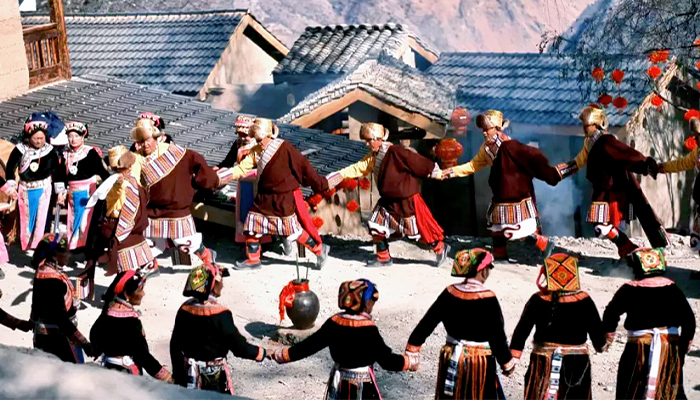 Tibetan dance is not simply a form of entertainment. It is closely connected to both spirituality and daily life.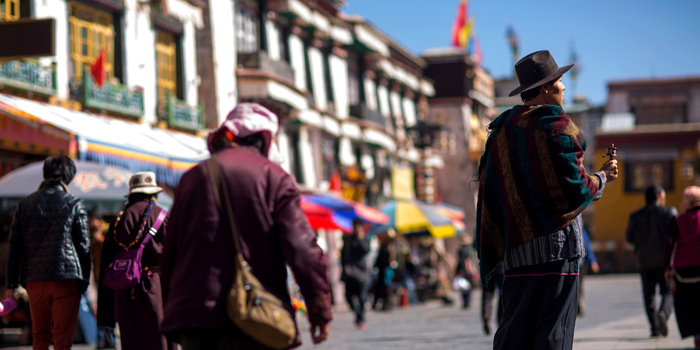

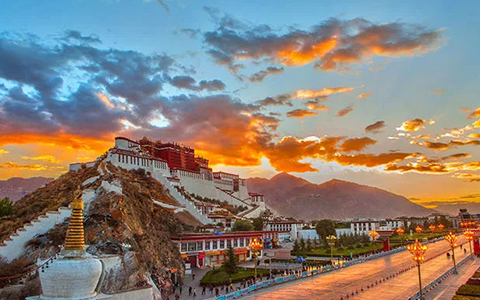
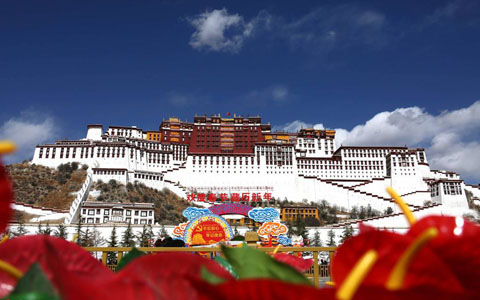
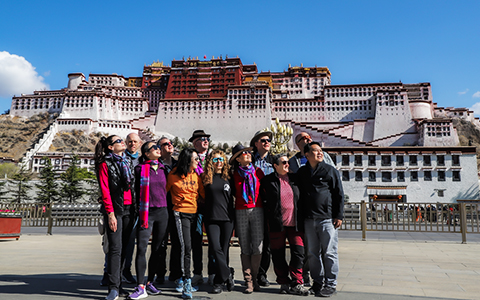
Discover Lhasa’s iconic landmarks while experiencing the city’s rich Tibetan culture.
Types of Tibetan Dance: From Folk Celebrations to Sacred Rituals
Tibetan dance is not a single unified form but a diverse collection of styles that vary across regions and cultural contexts. Each type of dance carries its own rhythm, meaning, and atmosphere, offering travelers different ways to experience Tibetan culture.
Most Popular Folk Dances: Guozhuang, Reba, and Xianzi
Among all Tibetan dances, Guozhuang is the most commonly seen and easiest to join for travelers. Also known as “Guozhuo” or “Gezhuang”, it is a circle dance performed by groups of people, often hand in hand, moving rhythmically around a central point. You can easily see it in parks, festivals, and family gatherings.
In contrast, Reba dance is the most technically demanding and difficult traditional folk dance. It combines dance, tambourine playing, acrobatics, and complex spins and flips. Although it is difficult for travelers to take part in, you can still enjoy its visually striking performance.
Xianzi dance is one of the most widespread recreational dances in Tibet. Characterized by long-sleeved movements, accompaniment by traditional string instruments, and circular group dancing, it stands out for its graceful and lyrical style.
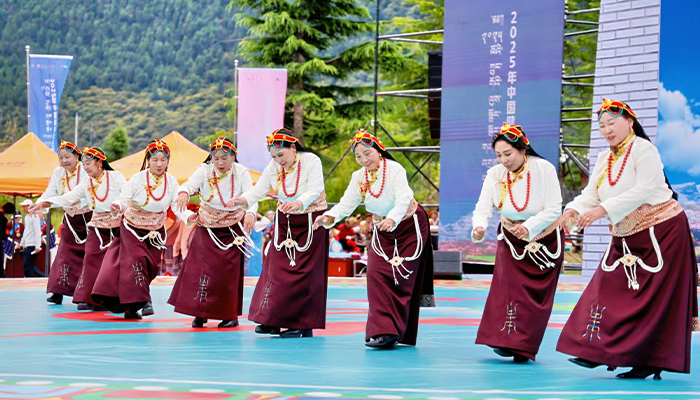 Guozhuang is one of the most popular folk dances in Tibet and is easy for travelers to join.
Sacred and Mysterious Religious Dances: Cham Dance in Monasteries
Cham dance is performed by monks in monasteries, wearing elaborate masks and costumes that often represent deities, demons, or spiritual figures. It is a religious ritual rather than entertainment. This dance can be found in major monasteries such as the Drepung Monastery, Sera Monastery, and Tashilhunpo Monastery.
Rooted in Tibetan Buddhism, Cham dance aims to pray for peace, eliminate disasters, and spread spiritual teachings. It is not performed every day, but takes place during specific religious festivals. Each movement carries deep meaning, often depicting the triumph of good over evil.
The dance involves traditional Tibetan instruments like drums, cymbals, and trumpets. The atmosphere is solemn yet powerful, and viewers should maintain silence and respect. For travelers, witnessing a Cham dance is a rare opportunity to experience Tibetan Buddhism in a visual and immersive way.
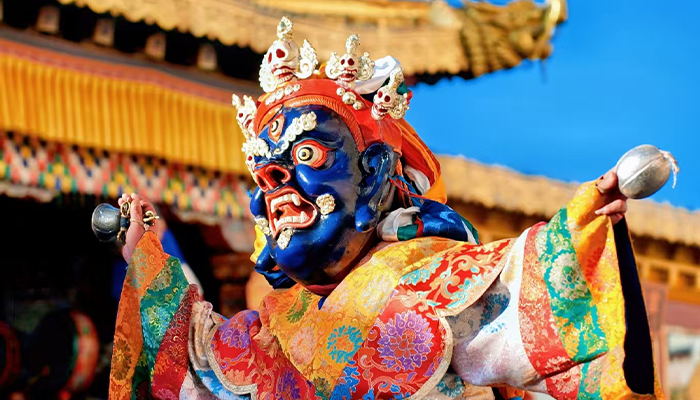 Cham dance is a religious ritual rather than entertainment and is performed by monks in monasteries.
Elegant and Traditional Court-Style Dances: Gar and Langma
Gar and Langma dances represent a more refined and elegant side of Tibetan culture. These dances are associated with historical royal courts and aristocratic settings.
“Gar,” in Tibetan, means song and dance or musical performance. It is traditionally performed during major ceremonies, such as welcoming or seeing off the Dalai Lama or the Panchen Lama. In its traditional form, it is mainly performed by men, though in modern stage performances, women may also take part.
Langma, which means “indoor song and dance” in Tibetan, is a classical form of Tibetan music and dance. It is primarily centered on singing, accompanied by graceful movements, with themes often celebrating nature, expressing respect, and conveying love. Langma is typically performed by one to three performers, often in dedicated venues known as Langma halls.
Where Can You Watch Tibetan Dance in Tibet: Top Places and Venues
Tibetan dance can be experienced in different regions, each offering its own unique atmosphere. Choosing the right location can significantly enhance your experience.
Lhasa: Barkhor Street, Norbulingka, and Nanshan Park
As the cultural heart of Tibet, Lhasa offers a wide range of opportunities to experience both folk and religious dances. In places like Barkhor Street, Norbulingka Park, and Nanshan Park, locals gather in the evenings to dance together. These are not staged performances but authentic expressions of daily life.
In addition, during specific Tibetan religious festivals and ceremonies, you can watch Cham dance in major monasteries in Lhasa, including Drepung Monastery, Sera Monastery, and Ganden Monastery.
.jpg "Drepung Monastery in Lhasa") Drepung Monastery is a popular destination in Lhasa to watch Cham dance during major religious festivals.
Drepung Monastery is a popular destination in Lhasa to watch Cham dance during major religious festivals.Shigatse: Tashilhunpo Monastery and Local Festivals
As the second-largest city in Tibet, Shigatse is also an ideal place to watch a variety of Tibetan dances. In addition to common folk dances, you can get closer to religious dances such as Cham in this city, especially during important festivals.
As the home of the famous Tashilhunpo Monastery, Shigatse offers a deeper understanding of Tibetan spiritual traditions through its religious performances.
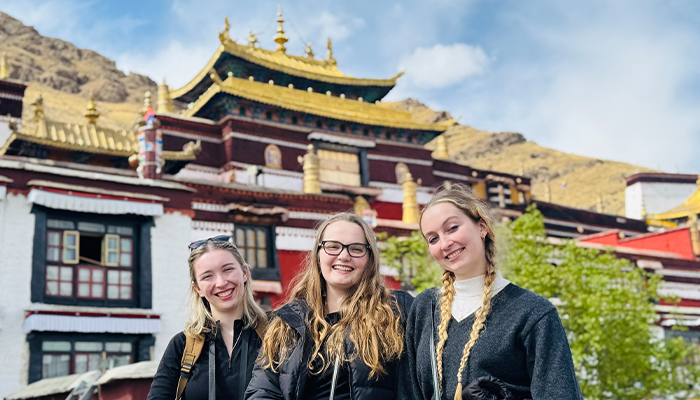 Tashilhunpo Monastery is ideal for watching religious dances in Shigatse.
Chamdo: Xianzi and Reba Dance Traditions
As the eastern gateway to the Tibet Autonomous Region, Chamdo serves as an important place of origin for both Xianzi and Reba dance. This city offers a more dynamic and expressive dance culture, and performances here are less commercialized and more authentic. If you want to experience untouched local culture, Chamdo is an excellent choice.
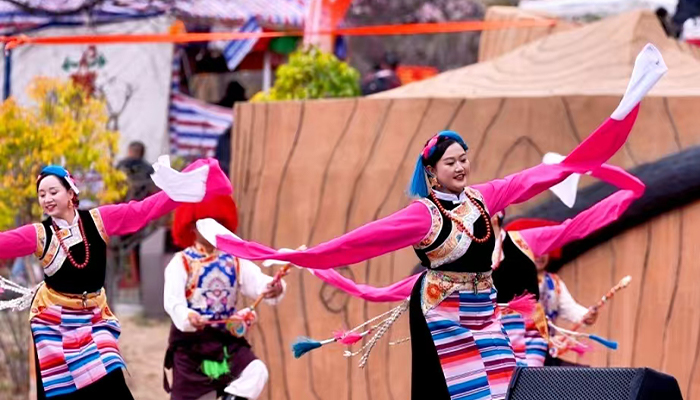 Xianzi dance is characterized by long-sleeved movements and a graceful style.
Nyingchi: Folk Dances in Natural Settings
In Nyingchi, Tibetan dances are often more relaxed and closely connected to nature, with Guozhuang and local Gongbu folk dances being the most commonly seen forms. Dances here often take place outdoors, set against a backdrop of lush landscapes and natural surroundings. The combination of graceful dance and stunning scenery creates an immersive experience.
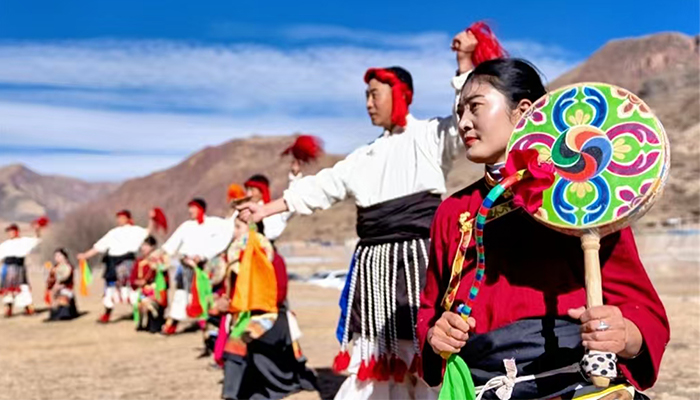 Tibetan dancers perform Reba dance against a striking natural backdrop.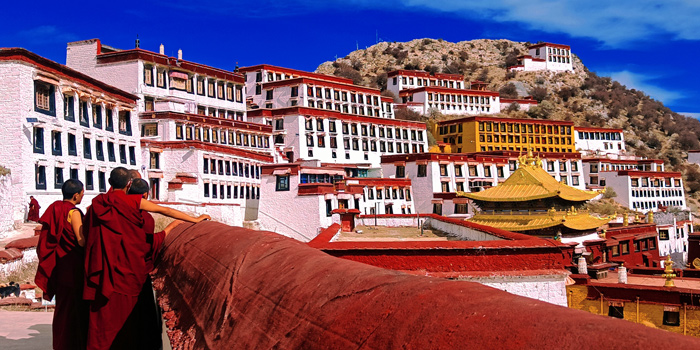
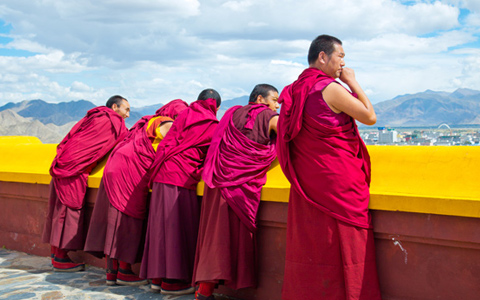
Explore historic monasteries and gain a deeper insight into Tibetan spiritual life.
Best Time to Experience Tibetan Dance
Major Festivals: The Shoton Festival and Tibetan New Year
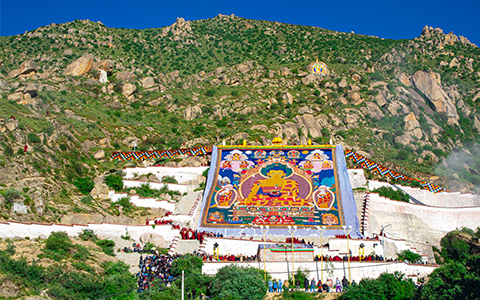
Major Tibetan festivals are the best time to experience Tibetan dance in its full glory. Events such as the Shoton Festival (August 12, 2026) and the Tibetan New Year (typically in February) bring together large-scale performances, religious rituals, and community celebrations.
During these periods, dance becomes a central part of the festivities, filling public spaces and monasteries with energy and color. The atmosphere is lively and immersive, allowing travelers to experience both the social and spiritual aspects of Tibetan culture.
Daily Performances at Parks and Public Spaces
If you do not travel during festival season, you can still enjoy Tibetan dance, as it is an important part of daily life. In cities like Lhasa, it is common to see locals gathering in parks during the evening to dance together.
These everyday moments provide a more relaxed and authentic experience, where you can both watch the performances and become part of them.
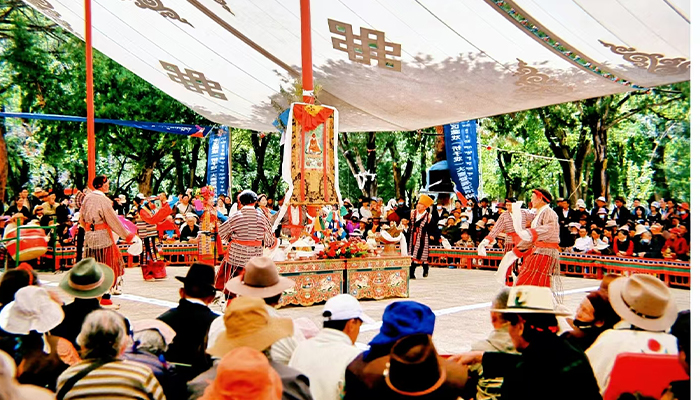 Tibetan dance performances are an important part of the Shoton Festival, creating a lively atmosphere.
How to Experience Tibetan Dance as a Traveler
Watch Professional Performances
Watching professional performances is often the most convenient option for first-time visitors. These shows clearly present multiple dance styles with colorful costumes, flowing movements, and high-quality production. They offer a general introduction of Tibetan dance and help you quickly understand different styles.
Join Folk Dance Gatherings
For a more authentic experience, joining local dance gatherings is highly recommended. In many Tibetan cities, especially Lhasa, locals gather in public spaces to dance together in the evenings. These gatherings are informal and welcoming, making it easy for travelers to participate.
Even if you are unfamiliar with the steps, common folk dances like Guozhuang are easy to follow. Simply follow the group, hold hands, and step to the rhythm. It brings you closer to local life and leaves you with a rewarding experience that can be a highlight of your Tibet tour.
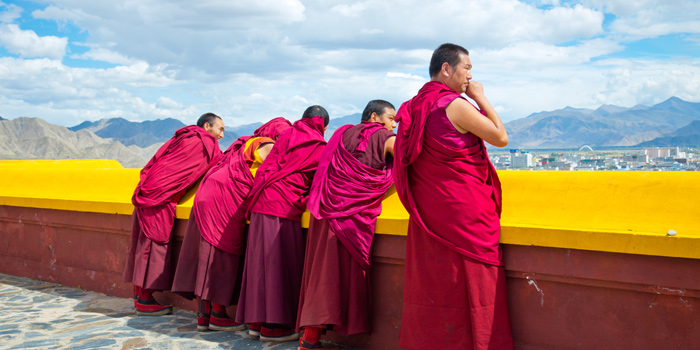
Journey beyond Lhasa to discover Central Tibet’s cultural treasures and stunning landscapes.
Travel Tips for Watching Tibetan Dance
Arrive early for popular events
If you want to watch formal Tibetan dance during grand festivals or ceremonies, it is essential to arrive early. This allows you to secure a good viewing spot and avoid crowds. It is also advisable to check the performance schedule in advance and arrive at least 30 minutes to an hour before it begins.
Dress appropriately
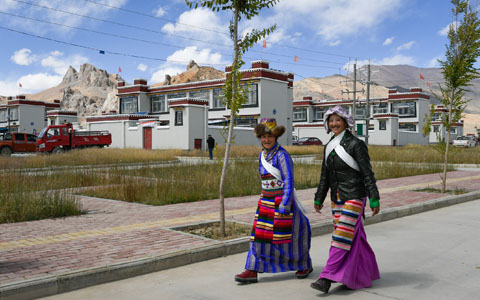
Dressing appropriately shows respect for local customs and enhances your overall experience. Avoid overly casual or revealing clothing, especially when visiting religious sites. If you’d like to join any folk dances, trying some Tibetan costumes will definitely give you a more immersive experience.
Photography etiquette
Photography is generally allowed, but it is always polite to ask for permission before taking pictures of people or religious activities. Some religious dances strictly prohibit photography, so be sure to follow all rules and guidelines.
Altitude and physical considerations
Tibet is a high-altitude destination, so being mindful of altitude is equally important. Taking things slowly, staying hydrated, and avoiding overexertion will help you enjoy the experience more comfortably. Most dances are gentle and accessible, but it’s always important to listen to your body.
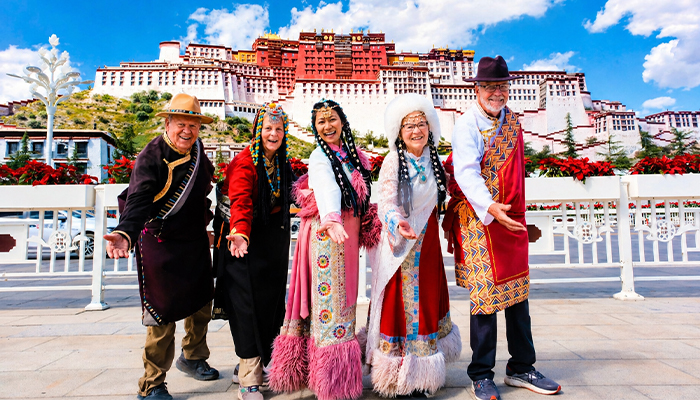 Trying traditional Tibetan costumes and joining easy folk dances will definitely be an unforgettable experience.
Summary and FAQs about Tibetan Dance
Quick Summary
Tibetan dance is a living cultural treasure blending folk joy and sacred ritual. From accessible folk dances like Guozhuang to graceful Xianzi and highly skilled Reba, each style reflects different aspects of Tibetan culture, while sacred Cham dances offer a rare glimpse into Tibetan Buddhism.
These dances can be experienced across most regions of Tibet, either during major festivals or in daily gatherings in parks and public spaces. Whether watching professional performances or joining local dances, experiencing Tibetan dance allows travelers to connect with local culture in a meaningful and memorable way.
Q1: What is Tibetan dance?
Tibetan dance is a traditional cultural expression that combines music, movement, and storytelling. It ranges from social folk dances to sacred ritual performances and elegant court-style dances.
Q2: Where can I watch Tibetan dance in Tibet?
You can watch Tibetan dance in cities like Lhasa, Shigatse, Chamdo, and Nyingchi, especially in parks, monasteries, and cultural venues.
Q3: When is the best time to experience Tibetan dance?
The best time is during major festivals such as the Shoton Festival in August and Tibetan New Year in late winter. However, you can also see dances year-round in daily local activities.
Q4: Can tourists join Tibetan dance?
Yes, tourists can often join simple folk dances like Guozhuang, especially in parks and public gatherings. Locals are usually welcoming and happy to include visitors.
Q5: What should I know before watching Tibetan dance?
It’s important to respect local customs, dress appropriately, and follow any rules, especially during religious performances. Always ask for permission before taking photos.
Q6: Is Tibetan dance religious or for entertainment?
Tibetan dance can be both — some forms like Cham are religious rituals, while others like Guozhuang are social and recreational.
Q7: How long do Tibetan dance performances last?
Most formal performances or cultural shows last about 1 to 2 hours. Informal dances in public spaces may vary depending on the occasion.
Q8: Do I need to buy tickets to watch Tibetan dance?
Some organized performances and shows require tickets, while many local dances in parks or festivals are free to watch.
Conclusion
Tibetan dance is more than just a visual performance — it is a living tradition that connects people, beliefs, and history. Whether you are watching a sacred Cham dance or joining a joyful Guozhuang dance, you are experiencing a genuine part of Tibetan life.
If you are seeking authentic, meaningful cultural experiences, Tibetan dance is truly not to be missed. Ready to make Tibetan dance part of your dream journey? Feel free to contact us for any further questions or professional assistance!



Ask a Quick Question