







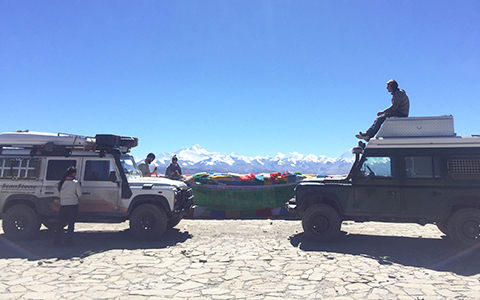




Can I Visit Tibet in 2026? The Ultimate Travel Guide You Need to Know
Tibet, known for its majestic Himalayan peaks, grand Buddhist monasteries, and pristine plateau lakes, has long been a dream destination for travelers. If you’re planning a trip to Tibet in 2026, here’s some great news: Tibet is open to international tourists, and traveling there has never been easier.
While there are a few requirements, such as obtaining the Tibet Travel Permit and joining an organized tour, with the right preparation and the support of a reliable travel agency, you can have an wonderful experience in Tibet.
In this comprehensive guide, we’ll answer all your essential questions about traveling to Tibet in 2026. From the latest travel requirements and permit processes to the best times to visit and tips for staying safe, we’ve got everything covered.
Whether you're planning to trek the spiritual Mount Kailash Kora, explore the cultural wonders of Lhasa, or visit the awe-inspiring Mount Everest Base Camp, this guide will help you make the most of your Tibetan adventure.
Let’s dive into everything you need to know about visiting Tibet, including practical tips on permits, health advice, travel routes, and much more. Your journey to one of the world’s most fascinating destinations starts here!
Contents
 Can I Visit Tibet? Tibet Welcomes International Tourists Worldwide
Is It Safe to Travel to Tibet? Tibet is Safer than Many Other Places
Do I Need a Permit to Visit Tibet? Chinese Visa and Tibet Travel Permit are Essential
Can I Visit Tibet Independently? Joining a Tour is Necessary
Is It Hard to Get to Tibet? Flight, Train, Overland All Convenient for 2026
Can I Visit Tibet? Tibet Welcomes International Tourists Worldwide
Yes, you can visit Tibet! Tibet is now open to tourists from all over the world. If you’re planning a trip to Tibet in 2026, now is the perfect time to book your tour.
Just keep in mind that visiting Tibet requires a bit more preparation than other destinations, especially when it comes to travel documents. But don’t worry — we’ll guide you through all the details below!
Is Tibet Open to Internatinal Tourists Now?
Yes, Tibet is open to tourists from around the world in 2026. Whether you're from the United States, the United Kingdom, or Australia, you can visit Tibet this year.
In fact, many international tourists visited Tibet last year. As the largest Tibet tour operator, we’ve helped over 10,000 international tourists fulfill their dream of exploring this enchanting destination.
For 2026, many dreamers worldwide have already booked our Tibet tours for their exciting journey. Some are heading to see the majestic Mount Everest, others are embarking on the spiritual Mount Kailash kora, while some are going to experience the cultural wonders in Lhasa.
Tibet Travel Requirements for 2026
Before traveling to Tibet, it’s important to know there are specific requirements for visiting.
First, you’ll need to obtain the necessary documents for Tibet travel, including at least a Chinese Visa and a Tibet Travel Permit.
Second, you must join an organized tour when visiting Tibet, as independent travel in Tibet is not permitted for international tourists.
No worries! These requirements won’t complicate your trip. We’ll guide you through all the details in the following sections.
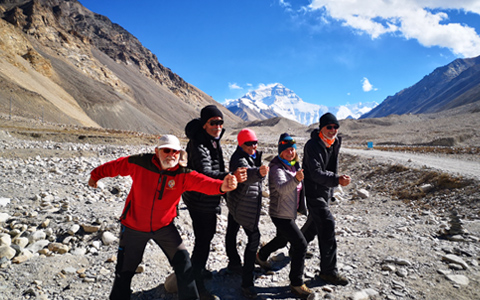
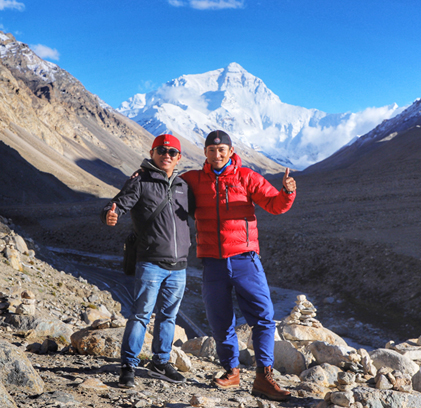
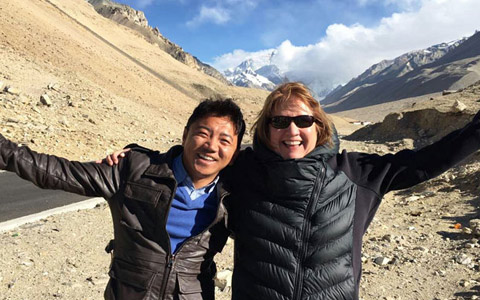
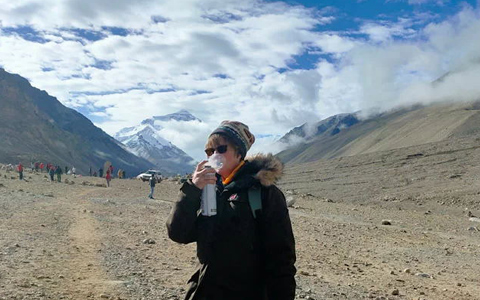
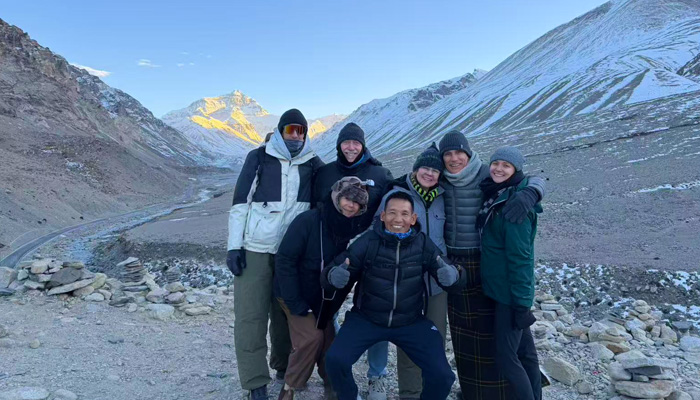 Our clients visited Tibet's Everest Base Camp last year.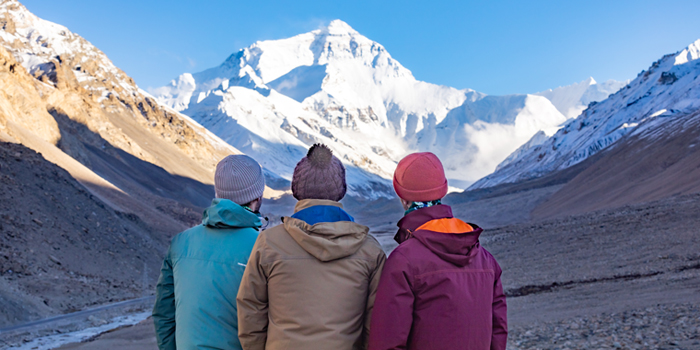

Join our most popular Lhasa and EBC tour for a smooth experience!
Is It Safe to Travel to Tibet? Tibet is Safer than Many Other Places
Tibet is considered a very safe travel destination, often even safer than many other parts of the world. Despite its remote location, Tibet has modern infrastructure and offers a peaceful and welcoming environment for tourists.
Whether you’re hiking in the Himalayas, visiting Tibetan monasteries, or exploring vibrant cities like Lhasa, Tibet is a safe place to visit. As with any destination, there are a few safety tips to keep in mind.
Why Tibet is Safe for Travelers?
Tibet is considered one of the safest destinations for international travelers. The local society in Tibet is quite stable, and crimes against tourists are extremely rare. Even for solo female travelers, Tibet is a safe place to visit.
The infrastructure in Tibet, especially in Lhasa, has improved significantly in recent years, providing modern amenities and services for visitors. You will find reliable transport, accommodation, and health services to make your trip more comfortable and safe.
In addition, Tibetans are known for their hospitality and respect towards visitors, and it is a place where travelers often feel welcomed and at ease.
Health Tips for Altitude Sickness in Tibet
Tibet’s high altitude (around 4,000 meters) can cause altitude sickness, but symptoms usually fade with acclimatization. Here’s how to prevent it:
- Acclimatize Gradually: Spend your first few days in Lhasa to allow your body time to adjust to the high altitude.
- Stay Hydrated: Drink plenty of water to keep hydrated on the plateau.
- Avoid Alcohol: Refrain from drinking alcohol, which can worsen altitude sickness.
- Consider Medications: Ask your doctor about medications like Diamox to help manage or prevent symptoms.
Your Tibetan guide will be with you to provide assistance, monitor your health, offer oxygen if needed, and take you to medical help if necessary.
Preparing for Tibet’s Weather
Tibet’s weather can change quickly, with cold winters, mild summers, and unpredictable temperatures. But with proper preparation, you can stay comfortable during your visit:
- Pack Layers: Even in summer, mornings and evenings can be chilly. Bring layered clothing, including a jacket, thermal wear, and hat/gloves for colder times.
- Sun Protection: The sun at high altitudes is intense. Make sure to bring sunscreen, sunglasses, and a hat to protect your skin from UV rays.
- Expect Rain: If you're visiting during the monsoon season (June to September), you might experience rain. Be sure to pack a waterproof jacket or rain gear.
Respecting Local Culture in Tibet
Tibet is deeply rooted in Buddhist traditions, and it’s important to respect local customs and religious beliefs. Here are some simple guidelines to help you show respect and enjoy your trip:
- Visit Temples Carefully: When visiting holy sites, always walk clockwise around sacred objects and avoid touching them.
- Dress Modestly: Especially when visiting monasteries and temples, it’s important to dress modestly — covering your shoulders and legs is advised.
- Be Mindful of Local Beliefs: Tibetans hold Buddhist spiritual practices in high regard. Avoid behavior that may be considered disruptive, like loud talking or inappropriate gestures.
By following these simple cultural guidelines, you’ll not only show respect but also experience Tibet’s rich culture in a more meaningful and enjoyable way.
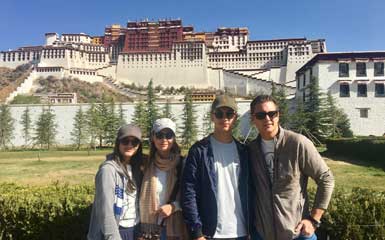
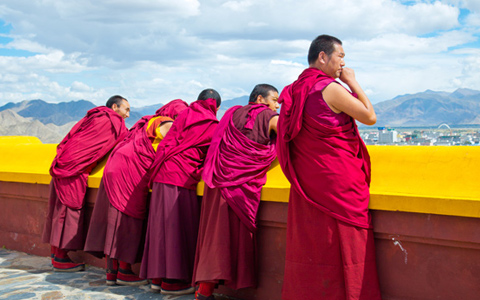
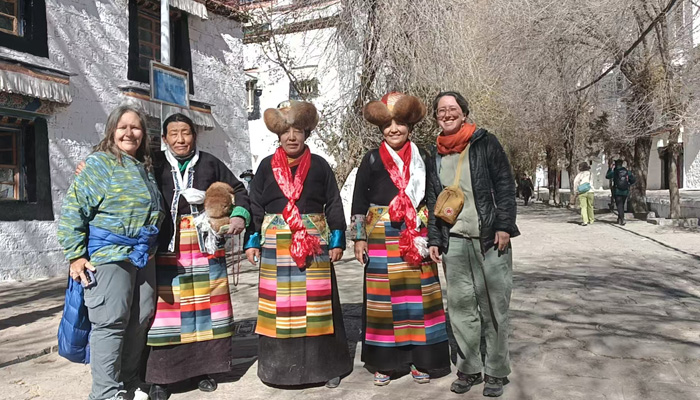 The hospitable locals are friendly to tourists traveling to Tibet.
Do I Need a Permit to Visit Tibet? Chinese Visa and Tibet Travel Permit are Essential
Before traveling to Tibet, there are a few important documents you'll need to secure to ensure a smooth journey. The two key permits required for visiting Tibet are the Chinese Visa and the Tibet Travel Permit.
Fortunately, the process is straightforward. Here’s everything you need to know before your 2026 Tibet adventure.
Chinese Visa for Tibet in 2026
To visit Tibet, international tourists must first obtain a Chinese Visa, as Tibet is part of China. Before heading to Tibet, you'll need permission to enter China.
Most travelers apply for a Chinese Tourist Visa (L Visa) through the Chinese embassy in their home country. Be sure that your passport has at least six months of validity remaining. Visa fees vary depending on your nationality.
The processing time for a Chinese Visa typically takes around four working days. To avoid any delays, it's best to apply for your visa one to two months before your planned departure.
China’s Visa-Free Policy: Good News for Some Travelers
As of recent updates, China offers visa-free entry for up to 30 days to citizens from several countries, including France, Germany, Italy, Spain, the Netherlands, Norway, Switzerland, Australia, and more.
If you’re from one of these countries, you can enter China without a visa. In this case, you’ll only need the Tibet Travel Permit, making it more convenient for you to visit Tibet.
If you’re unsure whether you need a Chinese Visa for your Tibet trip, feel free to contact us for the latest information.
Tibet Travel Permit: How to Obtain It in 20266
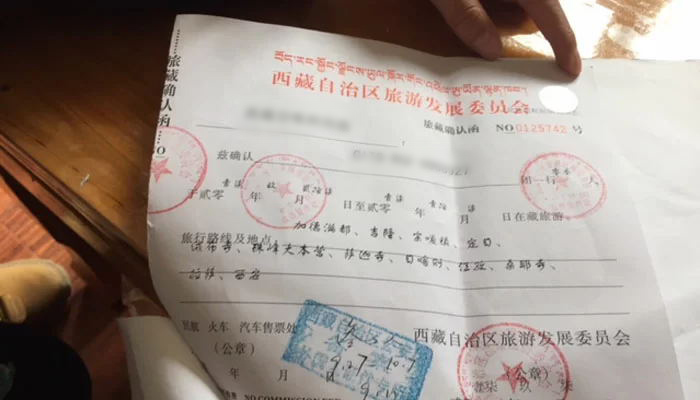
In addition to the Chinese Visa, you will need a Tibet Travel Permit to enter Tibet. Also known as a Tibet Visa or Tibet Entry Permit, this document is essential for all international travelers. Without it, you cannot board a flight or train to Tibet.
Tibet Travel Permits cannot be obtained individually; only licensed Tibet travel agencies, like ours, are authorized to apply for it on your behalf. But don't worry — it's easier than you might think.
Simply book your Tibet tour with us and provide copies of your passport and Chinese Visa (if required). We will take care of the rest, submitting your documents to the Tibet Tourism Bureau in Lhasa.
Typically, the Tibet Travel Permit is issued within 8 to 9 working days. Once ready, we’ll send it directly to your address or hotel in mainland China.
To ensure a smooth application process, especially during peak travel seasons, we recommend contacting us at least 20 days before your travel date.
Other Required Documents for Visiting Everest Base Camp or Mount Kailash
If your adventure includes visiting more remote and restricted areas like Everest Base Camp or Mount Kailash, you will need additional permits beyond the Tibet Travel Permit.
- Alien’s Travel Permit: Required for traveling to restricted areas within Tibet, including Everest Base Camp.
- Military Permit: In addition to the Tibet Travel Permit and Alien’s Travel Permit, a Military Permit is necessary if you plan to visit Mount Kailash, or other areas near military zones.
These additional permits are also handled by your Tibetan travel agency like us and will be coordinated as part of your itinerary planning.
 We make it easy to get your Tibet Travel Permit.
Join our most popular Tibet EBC tour for a hassle-free experience!
Can I Visit Tibet Independently? Joining a Tour is Necessary
Many travelers wonder if they can visit Tibet independently. The short answer is no — joining a tour is required. Here’s what you need to know about the tour requirements.
Is It Possible to Visit Tibet Independently?
Unlike many other travel destinations, Tibet cannot be visited independently by foreign tourists. If you’re planning a trip to Tibet, you must join an organized tour with a registered Tibet tour operator or travel agency, such as ours.
This requirement is in place to ensure your safety and provide a smooth, enjoyable travel experience. Tibet is a remote region with extremely high altitudes, unpredictable weather, and challenging terrain. Traveling alone in Tibet can be difficult, especially for first-timers or solo travelers.
By joining an organized tour, you’ll be guided by experienced local experts, giving you a deeper understanding of Tibetan culture and history while traveling safely through remote areas.
Why Is Joining a Tour Required in Tibet?
There are several important reasons why joining a tour in Tibet is mandatory:
- Permit and Documentation Requirements: The Tibet Travel Permit is required for all foreign travelers and can only be obtained through a licensed travel agency, which will handle all paperwork.
- Safety and Support: Tibet’s high-altitude and challenging terrain make a professional guide essential. Guides are trained to handle emergencies and help with acclimatization.
- More Authentic Tibet Experiences: Tibet has a rich cultural heritage. A local guide helps you understand and respect local customs, providing deeper insights into the region’s culture and history.
Choosing Between Small Group Tours and Private Tours in Tibet
Although you must join a tour, you can still choose the type of Tibet tour that suits your preferences. Two popular options are small group tours and private tours.
- Small Group Tours
Small group tours are perfect for those who want to keep costs down while enjoying a social experience. You’ll share expenses like accommodation and guides with other travelers. For solo travelers, this is a great way to meet new people and make friends from around the world.
In 2026, we offer a wide selection of Tibet small group tours, with fixed depareture dates, tourist-friendly services, and favorable local prices. Our tours include cover Tibet’s most popular destinations like the Everest Base Camp, Mount Kailash, Namtso Lake, Lhasa city.
- Private Tours
For those who prefer a more personalized experience, we offer tailored private tours that match your exact needs. Our team of expert travel consultants will create a customized itinerary based on your preferences.
Whether you want to enjoy a light trek in the Himalayas, explore Tibetan monasteries, or take a scenic train journey, we can accommodate your interests. Private tours are ideal for families or friends who want a more intimate and exclusive experience.
In summary: Both small group and private tours offer unique advantages. Small group tours are budget-friendly and great for meeting new people, while private tours provide a custom experience for those seeking a more intimate, personalized journey.
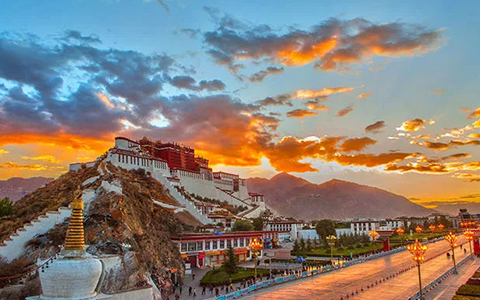
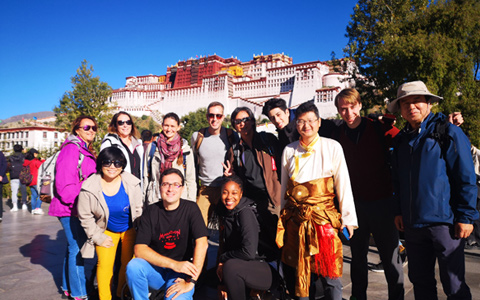
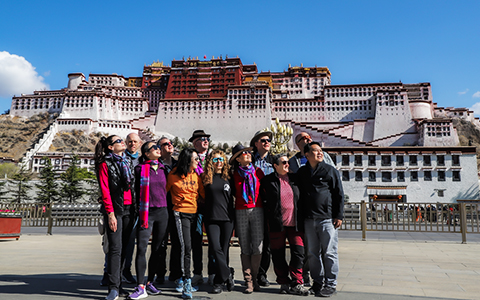
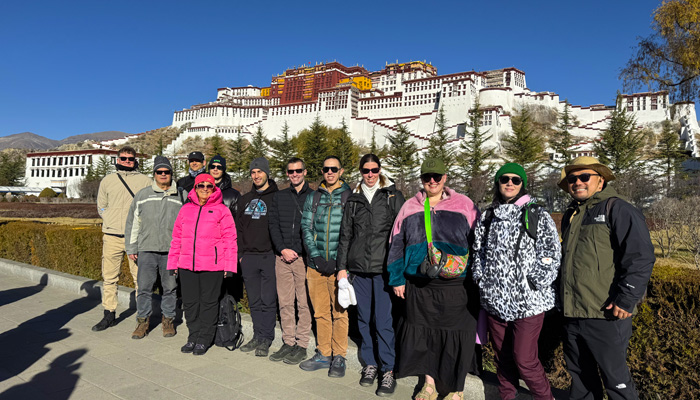 Join our Tibet group tour and visit Potala Palace in Lhasa.
Is It Hard to Get to Tibet? Flight, Train, Overland All Convenient for 2026
A common question for travelers planning a trip to Tibet is how to get there. Fortunately, getting to Tibet is easy in 2026, with several convenient options: flights, trains, and overland routes. Each offers unique advantages, so here’s what you need to know.
How to Get to Tibet: Flight vs. Train vs. Overland
There are three main ways to travel to Tibet: flying, taking the train, or traveling overland. Each option offers a different experience, depending on your preferences for speed, comfort, and scenic views.
- Flying to Tibet is the fastest and most convenient option for those with limited time.
- Taking the train provides a unique scenic journey along the Qinghai-Tibet Railway.
- Traveling overland is an adventure in itself, especially if you are coming from Nepal or certain gateways of mainland China.
Let’s take a closer look at each option.
Flying to Tibet: The Fastest Way to Reach Lhasa
Flying is the quickest and most popular way to get to Tibet, especially if you’re heading directly to Lhasa, the provincial capital.
Most major cities in mainland China offer direct flights to Lhasa, including Beijing, Chengdu, Shanghai, Guangzhou, Xi'an, and Chongqing. Flight times vary, ranging from 2 to 7 hours depending on your departure city.
Among these, Chengdu is the most popular and convenient departure point, with about 20 daily flights to Lhasa, taking just around 2 hours.
If you're traveling from Nepal, you can also fly from Kathmandu to Lhasa, which takes approximately 1.5 hours. However, flights on this route are less frequent, operating four times a week.
Lhasa Gonggar Airport (LXA) is the main gateway to Tibet, located about 60 kilometers from downtown Lhasa. Regular airport shuttles and taxis are available to take you into the city.
Although flights to Tibet can be more expensive, booking in advance often helps you find discounted fares. If you're short on time and want to maximize your stay in Tibet, flying is the recommended option.
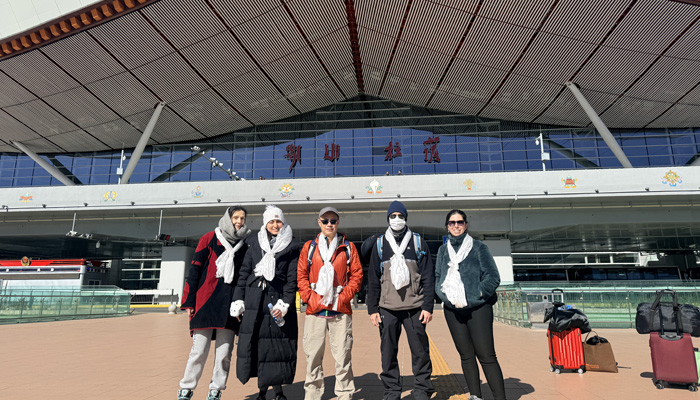 We offer airport pick-up service for our clients taking flights to Tibet.
Taking a Train to Tibet: Scenic Routes on the Qinghai-Tibet Railway to Lhasa
For those seeking a more scenic and adventurous journey, taking the train to Tibet is a remarkable option.
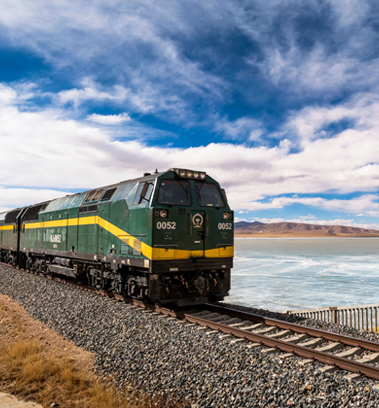
The Qinghai-Tibet Railway, the highest railway in the world, offers breathtaking views of the Tibetan Plateau. Trains depart from cities like Beijing, Shanghai, Xining, Chongqing, and Chengdu, with the Xining to Lhasa route being the shortest and most frequent.
The train ride from Xining to Lhasa takes about 22 hours, passing through snow-capped mountains, vast grasslands, and Tibetan villages. The train is equipped with comfortable sleeper berths, dining cars, and oxygen supply systems to help you adjust to Tibet’s high altitude.
For those who have the time, taking the train offers a leisurely and scenic introduction to Tibet. It’s definitely worth considering if you want a more immersive arrival.
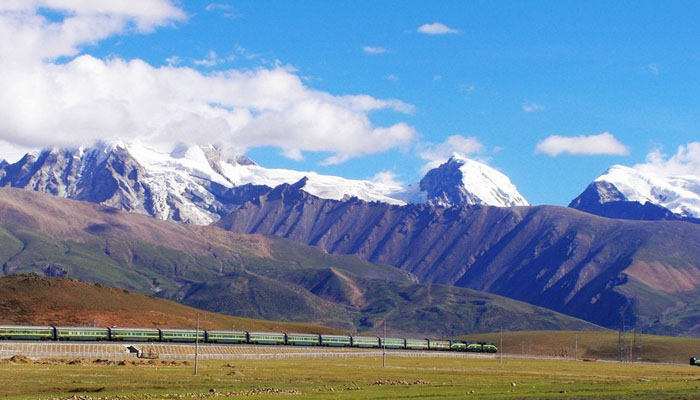 The Tibet train to Lhasa runs along the scenic Qinghai-Tibet Railway.
Traveling Overland to Tibet: Route from Nepal to Lhasa or Overland from Mainland China
For the more adventurous traveler, traveling overland to Tibet is an incredible experience. There are two main overland routes to Tibet:
- Overland From Nepal to Lhasa:
The most popular overland route is from Kathmandu, Nepal, to Lhasa. The journey covers about 1,100 kilometers and takes you through the majestic Himalayan range, Tibetan villages, serene plateau lakes, and significant historic and cultural Tibetan landmarks.
The best itinerary is the 8-day Kathmandu to Lhasa overland tour across Gyirong Port. This route allows you to explore major highlights at a comfortable pace while gradually acclimatizing to the altitude.
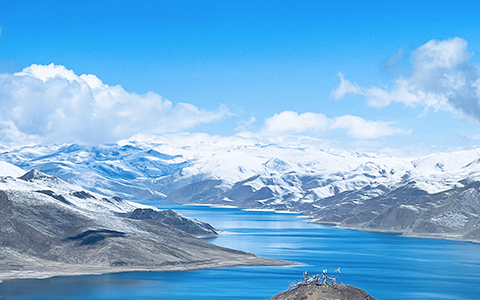
After enteing Tibet from Nepal, you’ll explore the lush Gyirong Valley, ascend to Everest Base Camp, marvel at Mount Everest, visit Shigatse’s Tashilhunpo Monastery, and cross scenic Yamdrok Lake before arriving in Lhasa.
- Overland to Tibet from Mainland China:
You can also travel to Tibet overland from four gateway cities in mainland China: Chengdu, Kunming, Xining, and Kashgar. These routes are a bit longer and more challenging but offer a deeper exploration of the Tibetan Plateau.
Among these, the Chengdu to Lhasa overland route via the G318 Highway is the most popular. This 2,146-kilometer journey takes about 7 to 9 days and offers unparalleled views of snow-capped mountains, gorges, rushing rivers, villages, lakes, and forests.
The route passes through Litang and Batang in western Sichuan, enters Tibet through Markam, and continues to Nyingchi before reaching Lhasa.
Overall, the overland travel to Tibet is a more immersive experience and offers the chance to experience Tibetan culture firsthand.
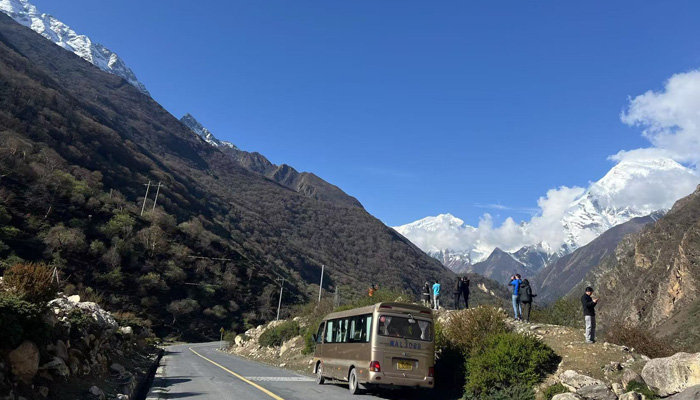 You can visit the lush Gyriong Valley during your Kathmandu to Lhasa overland tour.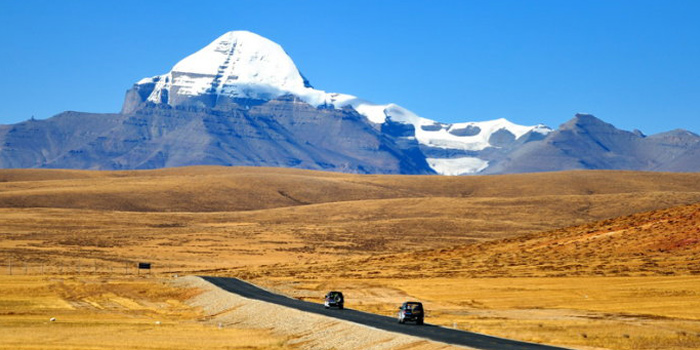
Join our best-selling Kailash Manasarovar tour for a hassle-free journey!
When is the Best Time to Visit Tibet? April to October
Tibet is a year-round destination, but the best time to visit depends on your preferences for weather, activities, and crowds. Generally, April to October is the best time to travel. Here’s what to expect throughout the year.
Best Months to Visit Tibet: April-June & September-October
The most ideal months to visit Tibet are from April to June and September to October. During these periods, the weather is pleasant, and the landscape is at its most beautiful. The temperatures are moderate, making it comfortable for sightseeing and outdoor activities.
- Spring (April to June):
As the weather warms up, Tibet’s stunning natural beauty comes to life after the cold winter. This is an ideal time to visit for those who prefer fewer crowds while still enjoying clear skies and mild temperatures.
During this period, high-altitude areas like Mount Kailash and Namtso Lake become accessible, and trekking routes such as the Everest Base Camp are perfect for adventure seekers.
- Autumn (September to October):
These months offer great weather in Tibet, with clear skies, mild temperatures, and little rainfall. It’s also harvest season, offering a vibrant glimpse of local life and culture.
This period is perfect for outdoor activities like trekking, motorbiking, and exploring Tibet’s snow-capped mountains. It’s also the best time to capture clear views of Mount Everest, with autumn providing a stunning backdrop of vibrant colors for photographers.
Summer (July-August): Peak Season and Warmer Weather
Summer (July and August) is the peak travel season in Tibet, as the weather is at its warmest, with temperatures reaching a comfortable level for travel and outdoor exploration.
While this is the best time to visit for pleasant weather, it’s also when Tibet sees the highest number of tourists, especially around Lhasa and Everest.
- Pros: Warm temperatures, higher oxygen levels, and lush landscapes make it an ideal time to visit most parts of Tibet. Summer also provides the opportunity to experience vibrant local festivals, such as the Shoton Festival.
- Cons: Prices are higher due to increased demand, and popular tourist spots can become crowded. Additionally, summer coincides with Tibet's monsoon season, bringing occasional rainfall in some areas.
If you plan to visit Tibet during summer, it's recommended to book your accommodation and tours well in advance to secure the best options.
Winter (Nov-March): Best Time for Budget Travelers
While winter travel in Tibet (from November to March) might not be the most popular time to visit, it offers some unique advantages, especially for budget travelers.
- Pros: Lower travel costs, fewer tourists, and a more peaceful Tibet. Accommodation and flight prices drop, making it a great time for deals. If you're ready for the cold, you can enjoy Tibet’s serene beauty without the crowds.
- Cons: The weather can be very cold, with temperatures often dropping below freezing, especially at higher altitudes like Everest Base Camp. Some roads and trekking routes may be closed due to snow, and activities like hiking might be less accessible.
Winter is the best time for those who want a more affordable experience in Tibet and don’t mind the cold.
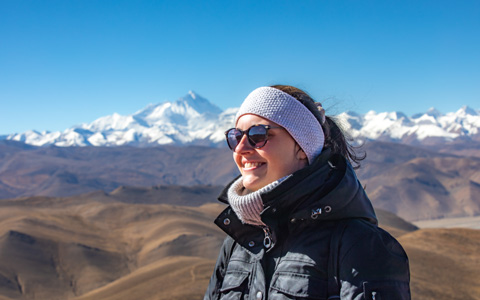
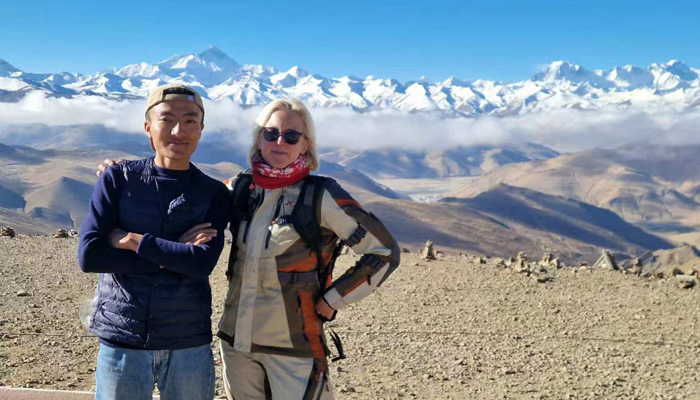 The best time to visit Tibet is Spring and Autumn, when you can see the clearest Himalayan scenery.
Best Time for Activities in Tibet: Trekking, Photography, Festivals
Tibet offers a wide variety of activities throughout the year, but certain months are better suited for specific pursuits. Here’s when to plan your visit for the best experiences:
- Best Time for Trekking in Tibet:
For trekking enthusiasts, the best time is during the spring (April-June) and autumn (September-October) months, when the weather is mild, and the trekking routes are fully accessible.
Popular treks like the Kailash Kora and Everest Base Camp are best undertaken during these months when the terrain is more stable and the temperatures are manageable.
- Best Months for Photography in Tibet:
Tibet offers incredible photo opportunities year-round, but spring and autumn provide the best conditions. The soft light during these seasons enhances the landscape, which is vibrant with life.
Summer also offers stunning views of the Tibetan Plateau, with lush greenery and bright colors ideal for capturing the beauty of the region.
- Best Time to Enjoy Tibetan Festivals:
Tibet is home to several important festivals, including Lhosar (Tibetan New Year) in winter, the Shoton Festival in August, and the Saga Dawa Festival in May or June.
In 2026, the most significant festival will be the Saga Dawa Festival (May 31), a time when the spiritual merit of the Mount Kailash Kora is considered especially powerful.
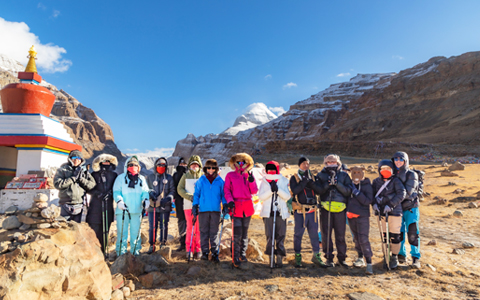
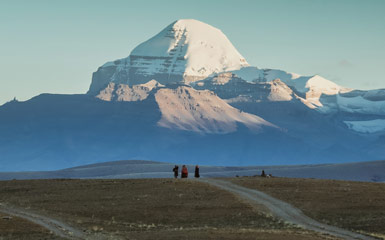
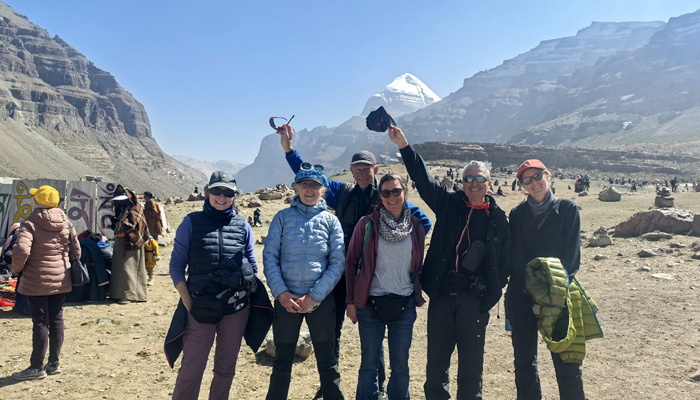 Saga Dawa Festival is a great time to visit Mount Kailash in Tibet.
FAQs about Visiting Tibet
1. How Can I Obtain the Tibet Travel Permit?
To obtain the Tibet Travel Permit, simply book a tour with a licensed agency like us. Once you provide your passport and Chinese visa (if necessary), we’ll handle the application process. It usually takes 10-15 working days to obtain the permit.
2. How Expensive is a Trip to Tibet?
The cost of a Tibet trip varies. Group tours start at around $949 for our classic 8-day Lhasa to Everest Base Camp tour. Private tours are more expensive. Prices tend to rise during the peak season (July-August), so booking early can help you save.
3. What to Pack for My Tibet Trip?
Pack for varying temperatures with layered clothing, sun protection (sunscreen, hat, sunglasses), altitude sickness medication, and any trekking gear needed. Don’t forget your camera and power bank!
4. How to Prevent Altitude Sickness in Tibet?
To prevent altitude sickness, acclimate gradually, stay hydrated, avoid alcohol, and rest frequently. Consult your doctor about altitude sickness medication, especially if you’re heading to higher-altitude regions.
5. Is It Safe for Elderly Travelers and Kids to Visit Tibet?
Yes, it’s safe, but elderly travelers and kids should take extra precautions due to the high altitude. Consult a doctor before traveling and avoid strenuous activities until fully acclimatized.
6. What Are the Dos and Don’ts in Tibet?
- Do: Dress modestly, respect local traditions, and follow your guide’s instructions.
- Don’t: Touch sacred objects, take photos in restricted areas, or discuss political matters.
7. What Are the Best Things to Do in Tibet?
Top activities in Tibet include visiting Potala Palace, trekking the Kailash Kora, exploring Everest Base Camp, photographing Namtso Lake, and experiencing Tibetan monasteries and festivals.
8. How Can I Stay Connected in Tibet?
Internet (4G/5G) is available, even at high altitudes like Everest Base Camp. Wi-Fi is common in hotels and restaurants, especially in Lhasa and Shigatse. You can buy a local SIM card for basic communication.
9. Can I Visit Tibet During the Monsoon Season?
Yes, you can. While it rains mostly in the late afternoon or evening, it rarely affects your travel plans. For overland travel (e.g., Lhasa to Kathmandu or Chengdu to Lhasa), check the weather forecast and road conditions before departure.
10. Is It Possible to Visit Tibet on a Tight Schedule?
Yes, if you’re on a tight schedule, focus on key attractions like Potala Palace and Jokhang Temple in Lhasa and its surroundings. A guided Lhasa tour helps you make the most of your time.
Join our classic Kailash Manasarovar tour for a spiritual journey!
Conclusion
Visiting Tibet in 2026 is an unforgettable experience for travelers from all over the world. With its rich cultural heritage, breathtaking landscapes, and spiritual significance, Tibet is a truly unique destination that warmly welcomes international tourists.
While there are a few requirements, like obtaining the Tibet Travel Permit, these can be easily handled with the help of a licensed travel agency.
Tibet’s safety, combined with its incredible trekking routes, vibrant festivals, and stunning photo opportunities, makes it a must-visit for adventure seekers. Whether you prefer the fastest flight route, the scenic train journey, or an overland adventure, getting to Tibet has never been easier.
If you're thinking of exploring Tibet independently, note that an organized tour is required. This ensures safety and helps you better understand the local culture. Whether you choose a small group or private tour, there’s an option for every traveler.
With the right preparation, from packing to understanding the best time to visit and preventing altitude sickness, you'll be ready for a rewarding journey to the Roof of the World. Whether it’s your first time or you’re returning, Tibet offers an exceptional experience in 2026.
As a leading tour operator based in Lhasa, we’re here to make your trip smooth and enjoyable. Get in touch with us or book your tour today, and let us help bring your Tibetan adventure to life!



Ask a Quick Question