












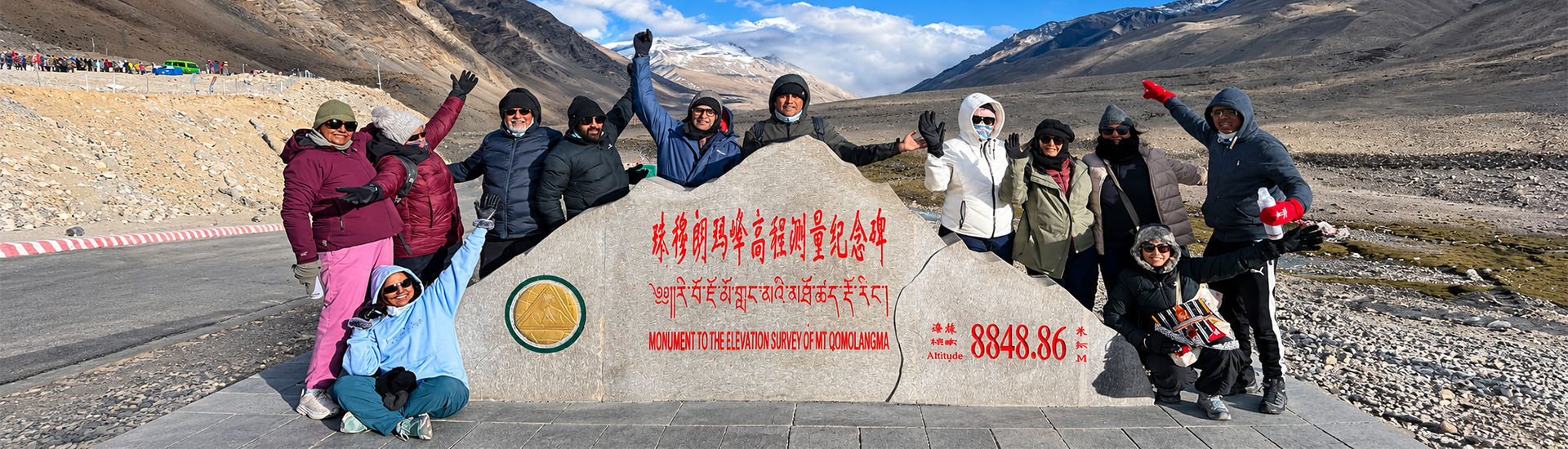

Although toilets may seem like a small detail, you may wonder what they are like in Tibet when planning your trip, especially in remote areas. In fact, toilet facilities in Tibet are generally better than you might expect.
In major cities like Lhasa and Shigatse, you can find modern Western-style toilets in hotels and other tourist facilities. However, in remote areas such as Everest Base Camp and Mount Kailash, toilets are often more basic.
Knowing what to expect and bringing a few essential items can make your Tibet tour more comfortable. This guide covers the types of toilets available, where to find them, and practical tips for using toilets during your journey.
Tibet Toilets at a Glance
| Location | Common Toilet Types | What to Expect |
|---|---|---|
| Lhasa and major cities | Western-style and squat | Modern hotel bathrooms and public toilets |
| Overland routes | Mostly squat, some pit toilets | Simple toilets at selected roadside stops and towns |
| Everest Base Camp | Western-style and squat | Private toilets in Rongbuk Hotel; shared facilities elsewhere |
| Mount Kailash Kora | Mostly squat and pit toilets | Basic shared facilities with limited running water |
| Tibet trains | Western-style and squat | Shared flushing toilets in passenger carriages |
Contents
 What Types of Toilets Can You Find in Tibet?
Where Can You Find Toilets During a Tibet Tour?
Are Public Toilets in Tibet Clean and Free?
What Should You Bring for Using Toilets in Tibet?
Practical Tips for Using Toilets During a Tibet Tour
What Types of Toilets Can You Find in Tibet?
There are three main types of toilets in Tibet: Western-style toilets, squat toilets, and basic pit toilets. The facilities you encounter largely depend on where you travel and the type of accommodation you choose.
Western-Style Toilets in Hotels and Modern Facilities
Western-style toilets are becoming increasingly common in Tibet, especially in major cities such as Lhasa, Shigatse, and Nyingchi.
Most modern hotels, particularly mid-range and luxury hotels, provide private bathrooms with Western-style flushing toilets, running water, and showers. You can also find Western-style toilets at Lhasa Gonggar International Airport, in high-end restaurants and shopping malls, and at some modern tourist facilities.
However, not every hotel has the same facilities. Budget guesthouses and older accommodations may have shared bathrooms or squat toilets. If you prefer a Western-style toilet, check with your hotel before booking, especially when traveling outside Lhasa.
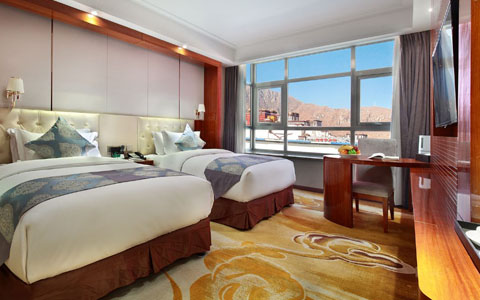
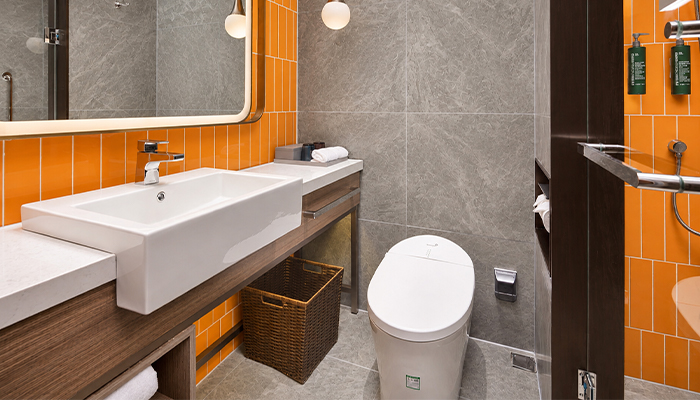 Many hotels in Lhasa offer clean, modern Western-style toilets for a comfortable stay.
Squat Toilets in Public Areas and Roadside Stops
Squat toilets are the most common type of toilet in Tibet. You can find them in Tibet's public restrooms, particularly at roadside stops, local restaurants, and smaller tourist attractions.
Unlike Western-style toilets, squat toilets are installed at floor level. You need to squat over the opening rather than sit on a toilet seat. Although these toilets may be unfamiliar to Western travelers, they are widely used throughout China and are generally straightforward to use.
Some squat toilets have flushing systems, while others may require manual flushing or have no flushing facilities. Facilities vary by location.
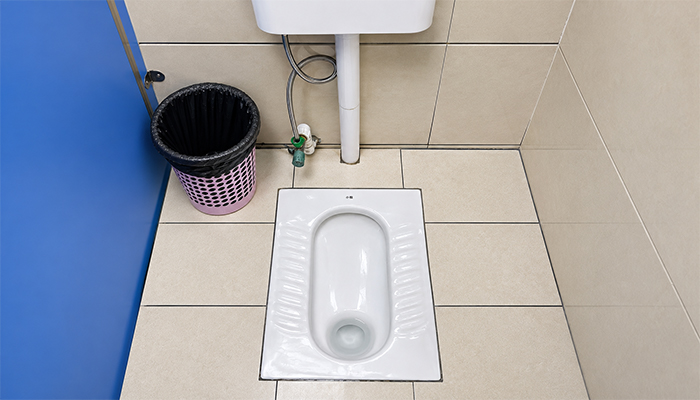 Squat toilets are the most common type of toilet in Tibet, especially in public restrooms and roadside stops.
Basic Pit Toilets in Remote Areas
In remote areas of Tibet, particularly in rural villages, mountain regions, and along trekking routes, you may encounter basic pit toilets.
These toilets usually consist of a simple opening above a pit, sometimes inside a small wooden or concrete structure. They generally do not have flushing systems or running water due to limited water supplies. It's recommended to bring your own wet wipes and hand sanitizer when visiting these areas.
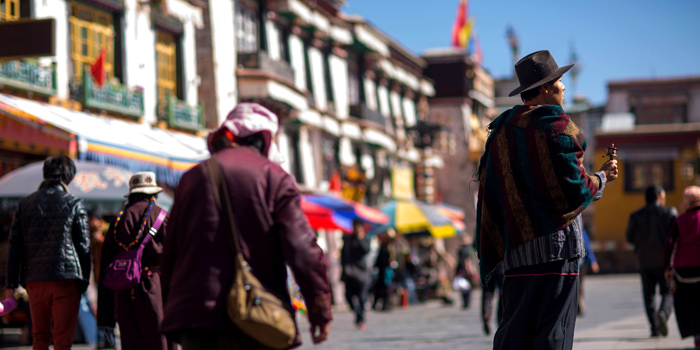

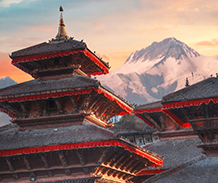
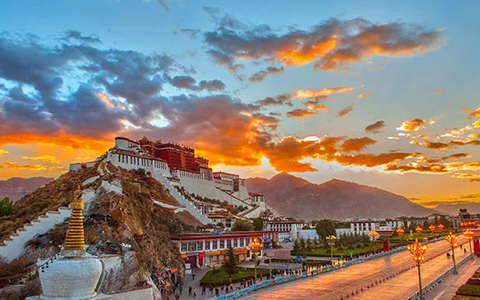
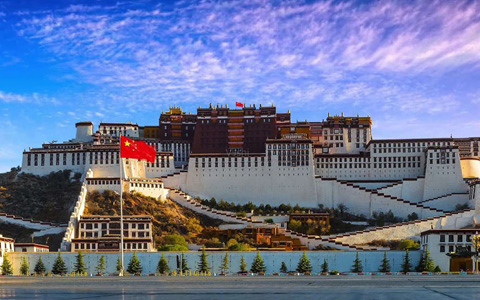
Discover Lhasa's iconic landmarks and experience authentic Tibetan culture.
Where Can You Find Toilets During a Tibet Tour?
Toilet facilities vary significantly across Tibet. While major cities generally offer convenient access to modern restrooms, facilities become more limited along remote highways and high-altitude trekking routes.
Toilets in Lhasa and Other Major Cities
Lhasa offers some of the most convenient toilet facilities in Tibet. Most modern hotels in Lhasa have Western-style toilets. You can also find public restrooms in shopping centers, restaurants, the airport and railway station, and major tourist areas.
At the Potala Palace, you can use modern eco-friendly public toilets with private stalls and doors. The palace is also home to a historic dry squat toilet known for its exceptional vertical drop, which is no longer in use and is preserved as a historical attraction.
Around Jokhang Temple and Barkhor Street, you can find clean, regularly maintained flushing squat toilets with sinks. Drepung and Sera Monasteries have modern flushing squat toilets in the visitor service areas outside their entrances, while only basic dry squat toilets are available inside.
In other major cities such as Shigatse and Nyingchi, modern restrooms are also available in hotels and commercial areas. However, public toilets may not always provide toilet paper or soap, even in major cities.
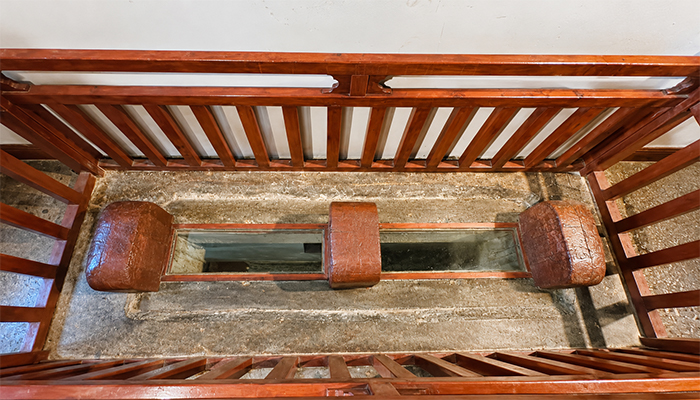 The historic dry toilet at Potala Palace is famous for its remarkable vertical drop and is now a tourist attraction.
Toilets Along Tibet's Overland Routes
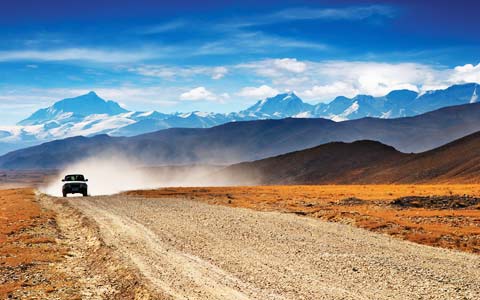
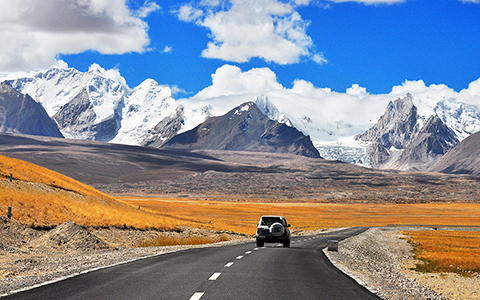
Long-distance road trips are common on Tibet tours, especially when visiting Everest Base Camp, Namtso Lake, or Mount Kailash.
Along major highways, toilets are generally available at selected service areas, restaurants, gas stations, and towns. The types of toilets and available facilities vary from one stop to another.
Most roadside toilets are squat toilets. Some have flushing systems, while others are basic pit toilets without running water. Cleanliness and comfort also vary depending on the location.
Toilets at Everest Base Camp
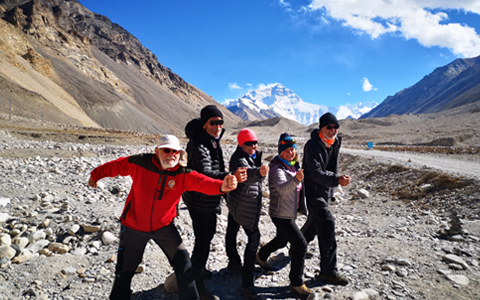
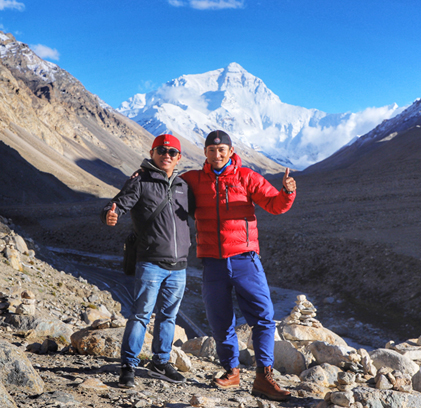
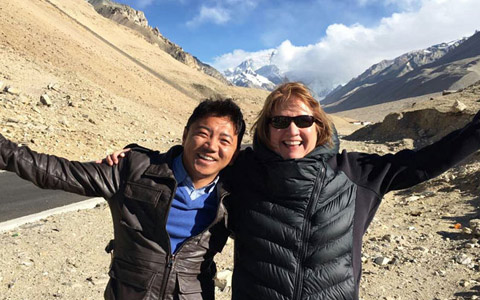
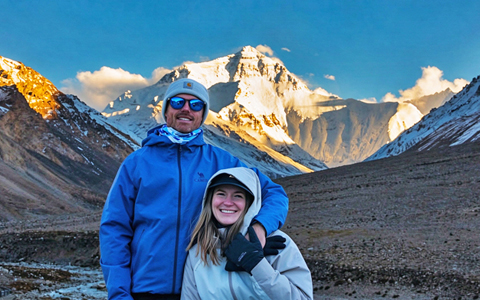
Everest Base Camp, located at approximately 5,200 meters above sea level, has more basic toilet facilities than major cities in Tibet. However, recent improvements have made public toilets cleaner and more comfortable than many travelers expect.
If you stay overnight near Everest Base Camp, your toilet facilities will depend on your accommodation. Rongbuk Hotel is one of the most comfortable accommodation options in the area. It offers private bathrooms with Western-style toilets only in its double rooms.
Other accommodation options, including tent guesthouses, generally provide shared toilets. If you stay in the Everest Base Camp tent hotel area, upgraded eco-friendly container toilets are available for public use.
These eco-friendly toilets are designed for the high-altitude environment. However, due to limited water supplies, flushing facilities may be restricted, and showers are not available at Everest Base Camp.
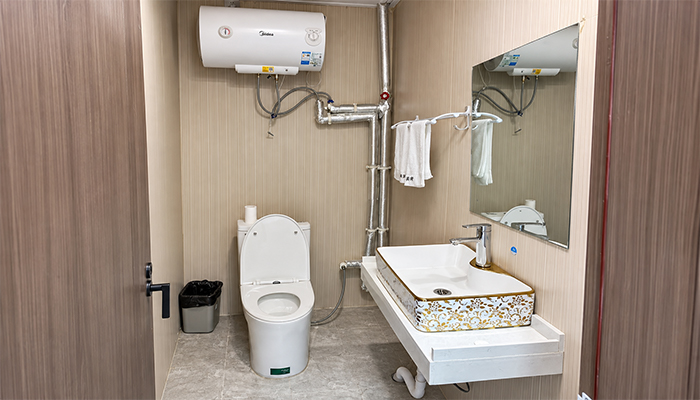 Rongbuk Hotel is the only accommodation near Everest Base Camp offering private Western-style toilets.
Toilets During the Mount Kailash Kora
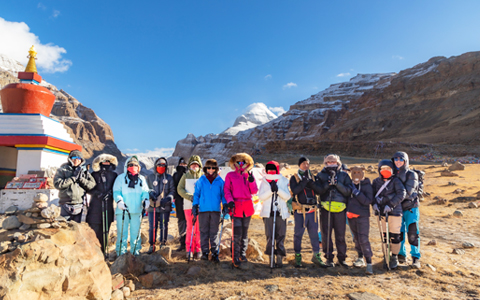
The Mount Kailash Kora is a three-day trek covering approximately 52–54 kilometers. Toilet facilities along the route are basic but generally manageable with some preparation.
You can find private bathrooms with Western-style toilets in some hotels in Darchen, the starting point of the kora. However, once you begin the trek, most guesthouses near Dirapuk and Zutulpuk monasteries provide shared squat toilets or basic outdoor pit toilets.
Along the trekking route, simple outdoor toilets are available at some rest stops and camping areas. Due to limited water supplies and basic infrastructure in this remote region, flushing toilets, running water, and showers are generally unavailable during the kora.
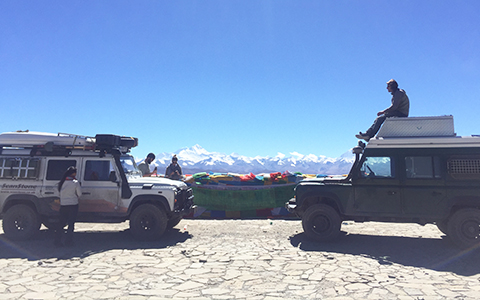
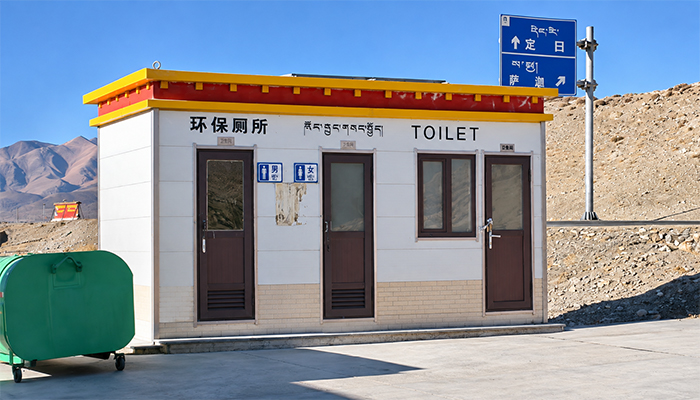 Along the way to Mount Kailash, you can find public toilets with basic facilities at selected roadside stops.
Toilets on Tibet Trains
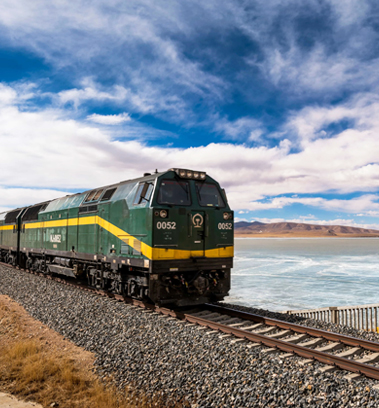
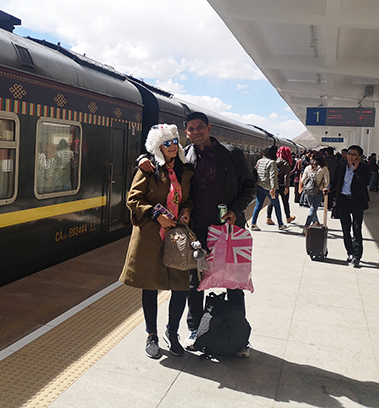
Taking a Tibet train is a comfortable travel experience, with convenient toilet facilities available throughout the journey. You can find both Western-style and squat toilets onboard, all equipped with flushing systems and shared among passengers.
Tibet trains have three types of passenger carriages: soft sleeper, hard sleeper, and hard seat. Toilet facilities vary by carriage type. Soft sleeper carriages generally offer both Western-style and squat toilets, while hard sleeper and hard seat carriages mainly have squat toilets.
Toilets are usually located near the ends of each carriage, with shared sinks available for washing your hands. They are regularly cleaned by onboard staff to help keep the facilities comfortable throughout the journey.
During stops at railway stations, some toilets may be temporarily locked. Therefore, it's best to use the toilets before the train arrives at a station if needed.
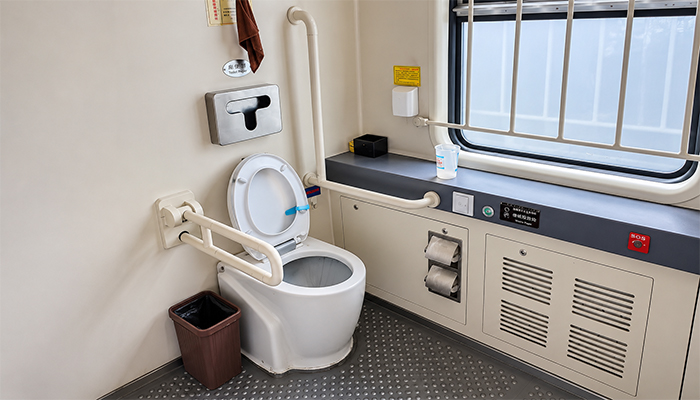 Soft sleeper carriages on Tibet trains offer both Western-style and squat toilets to meet different passengers' needs.
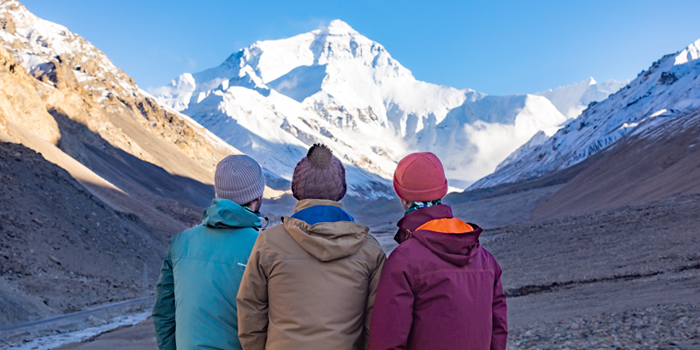
Explore Lhasa's highlights and enjoy breathtaking views of Mount Everest.
Are Public Toilets in Tibet Clean and Free?
Most public toilets in Tibet are free to use, but cleanliness and facilities vary depending on the location.
In Lhasa and other major cities, public toilets in shopping centers, airports, and modern tourist facilities are generally well maintained. Many have flushing systems, running water, and separate areas for men and women.
In contrast, toilets at roadside stops, rural villages, and remote attractions may have more basic facilities and less regular cleaning. Some have limited water supplies and simple toilet structures.
Although most public toilets do not charge an entrance fee, a few privately operated or roadside facilities may ask for a small payment. Fees generally range from CNY 1 to 3 per use. Many paid toilets accept mobile payments, but some privately run toilets in villages may only accept cash.
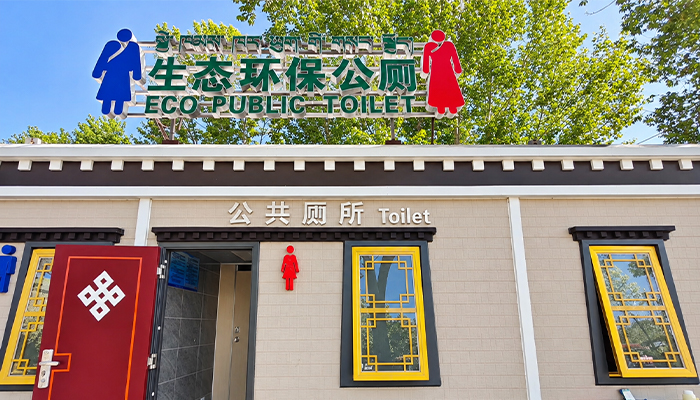 Many public toilets in Lhasa are clean, well maintained, and free to use.
What Should You Bring for Using Toilets in Tibet?
Toilet Paper or Tissues
Many public toilets in Tibet do not provide toilet paper. Even when it is available, supplies may run out, especially during busy travel seasons. It's a good idea to carry your own tissues or a small roll of toilet paper. Keep a pack in your day bag, especially when visiting remote attractions or traveling along long-distance routes.
Wet Wipes
Wet wipes are useful when toilets have limited washing facilities or running water. They can help you stay clean during long road trips and high-altitude treks, particularly around Everest Base Camp and Mount Kailash. Remember to put used wipes in a waste bin or carry them with you rather than flushing them.
Hand Sanitizer
Some public toilets, especially in remote areas, may not have soap or running water for handwashing. Carrying a small bottle of hand sanitizer allows you to clean your hands after using the toilet when washing facilities are unavailable.
Small Change
Although most public toilets in Tibet are free, some privately operated facilities may charge a small fee. Many accept mobile payments, but some roadside or village toilets run by local residents may only accept cash. Keep a few small RMB notes or coins with you to make payment easier.
Practical Tips for Using Toilets During a Tibet Tour
Plan Your Toilet Stops During Long Road Trips
Road journeys in Tibet can involve several hours of driving between major destinations and rest stops. Before departing each morning, use the toilet at your hotel. During the journey, use the toilets available at restaurants, service areas, and other scheduled stops.
Our Tibetan guides are familiar with the routes and can help you find suitable places to stop, especially in remote areas where public toilets are less common. If you need an additional stop, let your guide or driver know in advance.
Be Prepared for Squat Toilets
If you have never used a squat toilet before, the experience may feel unfamiliar at first. However, most are straightforward to use, so there's no need to worry. When using a squat toilet, be careful on wet or slippery floors and avoid placing your belongings on the ground.
Follow Local Toilet Etiquette
In some public toilets, especially those with older plumbing, used toilet paper should be placed in a designated waste bin rather than flushed. Never flush wet wipes or other hygiene products, and always follow the instructions provided at each facility.
When visiting monasteries, villages, and rural areas, use designated public toilets whenever available. This helps keep the surroundings clean and respects local communities. During trekking or outdoor activities, avoid leaving toilet paper, wet wipes, or other waste in the natural environment.
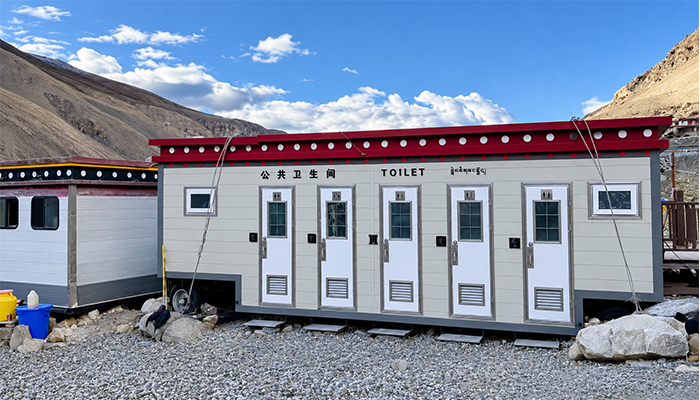 Use designated public toilets at Everest Base Camp and avoid leaving waste in the natural environment.
Quick Summary and FAQs About Toilets in Tibet
Quick Summary
Toilet facilities in Tibet are generally convenient, especially in urban areas and popular tourist destinations. You can find modern Western-style toilets in hotels and major cities like Lhasa, Shigatse, and Nyingchi, while squat toilets are more common in public areas and roadside stops.
In remote destinations such as Everest Base Camp and Mount Kailash, toilets are usually more basic, with limited running water and flushing facilities. However, upgraded public toilets are available at Everest Base Camp, and Tibet trains offer shared flushing toilets for passengers.
Most public toilets in Tibet are free, although some may charge a small fee. Bringing your own tissues, wet wipes, and hand sanitizer can help make your Tibet tour more comfortable.
Q1: Are Western-style toilets available at Everest Base Camp in Tibet?
Yes, Western-style toilets are available at Rongbuk Hotel near Everest Base Camp, but only its double rooms have private bathrooms with these facilities. Other accommodation options generally provide shared toilets.
Q2: Do I need to bring my own toilet paper to Tibet?
Yes, it's recommended to bring your own toilet paper or tissues when traveling in Tibet. Although some modern public toilets provide toilet paper, supplies may run out.
Q3: Do public toilets in Tibet have running water?
Many public toilets in Lhasa and other major cities have running water and flushing systems. However, toilets in remote villages, roadside stops, and high-altitude trekking areas may have limited water supplies. Some basic pit toilets have no running water at all.
Q4: Can I use toilets at night during a Tibet tour?
Yes, you can generally use the bathroom at your hotel or guesthouse at night. However, in some remote areas, such as near Mount Kailash, shared toilets may be located in a separate building, so you may need to go outside to use them.
Q5: Are there toilets inside Tibetan monasteries?
Yes, many Tibetan monasteries have toilets for visitors, although the facilities may be basic. For example, Drepung and Sera Monasteries have modern flushing squat toilets near their entrances, while simpler dry squat toilets are available inside.
Q6: Are public toilets in Tibet separated for men and women?
Yes, most public toilets in Tibet's cities and major tourist areas have separate facilities for men and women. However, some basic toilets in remote villages or trekking areas may have simpler arrangements, including shared facilities.
Q7: Are toilets in Tibet suitable for elderly travelers?
Many hotels and modern tourist facilities in Tibet have Western-style toilets, which may be more comfortable for elderly travelers. However, public toilets along remote routes are often squat toilets, which can be difficult for those with knee problems or limited mobility.
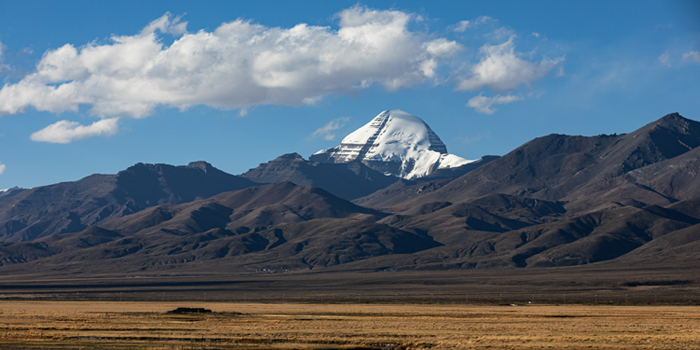
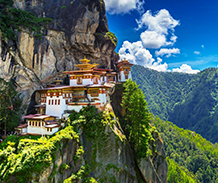
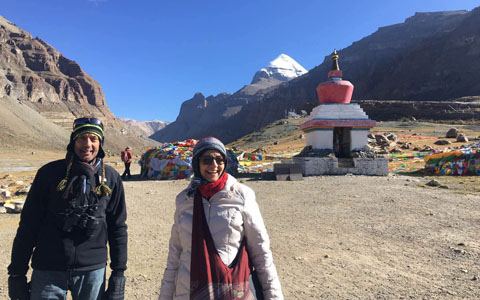
Experience the sacred Mount Kailash Kora and discover the beauty of western Tibet.
Conclusion
Toilet facilities in Tibet have improved in recent years, making travel more convenient and comfortable. Public toilets in urban areas are generally clean and well maintained, with Western-style toilets available in many modern facilities. However, toilets in remote areas may be more basic.
Whether you're exploring Lhasa, visiting Everest Base Camp, or trekking around Mount Kailash, there's no need to worry too much about toilet facilities. With a little preparation and help from your local Tibetan guide, you can enjoy a smooth and memorable journey through Tibet.
Have more questions about traveling in Tibet? Contact us to learn more about Tibet tours and find the travel options that best suit your interests.
 Facebook
 Tweet
 Linkedln
 Reddit




Ask a Quick Question