











Do I Really Need a Hotel with Oxygen Enrichment in Lhasa, or are Portable Cans Enough?
Arriving in Lhasa is a once-in-a-lifetime moment, but at 3,650 meters above sea level, many travelers have one big concern: Will I be able to breathe comfortably at night?
For many travelers, this question comes with a major budget dilemma: Should you pay more for a hotel with oxygen enrichment, or just rely on cheap portable oxygen cans from local shops?
The quick answer is: you don’t strictly need an oxygen-enriched hotel, but portable oxygen alone cannot fully protect you while sleeping. The best choice depends on your travel style, budget, health condition, and how your body responds to altitude.
To help you decide with confidence, this guide compares the two main oxygen options, shares practical tips from local Lhasa experts, and shows how to enjoy restful nights so your Tibet adventure starts off right.
The Quick-Glance Decision Matrix
| Oxygen Option | Best Used For | Estimated Cost | The Verdict |
|---|---|---|---|
| Oxygen-Enriched Hotels | Nighttime sleep (key for first 1-2 nights) | Higher cost (often included in premium room rates) | Highly recommended for better sleep and peace of mind |
| Portable Oxygen Canisters | Daytime walking or climbing (e.g., Potala Palace) | Around 15–30 RMB per can (local shops or pharmacies) | Useful only as a mobile backup; cannot replace nighttime oxygen. |
Contents
 Why Lhasa’s Altitude (3,650m) Hits Hardest at Night
Option 1: Hotels with Oxygen Enrichment (Diffuse Oxygen) - Is It Worth the Extra Cost?
Option 2: Portable Oxygen Cans - The Budget-Friendly Savior?
The Complete Altitude Oxygen Decision Guide: Oxygen-enriched Hotel vs. Portable Cans
The Matchmaker: Which Strategy Fits Your Travel Style?
Beyond Oxygen: Two Hidden Factors That Will Ruin Your Sleep in Lhasa
Insider Tips from a Lhasa Local Expert
Your Checklist: Preparing Before You Arrive in Lhasa
Why Lhasa’s Altitude (3,650m) Hits Hardest at Night
Many travelers feel fine during their first afternoon in Lhasa. They may walk around, take photos, and think they have adjusted well. But for some people, the real challenge begins at night.
The Nighttime Trap of Altitude Sickness
It is common to wake up between midnight and early morning with a headache, fast heartbeat, or shortness of breath.
Why does this happen? During the day, you are awake and more likely to breathe deeply without noticing it. But when you fall asleep, your breathing naturally becomes slower and shallower.
At 3,650 meters, this normal change can cause your blood oxygen level to drop more than expected. Your brain senses the lack of oxygen and wakes you up so you breathe again. That is why some travelers wake up feeling tired, nervous, or unable to sleep well.
The First 48 Hours Matters Most
Your first 48 hours in Lhasa are the key adjustment period. During this time, your body is working hard to adapt to the high altitude.
It is adjusting your breathing, heart rate, and oxygen use. This process takes energy, even when you are resting.
Because of this, the first two days are also the time when altitude sickness is most likely to get worse. Poor sleep can make it harder for your body to adjust, and the rest of your Tibet trip may feel more tiring.
That is why getting good rest during your first two nights in Lhasa is so important. A slower schedule, light meals, enough water, and a comfortable hotel room can make a big difference.
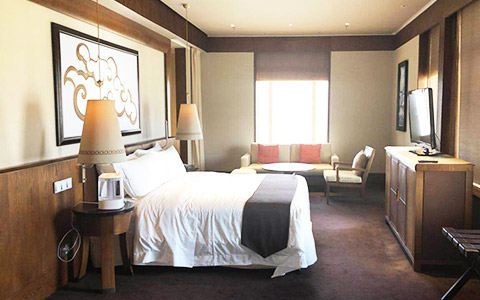
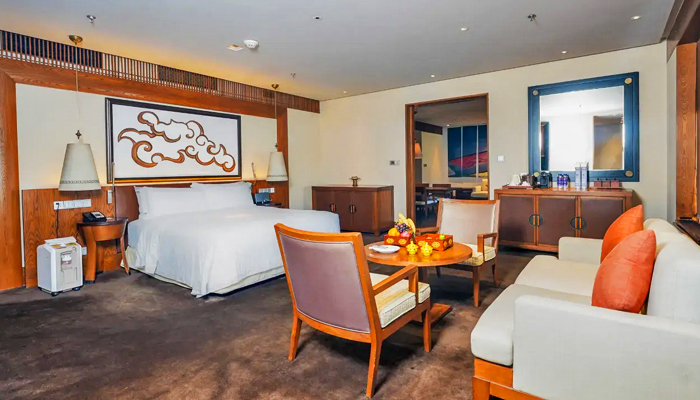 A comfortable hotel room can help ease altitude discomfort in Lhasa.

Join our well-designed Lhasa tour for a perfect first glimpse of Tibet!
Option 1: Hotels with Oxygen Enrichment (Diffuse Oxygen) - Is It Worth the Extra Cost?
How Diffuse Oxygen Works in Premium Hotels?
The Science Behind the Comfort
Diffuse oxygen supply systems help you breathe more easily and comfortably without wearing a tube or mask.
Instead, the hotel uses professional oxygen equipment to send oxygen directly into your room through wall vents. The oxygen spreads through the room, so you can simply breathe as usual while resting or sleeping.
The Magic Number
These systems usually increase the oxygen concentration in your room to around 24% to 25%.
At first, this may not sound like a big difference from the natural 21% oxygen level at sea level. But on the high-altitude Tibetan Plateau, this small increase can make a real difference.
It can effectively lower the “physiological altitude” of your room by nearly 1,000 meters. In simple terms, your body may feel like it is sleeping at a lower and more comfortable elevation.
The Real Pros: Why It’s a Lifesaver for Many Travelers?
High-Quality Sleep
The biggest benefit is that it helps reduce the "nighttime trap." By keeping your blood oxygen steady while you sleep, you can get a full, uninterrupted 8 hours of rest without waking up gasping for air.
Faster Physical Recovery
Your body does most of its healing and adapting while you sleep. Getting deep sleep on your first two nights gives your muscles and heart the vital energy they need to recover from the exhaustion of travel.
Anxiety Relief for First-Timers
Arriving in Tibet can be mentally stressful if you are constantly worrying about your breathing. Knowing that your room has a constant supply of fresh oxygen acts as a wonderful psychological safety net, allowing you to relax and enjoy the trip.
The Cons: Higher Cost and Possible Acclimatization Delay
The Higher Cost
Setting up and running these systems is incredibly expensive on the plateau. Because of this, rooms with diffuse oxygen usually cost more than standards rooms. For budget-conscious travelers, this is an important point to consider before booking.
Possible Acclimatization Delay
Your body adapts to high altitude by sensing lower oxygen levels. If you spend 10 to 12 hours each night in an oxygen-rich room, your natural adaptation process may slow down slightly.
As a result, when you leave Lhasa for higher places, such as Shigatse, Everest Base Camp, or Mount Kailash, you may still need to take things slowly and give your body time to adjust.
Top Recommended Hotels with Oxygen Enrichment in Lhasa
When choosing a hotel in Lhasa, it is important to check not only whether the hotel has oxygen, but also how the oxygen is provided. Some hotels offer 24-hour oxygen, while others only turn on the system during sleeping hours.
Luxury Hotels: Best for Maximum Comfort & Medical Support
Luxury hotels usually provide more complete oxygen support, better room comfort, and easier access to medical assistance.
- Shangri-La Lhasa: Good choice for safety and peace of mind. Every room has 24-hour oxygen concentrators, plus a free 24-hour diffuse oxygen lounge and an on-site medical room. Ideal for travelers with high anxiety or families.
- The St. Regis Lhasa Resort: Combines top-tier luxury with stunning Potala Palace views. All rooms include a 24-hour individual oxygen machine, and select premium rooms offer full diffuse oxygen. Medical support is available 24/7.
- InterContinental Lhasa Paradise: Every room features diffuse oxygen through the vents, automatically running from 8:00 PM to 8:00 AM, perfectly covering your sleeping hours.
- Songtsam Linka Lhasa: A boutique luxury hotel with traditional Tibetan style. Diffuse oxygen runs overnight from 6:00 PM to 10:00 AM, ensuring a restful night.
Mid-Range and Boutique Hotels: Best Value for Money
Mid-range and boutique oxygen hotels are good choices for travelers who want comfort without paying luxury hotel prices.
- Lhasa ChunQiu Oxygen-Rich Hotel: Budget-friendly with free, 24-hour oxygen in all rooms. Both diffuse room oxygen and individual oxygen machines are available.
- Pentsok Kangsang Oxygen-enriched Resort: Popular local brand offering excellent value. Every room has a 24-hour individual oxygen concentrator, plus continuous oxygen in the lobby.
- Lhasa Lagari Hotel: Known for its cozy "Diffuse Oxygen Manor" suites that combine steady oxygen flow with underfloor heating and humidifiers.
Local Expert Booking Tip:
Before booking, always confirm the oxygen type, oxygen hours, and whether it is included in the room rate. In Lhasa, “oxygen hotel” does not always mean free 24-hour oxygen in every room. Some hotels provide oxygen only at night, while others may charge extra for oxygen use or room upgrades.
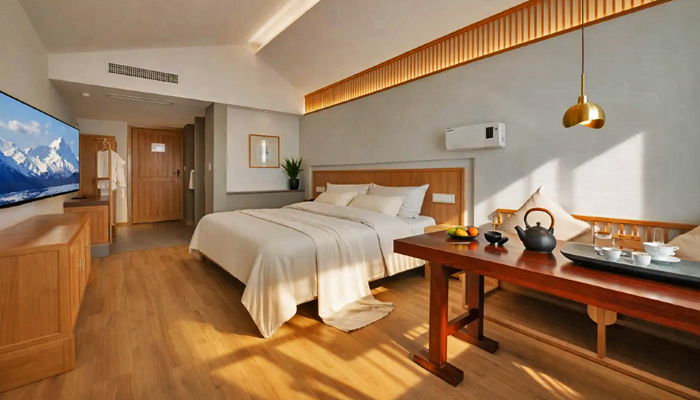 Lhasa ChunQiu Oxygen-Rich Hotel offers cost-effective rooms with 24-hour free oxygen.
Option 2: Portable Oxygen Cans - The Budget-Friendly Savior?
When walking around Lhasa, you will see blue or green metal bottles everywhere—from small convenience stores to street-side pharmacies. These are portable oxygen canisters. While they are highly visible and easy to buy, they are a completely different tool compared to a hotel’s built-in oxygen system.
Pros of Portable Oxygen Cans (The Benefits)
High Mobility
The biggest advantage is that they are completely portable. They are lightweight, fit easily into a small daypack, and allow you to carry an emergency oxygen supply wherever you go.
Budget-Friendly
Unlike oxygen hotel rooms, canisters are incredibly cheap. At local grocery stores and pharmacies in Lhasa, a standard can only costs about 15 to 30 RMB ($2 to $4 USD).
Instant, Fast Relief
If you feel a sudden wave of dizziness, shortness of breath, or mild nausea while exploring the city, taking a few puffs from a can gives you immediate, on-the-spot relief.
Cons of Portable Oxygen Cans (The Limitations)
Zero Nighttime Protection
Because these canisters require you to manually press a button while breathing in, they are completely useless for overnight sleep protection.
Environmental Waste
Each can contains a very limited amount of compressed oxygen. A typical traveler can easily go through several cans a day, creating a large amount of empty aluminum waste during a short trip.
Strict Transport Bans
Due to airline and high-speed rail safety regulations, compressed oxygen canisters are strictly banned in checked luggage and carry-on bags. You cannot bring them with you to Lhasa; you must buy them after you arrive.
The Dangerous Myth: "I'll Just Sleep with 5 Cans by My Bed"
Some budget travelers try to skip the premium of an oxygen hotel by placing several portable cans on their nightstand, thinking, "If I wake up gasping, I’ll just spray a can."
This is a dangerous misconception. During deep sleep, your body can experience silent hypoxia—a drop in blood oxygen that doesn’t always wake you up immediately. Hours can pass, leaving you with a severe headache by morning.
Even if you do wake up, a portable can only provides a brief, temporary fix. It cannot supply the steady, continuous oxygen flow your body needs for an 8-hour sleep cycle.
Portable oxygen cans are best used for daytime activities or sudden dizziness, not as a substitute for nighttime oxygen.
The True Value: When and How to Use Portable Cans
Portable oxygen cans are highly useful, but only when used for their intended purpose:
- Ideal Scenarios: Keep them in your daypack for outdoor walking, exploring local markets, or climbing the steep stone steps of the Potala Palace.
- Usage Tips: Avoid pressing the button continuously or inhaling too frequently when it’s not necessary, as this can create a mental reliance on the quick rush. Instead, treat them as a temporary emergency measure: take 2–3 deep breaths when you feel sudden shortness of breath or dizziness, then allow your body to stabilize naturally.
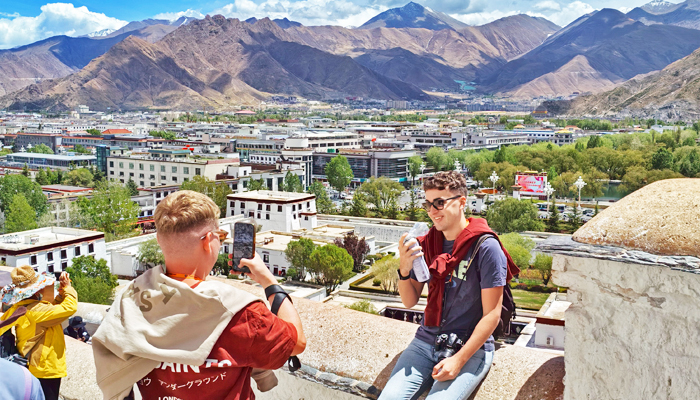 Portable oxygen cans are useful for daytime activities or sudden dizziness in Lhasa.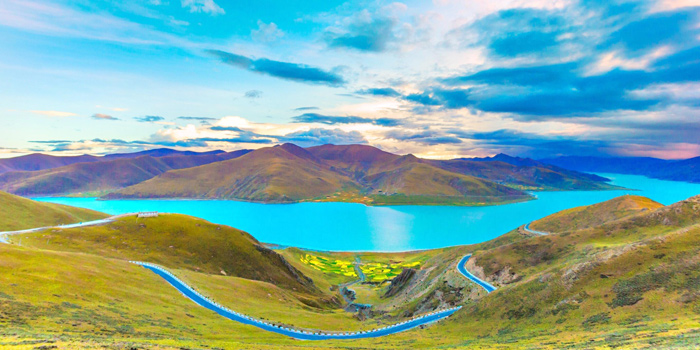
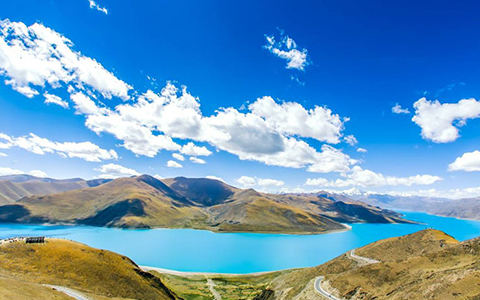
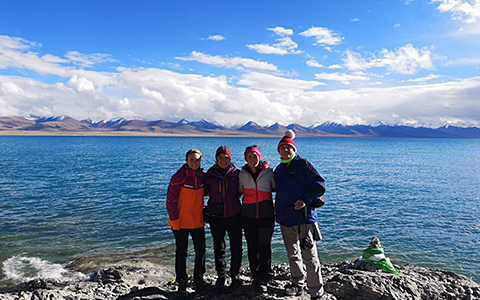
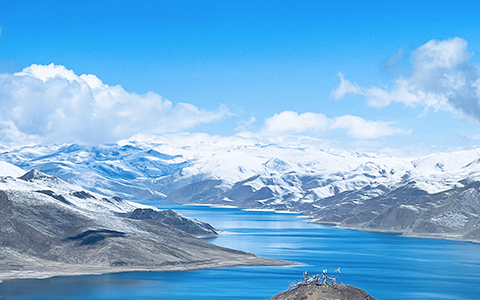
Explore the turquoise lake beyond Lhasa with our traveler-friendly service!
The Complete Altitude Oxygen Decision Guide: Oxygen-enriched Hotel vs. Portable Cans
Before choosing your travel strategy, here is the quick, side-by-side breakdown of how each option fits your budget and health needs in Lhasa.
Detailed Comparison Matrix
| Features | Hotels with Oxygen Enrichment | Portable Oxygen Canisters |
|---|---|---|
| Delivery | Diffuse oxygen via room vents (raises level to 24%–25%). | Manual spray via a portable plastic mask. |
| Best For... | Nighttime Sleep Protection (Prevents midnight insomnia). | Daytime Mobile Support (Aids walking/climbing). |
| Real Cost | Higher Premium (+50–100 RMB/night at boutique tier). | Extremely Low (15–30 RMB or $2–$4 USD per can). |
| Target Audience | First-timers, families, elderly, and high-anxiety travelers. | Budget backpackers, young travelers, and train travelers. |
| The Biggest Pro | Guarantees 8 hours of deep sleep and faster recovery. | Lightweight, highly portable, and offers instant relief. |
| The Biggest Con | Acclimatization Delay: Temporarily slows natural adaptation. | Zero Nighttime Protection: Cannot be used while asleep. |
The Golden Summary
Remember this local rule: Oxygen hotels protect your nights; portable cans support your days. Paying for an oxygen hotel is a strategic investment for your first 48 hours to secure the deep sleep your body needs to adapt. Portable cans are simply a cheap, excellent backup for exploring the city streets.
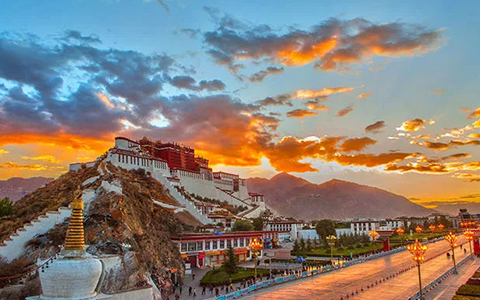
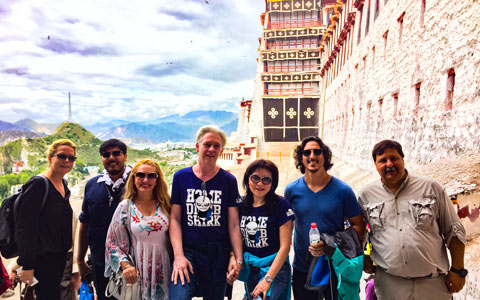
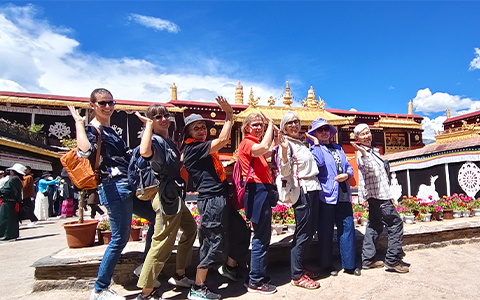
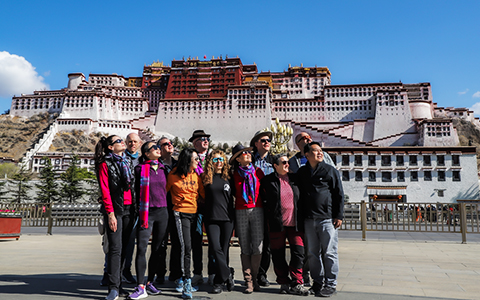
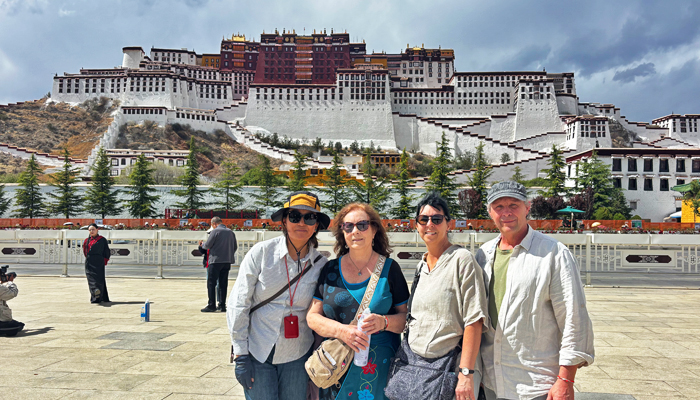 Portable oxygen cans are a useful backup when exploring Potala Palace and other attractions in Lhasa.
The Matchmaker: Which Strategy Fits Your Travel Style?
Choosing the right oxygen setup in Lhasa depends on your budget, health condition, and travel style. Here are three common traveler profiles to help you find the best approach.
Scenario A: The "First-Timer / Family" Strategy (Highly Recommended)
Who Fits This Profile: Travelers flying directly into Lhasa from low-altitude cities, families with elderly relatives or young children, or anyone who feels anxious about altitude sickness.
The Tailored Strategy: Book an oxygen-enriched hotel for your first two nights. This ensures your body gets high-quality, restorative sleep during the highest-risk 48-hour acclimatization window.
On the third night, once your body has begun adapting, you can safely switch to a standard, non-oxygenated hotel to save money.
Why It Works: It guarantees a stress-free start to your Lhasa tour and prevents severe symptoms from ruining your vacation early on..
Scenario B: The "Budget / Train Traveler" Strategy
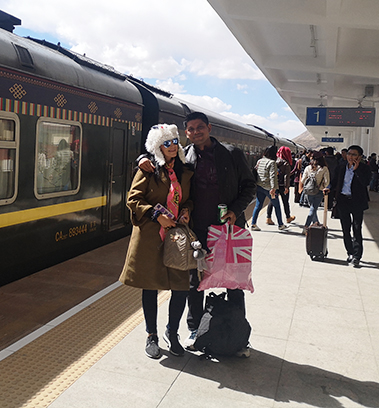
Who Fits This Profile: Young backpackers, solo travelers on a tight budget, or those arriving via the Tibet train, which helps the body gradually adapt to higher elevations.
The Tailored Strategy: Stay in a standard hotel but ensure the property can provide a large medical-grade oxygen cylinder or oxygen concentrator if needed. Keep 3-4 portable oxygen canisters handy for daytime use or short-term relief in case of mild headaches.
Why It Works: This option helps keep costs lower while still giving you a useful safety backup if altitude symptoms appear.
Scenario C: The "Out-of-Lhasa Overland & Trekking" Strategy
Who Fits This Profile: Adventure seekers planning long-distance overland trips or an epic trip to Everest Base Camp, Namtso Lake, or Mount Kailash.
The Golden Local Rule: Never rush out of Lhasa. No matter how fit you are, spend at least 2 to 3 days in Lhasa before heading higher. Moving too quickly is one of the main reasons altitude sickness becomes serious.
The Tailored Strategy: Stay in an oxygen-enriched hotel for the first two nights to build strength and reduce anxiety. On the third night, switch to a regular room to give your body a "test run" at natural Lhasa altitude.
Why It Works: This approach helps you complete the first stage of acclimatization in Lhasa and prepares you better for more remote, higher-altitude areas ahead.
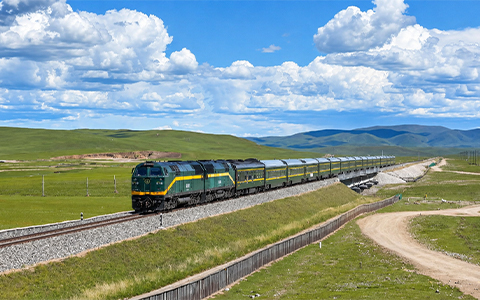
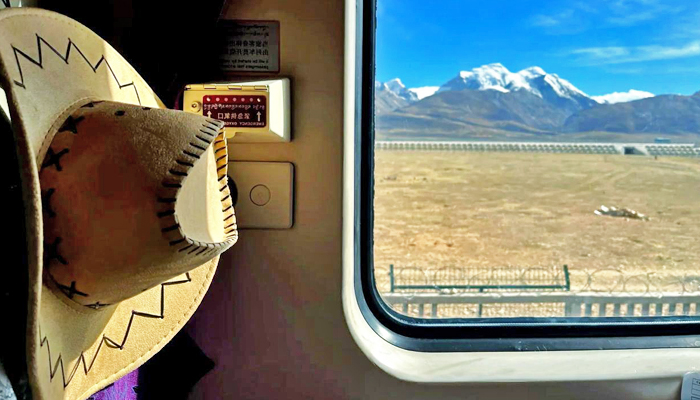 Oxygen supply ports are available on Qinghai-Tibet Railway trains.
Beyond Oxygen: Two Hidden Factors That Will Ruin Your Sleep in Lhasa
When travelers sleep poorly in Tibet, they often blame altitude sickness right away. But oxygen is only part of the story. In Lhasa, two other room conditions can also affect your sleep: dry air and the wrong type of heating.
The Desert-Like Dryness
Lhasa’s air is very thin and dry, especially at night. In a standard hotel room, humidity can drop very low, making the air feel more like a high-altitude desert.
Because of this, many travelers wake up on their first night with a dry throat, coughing, a blocked nose, or even a nosebleed. These symptoms can feel similar to early altitude sickness, which may cause unnecessary worry.
The simple solution is to use a humidifier. When booking your hotel, check whether the room has a built-in humidifier. If not, ask the front desk for a portable one when you check in. Oxygen helps with breathing, but it does not solve dry air.
Heating Matters More Than You Think
Lhasa can be sunny and pleasant during the day, but temperatures drop quickly after sunset. A warm room is important, but the heating system can make a big difference.
Some standard hotels use air conditioning for heating. If it runs all night, it blows warm, dry air across the room. This can make your throat drier, increase dehydration, and even make altitude headaches feel worse.
A better option is a hotel with underfloor heating, such as some boutique or higher-end hotels in Lhasa. It warms the room evenly without blowing dry air toward your bed. This helps keep the room more comfortable and makes it easier to get a good night’s sleep.
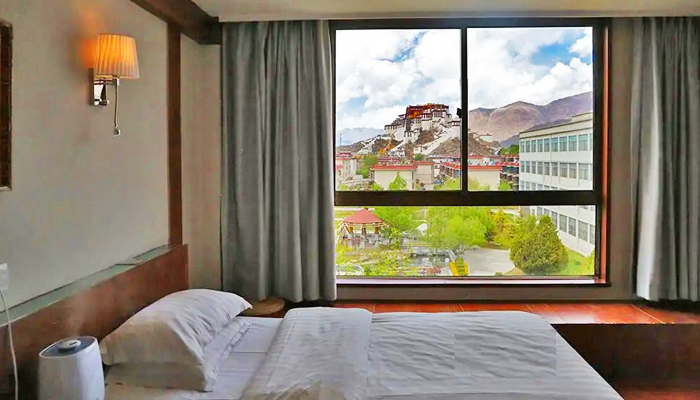 Choose a hotel room with a humidifier and oxygen supply when staying in Lhasa.
Insider Tips from a Lhasa Local Expert
To complete your altitude strategy, here are 6 practical tips from our local team in Lhasa. These tips can help you save money, avoid common tourist mistakes, and feel more comfortable during your first days in Tibet.
Tip 1: Adjust Supplemental Oxygen Gradually
Do not use your hotel’s oxygen system like a simple on/off switch.
If you sleep in an oxygen-enriched room and turn it off completely right after waking up, your body may feel a sudden change. This can make headaches or tiredness return.
A better way is to reduce the oxygen slowly. You can turn down the flow rate or open the window slightly for a short while before going outside. This gives your body time to adjust more smoothly.
Tip 2: Buy Portable Oxygen Locally at Fair Prices
Avoid buying oxygen canisters at the airport or online before your trip. They are often overpriced, and you usually cannot bring them on flights anyway.
After arriving in Lhasa, you can easily buy portable oxygen at local supermarkets, convenience stores, or pharmacies. A standard canister usually costs around 15 to 30 RMB, which is about 2 to 4 USD.
Tip 3: Prevent Altitude Sickness by Taking It Slow
The golden rule for your first day in Tibet is simple: walk slowly, speak calmly, and avoid running, heavy lifting, or climbing too many stairs.
Even if you feel fine after arriving, your body is still working hard to adjust to the altitude. Keep your first day relaxed and save more active sightseeing for later in the trip.
Tip 4: Drink Enough Water and Eat Light Meals
Lhasa’s air is very dry, so your body loses water quickly just from breathing. Drink warm water regularly during the day. You can also try Tibetan sweet tea, which is a comforting local choice.
For the first 48 hours, avoid alcohol and heavy, oily dinners. Digestion can slow down at high altitude, and a heavy stomach may make it harder to sleep well at night.
Tip 5: Fly to Nyingchi First for Easier Acclimatization
For travelers who are worried about altitude sickness, or those traveling with elderly family members, Nyingchi can be a gentler first stop than Lhasa.
Nyingchi sits at a lower altitude of about 2,950 meters. It has greener landscapes, more forests, and a more comfortable climate. Taking a flight to Nyingchi and spending your first 1 to 2 nights there can help your body adjust before continuing to Lhasa.
Tip 6: Travel with a Reliable Tibet Travel Agency & Local Guide
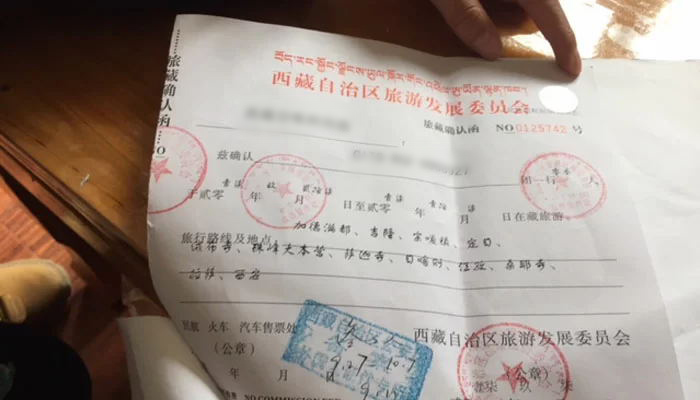
As an international traveler, you are required to visit Tibet on an organized tour. Booking a professionally managed Lhasa tour through a reliable local agency makes all the difference
With an average of 15 years of experience, our Tibetan guides know how to recognize the early signs of altitude sickness. They also keep emergency oxygen in the tour vehicle and know where to find medical help if needed.
This local support becomes even more valuable when you travel beyond Lhasa to higher-altitude destinations such as Shigatse, Everest Base Camp, or Mount Kailash.
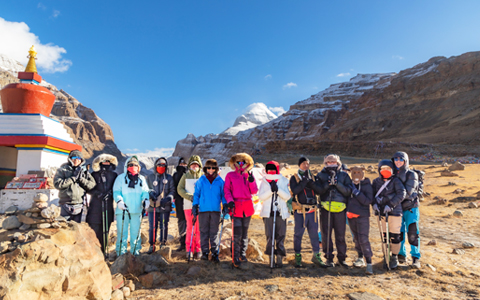
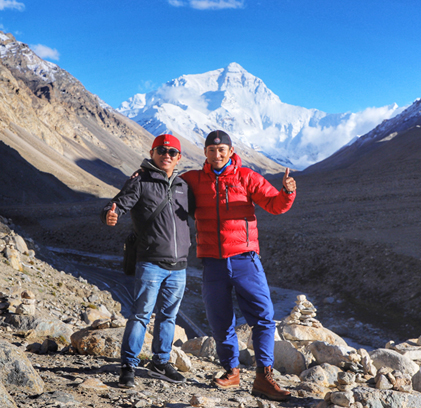
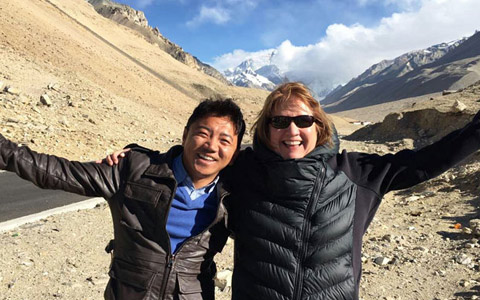
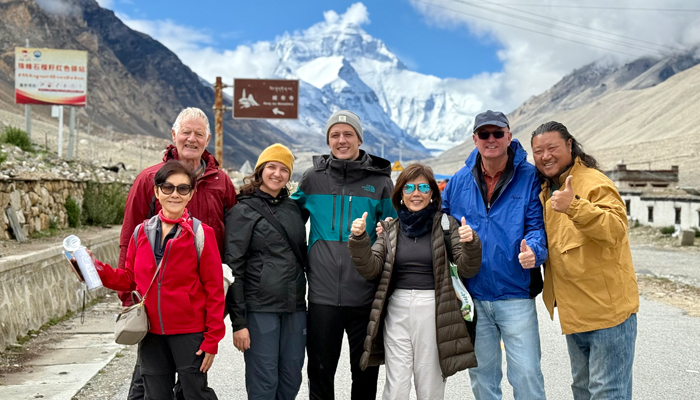 Our local Tibetan guide helps travelers adapt during the Lhasa to Everest Base Camp trip.
Your Checklist: Preparing Before You Arrive in Lhasa
A successful trip to the Tibetan Plateau starts before you board your flight or train. Use this quick checklist to prepare your medical kit and plan your first important hours after arrival.
Medications to Discuss with Your Travel Doctor
Diamox, also known as Acetazolamide, is one of the most commonly used prescription medicines for preventing and treating altitude sickness. It helps your body adjust faster by encouraging deeper breathing.
Talk to your doctor well before your trip to see if it is suitable for you. Some travelers start taking a low dose about 24 hours before arriving in Lhasa, but this should always be based on medical advice.
You may also want to pack a pulse oximeter. This small clip-on device measures your blood oxygen level and heart rate within seconds. It is useful for checking how your body is adapting to the altitude.
A friendly note:
Do not worry too much if your oxygen level looks lower than usual. At sea level, a reading below 95% may seem concerning. But in Lhasa’s thin air, an SpO2 reading between 85% and 90% can be normal for a healthy traveler who is still adjusting.
If your reading stays below 80% while resting, or if you feel seriously unwell, use supplemental oxygen and let your guide know immediately.
The 3 Rules for Arrival Day
The moment you arrive in Lhasa, your body starts working hard to adjust to the high altitude. To make your first 12 hours easier and safer, follow these three simple local rules.
Rule 1: Skip the Shower
After a long journey, a hot shower may feel very tempting. However, it is better to avoid taking a shower or washing your hair on your first night.
A hot shower can speed up blood circulation and increase your body’s oxygen use. It may also make you more likely to catch a cold, which can make altitude sickness harder to manage.
Rule 2: Avoid Alcohol and Caffeine
Skip the celebratory beer and strong coffee on your first day in Lhasa.
Both alcohol and caffeine can dehydrate your body, disturb your sleep, and make altitude headaches worse. For the first 24 to 48 hours, warm water, herbal tea, or Tibetan sweet tea are better choices.
Rule 3: Walk at a Turtle Pace
Move slowly, even if you feel completely fine.
Walk at half your normal speed, avoid carrying heavy bags, and do not run, even if you are just trying to catch the hotel elevator. Slow, steady movement helps keep your heart rate stable and gives your body more time to adjust.
Normal Acclimatization vs. Severe Altitude Sickness Checklist
It is normal to feel a little different when you first arrive in Lhasa. Your body is adjusting to thinner air, so mild discomfort does not always mean something serious.
Use this simple checklist to know when to stay calm and rest, and when to tell your guide and seek medical help.
| Normal Acclimatization | Seek Medical Help Immediately |
|---|---|
| Mild, dull headache that improves with rest or pain relief | Severe headache that does not improve after taking pain relief |
| Feeling slightly breathless or having a faster heartbeat when walking upstairs | Shortness of breath while resting or sitting still |
| Waking up once or twice at night, but being able to fall back asleep | Persistent dry cough or a gurgling sound in the chest |
| Slight loss of appetite or feeling more tired than usual | Severe vomiting, heavy dizziness, or trouble walking straight |
If your symptoms are mild, slow down, drink warm water, and rest. If symptoms become severe or continue to worsen, tell your guide right away and visit a clinic as soon as possible.
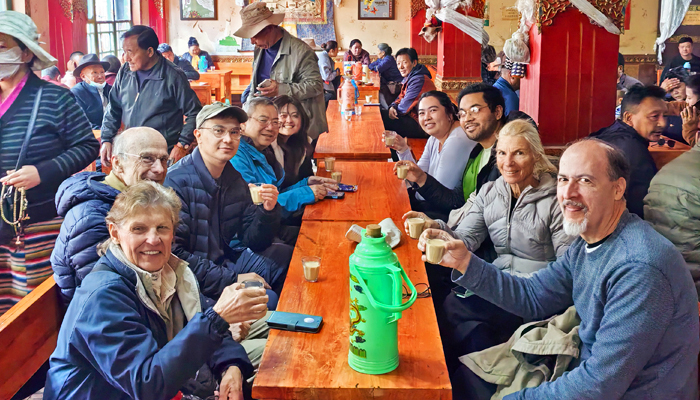 Guests enjoy Tibetan sweet tea at local teahouses in Lhasa.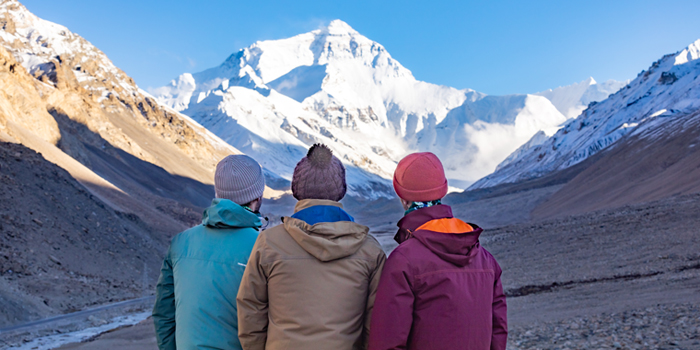
Enjoy a safe and memorable journey to Mount Everest with us!
Frequently Asked Questions about Oxygen Choices in Lhasa
Q1: Can I bring portable oxygen cans on the flight to Lhasa?
No. Portable oxygen cans are compressed gas canisters, so they are not allowed in carry-on or checked luggage.
There is no need to buy them before your trip. After arriving in Lhasa, you can easily find fresh oxygen canisters at local convenience stores, supermarkets, or pharmacies. A standard canister usually costs around 15 to 30 RMB.
Q2: Does every room in an oxygen hotel have free oxygen?
Not always. This is a common detail travelers may overlook when booking hotels in Tibet. Different hotels have different oxygen policies, and they usually fall into four types:
- Free 24-hour oxygen: Some luxury hotels or high-end boutique hotels often include oxygen in the room rate. You can use it anytime, day or night, without extra payment.
- Free overnight oxygen only: Some mid-range or high-end hotels provide free diffuse oxygen only during sleeping hours, usually from evening until the next morning.
- Paid & upgraded oxygen service: Some standard or budget hotels have oxygen equipment in the room, but you may need to pay extra to activate it. In some hotels, you can also upgrade from a regular room to an oxygen-enriched room for an additional fee.
Q3: How do I know if I need a hospital instead of just an oxygen hotel?
An oxygen-enriched hotel room is helpful for mild discomfort, better sleep, and early prevention. But it is not a medical clinic.
You should seek medical help immediately if you have serious symptoms such as shortness of breath while resting, continuous vomiting, a persistent wet cough, confusion, severe dizziness, or difficulty walking in a straight line.
Q4: Can I share one oxygen room with my travel partner if only one of us has altitude sickness?
Yes. If the room uses diffuse oxygen, where oxygen is released into the whole room through vents, it is safe for both travelers.
The person with symptoms can get better sleep support, while the other person can also enjoy a more comfortable night. You do not need to worry about too much oxygen in a normal hotel diffuse oxygen room.
Q5: Will relying on hotel oxygen delay my acclimatization for the rest of my Tibet tour?
It may slow the natural adaptation process slightly. Your body adjusts to altitude by sensing lower oxygen levels and gradually adapting to them.
However, using hotel oxygen during the first 1 to 2 nights in Lhasa can still be a smart choice, especially for first-time visitors. Good sleep during the first 48 hours can help prevent symptoms from getting worse at the start of your Tibet tour.
A balanced approach is best. Use an oxygen-enriched room for the first two nights if needed, then consider switching to a regular room before traveling to higher places such as Everest Base Camp.
Q6: Is there a difference between diffuse oxygen and oxygen concentrators in hotels?
Yes, they feel quite different.
Diffuse oxygen sends oxygen into the whole room through the ventilation system. You can move around freely and breathe normally without using a tube or mask.
An oxygen concentrator is a bedside machine. It collects air, concentrates the oxygen, and sends it to you through a nasal tube or mask. It works well, but you need to stay close to the machine while using it.
Q7: What should I do if I get severe altitude sickness at 3:00 AM in a regular hotel?
First, stay calm and contact your local Tibetan guide immediately. A reliable travel agency like us should have a 24-hour emergency contact.
Next, ask whether the hotel has an emergency oxygen cylinder at the front desk. Many standard hotels keep oxygen available, sometimes for an extra fee.
If you have portable oxygen cans, take slow breaths rather than using too much at once. Your guide can then help arrange transport to a local clinic or hospital if needed.
Q8: If I acclimatize well in Lhasa, does that mean I will not get altitude sickness later?
No. Acclimatizing during your Lhasa tour means your body has adjusted to about 3,650 meters.
If your trip continues to higher places, such as Namtso Lake at about 4,718 meters or Everest Base Camp at about 5,200 meters, your body will face a new altitude jump. You still need to take it slowly and allow time to adjust again.
This is why spending your first few days in Lhasa at a relaxed pace is so important before traveling deeper into Tibet.
Conclusion
At 3,650 meters, Lhasa is a truly magical city, but its thin air deserves respect, especially at night. Once you understand the “nighttime trap,” you will know that preventing altitude sickness is not only about managing daytime tiredness. It is also about protecting your sleep.
When planning your Tibet journey, do not see an oxygen-enriched hotel as an unnecessary luxury or a sign of weakness. It can be a smart investment in your comfort and safety. During your first 48 hours in Lhasa, a stable oxygen-rich room can help your body get the deep rest it needs to adjust.
After this important adjustment period, you can switch to a regular room if you feel well, carry a few portable oxygen cans for daytime use, and continue exploring Tibet at a steady pace.
With the right oxygen plan, enough water, slow movement, and a relaxed schedule, you can reduce altitude worries and enjoy a smoother, more memorable journey across the Tibetan Plateau.
Ready to plan your Tibet journey? Our local team has been guiding travelers across Tibet’s high-altitude landscapes for over 30 years. We know how to help you stay safe, comfortable, and well prepared at every step.
Contact our local Tibet travel experts to customize your tour, arrange suitable hotel bookings, and secure your official Tibet Travel Permit smoothly for the 2026 travel season.


Ask a Quick Question