








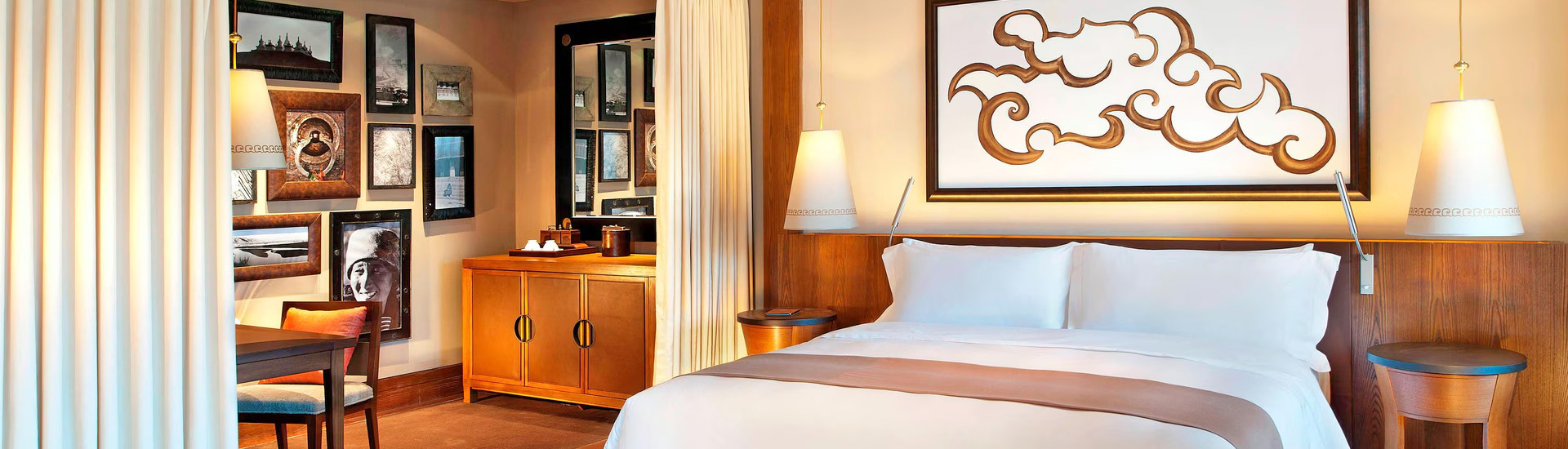

Hotels in Tibet work a little differently from those in many other destinations. Because of the high altitude and local travel rules, things like oxygen supply, heating, location, and Tibet Travel Permit requirements can all affect your stay.
This guide answers the 20 most common questions travelers ask before booking hotels in Tibet. You’ll learn which hotels welcome foreign guests, where to stay in Lhasa, whether luxury hotels are worth it, and what to expect in remote areas like Everest, Mount Kailash, and Namtso Lake.
With these practical tips, you can choose your Tibet accommodation more confidently and enjoy a smoother journey from the start.
Quick Answers about Tibet Hotels
| Question | Quick Answer |
|---|---|
| Can foreigners book hotels in Tibet? | Yes, but not all hotels accept international guests. |
| Tibet Travel Permit needed? | Yes. You can book before getting it, but the permit is required to enter Tibet. |
| Book through a travel agency? | Recommended for permit, itinerary, and hotel coordination. |
| Do hotels provide oxygen? | Many do, but type and fees vary. |
| Oxygen hotel needed first night? | Helpful for first-time visitors, families, or those flying to Lhasa. |
| Best area to stay in Lhasa? | Barkhor, Potala Palace, or quieter modern districts. |
| Remote area hotels comfortable? | Basic facilities available near Everest, Mount Kailash. |
| When to book? | 1–3 months in advance during peak season. |
Contents
 2. Do I need a Tibet Travel Permit before booking a hotel?
3. Should I book Tibet hotels through a travel agency or on my own?
4. Do hotels in Lhasa provide oxygen, and is it free or charged separately?
5. Is an oxygen-enriched hotel necessary for my first night in Lhasa?
6. What should I expect on my first night in a Tibet hotel?
7. Where is the best area to stay in Lhasa for first-time visitors?
8. What types of hotels are available in Lhasa?
9. How much does a hotel room in Tibet typically cost?
10. Are luxury hotels in Lhasa worth the extra cost, and which brands are popular?
11. What are hotels like in Shigatse and Nyingchi, and how do they compare with Lhasa?
12. What are hotels like near Everest Base Camp in Tibet?
13. What is the accommodation like during the Mount Kailash Kora trek?
14. Can I stay overnight at Namtso Lake? If not, where should I sleep?
15. Are Tibet hotels warm enough in winter?
16. Will hotel staff in Tibet speak English?
17: What are the bed options in Tibet hotels, and are triple rooms available?
18. What does a typical Tibetan hotel breakfast include? Are there vegan options?
19. How early should I book hotels in Tibet?
20. Can I cancel or change my Tibet hotel booking if my permit or itinerary changes?
1. Can foreign travelers book hotels in Tibet by themselves, and do all hotels accept international guests?
Yes, you can book your own hotels in Tibet, but not all hotels accept foreign guests.
In Tibet, only hotels with a “foreign-designated” license are allowed to host international travelers. This means some guesthouses may refuse check-in if you arrive with a foreign passport.
Your hotel booking must also match your Tibet Travel Permit itinerary. Every overnight stay is registered in the permit system, so if your hotel does not match your approved route, you may face issues at checkpoints.
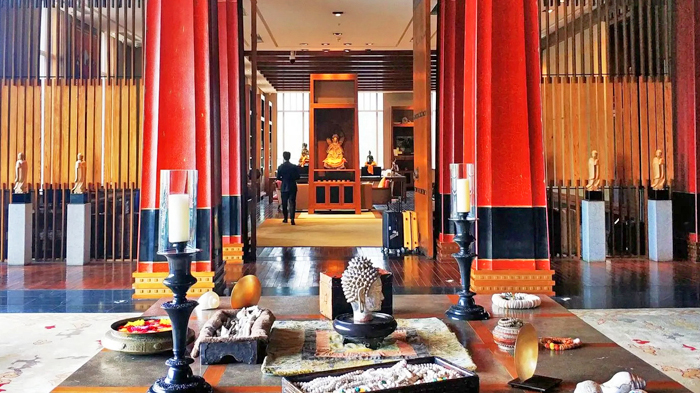 Only “foreign-designated” hotels in Tibet are permitted to host international travelers, such as the St. Regis Lhasa Resort.
2. Do I need a Tibet Travel Permit before booking a hotel?
No, you don’t need your Tibet Travel Permit before booking a hotel, but you must have it before entering Tibet.
You can confirm your hotel first while your permit is being processed. However, your hotel booking, travel route, and Tibet Travel Permit information must match. For example, if your permit shows an overnight stay in Shigatse, your hotel should also be arranged there.
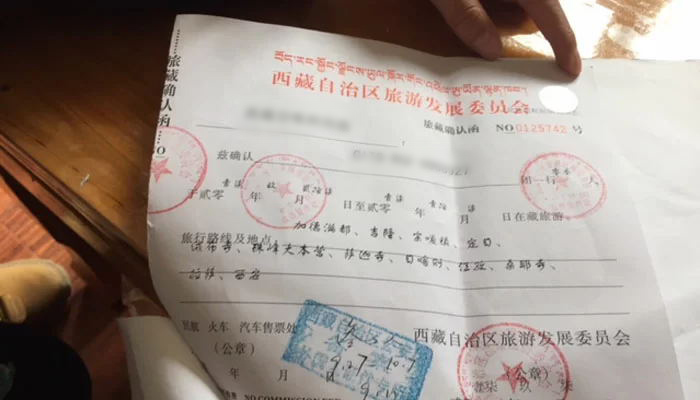
The Tibet Travel Permit cannot be applied for individually, but we can help you arrange it easily. Just contact us at least 20 days before your trip, and we’ll guide you through the process.
 All international travelers must obtain a Tibet Travel Permit before entering Tibet.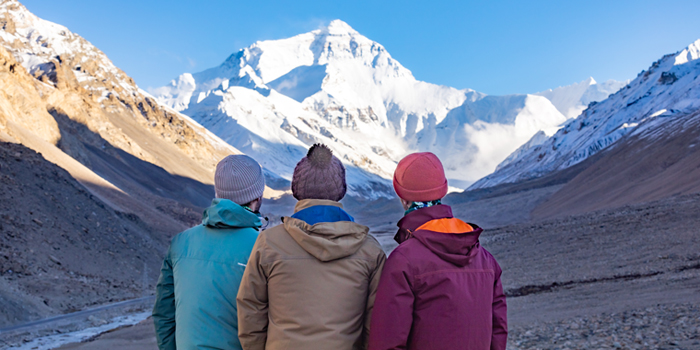

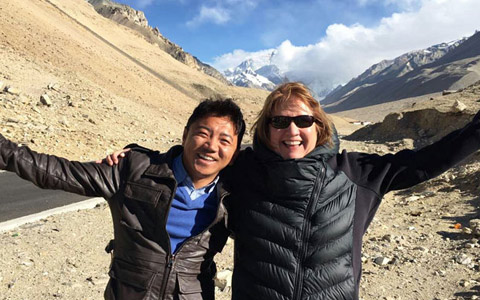
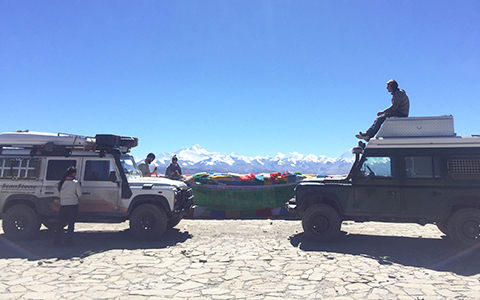
Travel to Mount Everest with comfortable hotels throughout your journey.
3. Should I book Tibet hotels through a travel agency or on my own?
Booking Tibet hotels through a local travel agency is highly recommended. It removes the risk of permit mismatches or licensing issues and makes it easier to secure the hotel you want.
A local agency does more than book rooms. It selects hotels that fit your route, comfort level, altitude needs, and budget, and can also handle last-minute changes due to weather or itinerary adjustments.
At TibetTour.org, we arrange hotels as part of your Tibet tour package, so your accommodation, permit, guide, and itinerary all work smoothly together from the beginning.
With our long-term partnerships with hotels across Tibet, we offer a wide range of options tailored to your preferences at the best local prices.
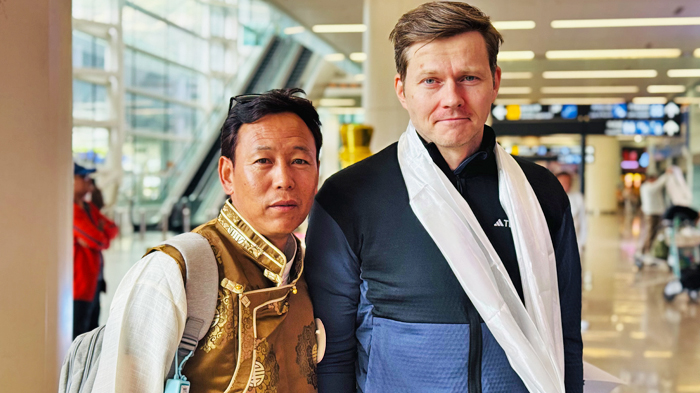 We provide airport pickup and hotel transfers at Lhasa Gonggar Airport as part of your Tibet tour.
4. Do hotels in Lhasa provide oxygen, and is it free or charged separately?
Yes, many hotels in Lhasa provide oxygen, but the type and cost vary by hotel.
Hotels in Lhasa generally offer oxygen in two forms: diffuse oxygen systems (oxygen flows directly into the room) and oxygen concentrators (bedside devices for on-demand use).
In terms of cost, luxury hotels often include oxygen in the room rate. In mid-range or budget hotels, it may be charged separately depending on room type, duration, or usage.
Tip: Before booking, always check whether oxygen is available, how it is provided, and whether it is included in the room price.
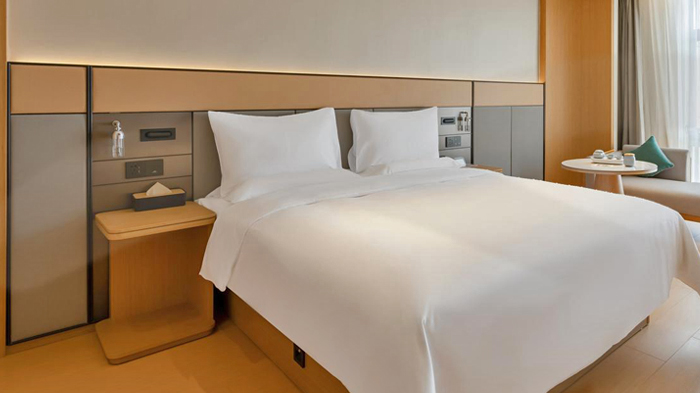 Many hotels in Lhasa are equipped with oxygen supply systems for high-altitude comfort.
5. Is an oxygen-enriched hotel necessary for my first night in Lhasa?
No, an oxygen-enriched hotel is not necessary for everyone, but it is highly recommended if you are worried about altitude sickness.
Lhasa sits at about 3,650 meters, so your first night is usually the key time for acclimatization. An oxygen-enriched room can help you breathe easier and sleep more comfortably.
It is especially helpful for elderly travelers, families with children, travelers flying directly to Lhasa, and anyone sensitive to altitude changes. If you are young, healthy, or already used to high-altitude places, a standard hotel may be enough.
For most travelers, booking an oxygen-enriched room for the first 1–2 nights is a smart and comfortable choice before switching to a regular room.
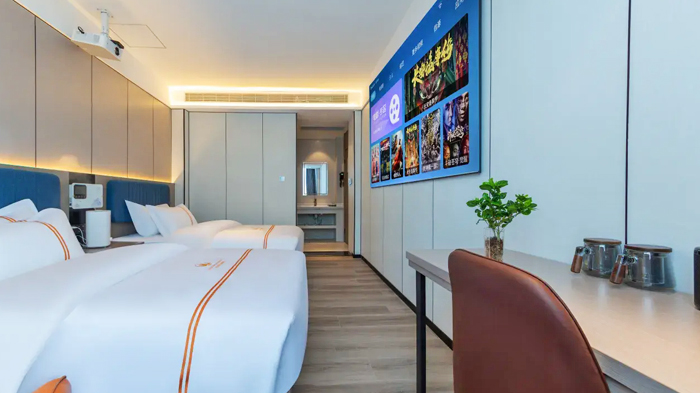 Booking an oxygen-enriched room for your first 1–2 nights in Lhasa is a smart choice.
6. What should I expect on my first night in a Tibet hotel?
Expect some light sleep and mild discomfort—this is normal on your first night at high altitude.
Common feelings include headaches, waking up early, and slight shortness of breath, as your body adjusts to Lhasa’s elevation. Take it slow and rest well.
Tips for a better first night:
- Avoid hot showers or heavy activity
- Drink enough water, but avoid alcohol and caffeine
- Eat light meals
- Keep your room warm and ventilated
- Use oxygen support if your room provides it
With these precautions, most travelers adapt within 1–2 nights and are ready to enjoy the city.
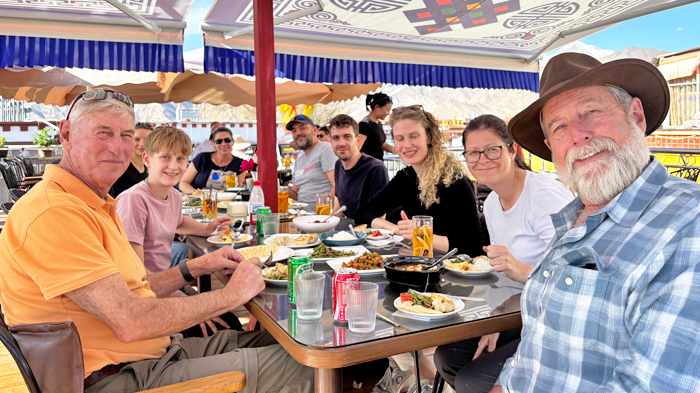 Drink enough water and eat light meals to help your body adjust to the high altitude in Lhasa.
7. Where is the best area to stay in Lhasa for first-time visitors?
For first-time visitors, the best areas to stay in Lhasa are Barkhor Street, the Potala Palace area, or a quieter modern district.
- Barkhor Street: Ideal for experiencing authentic Tibetan culture. You can walk around Jokhang Temple, explore local markets, and enjoy traditional tea houses. It’s lively and convenient, though some hotels may be smaller or less quiet.
- Potala Palace area: Great for views, photos, and easy access to major landmarks. Offers more mid-range and premium hotels, balancing sightseeing and comfort.
- Quieter modern districts (e.g., Lhasa River area): Best if you value larger rooms, newer facilities, and a good night’s sleep, though walking to major sights may take longer.
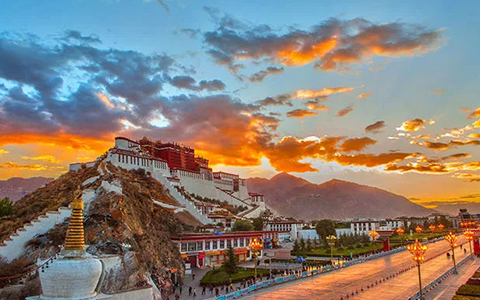
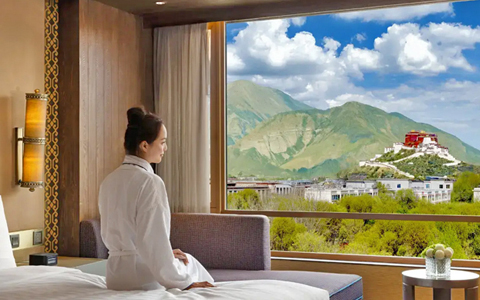
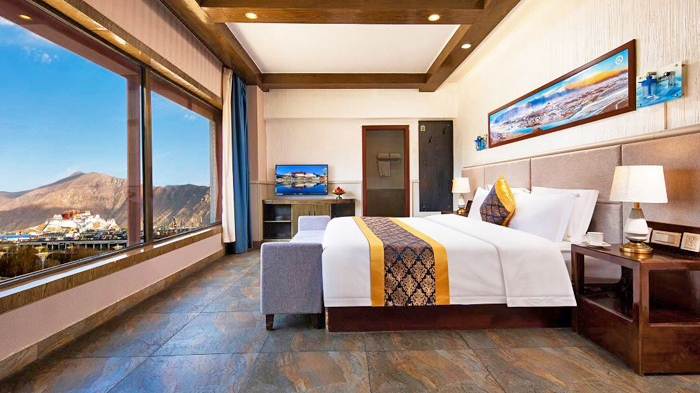 Stay in a hotel room with a stunning view of the Potala Palace in Lhasa.
8. What types of hotels are available in Lhasa?
Lhasa offers the widest range of hotels in Tibet, from international luxury hotels to Tibetan boutique stays and budget guesthouses.
Luxury 5-star hotels: Featuring high-end facilities, better service, Western-style breakfasts, and reliable oxygen supply. Popular choices include The St. Regis Lhasa Resort.
Tibetan boutique hotels: Usually 3 to 4-star level, loved for their Tibetan design, courtyard style, local atmosphere, and convenient locations near Barkhor Street. Thangka Hotel is one popular example.
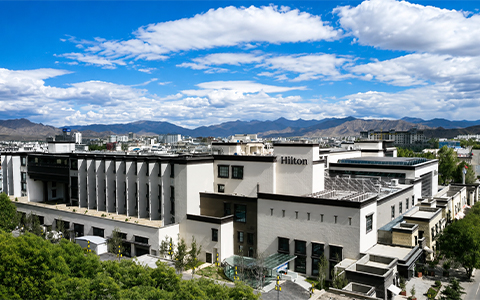
Modern mid-range hotels: These are practical, comfortable, and more standardized, with options such as Hilton Garden Inn Lhasa.
Budget guesthouses and hostels: Best for budget travelers. Places like Pingcuo Kang Sang Youth Hostel offer affordable rooms and a social atmosphere.
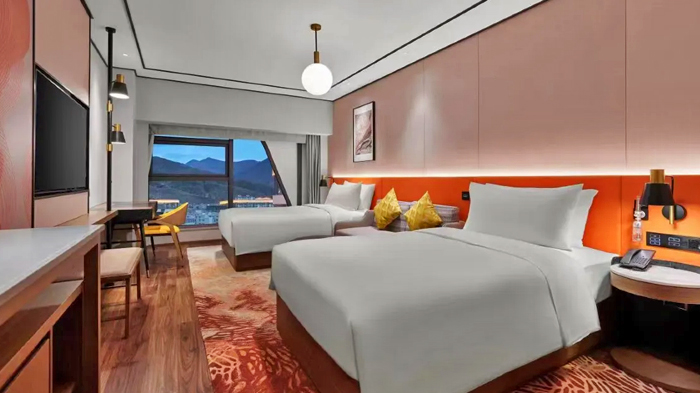 Hilton Garden Inn Lhasa is a modern mid-range hotel with comfortable facilities.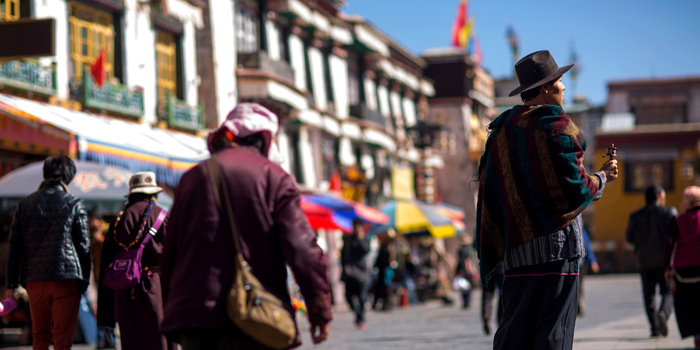
Relax and enjoy Lhasa’s cultural highlights while we take care of your hotels and travel arrangements.
9. How much does a hotel room in Tibet typically cost?
Hotel prices in Tibet generally range from USD 20 to over USD 300 per night, depending on hotel level, location, and season.
Prices can rise sharply in the peak travel season, especially from spring to autumn. Here is a simple guide:
- Budget Guesthouses / Hostels: USD 20–50 per night
Simple rooms or dorm beds, best for budget travelers.
- 3-Star / Tibetan Boutique Hotels: USD 40–120 per night
Comfortable rooms with local style and basic modern facilities.
- 4-Star / Modern Business Hotels: USD 60–150 per night
More reliable heating, hot water, breakfast, and oxygen room options.
- 5-Star International Luxury: USD 130–350+ per night
Premium service, better facilities, and stronger oxygen support.
Note: A single room supplement may apply. For solo travelers, you can join our small group tours and share room with another member to reduce costs.
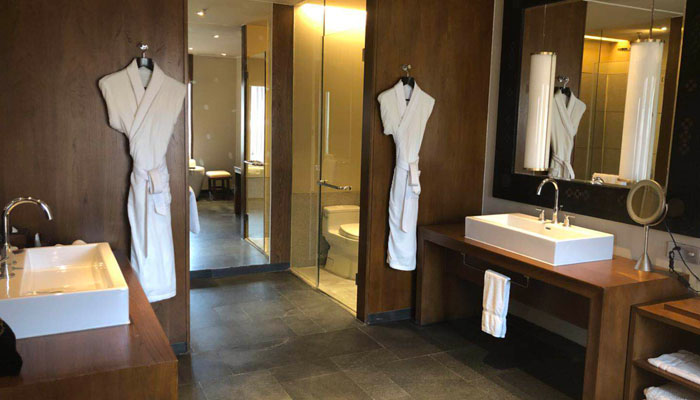 The St. Regis Lhasa Resort is a 5-star international luxury hotel with elegant Tibetan-style design.
10. Are luxury hotels in Lhasa worth the extra cost, and which brands are popular?
Yes, luxury 5-star hotels in Lhasa are worth it for comfort, altitude support, and convenience, especially for first-time visitors.
The three most popular international luxury brands in Lhasa are The St. Regis, Shangri-La, and InterContinental. They stand out for:
- Best Altitude Support: Central diffuse oxygen, 24-hour oxygen bars and on-site medical assistance.
- Reliable Amenities: Consistent floor heating, humidifiers, and 24-hour hot water.
- Easy Communication & Tasty Meals: English-speaking staff and wide food options (Western, Tibetan, Chinese, vegetarian)
- Stunning Views & Spa: Some rooms overlook the Potala Palace, with spa services to ease altitude fatigue
Local Expert Tip:
You don’t need luxury for your whole trip. It is recommended to spend 1–2 nights in a luxury hotel to acclimate comfortably, then move to a Tibetan boutique hotel to enjoy local culture and save money.
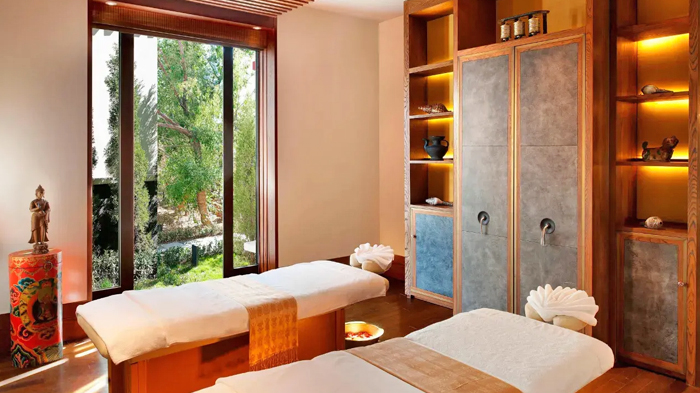 Relax and enjoy spa treatments at The St. Regis Lhasa Resort in Lhasa.
11. What are hotels like in Shigatse and Nyingchi, and how do they compare with Lhasa?
Shigatse and Nyingchi now offer comfortable hotels across different budgets, but Lhasa still has the widest selection and the most polished luxury options.
| Region | Altitude | Hotels | Key Experience | Oxygen Support |
|---|---|---|---|---|
| Lhasa | 3,650m | Luxury 5-star / mid-range / budget | Best variety, international brands, strongest facilities | Widely available |
| Shigatse | 3,800m | 4–5 star + mid-range + budget | Practical for Everest routes, good comfort, more local style | Available in higher-end hotels |
| Nyingchi | 3,000m | 4–5 star + mid-range + budget | Scenic, relaxed, nature-focused | Usually not needed |
In short: Lhasa offers the most choice and luxury, Shigatse is ideal for Everest routes, and Nyingchi is best for a relaxed nature stay.
12. What are hotels like near Everest Base Camp in Tibet?
Accommodation near Everest Base Camp has improved a lot, but it is still simpler than hotels in Lhasa or Shigatse. The main focus here is warmth, oxygen, and easy access to Everest views.
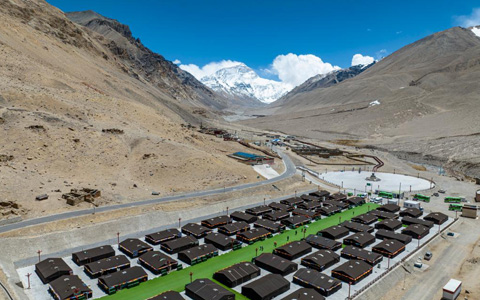
EBC tent hotels operate from April to October, offering simple rooms such as double, single, or standard options instead of old dorm-style layouts. Clean bedding and electric blankets are usually provided.
Rongbuk Monastery Guesthouse is available year-round. It offers slightly better facilities, including private bathrooms, hot water, oxygen supply, and even direct views of Mount Everest.
You can also stay in nearby towns like Tingri or Basong Village, which are at lower altitude and offer more comfortable hotel conditions.
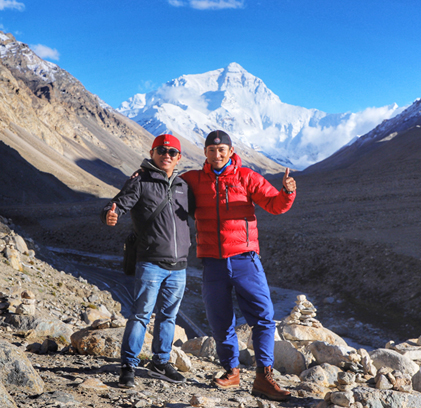
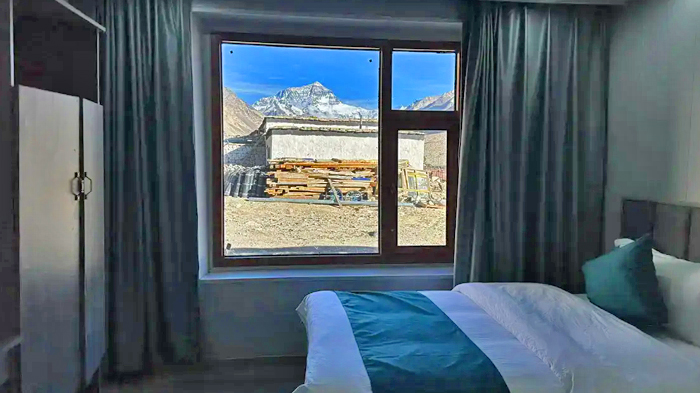 Rongbuk Hotel offers stunning views of Mount Everest near Everest Base Camp.
13. What is the accommodation like during the Mount Kailash Kora trek?
Accommodation during the Mount Kailash Kora trek is very basic, but manageable with the right expectations.
Before and after the kora, you’ll stay in Darchen, where some 3- to 4-star hotels offer private bathrooms, hot water, heating, and oxygen options.
During the 3-day kora, you’ll spend two nights in monastery guesthouses at Dirapuk and Zuthulpuk. Rooms are shared dorms for 3 to 6 travelers, with warm bedding provided. Electricity is limited, and there are no private bathrooms or showers.
Tip: Bring warm clothing, toiletries, a personal sleeping bag, and some snacks or food supplements.
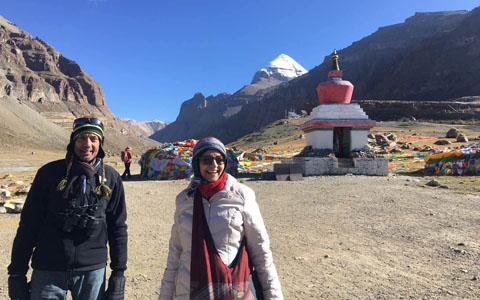
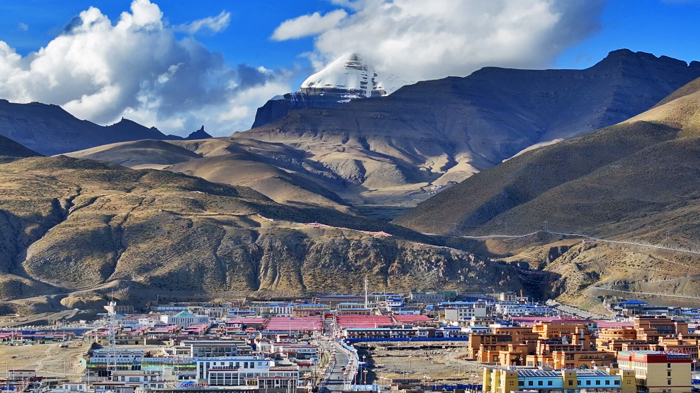 You can stay in Darchen before and after the Mount Kailash kora.
14. Can I stay overnight at Namtso Lake? If not, where should I sleep?
Overnight stays directly at Namtso Lake are not allowed at present. A better option is to stay in Damxung County, about 60 km from the lake.
Damxung offers small hotels and guesthouses, from basic rooms to more comfortable lodgings with heating, oxygen, and private bathrooms.
Staying here also gives you a chance to experience local life, see nomadic herders, and enjoy the peaceful atmosphere of the Tibetan Plateau after visiting Namtso Lake.
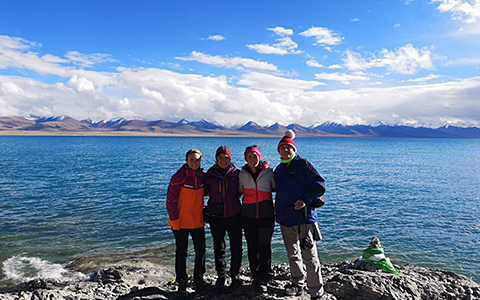
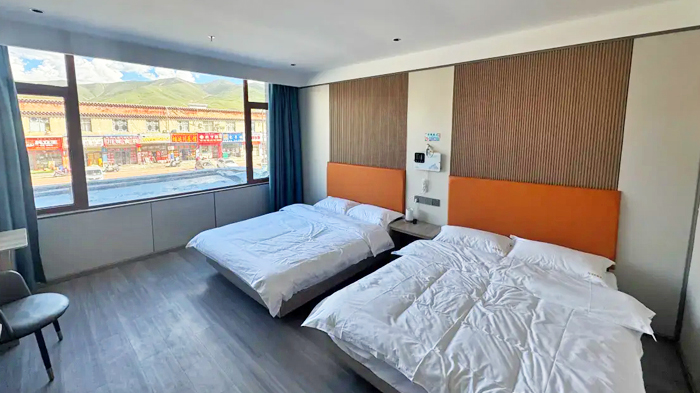 Stay in Damxung County when visiting Namtso Lake, about 60 km away.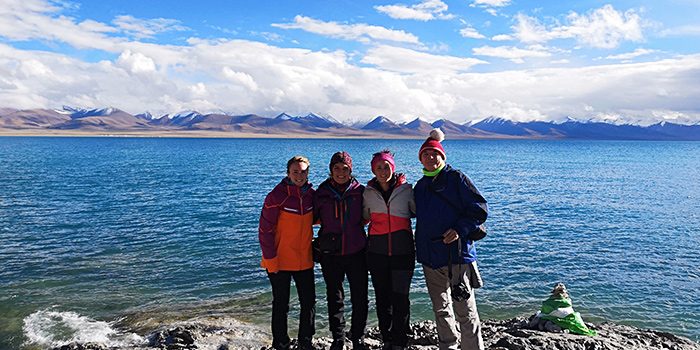
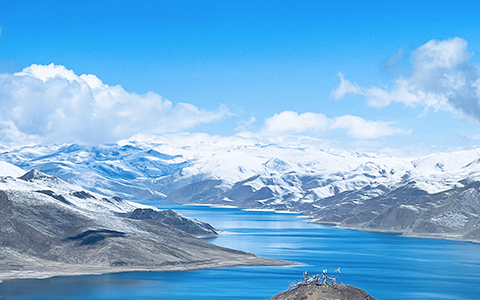
Explore sacred Namtso Lake and Everest Base Camp in one well-designed tour.
15. Are Tibet hotels warm enough in winter?
Most hotels in Tibet have heating in winter, but the quality and consistency vary by location and hotel level.
In Lhasa and major cities, most hotels are well-equipped with underfloor heating, central heating, or AC heating, keeping rooms comfortable at around 18°C to 22°C even in freezing weather.
In remote areas like Everest Base Camp, heating is more basic. Hotels usually provide electric blankets and thick bedding, so while the room itself may feel cold, you can still sleep warm at night.
Tip: Winter in Tibet is very dry, and heating can make the air even drier. If possible, ask for a humidifier to sleep more comfortably.
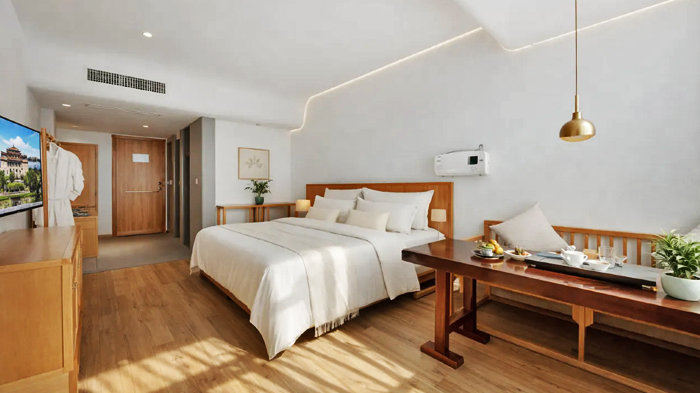 Most hotels in Lhasa offer heating and air-conditioning for year-round comfort.
16. Will hotel staff in Tibet speak English?
It depends on the hotel level, but English is limited in most places in Tibet.
In international luxury hotels in Lhasa and Shigatse, such as St. Regis and InterContinental, some staff can speak basic English and help with common requests.
In mid-range and local hotels, English ability is usually limited, and communication is often very simple or done with basic words.
In remote guesthouses and base camp areas, English is rarely used.
Warm Tip: Don’t worry about the language barrier. Our local Tibetan guides are fully fluent and will handle hotel check-ins, special requests, and restaurant communication throughout your journey.
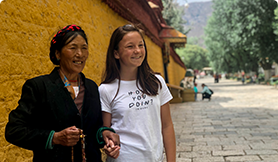
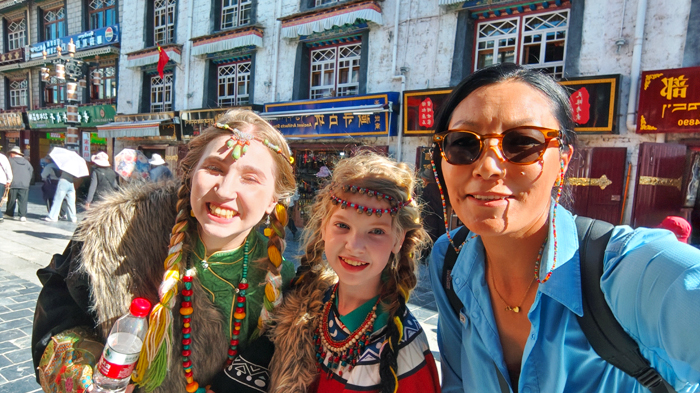 Explore Barkhor Street with our local English-speaking Tibetan guides.
17: What are the bed options in Tibet hotels, and are triple rooms available?
Yes, most hotels in Tibet offer standard twin rooms, and triple rooms are available in some hotels, especially in budget and mid-range categories.
The most common option is a twin room (2 single beds), which is used for both solo travelers and shared stays. Many hotels also offer double rooms (1 large bed), mainly for couples or private stays.
Triple rooms are less common but can be found in some budget hotels and group-friendly properties, especially in Lhasa and along popular tour routes.
In higher-end hotels, triple rooms are usually not standard, but extra beds or sofa beds may be arranged upon request.
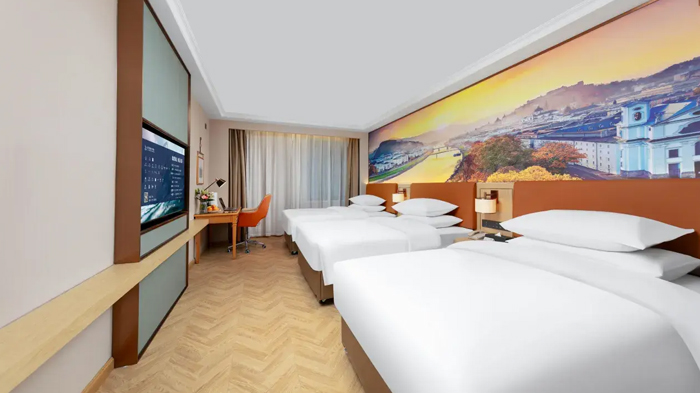 You can find triple rooms in some budget and group-friendly hotels in Lhasa.
18. What does a typical Tibetan hotel breakfast include? Are there vegan options?
Tibetan hotel breakfasts usually come in two main styles: a local Tibetan breakfast or a Western-style buffet.
A Tibetan breakfast is simple and local, often including butter tea, sweet tea, tsampa (roasted barley flour), noodles, and steamed buns—offering a light introduction to authentic Tibetan food.
A buffet breakfast, common in mid-range and luxury hotels, includes a mix of Western and Chinese dishes, such as bread, eggs, porridge, noodles, fried rice, vegetables, fruit, tea, and coffee.
For vegan travelers, there are usually safe choices like fruit, bread, porridge, noodles, vegetables, and tea, especially in larger hotels. Options may be more limited in smaller hotels or remote areas.
Tip: Luxury hotels in Lhasa offer the widest variety, and your guide can always help communicate any dietary needs during your trip.
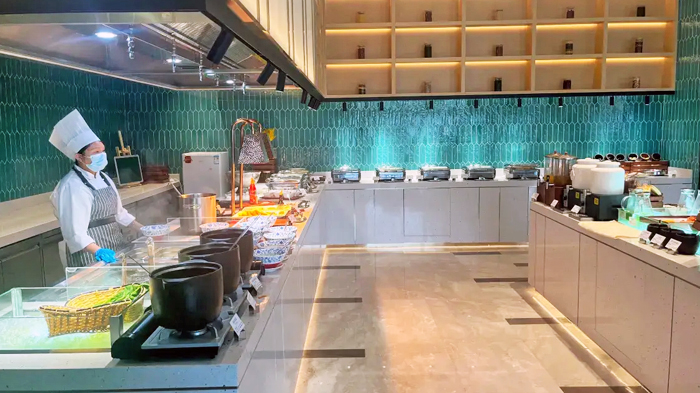 Mid-range and luxury hotels in Lhasa usually offer buffet breakfast.
19. How early should I book hotels in Tibet?
It’s best to book your Tibet hotels 1 to 3 months in advance, especially during peak travel season.
From April to October, Tibet is at its busiest, and popular hotels can sell out quickly. During this period, booking early helps you secure better rooms and more reliable options.
In the off-season (winter months), availability is usually easier, and you may not need to book as early, but choices can still be limited in remote areas.
Tip: If you join our Tibet tour, we’ll take care of your hotels, Tibet Travel Permit, and all travel arrangements together, so everything runs smoothly from the start.
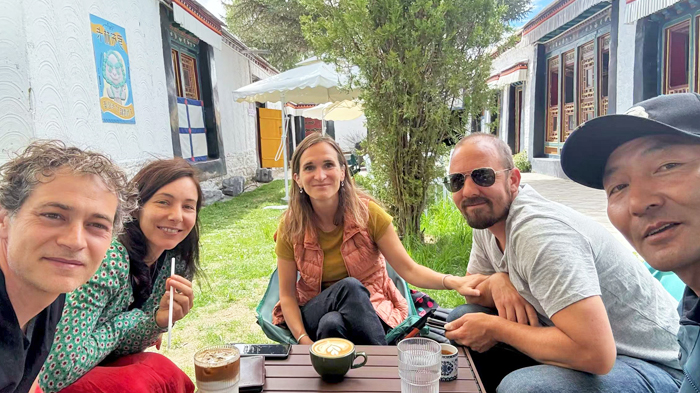 Join our Tibet tour and enjoy hassle-free hotel and travel arrangements.
20. Can I cancel or change my Tibet hotel booking if my permit or itinerary changes?
Yes, most hotels in Tibet allow cancellation, usually with free cancellation 24–48 hours before check-in.
After this period, standard hotels may charge a one-night fee or full stay, especially in peak season.
However, in remote areas like Everest Base Camp or Mount Kailash, accommodation is very limited, and some guesthouses or tent stays may have strict non-refundable policies once booked.
If your Tibet Travel Permit or itinerary changes, adjustments may be harder when booking independently.
Tip: Booking through us helps you handle hotel changes more smoothly, as we can adjust your accommodation and itinerary together when needed.
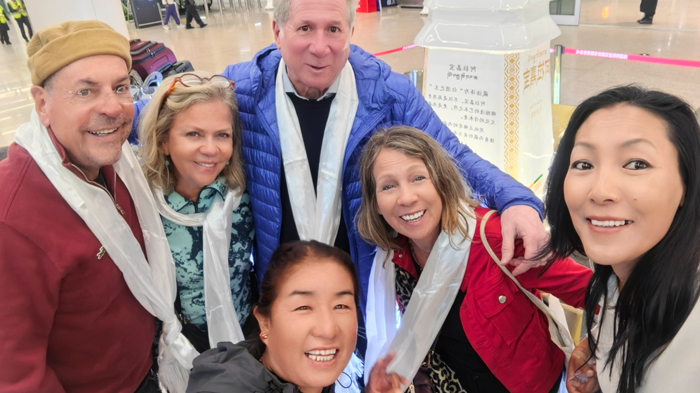 We make hotel changes and travel arrangements easier during your Tibet tour.
Conclusion
Choosing the right accommodation is key to a safe and enjoyable trip in Tibet. From comfortable luxury hotels in Lhasa and Nyingchi to simple guesthouses at Everest Base Camp and Mount Kailash, Tibet offers a wide range of stays for every travel style and route.
Because of local regulations, permit requirements, and altitude conditions like oxygen and heating, hotel booking in Tibet can be more complex than in most destinations.
At TibetTour.org, we make it easy. We arrange your hotels, Tibet Travel Permit, guides, and full itinerary together, so everything is well-coordinated and stress-free from start to finish.
Contact us today to start planning your smooth and unforgettable Tibet journey.
 Facebook
 Tweet
Tweet
 Linkedln
 Reddit


Ask a Quick Question