





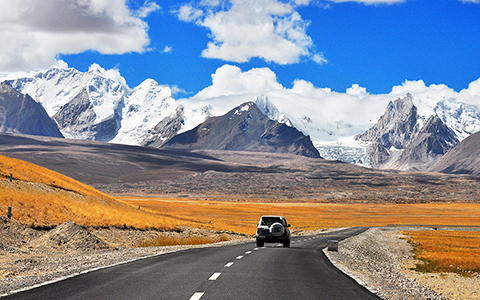


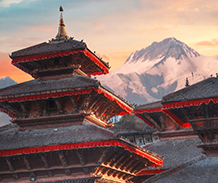
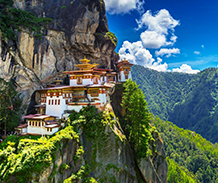

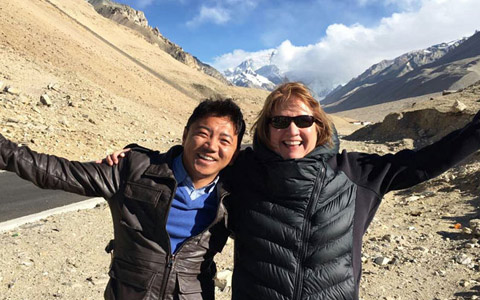
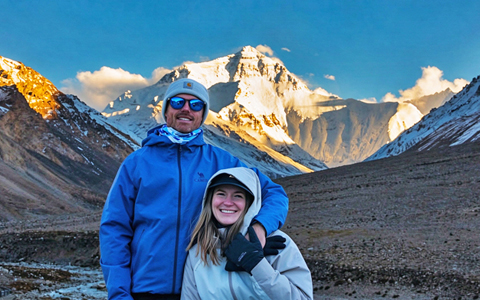
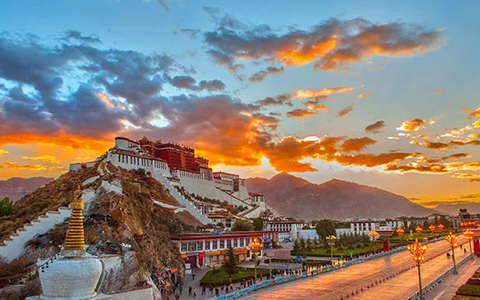
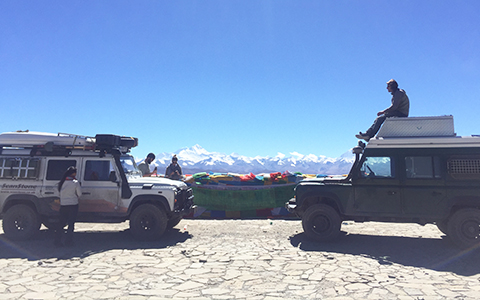




Tibet is known as the Roof of the World, with an average altitude of over 4,000 meters above sea level. From Lhasa at around 3,650 meters to Everest Base Camp at approximately 5,000 meters, the altitude varies greatly across Tibet's popular travel destinations.
If you’re planning a trip to Tibet, it's helpful to know how high your destinations are and how the altitude changes along the way. For example, a Lhasa city tour stays at a relatively consistent elevation, while a journey to Everest Base Camp takes you across mountain passes above 5,000 meters.
In this guide, you'll learn about Tibet's average altitude, the elevations of major destinations, and altitude changes along popular tour routes. You'll also find practical tips on acclimatization and choosing a suitable Tibet tour to help you plan your journey with confidence.
Tibet Altitude Quick Facts
| Destination / Tour Route | Altitude / Elevation Change |
|---|---|
| Tibet (Average Altitude) | Over 4,000 m (over 13,123 ft) |
| Lhasa | 3,650 m (11,975 ft) |
| Nyingchi (Bayi) | 3,000 m (9,843 ft) |
| Everest Base Camp | 5,000 m (16,404 ft) |
| Namtso Lake | 4,718 m (15,479 ft) |
| Mount Kailash Kora | Darchen (4,670 m) → Dolma La Pass (5,630 m) |
| Lhasa to Everest Base Camp Route | Lhasa (3,650 m) → Shigatse (3,840 m) → Gyatsola Pass (5,248 m) → EBC (5,000 m) |
| Lhasa to Mount Kailash Route | Lhasa (3,650 m) → EBC (5,000 m) → Lake Manasarovar (4,588 m) → Darchen (4,670 m) |
Contents
 What Is the Average Altitude of Tibet?
Altitude of Major Travel Destinations in Tibet
How Altitude Changes on Popular Tibet Tour Routes
How to Acclimatize to Tibet's High Altitude
Does Flying or Taking the Train Help You Acclimatize to Tibet?
How to Choose a Tibet Tour Based on Altitude
What Is the Average Altitude of Tibet?
Tibet sits at an average altitude of over 4,000 meters (13,123 feet) above sea level, making it one of the highest regions in the world. Unlike mountainous areas where high peaks rise above lower surrounding land, much of Tibet itself is already at a high elevation, with vast plateaus surrounded by towering mountain ranges.
However, the altitude varies considerably across Tibet. Southeastern Tibet, including Nyingchi, has relatively lower elevations, with some valleys below 3,000 meters. Central Tibet, home to Lhasa and Shigatse, generally sits between 3,500 and 4,000 meters, while the northern and western plateau includes vast areas above 4,500 meters.
These differences offer travelers different ways to explore Tibet. Families with children, older travelers, or those who prefer a more relaxed journey may consider relatively lower-altitude valleys, while adventurous travelers and trekking enthusiasts can explore higher mountain regions for a more challenging experience. Whatever your travel style, understanding the altitude of different destinations can help you choose a suitable Tibet tour.
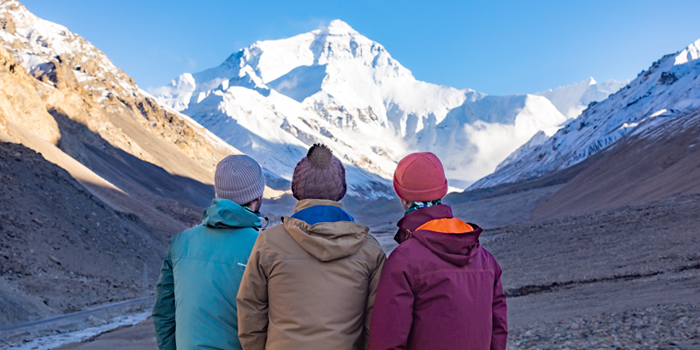

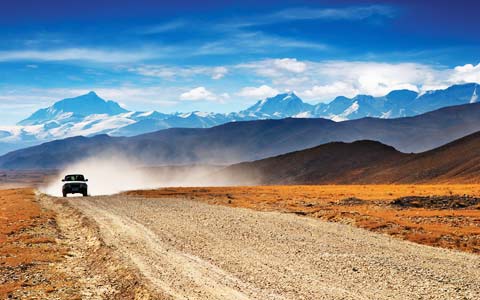
Travel from Lhasa at 3,650 meters to Everest Base Camp at around 5,000 meters in this classic Tibet tour!
Altitude of Major Travel Destinations in Tibet
Tibet's popular travel destinations cover a wide range of elevations, from the relatively lower valleys of Nyingchi to the high mountain landscapes around Everest and Mount Kailash. The table below shows the approximate altitudes of major destinations in Tibet, helping you compare their elevations before planning your trip.
| Destination | Altitude (Meters) | Altitude (Feet) |
|---|---|---|
| Nyingchi (Bayi) | 3,000 m | 9,843 ft |
| Shannan (Tsedang) | 3,560 m | 11,680 ft |
| Lhasa | 3,650 m | 11,975 ft |
| Shigatse | 3,840 m | 12,598 ft |
| Yamdrok Lake | 4,441 m | 14,570 ft |
| Lake Manasarovar | 4,588 m | 15,052 ft |
| Darchen (Mount Kailash Kora Base) | 4,670 m | 15,322 ft |
| Namtso Lake | 4,718 m | 15,479 ft |
| Everest Base Camp (Tibet) | 5,000 m | 16,404 ft |
| Dolma La Pass (Mount Kailash Kora Highest Point) | 5,630 m | 18,471 ft |
Note: Altitudes are approximate and may vary by the exact location. For Mount Kailash, the figures refer to Darchen and Dolma La Pass along the kora route, not the mountain summit.
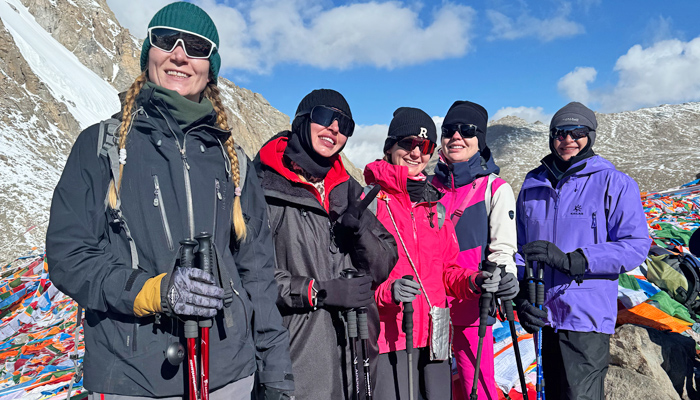 Dolma La Pass reaches 5,630 meters, the highest point of the Kora.
Major Tibetan Cities: Nyingchi, Shannan, Lhasa and Shigatse
Nyingchi is one of the relatively lower-altitude travel destinations in Tibet, with its main urban area at around 3,000 meters. Its lush valleys, forests, and mountain scenery make it an appealing choice for travelers who prefer a gentler-paced journey, although some nearby mountain passes are considerably higher.
Shannan's Tsedang area sits at approximately 3,560 meters, slightly lower than Lhasa. Here, you can discover some of Tibet's oldest cultural treasures, including Samye Monastery and Yumbulagang Palace, while enjoying the region's beautiful valley landscapes.
Lhasa, at around 3,650 meters, is the starting point for many Tibet tours. You can spend your first few days exploring its famous monasteries, palaces, and local neighborhoods at a comfortable pace while giving your body time to adjust to the altitude.
Shigatse, Tibet's second-largest city, sits at approximately 3,840 meters. It's a popular overnight stop on the way to Everest Base Camp and western Tibet, giving you a chance to rest and explore the city before continuing to higher destinations.
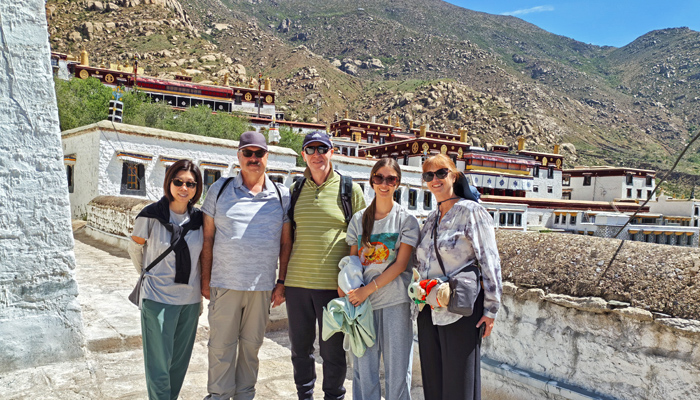 Our guests explore Drepung Monastery while acclimatizing in Lhasa.
High-Altitude Lakes: Yamdrok, Namtso and Manasarovar
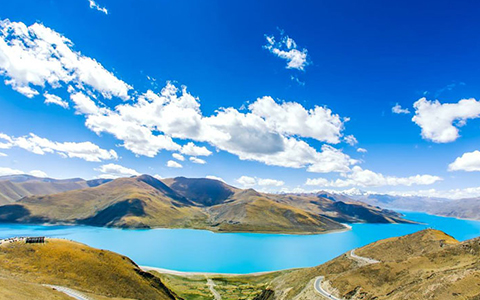
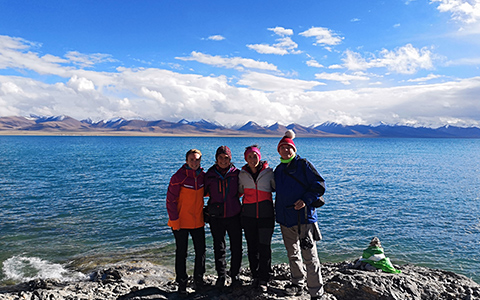
Tibet is home to some of the world's highest and most beautiful lakes. Yamdrok Lake (4,441 m), Namtso Lake (4,718 m), and Lake Manasarovar (4,588 m) are known as Tibet's three sacred lakes, celebrated for their beautiful waters and spectacular mountain scenery.
Yamdrok Lake is generally the easiest of the three to visit from Lhasa, often included along the route to Shigatse. You can enjoy the scenery from roadside viewpoints without much walking. Namtso Lake, another popular excursion from Lhasa, sits at a higher elevation, so it's best to give yourself enough time to acclimatize before visiting.
Lake Manasarovar, near Mount Kailash in western Tibet, usually takes several days to reach by road. While the journey is longer, you'll have the chance to enjoy the vast landscapes of western Tibet along the way, with time to adjust to the altitude.
For all three lakes, proper acclimatization is important, especially as some nearby viewpoints and mountain passes are higher than the lakes themselves.
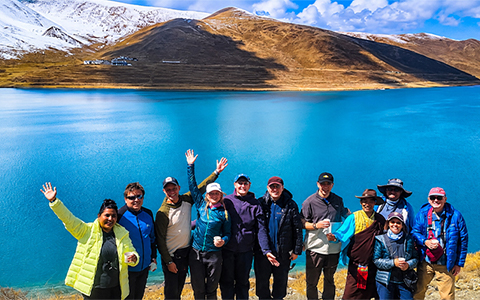
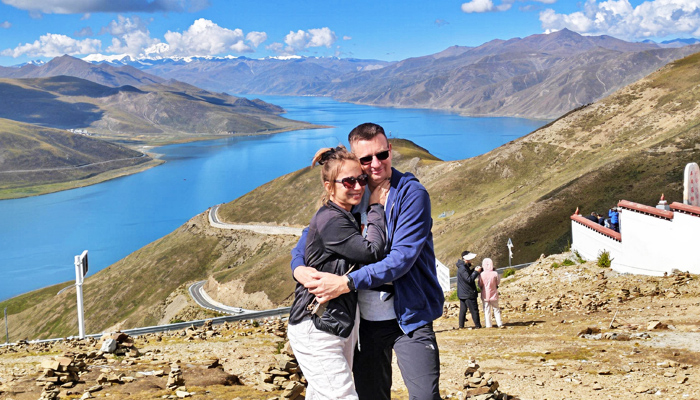 Yamdrok Lake can be enjoyed from roadside viewpoints with little walking.
Very High-Altitude Destinations: Everest and Mount Kailash
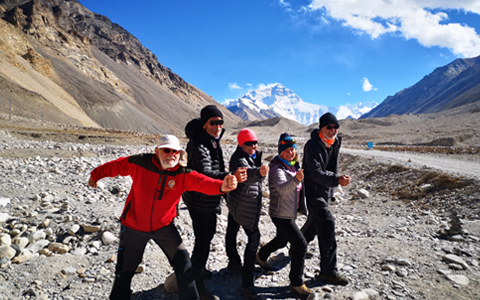
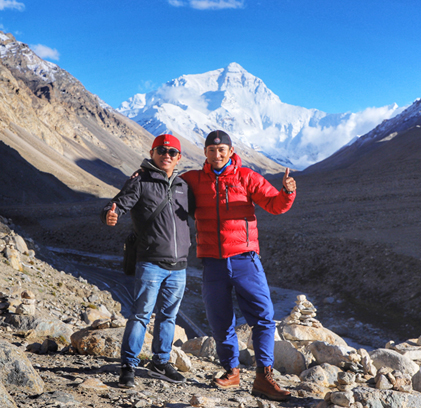
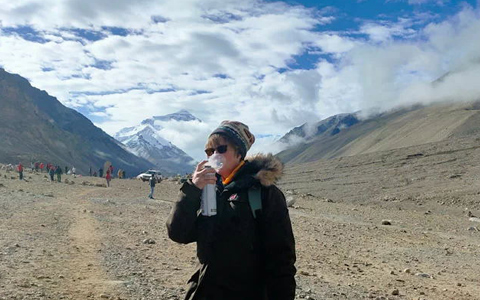
Everest Base Camp on the Tibetan side sits at approximately 5,000 meters. Unlike the Nepal side, you can reach the base camp area by road without a long trek, making it easier to enjoy close-up views of Mount Everest. Even without much walking, it's important to give yourself enough time to adjust to the high altitude.
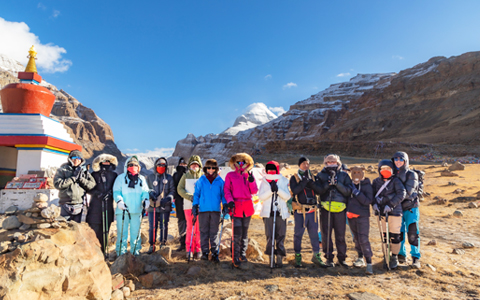
Mount Kailash offers a more physically demanding high-altitude experience. Starting from Darchen (4,670 m), you can take on the three-day Kailash Kora, a 52-kilometer trek through spectacular mountain landscapes. Along the way, you'll cross Dolma La Pass at 5,630 meters, the highest point of the route and one of the most challenging parts of the journey.
Whether you are visiting Everest Base Camp or trekking around Mount Kailash, taking time to acclimatize will help you prepare for the journey and enjoy the experience more comfortably.
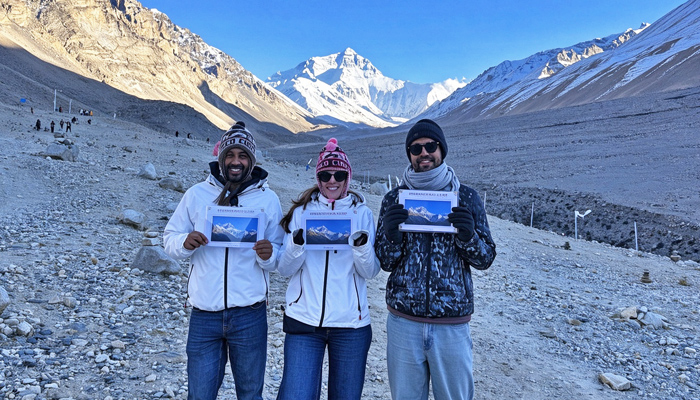 Our guests enjoy close-up views of Mount Everest without a long trek.
How Altitude Changes on Popular Tibet Tour Routes
The altitude changes you experience in Tibet depend largely on your travel route. Some tours stay at a relatively consistent elevation, while others take you across high mountain passes or into remote areas above 5,000 meters. Understanding the altitude changes along your route, especially where you stay overnight, can help you prepare for your Tibet trip.
Lhasa City Tour – Stay at a Relatively Consistent Altitude
A classic Lhasa city tour stays mostly between 3,650 and 3,800 meters, with relatively little change in elevation. Jokhang Temple and Barkhor Street sit at around 3,650 meters, while Potala Palace and Sera Monastery are approximately 3,700 meters, and Drepung Monastery is slightly higher at 3,800 meters.
Although Lhasa is already a high-altitude city, spending several days here allows you to explore Tibetan culture at a relaxed pace while giving your body time to adjust before heading to higher destinations.
This makes Lhasa an important first stop on many Tibet tours, whether you're continuing to Everest Base Camp or Mount Kailash, or exploring nearby destinations such as Namtso Lake and Ganden Monastery.
- Warm Tip: On our Lhasa tours, Potala Palace is usually scheduled after the day visiting Drepung and Sera Monasteries. Since exploring the palace involves climbing many steps, this arrangement gives you more time to acclimatize before the visit.
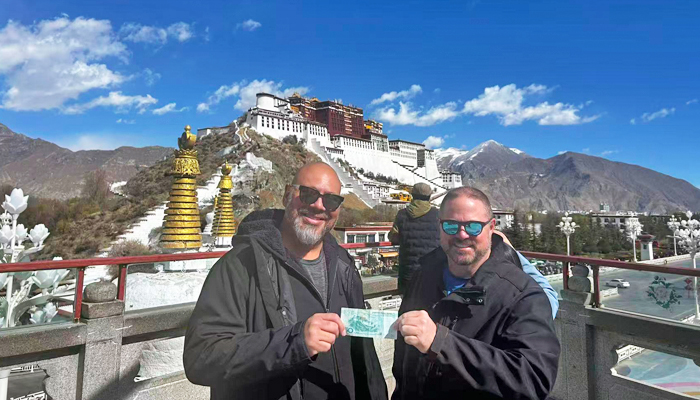 Explore Potala Palace and Lhasa at a relaxed pace while allowing time to acclimatize.
Lhasa to Everest Base Camp – Travel from 3,650 to 5,000 Meters
The classic Lhasa to Everest Base Camp tour takes two days to reach Everest from Lhasa, with significant altitude changes along the way.
On the first day, you travel from Lhasa (3,650 m) over Gambala Mountain Pass (4,790 m) to Yamdrok Lake (4,441 m), before continuing past Karola Glacier (around 5,000 m) and Gyantse (4,050 m). You then descend to Shigatse (3,840 m) for the night, giving your body time to rest at a lower elevation after crossing the high mountain areas.
On the second day, the journey continues across Gyatsola Pass (around 5,248 m) and Gawula Pass (around 5,200 m), where you can enjoy panoramic views of the Himalayas. You then reach Everest Base Camp (around 5,000 m), with Rongbuk Monastery nearby, and stay overnight in the Everest region.
Although the route crosses several mountain passes above 5,000 meters during the day, you'll spend the first night at a lower elevation in Shigatse before continuing to Everest Base Camp the following day. This staged journey, together with a few days in Lhasa beforehand, gives you time to begin adjusting to the increasing altitude along the way.
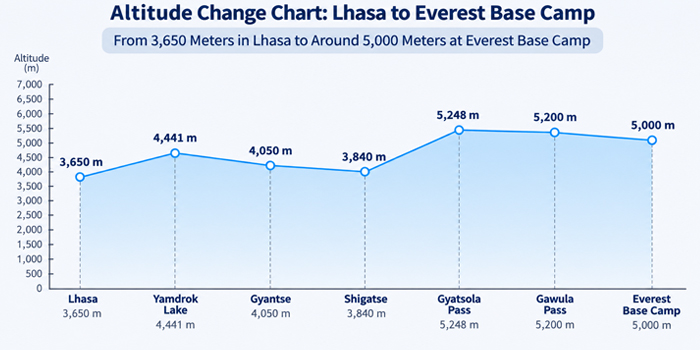 Altitude change chart from Lhasa to Everest Base Camp.
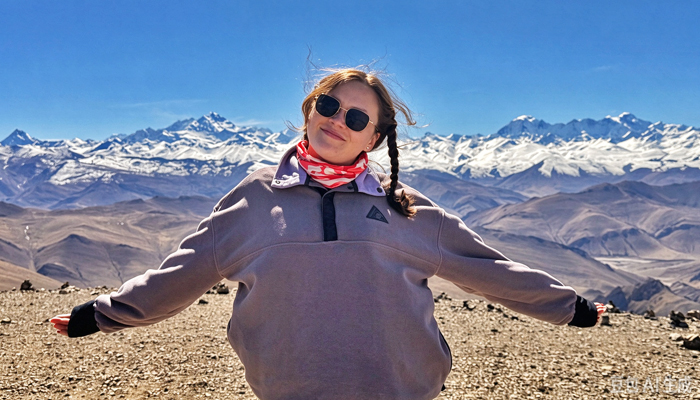 You can enjoy panoramic Himalayan views at Gawula Pass on the way to Everest Base Camp from Lhasa.
Lhasa to Kathmandu – From the Tibetan Plateau to the Himalayan Foothills
The Lhasa to Kathmandu overland tour follows a similar route to Everest Base Camp but continues south toward Nepal instead of returning to Lhasa.
After visiting Everest Base Camp (around 5,000 m), the route descends to Nyalam (3,750 m) for an overnight stay. The next day, you continue downhill via Zhangmu Border before reaching Kathmandu (1,400 m).
The dramatic descent from the Tibetan Plateau to the lower valleys of Nepal is one of the highlights of this journey. Along the way, the scenery gradually changes from vast, rugged highlands to lush green valleys, forests, and waterfalls, offering a striking contrast within a single overland trip.
- Warm Tip: If you're traveling overland between Tibet and Nepal, starting from Lhasa is generally a better choice for altitude acclimatization. Unlike the Kathmandu to Lhasa route, it usually allows you to spend a few days adjusting to the altitude in Lhasa before heading to Everest Base Camp.
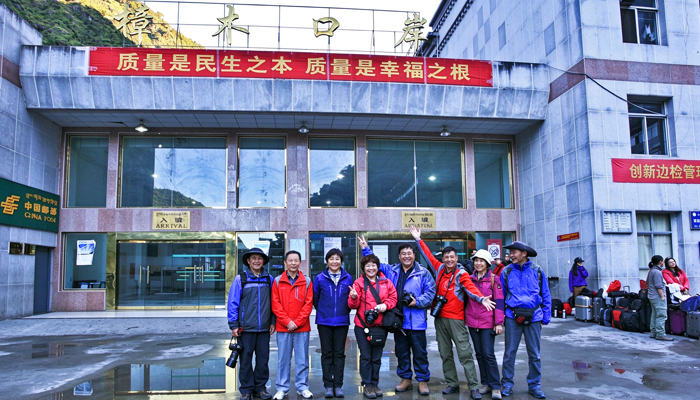 Zhangmu Border is a key crossing point on the overland route from Lhasa to Kathmandu.
Lhasa to Namtso Lake – A High-Altitude Lake Excursion
The Lhasa to Namtso Lake tour takes you from Lhasa (3,650 m) through the vast Damxung Grassland before crossing Laken La Pass (5,190 m), the highest point of the journey. From the pass, the road descends to Namtso Lake (4,718 m), where you can enjoy stunning views of the turquoise lake and surrounding snow-capped mountains.
On our two-day Namtso tour, you can return to Damxung (around 4,200 m) for the night after visiting the lake, then continue back to Lhasa the following day. This allows more time to enjoy the scenery without rushing back to Lhasa on the same day.
Although the journey involves a significant daytime altitude gain, staying in Damxung means sleeping at a lower elevation than Namtso Lake, making the overnight altitude an important part of the route.
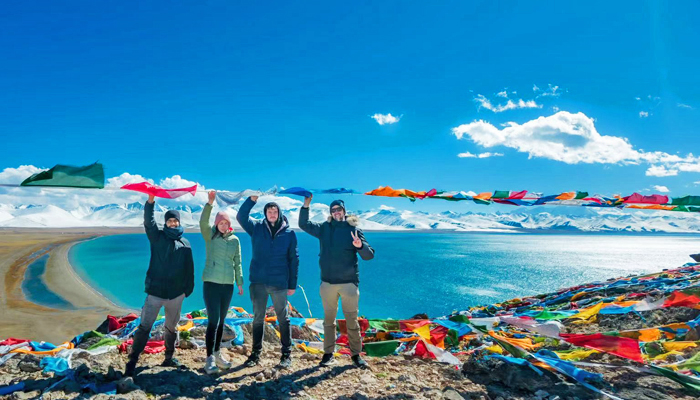 At 4,718 meters, Namtso Lake offers turquoise waters framed by surrounding snow-capped mountains.
Lhasa to Mount Kailash – From 3,650 Meters to the 5,630-Meter Dolma La Pass
The classic Lhasa to Mount Kailash tour begins at 3,650 meters in Lhasa, then travels through Shigatse, Everest Base Camp, and Saga before reaching Lake Manasarovar (4,588 m) and Darchen (4,670 m). The overland journey takes four days, allowing you to experience the changing elevations and landscapes of western Tibet before starting the trek.
The highlight is the three-day Mount Kailash Kora, covering approximately 52 kilometers. On the first day, you reach Dirapuk (around 5,210 m), where you’ll spend the night. The second day is the most challenging, crossing Dolma La Pass (5,630 m) before descending to Zutulpuk (around 4,790 m). On the final day, the route returns to Darchen.
Unlike regular sightseeing tours, the Kailash journey combines long high-altitude travel, nights above 4,700 meters, and demanding trekking days, making it one of Tibet's most challenging travel experiences.
- Warm Tip: You don't have to complete the three-day Kailash Kora to visit Mount Kailash. You can still enjoy views of the sacred mountain and nearby Lake Manasarovar without trekking. However, both areas are above 4,500 meters, so acclimatization is still important.
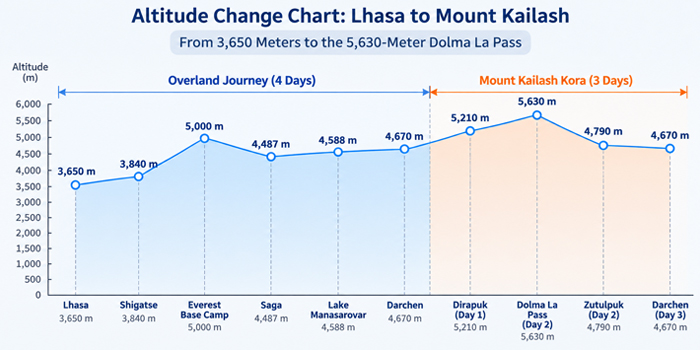 Altitude change chart from Lhasa to Mount Kailash
Popular Tibet Tour Routes Altitude Comparison
| Tibet Tour Route | Key Altitude Changes | Overnight Altitude |
|---|---|---|
| Lhasa City Tour | Mostly 3,650–3,800 m | 3,650 m |
| Lhasa to Everest Base Camp | Lhasa (3,650 m) → Shigatse (3,840 m) → Gyatsola Pass (5,248 m) → EBC (5,000 m) | 3,650–5,000 m |
| Lhasa to Kathmandu | Lhasa (3,650 m) → EBC (5,000 m) → Nyalam (3,750 m) → Kathmandu (1,400 m) | 3,650–5,000 m in Tibet |
| Lhasa to Namtso Lake | Lhasa (3,650 m) → Laken La Pass (5,190 m) → Namtso (4,718 m) → Damxung (4,200 m) → Lhasa | 3,650–4,200 m |
| Lhasa to Mount Kailash | Lhasa (3,650 m) → Darchen (4,670 m) → Dolma La Pass (5,630 m) → Darchen | 3,650–5,210 m |
Note: Altitudes are approximate and based on typical itineraries. Overnight elevations may vary by accommodation and route. The Mount Kailash figures include the three-day kora.
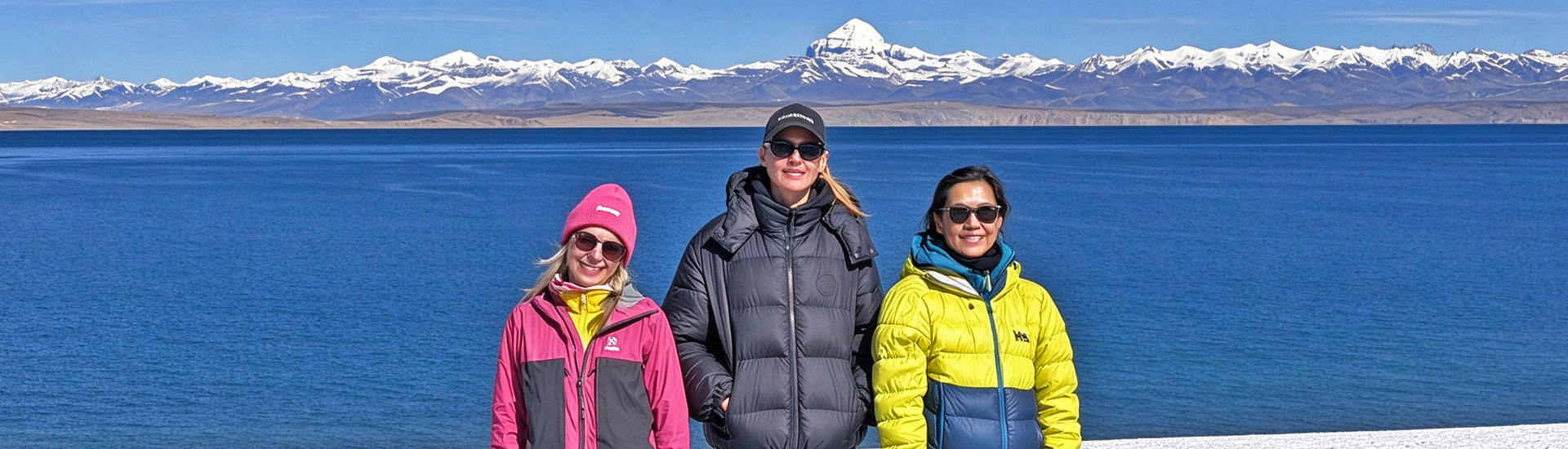
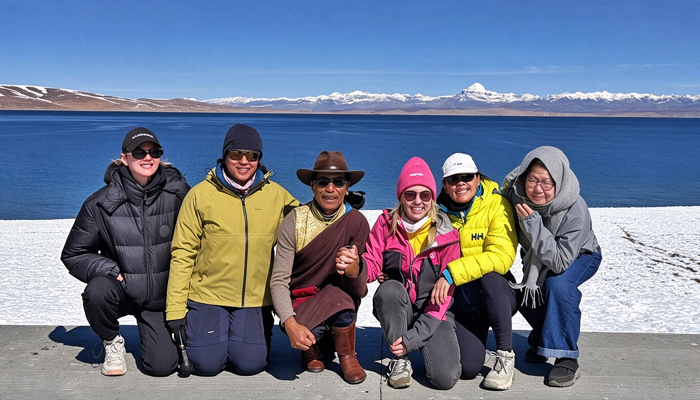 Our guests enjoy views of Mount Kailash and Lake Manasarovar without trekking.
How to Acclimatize to Tibet's High Altitude
Tibet's high altitude means lower atmospheric pressure, so your body gets less oxygen with each breath than it would at sea level. When you first arrive, you may feel more tired than usual, become short of breath during physical activity, or experience mild headaches as your body adjusts.
The good news is that many travelers can enjoy Tibet's high-altitude landscapes with proper preparation and time to acclimatize. Here are some practical tips to help you adjust and make the most of your journey.
Spend Your First Days Acclimatizing in Lhasa
Give yourself time to adjust when you first arrive in Lhasa (3,650 m), especially if you're planning to continue to Everest Base Camp, Namtso Lake, or Mount Kailash.
Most of our classic Tibet tours begin with two to three days in Lhasa, including time to rest after arrival and explore the city's cultural highlights. During the first 48 hours, avoid strenuous activities, walk at a comfortable pace, and take breaks whenever you need them.
Rather than rushing from one attraction to another, our itineraries are thoughtfully paced, allowing you to enjoy Tibetan culture while giving your body time to adjust to the altitude.
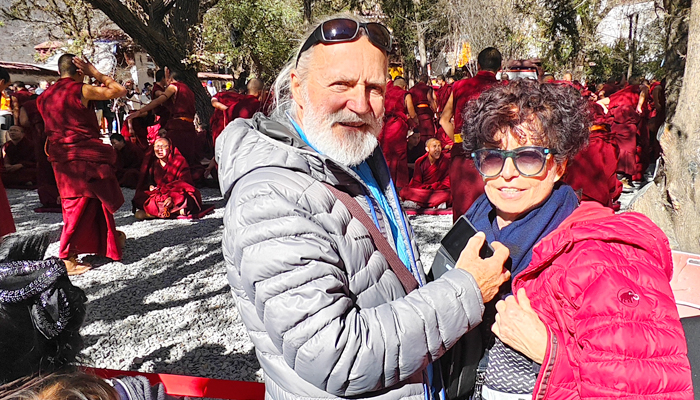 Our guests watch the monk debates while acclimatizing in Lhasa.
Ascend Gradually and Pay Attention to Sleeping Altitude
When traveling beyond Lhasa, try to gain altitude gradually rather than heading straight to the highest destinations. On longer overland tours, visiting places along the way gives you opportunities to adjust before reaching higher regions.
Pay attention to your sleeping altitude, not just the highest point you visit during the day. You may cross mountain passes above 5,000 meters but return to lower elevations for the night. This is often described as “climb high, sleep low.”
On our classic Lhasa to Everest Base Camp tour, you spend a few days in Lhasa before staying in Shigatse (3,840 m) and continuing to Everest (around 5,000 m). Although the final increase in sleeping altitude is significant, the itinerary includes time in Lhasa and an overnight stop in Shigatse.
For private Tibet tours, we can tailor your itinerary to add acclimatization days or adjust overnight stops to better suit your needs.
Maintain Healthy Habits and Choose Comfortable Accommodation
A few simple habits can make your high-altitude journey more comfortable. Drink water regularly, enjoy balanced meals, and get enough sleep, especially during your first few days in Tibet.
The dry mountain air can make you feel thirsty, so keep water handy throughout the day. Choose familiar, easy-to-digest meals, such as rice, noodles, soups, and vegetables, particularly if your appetite is lower than usual. There's no need to force yourself to drink excessive amounts of water.
It's also best to avoid alcohol during your first 48 hours at high altitude. If you normally drink coffee or tea, moderate amounts are generally fine. Keep your daily routine comfortable and listen to how your body feels.
For a more comfortable stay, consider choosing hotels with oxygen facilities, especially in higher-altitude areas like Shigatse and the Everest region. Some hotels offer oxygen-enriched rooms or in-room oxygen supplies, which may help you feel more comfortable during your stay. Our travel consultants can help you check available hotel options and choose accommodation that suits your needs.
Know When to Stop Ascending or Seek Medical Help
If you experience persistent headaches, nausea, or unusual fatigue during your Tibet tour, let your guide know and avoid ascending to a higher sleeping altitude until you feel better and your symptoms have resolved.
Our experienced local Tibetan guides can help arrange additional rest, adjust your itinerary, and coordinate medical assistance when needed. Portable oxygen and medical oxygen supplies are also available on all our Tibet tours for use when needed, providing additional support during your journey.
If your symptoms worsen or fail to improve, seek medical advice promptly and be prepared to descend. Severe symptoms, such as difficulty breathing at rest, confusion, or trouble walking normally, require urgent medical attention and descent.
Remember, there's no need to push yourself to complete every planned stop. Your well-being always comes before the sightseeing schedule, and our team is here to support you throughout your journey.
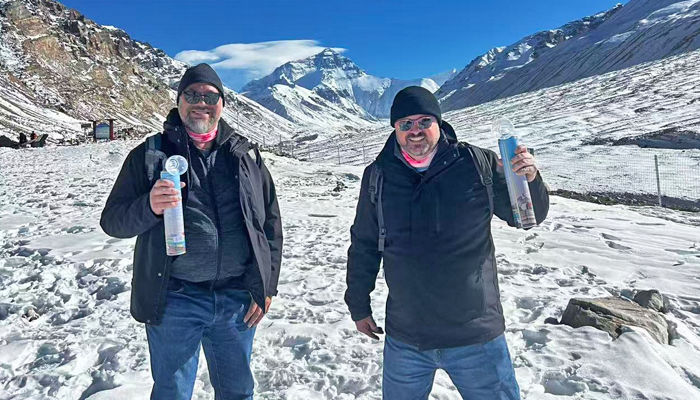 Portable oxygen is available on our Tibet tours when needed.
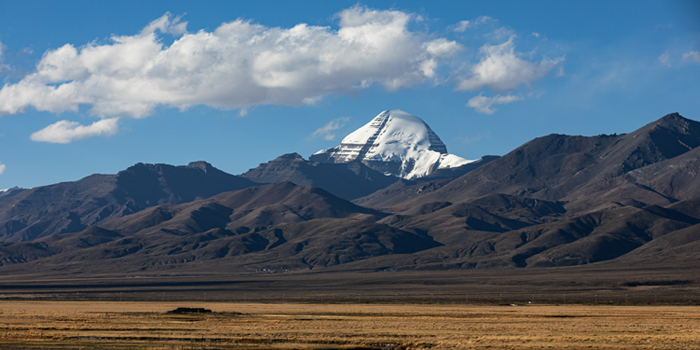
Travel gradually from Lhasa to Mount Kailash with time to adjust to higher elevations.
Does Flying or Taking the Train Help You Acclimatize to Tibet?
Both flying and taking the train are popular ways to reach Lhasa, but does taking the train really help you adjust to Tibet's high altitude?
Flying to Lhasa is the fastest and most convenient option, with direct flights from major Chinese cities such as Chengdu, Chongqing, and Beijing. However, you'll arrive at 3,650 meters within just a few hours, giving your body little time to adjust during the journey. That's why it's important to take things easy after landing.
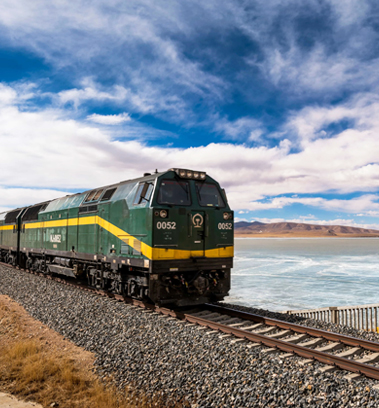
Taking the Tibet train offers a more gradual journey across the Tibetan Plateau, with spectacular views of snow-capped mountains, grasslands, and alpine lakes. The train also provides onboard oxygen from Golmud. However, the railway reaches 5,072 meters at Tanggula Pass, and the journey itself does not guarantee better acclimatization or prevent altitude sickness.
So, which should you choose? If you prefer a quicker journey, flying is a great option. If you have more time and want to enjoy the plateau scenery, the Tibet train offers a memorable experience. Whichever you choose, allowing enough time to acclimatize after arriving in Lhasa is more important than your transport choice alone.
- Warm Tip: If you choose the Tibet train, consider departing from Xining, where the journey to Lhasa takes around 20–22 hours and covers the most scenic section of the Qinghai–Tibet Railway. For a more comfortable overnight trip, a soft sleeper is recommended, offering a four-berth compartment with more privacy and space to rest.
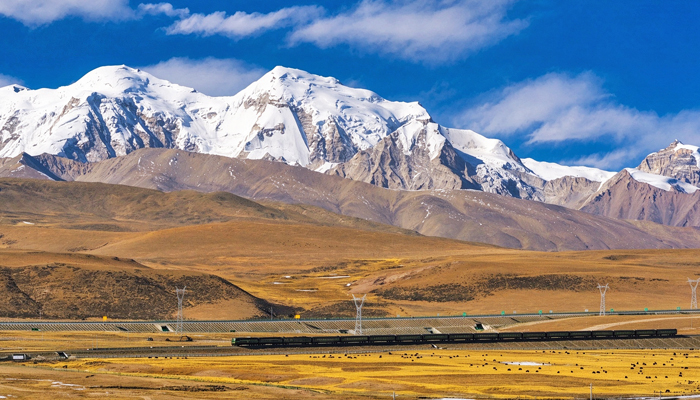 The Tibet train offers a gradual journey across the Tibetan Plateau.
How to Choose a Tibet Tour Based on Altitude
When choosing a Tibet tour, consider both the altitude of your destinations and the kind of travel experience you're looking for. You don't have to visit the highest places to enjoy Tibet. From cultural sightseeing in Lhasa to scenic lakes and adventurous Himalayan treks, there are plenty of ways to explore the plateau.
The table below can help you find a Tibet tour that matches your interests and preferred travel pace.
| Your Travel Preference | Recommended Tibet Tour | Altitude Considerations |
|---|---|---|
| Enjoy Tibetan culture at a relaxed pace | Lhasa City Tour | Mostly around 3,650 m, with relatively little change in elevation |
| Explore greener valleys and natural scenery | Nyingchi Tour | Relatively lower elevations, although some mountain passes are much higher |
| See Mount Everest up close | Lhasa to Everest Base Camp Tour | Reaches around 5,000 m, with high-altitude overnight stays |
| Visit Tibet's beautiful sacred lakes | Lhasa to Yamdrok or Namtso Tour | Lake elevations range from 4,441 m to 4,718 m, with higher passes along the way |
| Experience high-altitude trekking | Mount Kailash Kora Tour | Crosses Dolma La Pass at 5,630 m, with demanding trekking days |
Not sure which route is right for you? A private Tibet tour offers more flexibility to adjust the itinerary, sightseeing pace, and overnight stops to your preferences. Our experienced local travel consultants can help you compare different routes and plan a journey that balances your interests, comfort, and time for acclimatization.
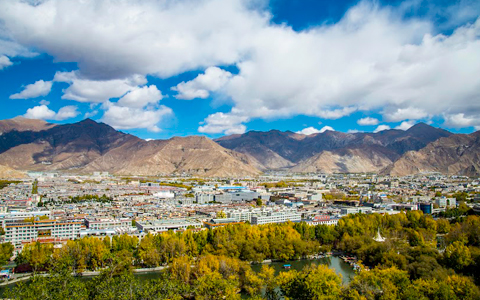
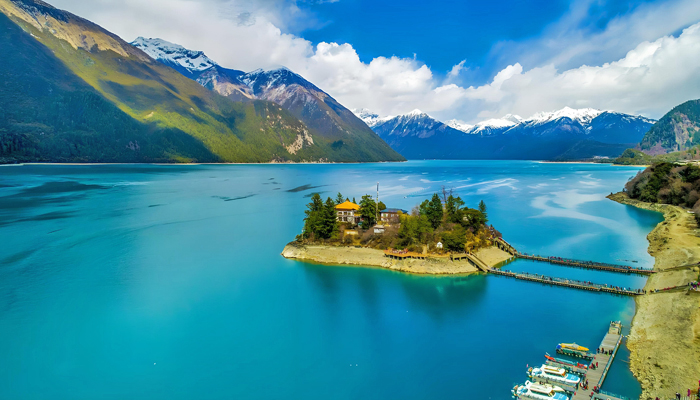 Nyingchi offers relatively lower elevations and beautiful natural scenery.
Frequently Asked Questions About Tibet Altitude
1. How high is Tibet above sea level?
Tibet has an average altitude of over 4,000 meters (13,123 feet) above sea level. However, elevations vary considerably across the region. Major destinations range from Nyingchi at around 3,000 meters to Everest Base Camp at approximately 5,000 meters and the Dolma La Pass on the Kailash Kora at 5,630 meters.
2. What is the altitude of Lhasa in feet?
Lhasa sits at approximately 11,975 feet (3,650 meters) above sea level. Although it is lower than many other popular destinations in Tibet, Lhasa is still a high-altitude city. This is why most Tibet tours begin with a few relaxed days here before traveling to higher areas.
3. Is Tibet too high for first-time visitors?
Not necessarily. Many first-time visitors enjoy traveling in Tibet, even without previous high-altitude experience. The key is to choose a suitable itinerary, allow time for acclimatization, and pay attention to how you feel. If you have existing health conditions, consult your doctor before planning a high-altitude trip.
4. Is Tibet safe for seniors to visit?
Yes, many seniors can enjoy traveling in Tibet with suitable preparation and a well-planned itinerary. Age alone does not determine your risk of altitude sickness. Choosing a relaxed Lhasa tour, allowing extra time to acclimatize, and avoiding strenuous activities can make the journey more manageable. If you have heart, lung, or other existing medical conditions, consult your doctor before traveling.
5. Can you get altitude sickness in Lhasa?
Yes, altitude sickness can occur in Lhasa, even though it is lower than Everest Base Camp or Mount Kailash. Some visitors may experience headaches, nausea, or unusual fatigue after arriving at 3,650 meters. Taking things slowly during your first few days can help, but symptoms should never be ignored.
6. How many days does it take to acclimatize in Tibet?
The initial acclimatization process generally takes 3–5 days, although everyone adjusts differently. Most of our classic Tibet tours include two to three days in Lhasa before heading to higher destinations. This gives your body valuable time to begin adjusting to the altitude and helps you prepare for the next part of your journey.
7. Does taking the Tibet train help prevent altitude sickness?
Taking the Tibet train may offer a more gradual ascent, but it does not guarantee protection from altitude sickness. The journey takes you through spectacular plateau landscapes, with supplemental oxygen available on the train to make the ride more comfortable. After arriving in Lhasa, allowing time for your body to adjust is still important for a comfortable Tibet trip.
8. What is the highest altitude on a popular Tibet tour?
Dolma La Pass (5,630 m / 18,471 ft) on the three-day Mount Kailash Kora is one of the highest points reached on popular Tibet trekking tours. For sightseeing tours, the classic Lhasa to Everest Base Camp route crosses Gyatsola Pass (around 5,248 m) before reaching Everest Base Camp at approximately 5,000 meters.
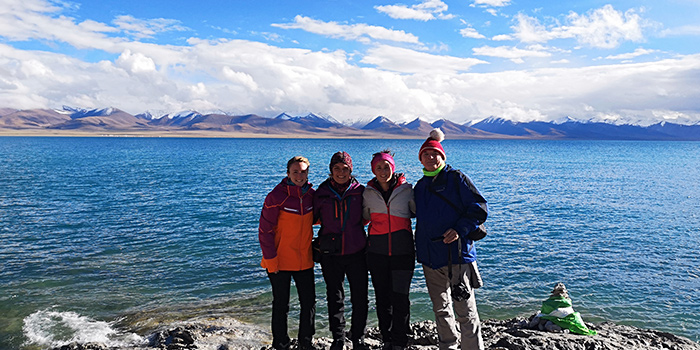
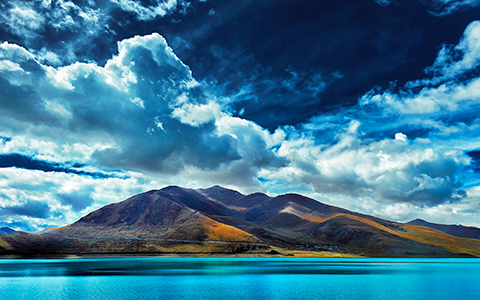
Combine Everest Base Camp and Namtso Lake on one high-altitude Tibet journey.
Conclusion
Tibet's extraordinary altitude is part of what makes traveling here such a unique experience. From Lhasa at 3,650 meters to Everest Base Camp at around 5,000 meters, understanding the elevations of different destinations and how altitude changes along your route can help you plan a more comfortable and enjoyable journey.
With proper preparation, enough time to acclimatize, and a well-planned itinerary, you can make the most of your Tibet adventure. Whether you prefer exploring Tibetan culture in Lhasa, enjoying the beauty of sacred lakes, or trekking around Mount Kailash, there's a Tibet journey to match your interests and travel style.
With over 40 years of experience organizing Tibet tours, our local team can help you choose a suitable route, plan a comfortable travel pace, and take care of the arrangements for your journey. Feel free to contact us anytime to start planning your Tibet tour! planning your Tibet tour!
 Facebook
 Tweet
 Linkedln
 Reddit



Ask a Quick Question