











Tea is an important part of everyday life in Tibet. Whether you walk through the streets of Lhasa, visit a traditional Tibetan home, or stop at a local teahouse, you will often find people enjoying a warm cup of tea.
Tibetan tea comes in three distinctive varieties: rich and savory butter tea, sweet and milky Tibetan sweet tea, and strong, salty plain tea. Each has its own flavor, preparation method, and place in Tibetan life.
For Tibetans, tea is more than a drink. It is a way to welcome guests, share meals, and spend time with family and friends. During your Tibet tour, trying these traditional drinks is a simple but memorable way to experience local culture.
In this guide, you will discover the origins of Tibetan tea, learn about its three popular varieties, and find out where and how to enjoy them during your trip.
Three Main Types of Tibetan Tea at a Glance
| Tea Type | Main Ingredients | Taste | Where to Try | Best For |
|---|---|---|---|---|
| Tibetan Butter Tea | Brick tea, yak butter, salt | Rich, salty, and creamy | Tibetan restaurants and local homes | Travelers seeking traditional Tibetan flavors |
| Tibetan Sweet Tea | Black tea, milk, sugar | Smooth, milky, and sweet | Traditional teahouses and Tibetan restaurants | First-time visitors and milk tea lovers |
| Tibetan Plain Tea | Brick tea, water, salt | Strong, savory, and slightly astringent | Local Tibetan homes and some Tibetan restaurants | Travelers who prefer strong tea without dairy |
Contents
 What Is Tibetan Tea? Origins, Ingredients, and Characteristics
Tibetan Butter Tea: The Most Iconic Traditional Drink in Tibet
Tibetan Sweet Tea: A Popular Drink Among Younger Generations & Tourists
Tibetan Plain Tea: A Rich and Savory Traditional Drink
The Role of Tea in Tibetan Culture and Daily Life
Where Can You Try Tibetan Tea in Tibet?
How to Drink Tibetan Tea: Customs and Etiquette
What Is Tibetan Tea? Origins, Ingredients, and Characteristics
Tibetan tea refers to several traditional tea varieties enjoyed across the Tibetan Plateau. Unlike many teas that are simply brewed in water and served on their own, Tibetan tea is often prepared with additional ingredients, giving each type its own distinctive flavor and texture.
Tea has a history of over 1,300 years in Tibet, dating back to the Tang Dynasty. According to traditional accounts, Princess Wencheng brought tea to Tibet when she married Songtsen Gampo, the Tibetan king. Over time, tea became part of Tibetan daily life.
By the Song Dynasty, the Tea-Horse Trade had developed, with tea from inland China, especially Sichuan, exchanged for horses from Tibetan areas. Compressed tea bricks were transported along mountain routes, making tea a staple in Tibetan households.
Brick tea is commonly used to prepare traditional Tibetan drinks. The leaves are boiled in water to make a strong brew, which is then combined with different ingredients depending on the variety: yak butter and salt for butter tea, milk and sugar for sweet tea, or salt alone for plain tea.

Discover Lhasa's iconic landmarks, ancient monasteries, and authentic local culture on a classic city tour.
Tibetan Butter Tea: The Most Iconic Traditional Drink in Tibet
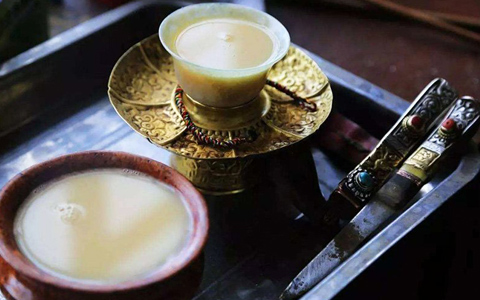
Tibetan butter tea, known locally as Po Cha, is the most iconic traditional drink in Tibet. Made with brick tea, yak butter, salt, and water, it is a staple of traditional Tibetan diets, particularly among nomadic communities.
To make traditional Tibetan butter tea, you first boil brick tea in water for an extended period to produce a strong, dark brew. Yak butter and salt are then added and traditionally churned in a tall wooden container until the mixture becomes smooth and creamy.
During your Tibet tour, you may be offered a cup when visiting a Tibetan family or enjoying a traditional meal. Unlike the sweet milk tea familiar to many travelers, Tibetan butter tea has a distinctive salty, buttery flavor and a rich, creamy texture. Its taste may take some getting used to, especially if you are trying it for the first time.
Tibetan butter tea is well suited to the cold, dry climate of the Tibetan Plateau. Served hot, it provides warmth and energy thanks to its calorie-rich ingredients, especially on chilly days. Its rich, savory flavor also helps balance a highland diet rich in meat and dairy products.
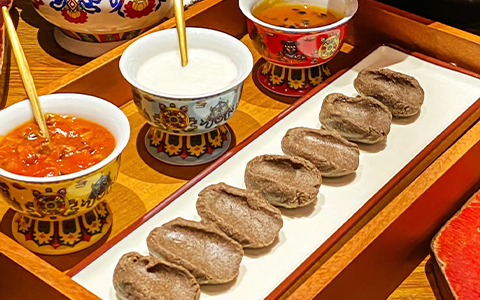
Butter tea is often enjoyed with tsampa, roasted barley flour. The flour can be mixed with butter tea to form a soft dough, making a simple and filling meal. Beyond its role as a daily drink, butter tea is also a symbol of hospitality, and sharing a cup is a traditional way to welcome guests.
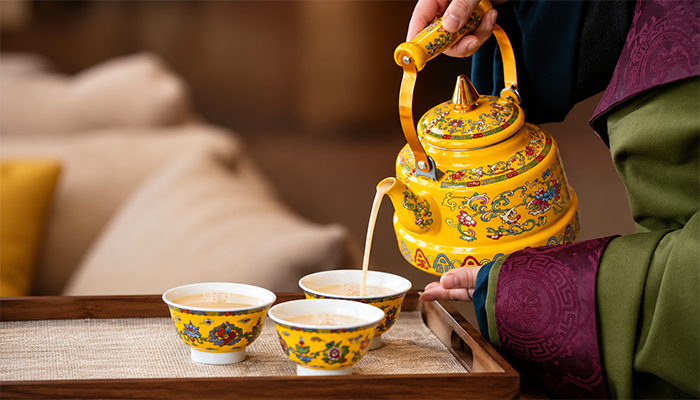 As the most iconic Tibetan tea, butter tea is a staple of Tibetan diet and an important part of everyday life.
Tibetan Sweet Tea: A Popular Drink Among Younger Generations & Tourists
Tibetan sweet tea, also known as Tibetan milk tea, is a popular everyday drink in Lhasa and other Tibetan towns. Its sweet, milky flavor makes it especially appealing to younger generations and international visitors.
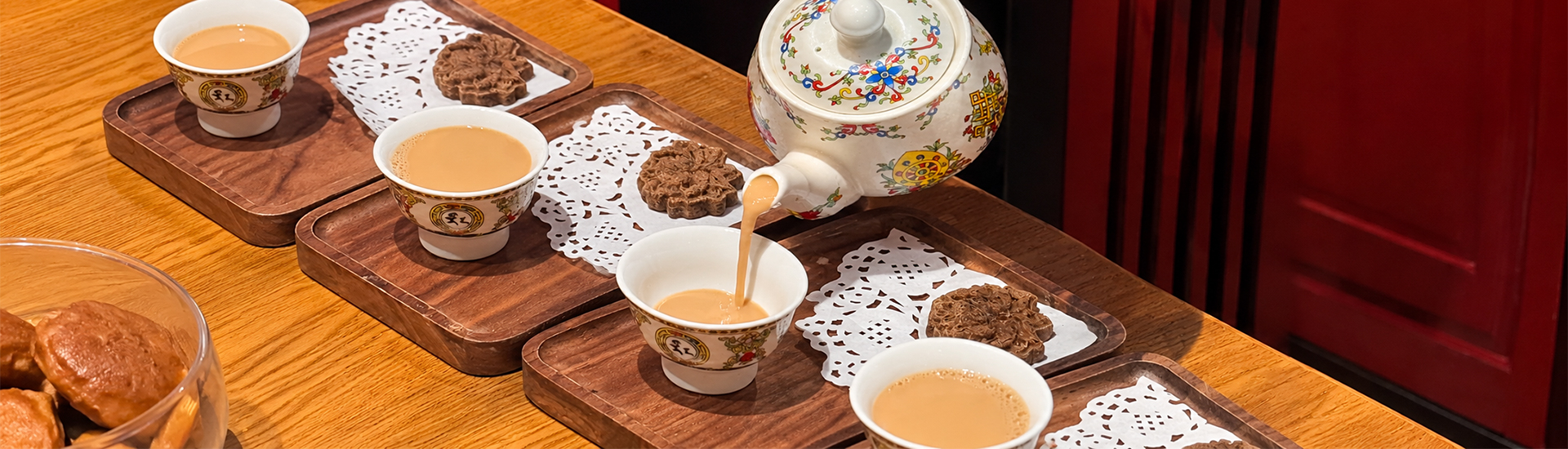
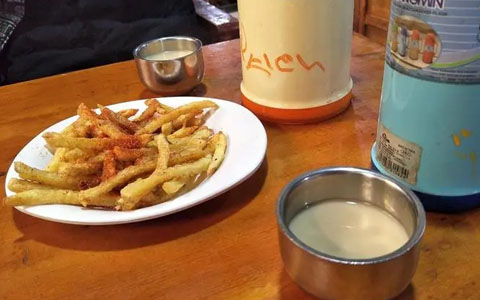
Tibetan sweet tea is typically made with black tea, milk, and sugar. The tea is first simmered in water to create a strong brew, then mixed with milk and sugar and heated until smooth. In traditional teahouses, the freshly prepared tea is usually kept warm in thermos flasks, ready to be poured and enjoyed at any time.
With its smooth, creamy texture and gentle sweetness, Tibetan sweet tea is the most approachable of all Tibetan tea varieties. The rich aroma of black tea adds depth to its milky flavor, creating a comforting drink that is easy to enjoy.
Sweet tea is closely associated with teahouse culture in Lhasa. Local residents often gather at traditional teahouses to chat with friends or take a break from their daily routines over a pot of tea. These lively, welcoming places are a great way to experience the relaxed pace of everyday life in Lhasa.
Tibetan sweet tea is often enjoyed with Tibetan noodles, steamed buns, and other local snacks. Together, they make a classic local breakfast and offer a delicious way to experience Lhasa's everyday food culture.
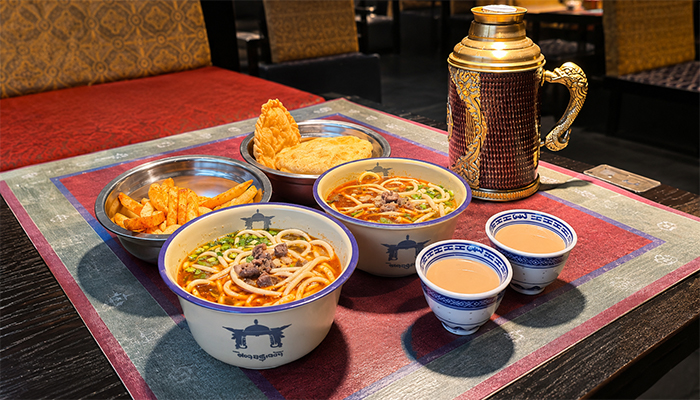 Tibetan sweet tea is a popular local drink, and pairing it with Tibetan noodles makes for a classic Tibetan breakfast.
Tibetan Plain Tea: A Rich and Savory Traditional Drink
Tibetan plain tea, known locally as Ja Thang, is one of the oldest and simplest traditional tea drinks in Tibet. It also serves as the base for making Tibetan butter tea. Unlike butter tea and sweet tea, it contains no butter, milk, or sugar.
To prepare Tibetan plain tea, you should boil brick tea until the liquid turns a deep reddish-brown color, then add a little salt for flavor. Many Tibetan households prepare and store concentrated tea in large batches, diluting it with hot water whenever needed.
Tibetan plain tea has a rich, full-bodied flavor with a savory taste, slight astringency, and little bitterness. Without butter or milk, the natural aroma of the tea is more noticeable. If you enjoy strong tea without dairy, this traditional drink is worth trying.
In Tibetan farming and nomadic communities, plain tea is a staple daily drink, often enjoyed with tsampa. It also plays an important role in Tibetan monasteries, where it is commonly used as a religious offering and consumed by monks during their daily religious practices.
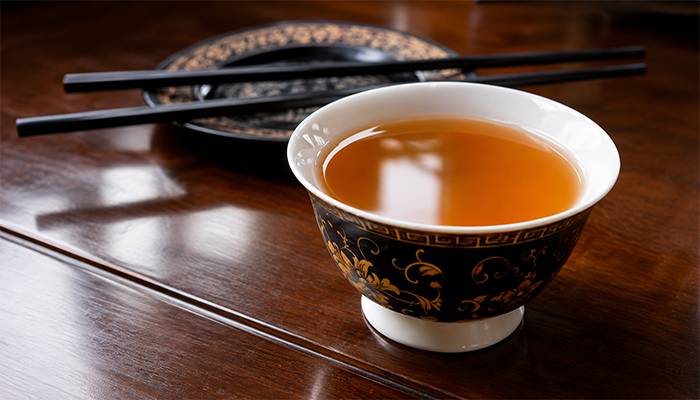 With its earthy and full-bodied flavor, Tibetan plain tea is one of the oldest and simplest traditional drinks in Tibet.

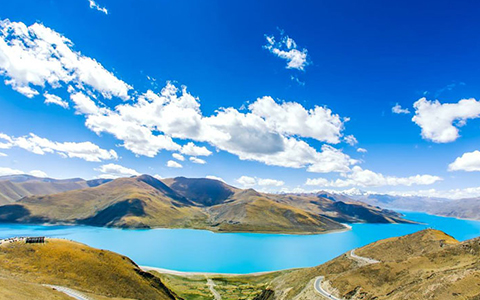
Discover Lhasa's iconic monasteries and the turquoise beauty of Yamdrok Lake on a scenic cultural journey.
The Role of Tea in Tibetan Culture and Daily Life
Tea as a Symbol of Hospitality
Offering tea is a traditional way for Tibetan families to welcome guests. When you visit a local home, your host may greet you with a cup of butter tea or sweet tea. Sharing tea creates a warm atmosphere, and accepting it with gratitude is a simple way to show respect for your host.
Tea in Everyday Tibetan Life
Tea is closely connected to daily routines in Tibet. Many people enjoy it in the morning, during meals, or when taking a break. At home, butter tea is often served with tsampa and other traditional foods, making it part of a simple, satisfying meal.
In Lhasa, sweet teahouses are popular gathering places. Friends and neighbors meet there to chat, read newspapers, eat local snacks, and catch up on daily news. Spending hours in a teahouse is a familiar part of local life.
Tea in Religious Practices and Traditional Celebrations
In Tibet, tea is more than an everyday drink. It is also an important part of Tibetan Buddhist rituals. Plain tea and butter tea are often offered before Buddha statues as a sign of devotion and respect.
During major religious ceremonies and group chanting sessions, monasteries may hold a traditional tea offering known as Mangja. Tea is prepared and served to monks, helping them stay alert during long hours of meditation and chanting.
On special occasions such as Losar (Tibetan New Year) and weddings, butter tea and plain tea are traditionally served to guests as a gesture of respect, goodwill, and blessings.
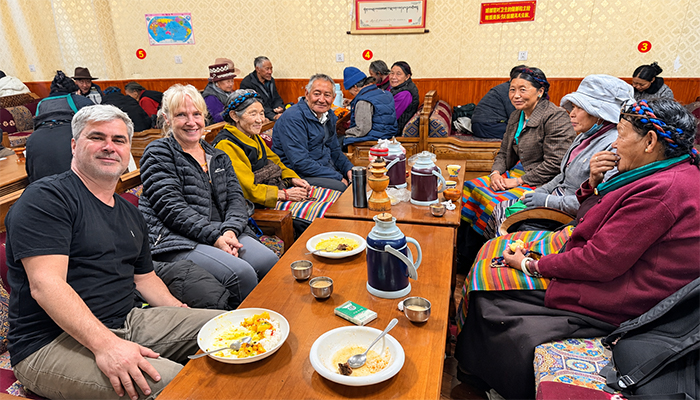 Visiting a Tibetan teahouse is a great way to relax, chat with locals, and experience authentic Tibetan culture.
Where Can You Try Tibetan Tea in Tibet?
Lhasa's Traditional Teahouses
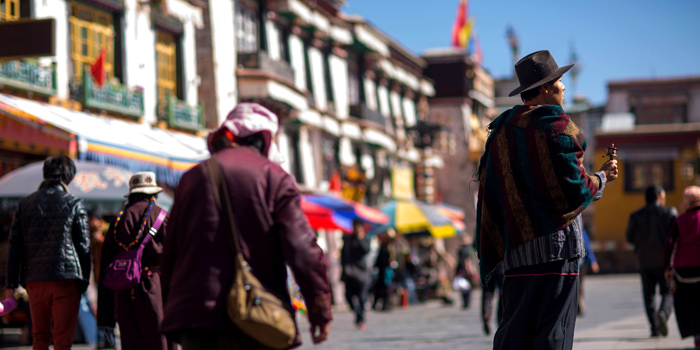
Traditional teahouses are among the best places to enjoy Tibetan sweet tea. You can find them throughout Lhasa, especially in the old town around Barkhor Street. On our classic Lhasa tours, we arrange a visit to one of these teahouses, where you can share a cup of tea with locals.
Guangming Gang Qiong Sweet Teahouse is one of Lhasa's best-known traditional teahouses. Here, sweet tea costs just CNY 1 per cup, so it's best to bring small change. Simply pick up an empty cup, find a seat, and place your money on the table. A server will come by to fill your cup and collect the payment.
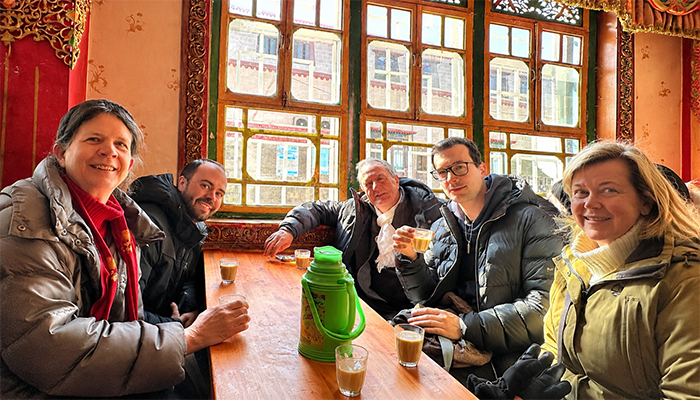 During your Lhasa city tour, take a relaxing break at a traditional teahouse and enjoy a cup of Tibetan sweet tea.
Tibetan Restaurants
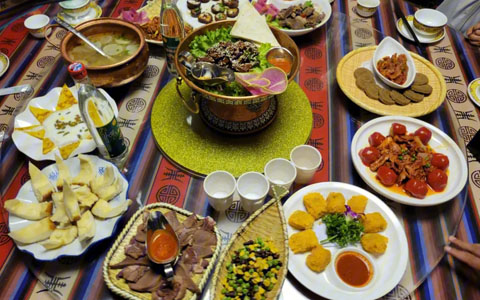
Tibetan restaurants are a great place to explore Tibetan food and drinks. Many serve butter tea and sweet tea alongside local dishes such as tsampa, Tibetan noodles, and yak meat. Ordering a cup of tea with your meal is a simple way to experience traditional Tibetan dining culture.
Tea Experiences with Local Families
For a more personal cultural experience, we can arrange a visit to a local Tibetan home during your tour. For example, on our 5 Days Lhasa and Yamdrok Lake Small Group Tour, you can enjoy a traditional lunch with Tibetan tea at a local family's home by the lake.
If you want to gain a deeper understanding of Tibetan culture, we also offer private Tibet tours with more flexible arrangements for local family visits. You may learn how butter tea is traditionally churned and served, chat with your hosts, and even take part in simple household activities.
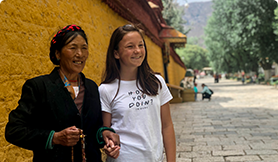
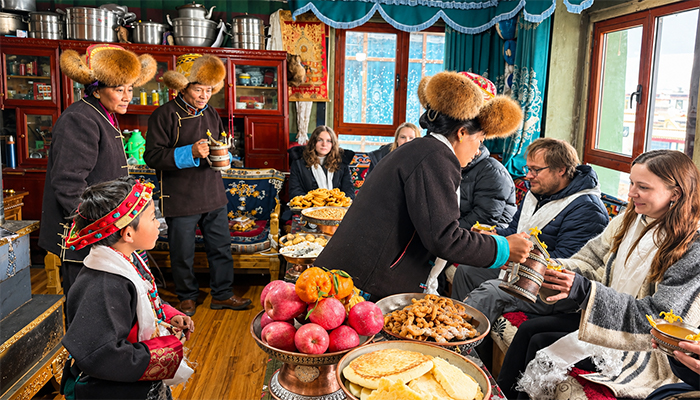 During your Tibet tour, we can arrange a family visit where your hosts welcome you with traditional butter tea.
How to Drink Tibetan Tea: Customs and Etiquette
Trying Tibetan tea is easy, but knowing a few local customs can make the experience more comfortable and respectful.
- Accept tea politely: If a Tibetan host offers you tea, accept it with both hands when possible. It is a friendly gesture that shows appreciation.
- Try a little first: Butter tea has a distinctive salty and buttery taste. If you are unsure whether you will enjoy it, start with a small sip.
- Leave a little tea in your bowl: Avoid emptying your tea bowl completely, as your host will usually refill it right away. Leaving a little tea at the bottom is a traditional sign of good manners.
- Politely decline a refill: If you do not want any more tea, gently cover the top of your bowl with your palm. This is a traditional way to signal to your host that you have had enough.
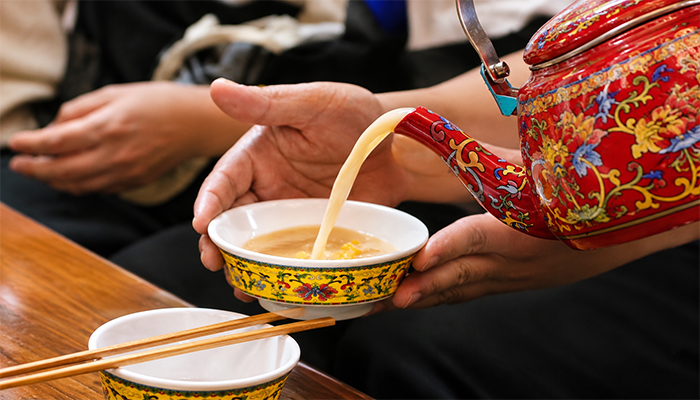 Holding your tea bowl with both hands when someone pours you tea is a polite gesture in Tibetan culture.
Quick Summary and FAQs About Tibetan Tea
Quick Summary
Tibetan tea has a history of over 1,300 years and comes in three main varieties: rich and salty butter tea, smooth and milky sweet tea, and strong, savory plain tea. Each has its own distinctive ingredients, flavors, and preparation methods.
Beyond being an everyday drink, tea is a symbol of hospitality and an important part of Tibetan Buddhist rituals, traditional celebrations, and social life. It offers a unique insight into Tibetan culture and highland food traditions.
During your trip to Tibet, you can enjoy authentic Tibetan tea at traditional teahouses, Tibetan restaurants, or local family homes. Remember to accept tea with both hands and leave a little tea in your bowl to show respect for local customs.
Q1: What is Tibetan tea made of?
Tibetan tea is typically made with brick tea or black tea, combined with different ingredients depending on the variety. Butter tea contains yak butter and salt. Sweet tea contains milk and sugar, while plain tea is prepared with just tea, water, and salt.
Q2: Is Tibetan butter tea sweet or salty?
Traditional Tibetan butter tea is salty rather than sweet, with a rich, buttery flavor and a smooth, creamy texture. Its distinctive savory taste may be unfamiliar to travelers trying it for the first time.
Q3: Why do Tibetans drink butter tea?
Butter tea provides warmth and energy in the cold, dry climate of the Tibetan Plateau and complements a traditional diet rich in meat and dairy products. It is also an important part of daily meals and a symbol of Tibetan hospitality.
Q4: Does Tibetan butter tea help with altitude sickness?
Although Tibetan butter tea provides warmth and energy, it cannot prevent or treat altitude sickness. When traveling in Tibet, allow enough time to acclimatize, stay well hydrated, and avoid strenuous activities during your first few days at high altitude.
Q5: What is the difference between Tibetan butter tea and sweet tea?
Butter tea is made with brick tea, yak butter, and salt, giving it a rich, savory flavor. Sweet tea contains black tea, milk, and sugar, making it smoother and sweeter in taste. Butter tea is a staple of traditional Tibetan diets, while sweet tea is particularly popular among younger generations and tourists.
Q6: Where can I try authentic Tibetan tea in Lhasa?
You can enjoy sweet tea at traditional teahouses, such as Guangming Gang Qiong Sweet Teahouse near Barkhor Street. Tibetan restaurants and local family homes are also great places to try traditional butter tea.
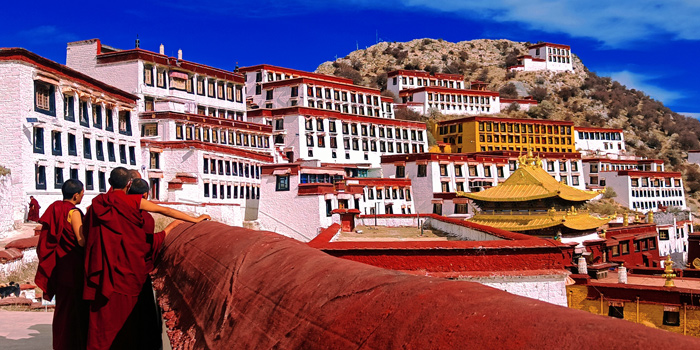
Explore Lhasa's sacred monasteries, enjoy a scenic trek around Ganden, and experience meditation at Drak Yerpa.
Conclusion
Some of the most memorable moments in Tibet happen beyond its famous monasteries and breathtaking landscapes. Taking time to enjoy a cup of Tibetan tea can bring you closer to the local people and help you discover a more personal side of Tibet.
As a local travel agency, we are happy to help you discover these authentic cultural experiences along your journey. Feel free to contact us to plan a Tibet tour that suits your interests and brings you closer to local life.
 Facebook
 Tweet
 Linkedln
 Reddit


Ask a Quick Question