











A Tibetan culture tour offers a deeper way to explore Tibet beyond its famous landmarks. By visiting monasteries, experiencing local traditions, and connecting with Tibetan daily life, you can better understand the stories and customs that have shaped the plateau for centuries.
For many travelers, especially first-time visitors, choosing where to go and how to plan the trip is not always easy. Tibet has different cultural regions, travel seasons, and travel requirements, and each route offers a different experience.
This guide will help you understand what kind of cultural experience suits you, where to go, how long to stay, and how to make your journey more meaningful, so you can plan your Tibetan culture tour with more confidence.
Contents
 Choose the Tibetan Cultural Experiences You Want to Explore
Decide the Best Places for a Tibetan Culture Tour
Plan Your Tibetan Culture Itinerary: How Many Days Do You Need?
Best Time for a Tibetan Culture Tour
Tibetan Culture Etiquette: What Travelers Should Know
Practical Tips for Planning Your Tibetan Culture Tour
Should You Join a Private Tibetan Culture Tour?
Quick Summary and FAQs About Planning a Tibetan Culture Tour
Choose the Tibetan Cultural Experiences You Want to Explore
Tibetan Buddhist Culture and Spiritual Experiences
Tibetan Buddhism is one of the most important parts of Tibetan culture. For many travelers, visiting monasteries and understanding spiritual traditions is the highlight of a Tibet cultural tour.
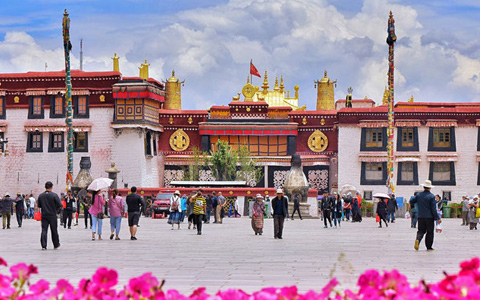
You can explore famous religious sites such as Jokhang Temple, Sera Monastery, Drepung Monastery, and Ganden Monastery to learn about Tibetan Buddhist history, architecture, and daily practices.
Beyond sightseeing, you can observe monks conducting religious activities, watch lively monk debates, walk around sacred sites with pilgrims, and learn why Buddhism plays such an important role in Tibetan society.
 Visit Jokhang Temple in Lhasa to experience Tibetan Buddhist culture and local pilgrimage traditions.
Traditional Tibetan Life, Villages and Family Experiences
Tibet is not only about monasteries and historic landmarks. The daily lives of Tibetan communities are also an important part of the region’s cultural identity.
Visiting Tibetan villages allows you to see traditional homes, local farming and pastoral life, and the ways people adapt to life on the high plateau.
Depending on your itinerary, you may visit a Tibetan family, share a cup of sweet tea, taste local food, or join in everyday household activities such as making yak dung fuel or preparing tsampa.
These simple interactions often become some of the most memorable moments of a Tibetan culture tour because they offer a closer look at everyday life beyond popular attractions.
Tibetan Arts, Crafts and Cultural Heritage
Traditional Tibetan arts reflect the region’s history, beliefs, and craftsmanship. Including cultural workshops or craft experiences in your itinerary can help you understand Tibet from another perspective.
Popular Tibetan arts and crafts include thangka painting, Tibetan carpet weaving, Tibetan incense making, and other traditional handicrafts. During some of our private Tibet culture tours, you have the opportunity to try some of these traditional crafts that have been preserved through generations.
Visiting workshops or learning from local craftsmen allows you to better appreciate the cultural stories and traditions behind Tibetan craftsmanship instead of simply purchasing souvenirs.
 Learn about traditional Tibetan incense making and discover a local craft passed down through generations.
Tibetan Food, Festivals and Cultural Traditions
Food and festivals are important ways to experience Tibetan culture because they bring people together and reflect local traditions. During your journey, you can try traditional Tibetan dishes and drinks, including tsampa, momos, Tibetan noodles, yak meat dishes, butter tea, and sweet tea.
Local festivals also provide a unique opportunity to experience Tibetan customs, music, performances, and community celebrations. Important festivals include Losar, Saga Dawa, and Shoton Festival.
If your travel dates fall during a festival, you can witness how religious beliefs, traditional practices, and community life come together. Since many Tibetan festivals follow the Tibetan calendar, their dates may change from year to year, so be sure to check the exact dates before your trip.
Tibetan Culture and Nature Connection
Tibetan culture has developed closely with the natural environment of the plateau. Mountains, lakes, rivers, and grasslands are not only scenic landscapes but also important parts of Tibetan beliefs and lifestyles.
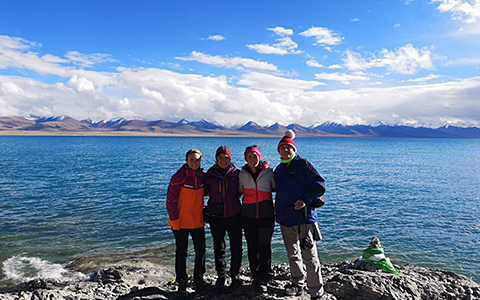
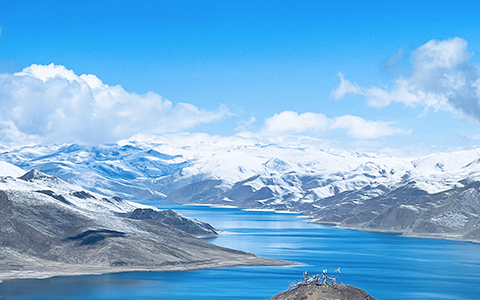
A cultural journey can include sacred natural sites such as Mount Kailash, Lake Manasarovar, Yamdrok Lake, and Namtso Lake, where you can understand the spiritual meaning of the landscape.
You can also explore pastoral areas and learn how Tibetan communities have traditionally adapted their way of life to the plateau environment while raising yaks and sheep. These experiences show that Tibetan culture is deeply connected to the land.
 Experience the sacred beauty of Namtso Lake and the connection between Tibetan culture and nature.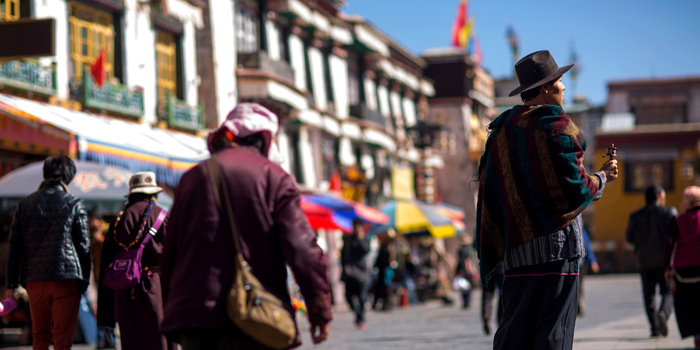

Discover Lhasa’s must-see landmarks and experience the rich culture of Tibet.
Decide the Best Places for a Tibetan Culture Tour
Lhasa: The Best Place to Start Your Tibetan Culture Tour
Lhasa is the cultural heart of Tibet and the best place for first-time visitors to begin their journey. The city combines important religious sites, historic neighborhoods, and everyday Tibetan life.
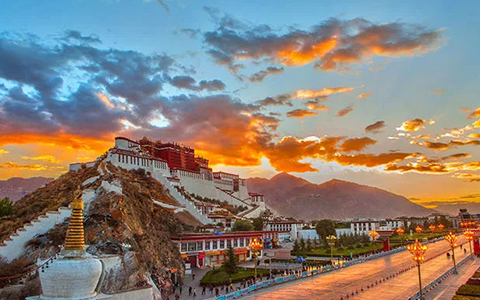
In Lhasa, you can visit the Potala Palace, once the winter residence of the Dalai Lamas, and explore Jokhang Temple, one of the most sacred temples in Tibetan Buddhism. Walking along Barkhor Street allows you to see pilgrims, traditional shops, local restaurants, and scenes of daily life.
Beyond famous landmarks, Lhasa also offers opportunities to experience local culture in a more relaxed way. You can spend some time in a local Tibetan teahouse, try some traditional Tibetan food and snacks, explore traditional streets, and simply observe the relaxed rhythm of city life.
 Visit the Potala Palace in Lhasa and discover one of Tibet's most iconic cultural landmarks.
Shannan: Explore the Origins of Tibetan Civilization
Shannan, also known as Lhoka, is considered one of the birthplaces of Tibetan civilization. If you are interested in Tibetan history, this region can provide you with important cultural context.
The area is home to significant sites such as Yumbu Lhakhang, traditionally regarded as the first palace in Tibet, and Samye Monastery, the first Buddhist monastery in Tibet.
A journey through Shannan helps you understand how Tibetan history developed and how Buddhism became deeply connected with Tibetan society.
Shigatse: Discover Monastic Traditions and Local Life
As the second largest city in Tibet, Shigatse is another important cultural destination. It is known for Tashilhunpo Monastery, one of the most influential monasteries of Tibetan Buddhism.
Here, you can explore grand monastery halls, learn about religious traditions, and observe the daily activities of monks. Beyond the monastery, the surrounding countryside offers opportunities to experience Tibetan villages and rural lifestyles.
Shigatse is also an important stop for travelers continuing toward Everest Base Camp, making it easy to combine cultural exploration with Himalayan scenery.
 Visit Tashilhunpo Monastery in Shigatse to experience Tibetan Buddhist culture and monastic traditions.
Ngari: Experience Pilgrimage Culture
Located in western Tibet, Ngari is known for its remote landscapes and deep spiritual significance. This region is especially important for travelers interested in pilgrimage traditions.
Mount Kailash and Lake Manasarovar are among the most sacred destinations in Tibet. Pilgrims from different religious traditions travel here to complete the kora around Mount Kailash.
A visit to Ngari requires more preparation because of its remote location, high altitude, and additional travel arrangements. However, if you are seeking a deeper cultural experience, it offers a unique connection between faith, nature, and Tibetan traditions.
Nyingchi: Experience Tibetan Village Life and Nature
Nyingchi offers a different side of Tibetan culture through the traditions of the Gongbo Tibetan people and the region’s unique natural environment.
Located in southeastern Tibet, Nyingchi has a relatively lower altitude and is known for its forests, rivers, mountains, and traditional villages. The Gongbo Tibetan people have developed their own customs, clothing, architecture, festivals, and ways of life.
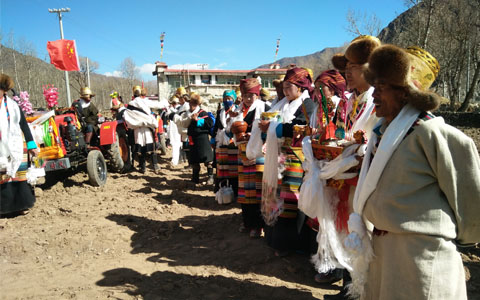
During your visit, you can explore traditional villages and learn about local customs. Traditional Gongbo clothing is especially distinctive, while local festivals often feature traditional singing and dancing. These experiences offer a closer look at the cultural traditions that are still part of local life today.
You can also see how local communities live alongside the surrounding forests and valleys. Combining village visits with Nyingchi’s beautiful natural scenery allows you to experience both Gongbo Tibetan culture and the landscapes that have shaped local life.
 Experience traditional Gongbo Tibetan dance and local culture during a visit to Nyingchi.
Plan Your Tibetan Culture Itinerary: How Many Days Do You Need?
The ideal length of a Tibetan culture tour depends on how deeply you want to explore Tibet. You can check the table below to choose a suitable trip length for your Tibet culture tour.
Recommended Tibet Culture Tour Lengths and Experiences
| Travel Duration | Suitable For | Recommended Experience |
|---|---|---|
| 4–5 days | First-time visitors with limited time | Explore Lhasa’s monasteries, historic sites, and local life |
| 7–10 days | Travelers seeking a deeper cultural journey | Combine Lhasa with Shannan or Shigatse |
| 10+ days | Travelers wanting immersive experiences | Explore more remote regions and deeper cultural landscapes |
4–5 Days: Classic Lhasa Cultural Experience
A 4–5-day Tibetan culture tour is a good choice if you simply want an introduction to Tibet without traveling long distances.
Most itineraries focus on Lhasa, where you can visit major cultural landmarks such as Potala Palace, Jokhang Temple, Sera Monastery, and Drepung Monastery.
Besides famous attractions, you can also experience everyday Tibetan life by walking through Barkhor Street, visiting local teahouses, and tasting Tibetan food.
This short itinerary can help you understand the essence of Tibetan culture while allowing enough time for acclimatization.
 4–5 days is enough to explore some of Lhasa’s must-visit monasteries, such as Drepung Monastery.
7–10 Days: Deeper Cultural Exploration Beyond Lhasa
With 7–10 days, you can explore beyond Lhasa and gain a broader understanding of Tibetan history, religion, and local lifestyles.
A longer itinerary may include Shannan, the birthplace of Tibetan civilization, or Shigatse, known for its important monasteries and rural landscapes.
This type of journey allows you to spend more time at cultural sites, visit smaller communities, and experience the differences between Tibet’s regions.
10+ Days: Cultural Exploration Beyond Central Tibet
If you have more time, you can explore more remote areas and experience the cultural diversity of the Tibetan Plateau.
A longer journey may include destinations such as Ngari, Mount Kailash, Lake Manasarovar, or other less-visited regions. These areas offer unique cultural experiences, from pilgrimage traditions and sacred landscapes to remote villages and traditional lifestyles.
Because these journeys involve longer distances and higher altitudes, a slower pace is important. Extra time allows your body to adjust and gives you more opportunities to connect with local culture.
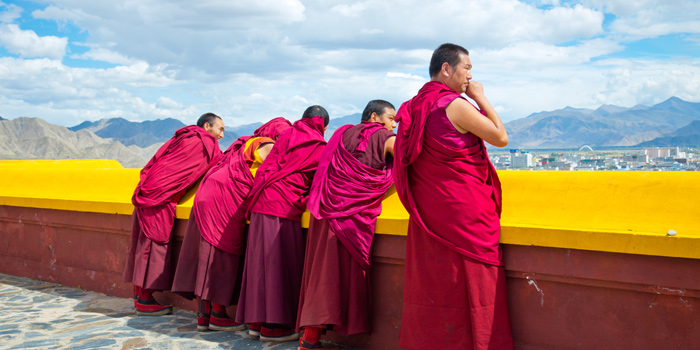
Explore Lhasa and Shigatse and discover the cultural highlights of Central Tibet.
Best Time for a Tibetan Culture Tour
Spring and Autumn: Comfortable Weather and Cultural Exploration
Spring and autumn are often considered ideal seasons for a Tibetan culture tour thanks to their mild weather and good conditions for outdoor activities.
From April to June, temperatures gradually rise, making it a pleasant time to explore monasteries, villages, and outdoor cultural sites. Spring is also a good season to enjoy the changing landscapes of the plateau.
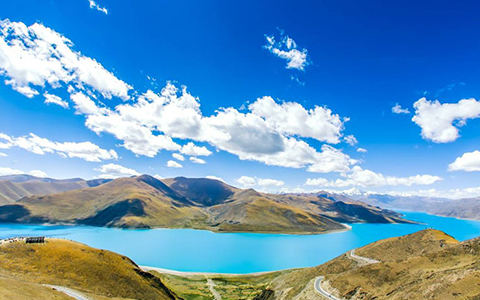
Autumn, especially from September to November, usually brings clear skies, comfortable temperatures, and excellent visibility. It is a great time to combine cultural exploration with scenic destinations such as Yamdrok Lake, Namtso Lake, or Himalayan viewpoints.
Summer: Festivals and Local Activities
Summer is the warmest season in Tibet and a popular time for travel. The higher temperatures make it easier to explore outdoor areas, rural communities, and plateau landscapes.
One of the biggest advantages of summer travel is the opportunity to experience Tibetan festivals and local events. Depending on your travel dates, you may join celebrations such as Saga Dawa, the Shoton Festival, or horse racing festivals.
Summer is also a good time to explore pastoral areas, where you can see traditional livestock farming and learn how Tibetan communities live on the grasslands.
However, summer is also the peak travel season, so popular destinations may be busier. Planning transportation and accommodation in advance is recommended.
 Experience traditional horse racing in Tibet during the lively summer festival season.
Winter: Quiet Travel and Authentic Experiences
Winter offers a different side of Tibet. With fewer visitors, you can enjoy a quieter atmosphere at monasteries, temples, and historic sites.
Lhasa remains an excellent winter destination because of its abundant sunshine. You can visit temples, walk through old streets, and experience local life without the larger crowds of peak seasons.
Winter is also a meaningful time to observe Tibetan Buddhist traditions. Monasteries often maintain their regular religious activities, allowing you to see a more peaceful side of Tibetan culture.
Although winter temperatures can be low, especially in high-altitude areas, you can still enjoy a more relaxed and authentic cultural journey with proper preparation.
Tibetan Culture Etiquette: What Travelers Should Know
Walk Clockwise Around Sacred Sites and Objects
Walking clockwise is an important tradition when visiting most Tibetan Buddhist sites.
When joining a kora, always walk clockwise around temples, stupas, mani stones, and prayer wheels, as local pilgrims do. Avoid blocking the path of people who are praying or interrupting their religious activities.
Following this simple custom allows you to participate respectfully and better understand the spiritual atmosphere of Tibetan culture.
Dress Modestly and Follow Temple Rules
When visiting Tibetan monasteries and temples, dress respectfully and avoid overly revealing clothing. It is best to wear clothes that cover your knees. Comfortable walking shoes are also recommended, as you may spend a lot of time walking around monasteries and religious sites.
Ask for Permission Before Taking Photos
Photography can be a wonderful way to remember your journey, but it is important to respect local people and religious spaces. Always ask for permission before taking photos of monks, pilgrims, or local residents. Inside monasteries, check the photography rules before taking pictures, especially in prayer halls or areas with religious artworks.
Avoid Touching Religious Objects Without Permission
Many objects in Tibetan Buddhist sites have deep religious meaning. Avoid touching Buddha statues, scriptures, prayer objects, or other sacred items unless you are specifically invited to do so. You should also avoid stepping over prayer flags, mani stones, or other religious objects.
Respect Local Customs When Visiting Tibetan Families
If you are invited into a local home, accept their hospitality with appreciation. Tea, food, and conversation are important parts of Tibetan social traditions. When your host offers you tea or food, it is polite to receive it with both hands.
Be open to learning, ask polite questions, and enjoy friendly conversations with your hosts. Our Tibetan guide can help with communication and explain local customs during your visit.
 During your trip, avoid touching religious objects such as prayer flags and mani stones without permission.
Practical Tips for Planning Your Tibetan Culture Tour
Transportation in Tibet
Transportation planning is an important part of a Tibetan culture tour because many cultural sites beyond Lhasa are located far apart. If you join our Tibetan culture tours, we will arrange a local guide, private vehicle, and necessary travel documents for a hassle-free journey.
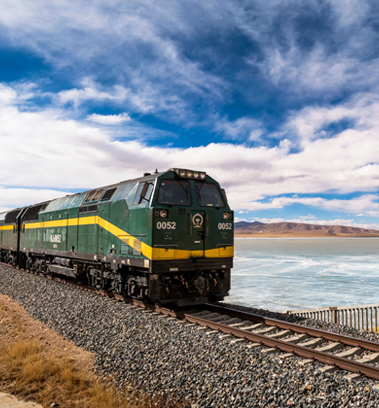
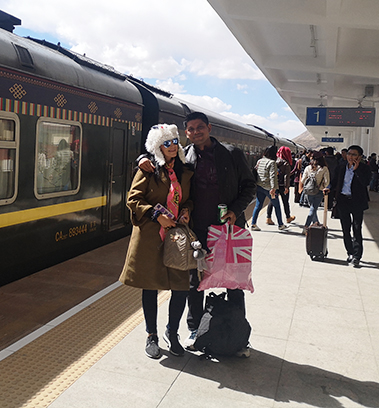
To get to Tibet, you can take the famous Qinghai-Tibet Railway or fly to Lhasa. After arriving, our guide will pick you up at the train station or airport. Throughout the journey, you will travel by private vehicle between different destinations in Tibet.
Accommodation Choices
In major cities like Lhasa and Shigatse, there is a wide range of accommodation options, from budget-friendly guesthouses to five-star luxury hotels. In more remote areas, accommodation options may be simpler, with basic facilities.
If you want a more immersive cultural atmosphere, you can try Tibetan-style hotels, which combine modern comfort with local design elements. They may feature traditional decorations, Tibetan furniture, and cultural details that help you experience Tibetan culture even during your stay.
Tibet Travel Permit
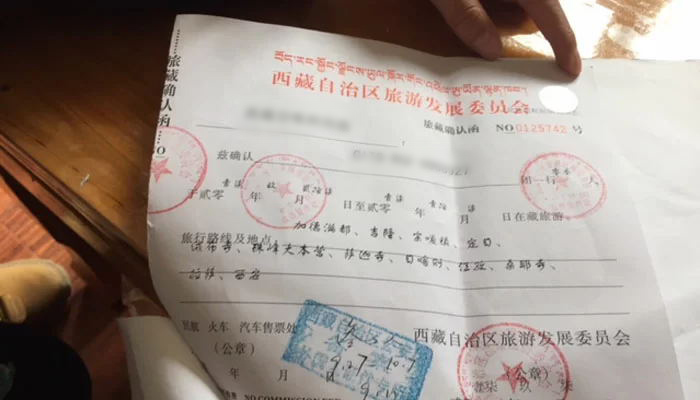
Foreign travelers need a Tibet Travel Permit to enter Tibet and board a flight or train to Tibet. You cannot apply for the permit on your own. It must be arranged through a licensed Tibet travel agency like us.
Additional permits may also be required if your itinerary includes areas such as Everest Base Camp, Mount Kailash, or other border regions.
For a smooth application, please contact us at least 20 days before your trip and provide the required documents, including your valid passport. We’ll take care of the permit application and send your Tibet Travel Permit to your hotel or another address in mainland China once it is issued.
 We will help you apply for the Tibet Travel Permit if you join any of our Tibet culture tours.
Altitude Preparation
Tibet has an average altitude of more than 4,000 meters, so altitude is an important factor to consider when planning your journey. Many popular cultural destinations are located at high elevations, including Namtso Lake, Everest Base Camp, and Mount Kailash.
To help your body adjust, spend enough time acclimatizing after arriving in Tibet. Take it easy during the first few days, avoid intense activities, drink enough water, and get plenty of rest. Keeping a flexible schedule can also make your journey more comfortable.
Travel with a Local Guide
Many Tibetan cultural sites have deep historical, religious, and social meanings that you may not fully understand through sightseeing alone. Our knowledgeable local guide can explain the stories behind monasteries, religious traditions, festivals, and local customs during your visit.
Our guide can also help you communicate with local people, understand local etiquette, and enjoy more meaningful cultural interactions. Traveling with a local guide can turn a simple visit into a deeper cultural experience.
Should You Join a Private Tibetan Culture Tour?
A private Tibetan culture tour is a good choice if you want a more personalized and flexible journey. Compared with a fixed group itinerary, you can choose experiences based on your interests, adjust your travel pace, and spend more time at the places that matter to you.
With a private tour, you will have a dedicated local guide and driver throughout your journey. You can enjoy a customized itinerary and private transportation. We can also take care of the necessary permits and travel arrangements, making your journey easier and more comfortable.
Your itinerary can focus on what interests you most. If you are interested in Tibetan Buddhism, you can spend more time visiting monasteries and religious sites. If you prefer local life, you can include Tibetan family visits, traditional villages, markets, or local teahouses.
 Join a private Tibetan culture tour for a more personalized journey through Tibet.
Quick Summary and FAQs About Planning a Tibetan Culture Tour
Quick Summary
A Tibetan culture tour can include much more than visiting famous landmarks. You can explore Buddhist monasteries, walk with pilgrims, visit Tibetan families and villages, try local food, discover traditional crafts, and experience festivals and local life.
For most first-time visitors, Lhasa is the best place to start. With more time, you can continue to Shannan or Shigatse for deeper cultural exploration, or travel farther to places such as Ngari and Mount Kailash for pilgrimage traditions and sacred landscapes.
When planning your trip, consider your travel time, interests, season, altitude, and preferred travel style. A well-planned itinerary with enough time to acclimatize can help you experience Tibetan culture at a comfortable pace.
Q1: What are the best places to experience Tibetan culture?
Lhasa is the best starting point for most first-time visitors, with famous cultural sites, monasteries, Barkhor Street, teahouses, and everyday local life. You can also visit Shannan for early Tibetan history, Shigatse for monastic traditions, Nyingchi for Gongbo Tibetan culture and village life, or Ngari for pilgrimage traditions.
Q2: How many days do I need for a Tibetan culture tour?
Around 4–5 days is enough for a first cultural experience in Lhasa. With 7–10 days, you can also explore Shannan or Shigatse. If you have more than 10 days, you can travel farther and experience more remote regions, pilgrimage traditions, and local lifestyles.
Q3: What should I wear when visiting Tibetan monasteries and temples?
Wear modest and comfortable clothing when visiting monasteries and temples. Avoid overly revealing clothes, and it is best to wear clothing that covers your knees. Comfortable walking shoes are also recommended.
Q4: Can I experience Tibetan festivals during my trip?
Yes. Depending on your travel dates, you may experience festivals such as Losar, Saga Dawa, the Shoton Festival, or horse racing festivals. Festival dates change each year, so check the schedule before planning your trip.
Q5: Is a private Tibetan culture tour better than a group tour?
It depends on your travel style. A private tour gives you more flexibility to customize your itinerary, adjust your pace, and spend more time on the cultural experiences that interest you. You will also have a dedicated local guide and driver throughout your journey.
A small group tour follows a more fixed itinerary and is suitable if you prefer to travel with other visitors and keep costs lower.
Q6: Do I need a guide for a Tibetan culture tour?
Yes. Foreign travelers need to travel in Tibet with an organized tour and a local guide. A knowledgeable local guide can also explain Tibetan history, religious traditions, and local customs, and help you communicate with local people during cultural experiences.
Q7: When is the best time for a Tibetan culture tour?
Spring and autumn are ideal for comfortable weather and cultural sightseeing. Summer is warmer and offers more opportunities to experience festivals and pastoral life, while winter is quieter and particularly suitable for exploring Lhasa and its monasteries.
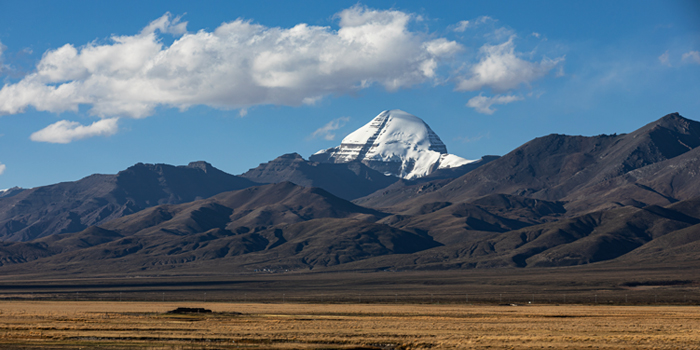
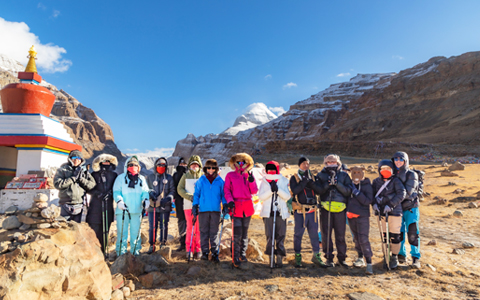
Journey to Mount Kailash and experience one of Tibet’s most sacred pilgrimage destinations.
Conclusion
Planning a Tibetan culture tour is about more than choosing which places to visit. The right itinerary allows you to explore Tibetan Buddhism, experience local life, discover traditional arts and customs, and understand how Tibetan culture is connected with the landscapes.
Whether you spend a few days exploring Lhasa or travel farther to Shannan, Shigatse, Nyingchi, or Ngari, give yourself enough time to slow down and experience the local culture beyond sightseeing. A well-planned trip can help you discover a deeper and more authentic side of Tibet.
Contact us to plan your Tibetan culture tour. We can customize your itinerary based on your travel time, interests, and preferred pace.
 Facebook
 Tweet
Tweet
 Linkedln
 Reddit


Ask a Quick Question