





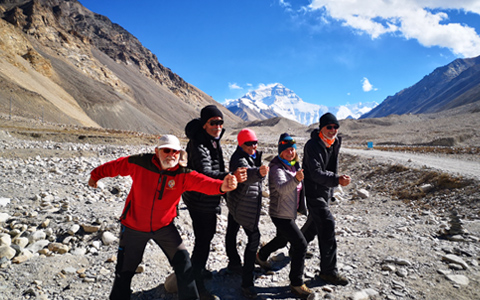
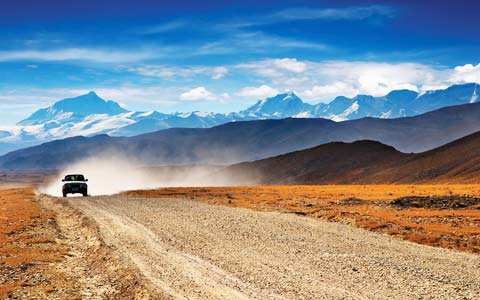






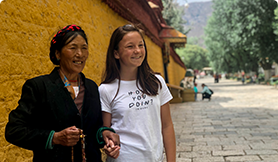


A trip to Tibet gives you many opportunities to experience Tibetan culture firsthand. You can visit Buddhist monasteries, walk with pilgrims, spend time in local teahouses, visit a Tibetan family, taste traditional food, and discover Tibetan arts and handicrafts.
These experiences allow you to see Tibet beyond its famous landscapes. Whether you spend a few days in Lhasa or travel across different regions of Tibet, there are many ways to experience Tibetan culture and gain a deeper understanding of local traditions.
In this guide, we’ll introduce the most meaningful Tibetan cultural experiences and where you can enjoy them during your trip.
Contents
 Explore Tibetan Buddhism in Monasteries and Sacred Sites
Follow Tibetan Pilgrims and Experience Kora Traditions
Discover Everyday Tibetan Life
Taste Tibetan Food and Experience Local Dining Culture
Join Traditional Tibetan Festivals
Discover Tibetan Arts and Traditional Handicrafts
Meet Tibetan Nomads and Learn About Nomadic Culture
See Traditional Tibetan Clothing, Music, Dance, and Opera
Where Are the Best Places to Experience Tibetan Culture?
How to Experience Tibetan Culture More Deeply During Your Trip
Explore Tibetan Buddhism in Monasteries and Sacred Sites
Visit Tibetan Buddhist Monasteries
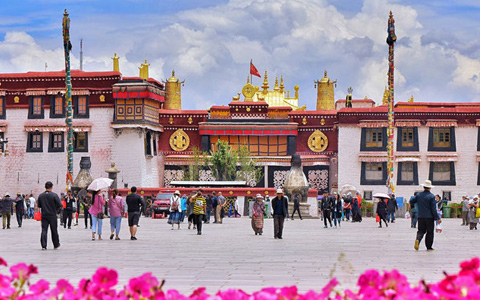
Tibet is home to many important Buddhist monasteries and temples. In Lhasa, Jokhang Temple is one of the most sacred places to visit. Around the temple, you can see pilgrims walking the Barkhor Kora, turning prayer wheels, and performing prostrations.
At Sera Monastery, you can watch the famous monk debates in the afternoon from Monday to Saturday. Their animated gestures and hand clapping make this centuries-old learning tradition particularly interesting for visitors. Drepung and Ganden monasteries offer further insight into Tibetan Buddhist history and monastic life.
As you travel beyond Lhasa, you can discover other important Buddhist centers. Tashilhunpo Monastery is a cultural highlight of Shigatse, while Samye Monastery in Shannan holds a special place in Tibetan Buddhist history. As the first Buddhist monastery in Tibet, Samye offers a deeper look at the early development of Buddhism on the Tibetan Plateau.
 Experience Tibetan culture and Buddhist heritage at Jokhang Temple in Lhasa.
Discover Tibetan Buddhist Art and Religious Symbols
You can also appreciate Tibetan Buddhist art during a monastery visit. Inside temples and monastery halls, you may see Buddhist statues, colorful murals, thangka paintings, butter lamps, and other religious objects.
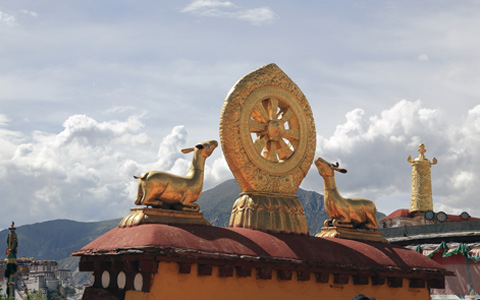
Outside, you will frequently encounter prayer wheels, stupas, mani stones, and prayer flags. These are not simply decorations. They carry religious meaning and remain part of living Buddhist traditions. Your Tibetan guide can explain the stories, symbols, and beliefs behind what you see.
Experience Meditation and Spiritual Traditions
For a deeper experience, some journeys can introduce you to Tibetan Buddhist meditation and spiritual practices. Depending on your itinerary, you may visit meditation retreats, hermitages, or quiet religious sites away from the busiest attractions.
One interesting place to experience this side of Tibetan Buddhism is Chim-puk Hermitage, located near Samye Monastery. The quiet mountain area is known for its meditation caves and long history of Buddhist practice.
A journey combining Samye and Chim-puk gives you two different perspectives. At Samye, you can explore Tibetan Buddhist history and monastic heritage. At Chim-puk, you can discover a quieter tradition centered on meditation and spiritual retreat.
This can be especially meaningful if you want to understand Tibetan Buddhism beyond the major temples and famous cultural landmarks.
 Explore Tibetan Buddhist culture and history at Samye Monastery in Shannan.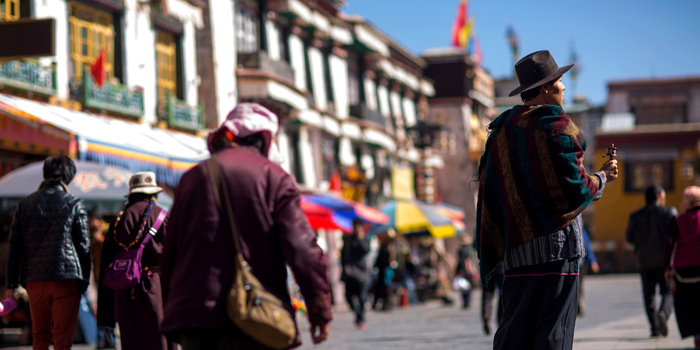

Explore Lhasa’s iconic landmarks and experience authentic Tibetan culture on this classic city tour!
Follow Tibetan Pilgrims and Experience Kora Traditions
Walk the Barkhor Kora in Lhasa
The Barkhor Kora around Jokhang Temple is one of the easiest pilgrimage traditions for travelers to experience. As you walk clockwise around the temple, you may find yourself alongside pilgrims holding prayer beads, turning prayer wheels, or performing full-body prostrations.
The Barkhor area is also an ideal place to observe everyday life in Lhasa. Traditional shops, teahouses, pilgrims, local residents, and visitors all share the same streets. Spending time here helps you see how religion and daily life remain closely connected.
Experience a Sacred Mountain or Lake Kora
The best-known kora tradition in Tibet is the Mount Kailash Kora. The roughly 52 to 54 km route normally takes three days and crosses the high Dolma La Pass. Along the way, you may meet Tibetan pilgrims as well as followers of other religions for whom Mount Kailash is sacred.
Lake Manasarovar, near Mount Kailash, is one of Tibet’s most sacred lakes and an important pilgrimage site. Pilgrims traditionally walk clockwise around the lake to pray and seek blessings. The full kora covers about 110 km and usually takes four to five days on foot.
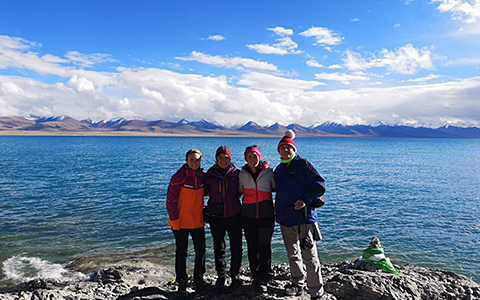
Namtso Lake also has a long tradition of lake kora among Tibetan pilgrims. Even if you do not complete a long pilgrimage route, understanding the idea of kora can help you see Tibet's landscapes differently.
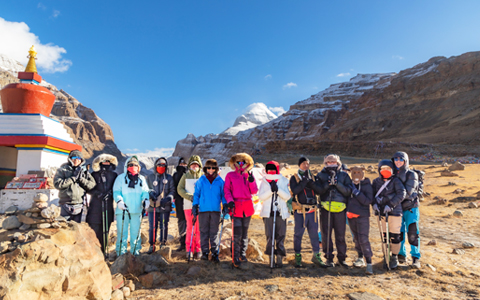
 Experience the sacred landscape and pilgrimage culture of Mount Kailash in Tibet.
Discover Everyday Tibetan Life
Spend Time in a Local Teahouse
Traditional teahouses are an important part of social life, especially in cities such as Lhasa. Local people come here to drink tea, talk with friends, eat simple meals, and spend time together.
Spending some time in a teahouse gives you a chance to slow down after visiting major attractions. You can sit with a cup of tea and observe the relaxed rhythm of daily life around you.
It is a simple experience, but that is exactly what makes it interesting. You are not watching a cultural performance. You are seeing an ordinary part of local life.
Visit a Local Tibetan Family
A Tibetan family visit can take you one step closer to everyday local culture. Instead of seeing Tibet only through monasteries and historic landmarks, you can enter a local home and learn how people live today.
You can sit down for tea and conversation with your hosts and learn about family routines, household customs, local food, and traditions passed down through generations. With your guide helping with communication, you can ask questions and gain a better understanding of local family life.
Depending on the family and local arrangements, you may also join simple daily activities. For example, you may learn how yak dung is dried and used as fuel, make tsampa, or help prepare traditional Tibetan snacks.
Learn About Traditional Tibetan Medicine
Traditional Tibetan medicine is an important part of Tibetan culture, combining knowledge of medicinal herbs, natural ingredients, and centuries-old healing traditions.
Depending on your itinerary, you may also see alpine plants used in traditional Tibetan medicine when traveling through some high-altitude areas. For a more immersive cultural experience, a traditional Tibetan herbal bath allows you to experience how Tibetan medicine is connected with daily life and wellness traditions.
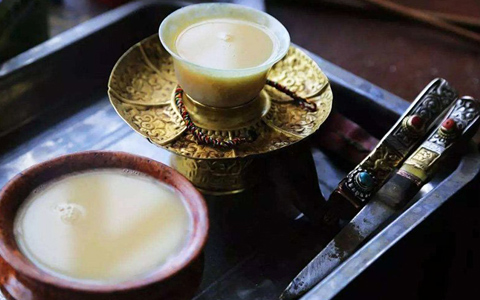
 Enjoy Tibetan tea and experience local teahouse culture in Lhasa.
Taste Tibetan Food and Experience Local Dining Culture
Try Traditional Tibetan Food
One of the most famous Tibetan foods is tsampa, made from roasted barley flour. It has been a staple food on the Tibetan Plateau for generations.
You can also try momos, Tibetan-style dumplings filled with meat or vegetables. Tibetan noodles, yak meat, yak yogurt, and other dairy products are also worth trying during your trip.
Trying local dishes is not only about tasting something new. Traditional Tibetan food can also help you understand how people have adapted to life in Tibet's high-altitude environment.
Try Tibetan Butter Tea and Sweet Tea
Butter tea is one of Tibet's most distinctive traditional drinks. It is usually made with tea, butter, and salt. Its rich, salty taste may be quite different from the tea you are used to.
Tibetan sweet tea has a milder and sweeter flavor. It is especially common in local teahouses and is often easier for first-time visitors to enjoy.
Trying both introduces you to different sides of Tibetan tea culture. Butter tea has long been associated with traditional hospitality and plateau life, while sweet tea is a familiar part of everyday social life in places such as Lhasa.
 Taste traditional Tibetan tsampa, a staple food made from roasted barley flour.
Join Traditional Tibetan Festivals
Tibetan New Year (Losar)
Tibetan New Year, also known as Losar, is one of the most important traditional celebrations in Tibet. Families prepare special foods, clean and decorate their homes, visit relatives, and take part in religious and festive activities. The celebrations provide an opportunity to see how family traditions and religious customs come together.
Saga Dawa Festival
Saga Dawa is one of the most important religious periods in the Tibetan Buddhist calendar. It commemorates key events associated with the life of Buddha.
During this period, you can see large numbers of pilgrims visiting temples and completing koras. In Lhasa, pilgrimage routes such as the Barkhor become particularly active. If you are interested in Tibetan Buddhism, Saga Dawa is an especially meaningful time to visit.
Shoton Festival
The Shoton Festival is one of Lhasa's best-known traditional festivals. One of its most famous events is the display of a giant Buddha thangka at Drepung Monastery.
Tibetan opera and other celebrations are also traditionally associated with the festival. It is a good time to see religious traditions and community celebrations come together.
 See the giant Buddha thangka display during the Shoton Festival in Tibet.
Horse Racing Festivals
Horse racing festivals introduce you to a different side of Tibetan culture. They are particularly associated with pastoral regions, where horses have traditionally played an important role in local life.
During major festivals, you may see skilled horse riders, traditional clothing, music, dancing, and large gatherings of local families. These festivals can be especially interesting if you want to learn about Tibetan pastoral and nomadic traditions beyond the major cities.
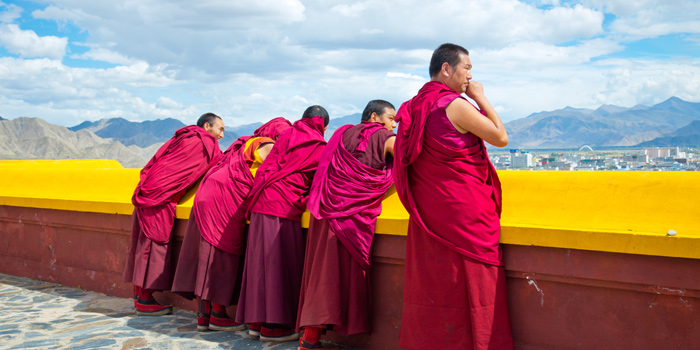
Discover the cultural highlights of Lhasa and Shigatse on this classic Tibet journey!
Discover Tibetan Arts and Traditional Handicrafts
Appreciate Tibetan Thangka Painting
A thangka is a traditional Tibetan Buddhist painting. It often depicts Buddhist figures, deities, mandalas, and religious stories. Creating one requires detailed artistic skills as well as knowledge of Buddhist iconography.
You can see historic thangkas inside monasteries and cultural institutions. You may also have opportunities to visit a workshop and see how artists create them.
Discover Traditional Tibetan Handicrafts
Traditional Tibetan handicrafts include carpets, incense, pottery, wood carving, metalwork, and many other handmade objects. Different regions may have their own materials, techniques, and styles.
Visiting a workshop can be more interesting than simply buying a souvenir. You can see how an item is made and learn about the skills behind the finished product. Some of our Tibet culture tours offer you the opportunity to experience traditional crafts firsthand through hands-on activities.
 A Tibetan artisan weaves a traditional carpet by hand using colorful wool.
Meet Tibetan Nomads and Learn About Nomadic Culture
Nomadic and pastoral traditions have long been an important part of life on the Tibetan Plateau. In grassland areas, especially in northern Tibet, communities have traditionally raised yaks, sheep, and other livestock.
If your itinerary takes you through pastoral regions, you may see herds of yaks, nomadic tents, and families living on the grasslands. Meeting a local pastoral family can help you understand how people have adapted to the plateau environment.
When visiting these areas, remember that the grasslands are not simply scenic photography locations. They are also people's homes and workplaces, so always be respectful of local life and avoid disturbing their daily activities.
 If your itinerary takes you through the grasslands of Tibet, you may see yaks grazing across the vast landscape.
See Traditional Tibetan Clothing, Music, Dance, and Opera
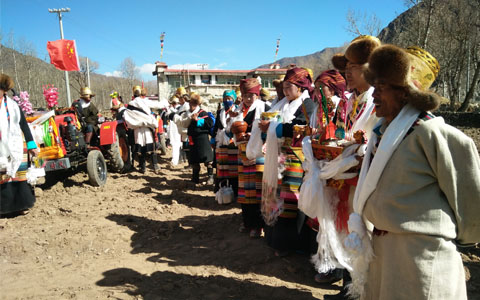
Traditional Tibetan clothing varies considerably between regions. Different areas have their own styles, materials, colors, and accessories. Festivals, family celebrations, and special events often provide better opportunities to see more elaborate traditional dress and jewelry.
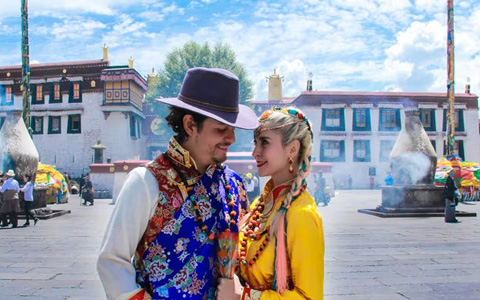
In cities, you may see people wearing both modern and traditional clothing. You can also try on traditional Tibetan-style clothing and take photos to remember your Tibet tour. It is a fun way to experience another side of local culture.
Music and dance are also important parts of celebrations and community gatherings. Well-known Tibetan dances include Guozhuang (Gorshey), a traditional group dance, as well as Xianzi and Toeshey.
Another distinctive performing art is Ache Lhamo, commonly known as Tibetan opera. It combines singing, dancing, storytelling, costumes, and masks. Seeing a performance can introduce you to another important part of Tibet's cultural heritage.
 You can try on traditional Tibetan-style clothing and make some special memories in Lhasa.
Where Are the Best Places to Experience Tibetan Culture?
Different parts of Tibet offer different cultural experiences. The table below can help you choose a destination based on your interests.
Best Tibetan Cultural Experiences by Destination
| Destination | Best Cultural Experiences |
|---|---|
| Lhasa | Tibetan Buddhism, historic landmarks, teahouses, and urban local life |
| Shigatse | Monastic traditions and religious heritage |
| Shannan | Early Tibetan history, Samye Monastery, meditation, and spiritual traditions |
| Namtso and Northern Tibet | Pastoral life and nomadic culture |
| Mount Kailash | Pilgrimage traditions and sacred landscapes |
Lhasa: Best for Tibetan Buddhism and Urban Local Life
For most first-time travelers, Lhasa is the best place to begin exploring Tibetan culture.
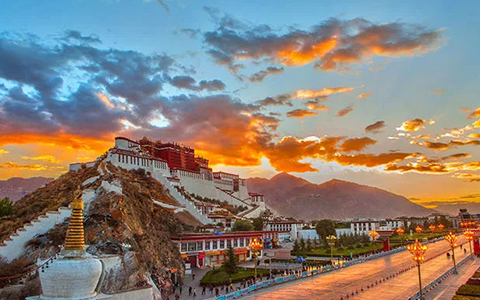
Classic cultural sights include the Potala Palace, Jokhang Temple, Barkhor Street, Sera Monastery, and Drepung Monastery. Together, these places introduce you to Tibetan history, Buddhism, architecture, pilgrimage, and monastic traditions.
However, Lhasa is not only about famous attractions. Walk around the Barkhor, spend time in a local teahouse, and pay attention to everyday life between sightseeing stops. This combination of major landmarks and living culture makes Lhasa an excellent introduction to Tibet.
Shigatse: Best for Tibetan Monastery Culture
After Lhasa, Shigatse is a natural destination for travelers following a classic cultural route through central Tibet. Its major cultural highlight is Tashilhunpo Monastery, the traditional seat of the Panchen Lamas. The large complex includes prayer halls, courtyards, stupas, and religious art.
Traveling from Lhasa to Shigatse also allows you to experience historic towns and cultural landscapes along the way. It is a good choice if you want classic sightseeing while seeing more of central Tibet beyond Lhasa.
 A family visits Tashilhunpo Monastery in Shigatse during their Tibet trip.
Shannan: Best for Early Tibetan History
If you want to explore Tibetan culture more deeply, Shannan adds another layer to your journey.
Samye Monastery is one of the region's most important cultural sites. Its importance in the early history of Tibetan Buddhism makes it especially rewarding for travelers who want to understand how Buddhist traditions developed in Tibet.
Nearby, Chim-puk Hermitage provides a very different experience. Rather than visiting another large monastery, you enter a quieter landscape associated with meditation caves and spiritual retreat.
Visiting Samye and Chim-puk together lets you explore both monastic heritage and meditation traditions. This makes Shannan particularly suitable if you want to go beyond classic sightseeing.
Namtso and Northern Tibet: Best for Nomadic Culture
Namtso and northern Tibet offer a different cultural landscape from the historic cities and monasteries of central Tibet.
Across the grasslands, pastoral traditions become more visible. You may see herds of yaks and sheep, as well as communities whose lives remain closely connected with livestock and the plateau environment.
Combining Namtso's spectacular natural scenery with an introduction to pastoral life can help you experience both the landscapes and traditional culture of northern Tibet.
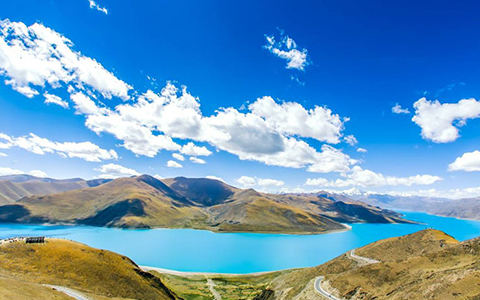
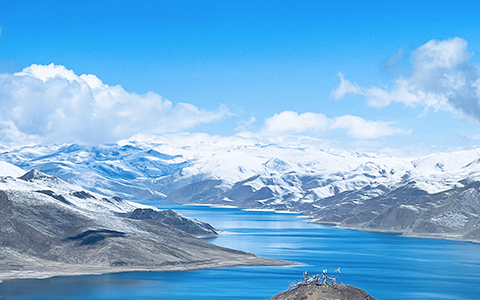
 Experience the sacred beauty of Namtso Lake, one of Tibet’s most revered holy lakes.
Mount Kailash: Best for Pilgrimage Culture
Mount Kailash is sacred to several religions, including Tibetan Buddhism, Hinduism, Bon, and Jainism. Every year, pilgrims travel here to complete the kora around it. Walking the route allows you to observe pilgrimage traditions in a dramatic high-altitude environment.
A Mount Kailash journey requires considerably more time than a classic Lhasa or central Tibet trip. However, if you are particularly interested in pilgrimage and sacred landscapes, it offers a very different cultural experience.
How to Experience Tibetan Culture More Deeply During Your Trip
Spend Enough Time in Each Place
Avoid making every day a race between attractions. At a monastery, give yourself time to notice the murals, pilgrims, monks, architecture, and daily religious activities. Around the Barkhor, spend some time observing local life instead of simply completing the walking route.
Include Experiences Beyond Sightseeing
Famous landmarks are essential parts of a cultural journey, but you can also include experiences that bring you closer to living culture. Visit a Tibetan family, spend time in a local teahouse, learn about thangka painting, or see how traditional handicrafts are made.
Travel with Knowledgeable Local Guides
Many parts of Tibetan culture are difficult to understand simply by looking at them. On our Tibet culture tours, our knowledgeable local guides can explain the history and beliefs behind what you see. They can also help you communicate during family visits and advise you about local customs. This makes it easier to experience Tibetan culture respectfully.
Visit Different Regions of Tibet
If you have enough time, travel beyond Lhasa. Shigatse introduces you to another major monastic center, while Shannan provides insight into early Tibetan history. Northern Tibet offers a closer connection with pastoral culture, and Mount Kailash reveals the importance of pilgrimage.
You do not need to visit every region in one journey. Choose the places that best match the aspects of Tibetan culture you are most interested in.
Travel During a Tibetan Festival
A Tibetan festival can add an extra cultural dimension to your trip. Depending on the event, you may see religious gatherings, pilgrimage activities, traditional clothing, performances, or horse racing.
However, festival periods can also be busy. Dates can vary according to the Tibetan calendar, so plan early and confirm the latest schedule before finalizing your trip.
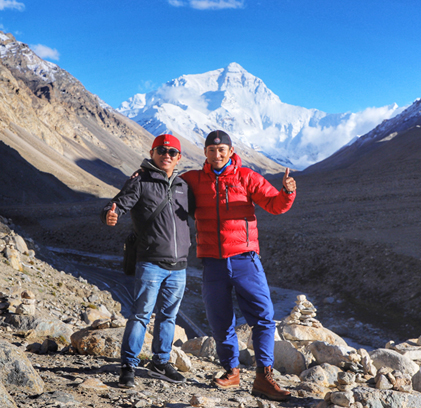
 Visit Rongbuk Monastery near Everest Base Camp and experience Tibetan Buddhist culture beneath Mount Everest.
Quick Summary and FAQs About Experiencing Tibetan Culture
Quick Summary
Tibetan culture can be experienced in many ways during your trip. You can visit Buddhist monasteries, walk a kora with pilgrims, spend time in a local teahouse, visit a Tibetan family, taste traditional food, join festivals, and discover Tibetan arts and handicrafts.
Lhasa is the best starting point for most first-time visitors, while Shigatse, Shannan, northern Tibet, and Mount Kailash offer different cultural experiences. To experience Tibetan culture more deeply, slow down, spend time observing local life, and include experiences beyond sightseeing.
Q1: What is the best way to experience Tibetan culture?
Combine famous cultural sights with everyday local experiences. Visit monasteries, walk a kora, spend time in a teahouse, visit a Tibetan family, or learn about traditional crafts. This helps you experience both Tibetan heritage and living culture.
Q2: What are the best monasteries to visit to experience Tibetan culture?
In Lhasa, Jokhang Temple, Sera Monastery, and Drepung Monastery are excellent choices. You can also visit Tashilhunpo Monastery in Shigatse and Samye Monastery in Shannan to discover different aspects of Tibetan Buddhist culture.
Q3: Where is the best place to experience Tibetan culture in Tibet?
Lhasa is the best starting point for most first-time travelers. It brings together famous historic landmarks, important monasteries, pilgrimage traditions, teahouses, and everyday urban life.
For a classic cultural journey, you can continue to Shigatse. If you want to explore Tibetan Buddhism more deeply, Shannan, including Samye Monastery and Chim-puk Hermitage, is a worthwhile addition.
Q4: Can I visit a local Tibetan family during my trip?
Yes. Some of our cultural itineraries, such as our 6 Days living Tibetan culture tour, include visits to local Tibetan families. You can have tea with your hosts, learn about family life and customs, and sometimes join simple activities such as making traditional Tibetan food.
Our local guide will accompany you during the visit, help with communication, and explain local etiquette so you can enjoy the experience in a natural and respectful way.
Q5: Can I attend a Tibetan festival during my trip?
Yes, if your travel dates match the Tibetan festival schedule. Losar, Saga Dawa, the Shoton Festival, and horse racing festivals are good opportunities to experience Tibetan traditions. Festival dates vary each year, so check the schedule before your trip.
Q6: What Tibetan food should I try?
Try tsampa, momos, Tibetan noodles, yak meat, and yak yogurt. You can also taste Tibetan butter tea and sweet tea to experience two different sides of Tibetan tea culture.
Q7: What should I wear when visiting Tibetan monasteries?
Wear modest, comfortable clothing and avoid overly revealing clothes. Follow your guide's advice and any rules at the monastery. Comfortable walking shoes are also recommended.
Q8: Can I take photos of Tibetan people and religious ceremonies?
Ask permission before taking close-up photos of local people. Photography may also be restricted inside monastery halls or during religious ceremonies, so always follow local rules and your guide's advice.
Q9: How many days do I need for a Tibetan cultural experience?
Around four days in Lhasa can give you a good introduction to Tibetan culture. With 6 to 8 days, you can also visit places such as Shigatse or Shannan for a broader cultural experience.
Q10: Do I need a local guide to experience Tibetan culture?
Yes, foreign travelers need to arrange their Tibet journey through a licensed travel agency and travel with a local guide as required. On our Tibet culture tours, your local guides can help you understand what you see, communicate during family visits, and respect local customs.
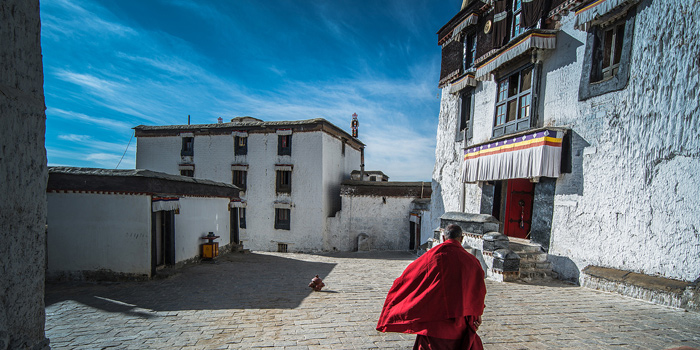
Explore both cultural highlights and breathtaking natural scenery on this classic Tibet journey!
Conclusion
Experiencing Tibetan culture can make your Tibet journey much more meaningful. Beyond visiting famous landmarks, you can walk with pilgrims, spend time with local families, enjoy traditional food, discover Buddhist traditions, and experience everyday life across different regions of Tibet.
The key is to slow down, look beyond the major sights, and make time for meaningful local experiences along the way. Contact us to plan your Tibet culture tour and discover a deeper, more authentic side of Tibet.
 Facebook
 Tweet
Tweet
 Linkedln
 Reddit


Ask a Quick Question